
 한국어
한국어 English
 日本語
日本語 中文(简体)
Dosage form image
Viewing nowCombinationOmesduo Tablet 20/800 mg
Esomeprazole Magnesium Trihydrate 22.26mg · Sodium Bicarbonate 650mg
Tablet · Prescription medication · Combination
Samik Pharmaceutical Co., Ltd.
MFDS item code 202107332 · Approved 2021.11.04
Treatment and prevention of reflux esophagitis, alleviation of gastroesophageal reflux disease symptoms
This medication is used for the treatment of gastroesophageal reflux disease, particularly for reflux esophagitis. It is also effective as a long-term maintenance therapy to prevent recurrence in patients with esophagitis. Moreover, it helps to alleviate symptoms in patients with gastroesophageal reflux disease without esophagitis. In other words, this drug is used to treat various symptoms and inflammation caused by gastroesophageal reflux and to prevent recurrence.
This medication should be taken on an empty stomach at least 1 hour before meals. Swallow whole with at least half a cup of water. Do not take with any beverages other than water. Do not chew or crush. For the treatment of gastroesophageal reflux disease: - For the treatment of reflux esophagitis: take 40/800 mg once daily for 4 weeks, and if symptoms persist or are not adequately treated, take for an additional 4 weeks. - For long-term maintenance therapy to prevent recurrence in patients with esophagitis: take 20/800 mg once daily. - For symptomatic treatment in gastroesophageal reflux disease without esophagitis: take 20/800 mg once daily, and if symptoms cannot be controlled after 4 weeks, additional evaluation is necessary. - Once symptoms are alleviated, continue to manage any recurring symptoms with 20/800 mg once daily. - In adults, 20/800 mg can be administered once daily as needed. In patients at elevated risk for gastric and duodenal ulcers due to NSAID use, taking this medication frequently for symptom control is not recommended.
This medication should not be used in certain patients. For example, patients with hypersensitivity to this drug or its components, or those who have experienced such reactions in the past, should not be administered this drug. Additionally, patients taking atazanavir, nelfinavir, and rilpivirine, women who are breastfeeding, and myocardial infarction patients should not take this medication. Patients with liver or kidney problems, elderly individuals, and those with cardiac and pulmonary dysfunction should use this drug cautiously. Patients with severe ulcers in the gastrointestinal tract or conditions such as electrolyte imbalance, hypokalemia, and hypocalcemia should also be careful. Patients with hypertension, edema, or pregnancy-related hypertension who need to restrict sodium intake should also be administered this drug with caution. This drug may cause various side effects. For instance, gastrointestinal symptoms such as headache, abdominal pain, diarrhea, nausea, and vomiting have been reported, as well as rare blood abnormalities, skin rashes, and allergic reactions. Moreover, electrolyte abnormalities such as hypomagnesemia and hypokalemia may occur; thus, regular monitoring is necessary during long-term use. Since this drug suppresses gastric acid secretion and lowers gastric acidity, the risk of bacterial infections in the gastrointestinal tract may increase slightly, especially in hospitalized patients where the risk of diarrhea caused by Clostridium difficile may elevate. Long-term use may increase the risk of fractures, so patients at risk for osteoporosis should consult with healthcare providers for proper management. This drug may interact with certain medications, so patients taking other drugs should consult with a doctor or pharmacist. Particular care is needed when used in conjunction with warfarin, digoxin, methotrexate, and antiviral drugs. During pregnancy, safety data for this medication is limited, so pregnant women should take this drug according to a doctor's guidance, and breastfeeding women are advised not to take this medication. In cases of overdose, there is no specific antidote, so appropriate treatment based on symptoms should be provided. This medication should be kept out of reach of children and transferring to other containers should be avoided as it may not be good for maintaining quality.
Urticaria, angioedema, anaphylactic reactions, shock, microscopic colitis, jaundice, hepatitis, liver failure, encephalopathy, Stevens-Johnson syndrome, toxic epidermal necrolysis, acute generalized exanthematous pustulosis, drug reaction with eosinophilia and systemic symptoms (DRESS syndrome), interstitial nephritis, Clostridium difficile-associated diarrhea, sudden and severe headaches, seizures, consciousness disturbances, visual disturbances, paralysis, severe edema, urinary retention
Not everyone experiences these, and they can vary from person to person.
This medication can be sensitive to air or moisture, so it should be stored in a tightly closed container. It is best stored at room temperature between 1 to 30 degrees Celsius.
Pale pink oval film-coated tablet
30 tablets per bottle
Even with the same ingredient, strength, dosage form and how it is taken can differ.
Esomeprazole Magnesium Trihydrate 22.26mg · Sodium Bicarbonate 650mg
Tablet · Prescription medication · Combination
Samik Pharmaceutical Co., Ltd.
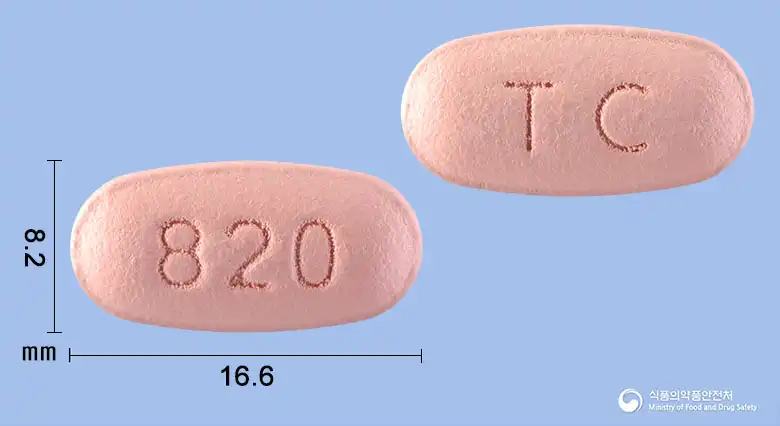 Combination
Esomeprazole Magnesium Trihydrate 22.26mg · Sodium Bicarbonate 800mg
Tablet · Prescription medication · Combination
CTC Bio, Co., Ltd.
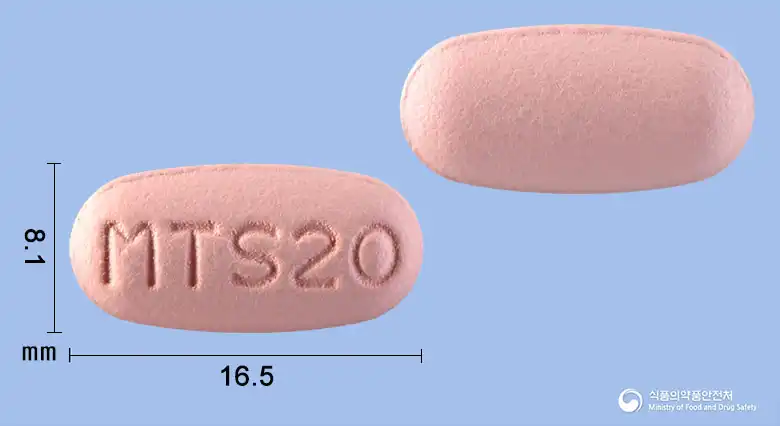 Combination
Esomeprazole Magnesium Trihydrate 22.26mg · Sodium Bicarbonate 800mg
Tablet · Prescription medication · Combination
Mothers Pharmaceutical Co., Ltd.
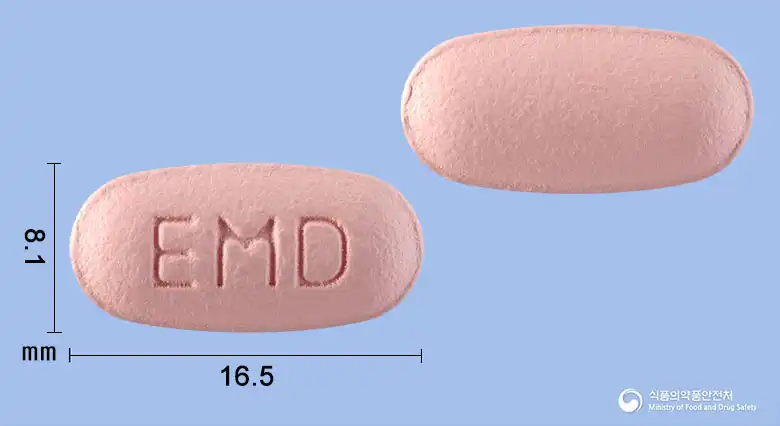 Combination
Esomeprazole Magnesium Trihydrate 22.26mg · Sodium Bicarbonate 800mg
Tablet · Prescription medication · Combination
Pharmgen Science Co., Ltd.
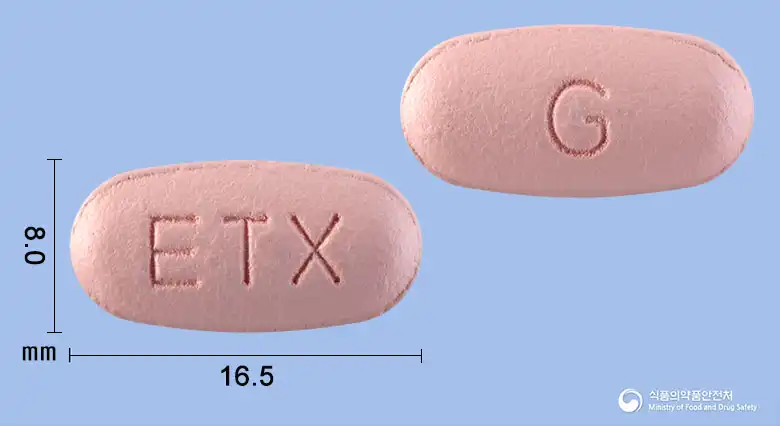 Combination
Esomeprazole Magnesium Trihydrate 22.26mg · Sodium Bicarbonate 800mg
Tablet · Prescription medication · Combination
Teragen Etex Co., Ltd.
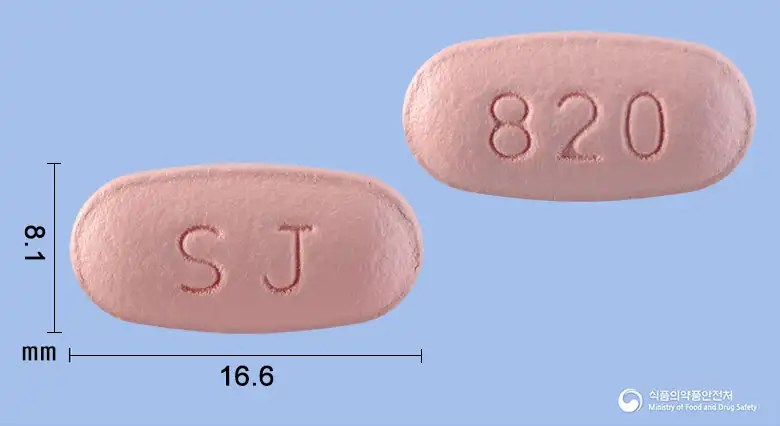 Combination
Esomeprazole Magnesium Trihydrate 22.26mg · Sodium Bicarbonate 800mg
Tablet · Prescription medication · Combination
Samjin Pharmaceutical Co., Ltd.
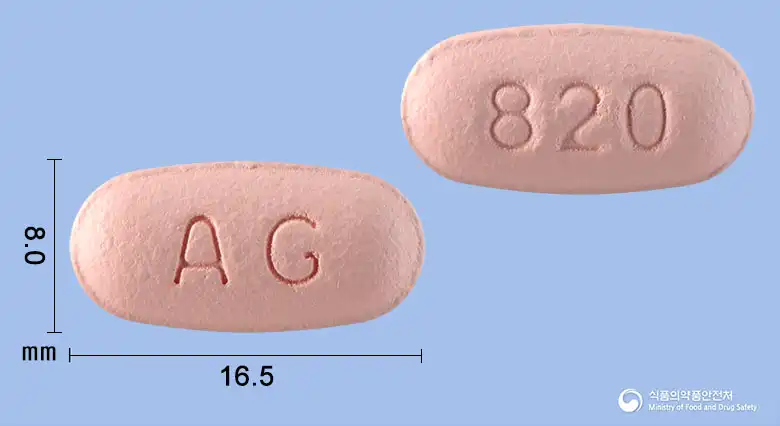 Combination
Esomeprazole Magnesium Trihydrate 22.26mg · Sodium Bicarbonate 800mg
Tablet · Prescription medication · Combination
Ahn-Guk Pharmaceutical Co., Ltd.
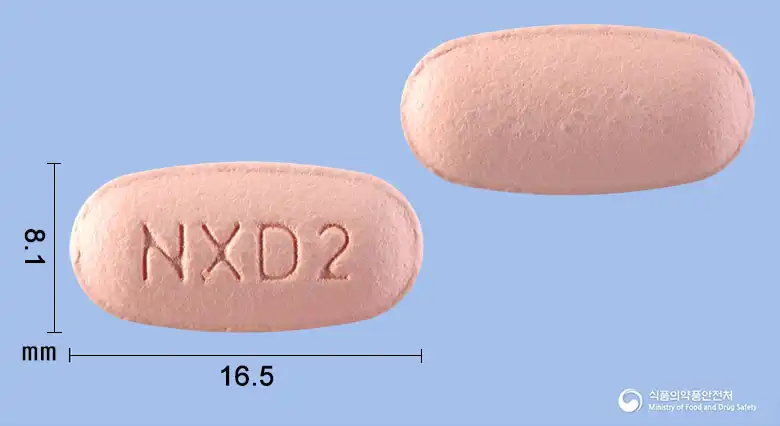 Combination
Esomeprazole Magnesium Trihydrate 22.26mg · Sodium Bicarbonate 800mg
Tablet · Prescription medication · Combination
Hana Pharmaceutical Co., Ltd.
Even with the same ingredient, the dose and directions can differ by strength and dosage form. Talk to a doctor or pharmacist before switching from a medication you are already taking.
No questions yet.
For anything that needs medical judgment, consult a doctor or pharmacist.
This drug information is based on data provided by the Korea Ministry of Food and Drug Safety.
Consult a doctor or pharmacist for accurate dosage, administration, and usage instructions.