
 한국어
한국어 English
 日本語
日本語 中文(简体)
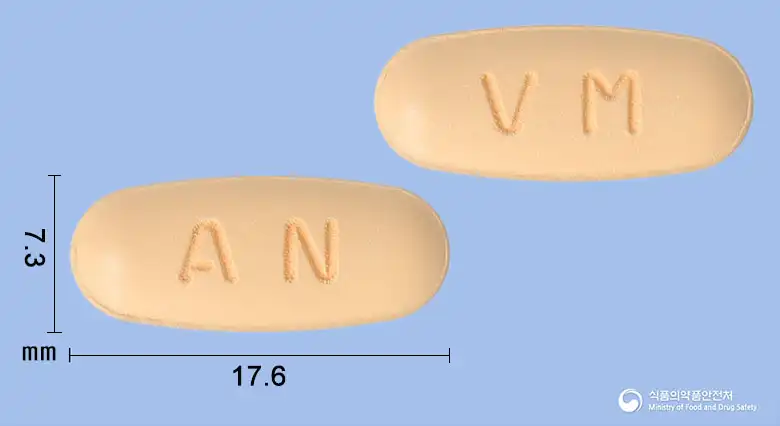 Viewing nowCombination
Vildagliptin Metformin Tablet 50/500 mg
Vildagliptin 50mg · Metformin Hydrochloride 500mg
Tablet · Prescription medication · Combination
AhnGuk NewPharm Co., Ltd.
MFDS item code 202107110 · Approved 2021.10.25 · Insurance code 053601680
Improvement of blood sugar control treatment
This medication helps improve blood sugar control in patients with type 2 diabetes by combining vildagliptin and metformin. It is effective for blood sugar management when administered in conjunction with dietary and exercise therapies. This medication stabilizes blood sugar levels and contributes to the prevention of diabetes-related complications. Therefore, it is used to improve blood sugar control in patients with type 2 diabetes.
In the treatment of patients with type 2 diabetes, the dose should be individualized based on efficacy and tolerability within a range of vildagliptin 100 mg and metformin 2000 mg. A daily dose exceeding vildagliptin 100 mg is not recommended. This medication should generally be taken with food or right after meals to reduce gastrointestinal adverse reactions associated with metformin. 1. For patients with prior experience of diabetes medication treatment
This medication can cause severe lactic acidosis or hypoglycemia, so it should not be used in patients with poor kidney function or heart failure. Additionally, if undergoing a radiologic iodine contrast procedure, it is necessary to suspend this medication 48 hours prior to the test and resume only after confirming normal kidney function. Patients with hypersensitivity to this medication or suffering from type 1 diabetes, diabetic ketoacidosis, severe infections, or severe liver dysfunction should also avoid taking it. During treatment, be cautious of irregular meals, intense exercise, and drug interactions, and use this medication carefully if allergic to the dyes it contains. This medication may affect liver and kidney function, so regular blood tests and kidney function tests are required to monitor the condition. It is advisable for pregnant or breastfeeding women to avoid using this medication. Moreover, this medication can cause hypoglycemia, so it is necessary to take immediate action, such as consuming sugar, if symptoms appear. Alcohol consumption can increase the risk of side effects associated with this medication, so it is best to avoid it during treatment. Patients scheduled for surgery should discontinue use 48 hours prior to the procedure and resume only after confirming normal kidney function post-operation. While taking this medication, acute pancreatitis, skin abnormalities, or severe joint pain may occur, so consult a doctor immediately if any unusual symptoms arise. Elderly patients or those with poor nutritional status must exercise particular caution when using this medication, and it is not recommended for children or adolescents under 18 years old. In the event of overdose, supportive treatment is required, as some components of this medication are not removed by hemodialysis, necessitating prompt medical attention. Lastly, this medication can cause dizziness while driving or operating machinery, so caution is advised.
Not everyone experiences these, and they can vary from person to person.
This medication is sensitive to air and moisture, so it must be stored in a sealed container. The recommended storage temperature is between 1 to 30 degrees Celsius at room temperature. This will help maintain the effectiveness of the medication for a longer period.
Light yellow oval film-coated tablet
30 tablets/PTP [10 tablets/PTP x 3]
Even with the same ingredient, strength, dosage form and how it is taken can differ.
Viewing nowCombinationVildagliptin 50mg · Metformin Hydrochloride 500mg
Tablet · Prescription medication · Combination
AhnGuk NewPharm Co., Ltd.
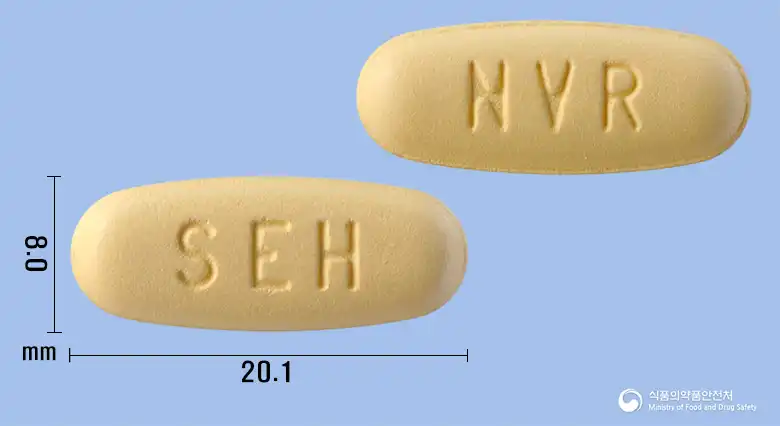 Combination
Vildagliptin 50mg · Metformin Hydrochloride 850mg
Tablet · Prescription medication · Combination
Korea Novartis Co., Ltd.
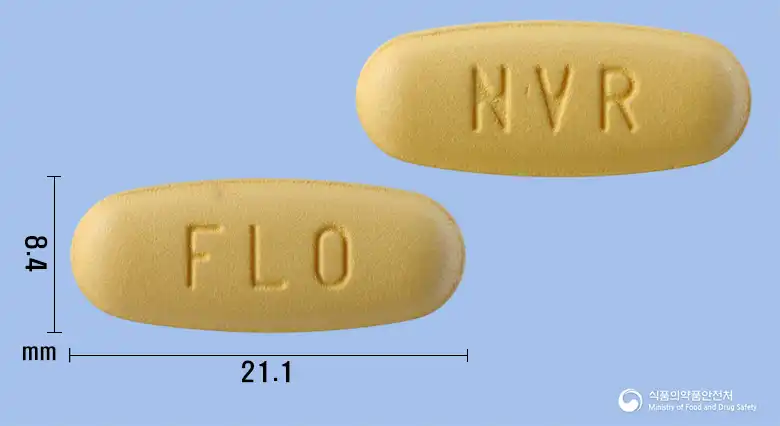 Combination
Vildagliptin 50mg · Metformin Hydrochloride 1000mg
Tablet · Prescription medication · Combination
Novartis Korea Co., Ltd.
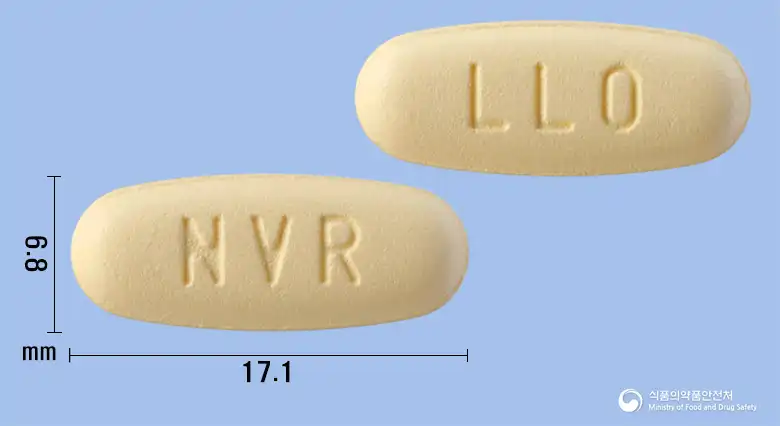 Combination
Vildagliptin 50mg · Metformin Hydrochloride 500mg
Tablet · Prescription medication · Combination
Novartis Korea Co., Ltd.
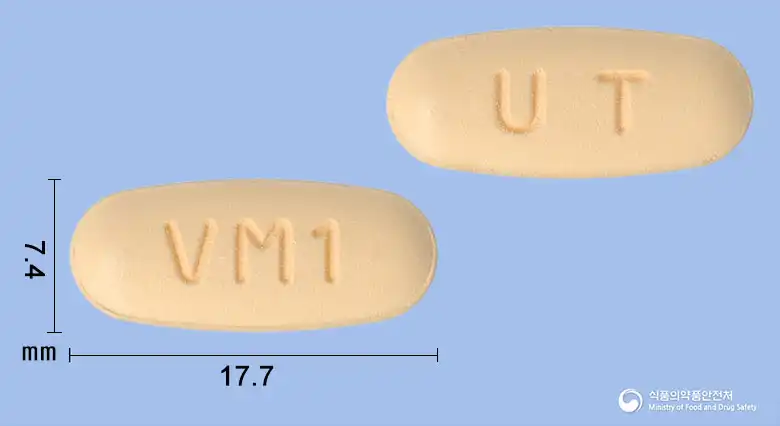 Combination
Vildagliptin 50mg · Metformin Hydrochloride 500mg
Tablet · Prescription medication · Combination
Korea United Pharm, Co., Ltd.
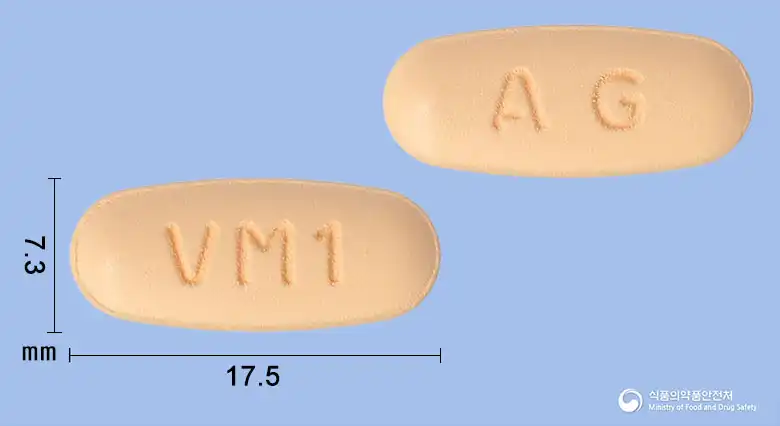 Combination
Vildagliptin 50mg · Metformin Hydrochloride 500mg
Tablet · Prescription medication · Combination
Ahn-Guk Pharmaceutical Co., Ltd.
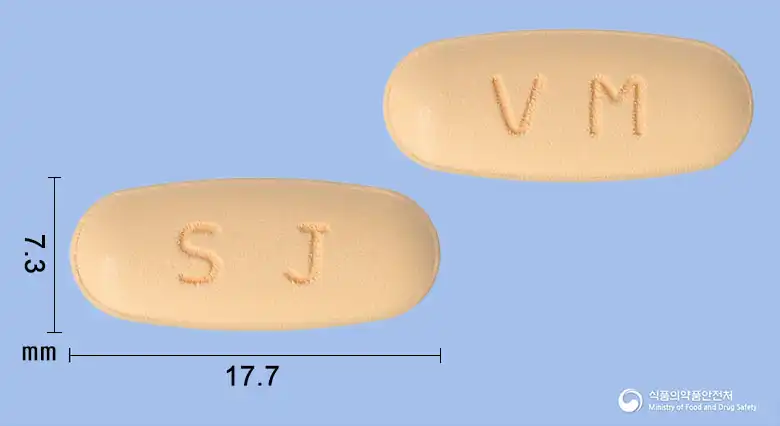 Combination
Vildagliptin 50mg · Metformin Hydrochloride 500mg
Tablet · Prescription medication · Combination
Samjin Pharmaceutical Co., Ltd.
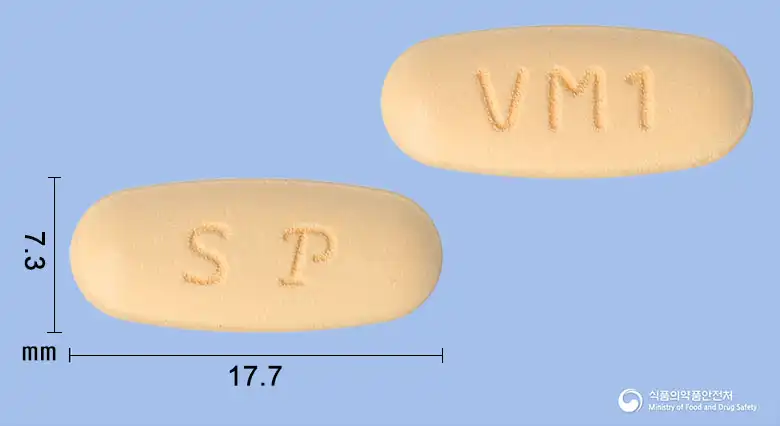 Combination
Vildagliptin 50mg · Metformin Hydrochloride 500mg
Tablet · Prescription medication · Combination
Sinphong Pharmaceutical Co., Ltd.
Even with the same ingredient, the dose and directions can differ by strength and dosage form. Talk to a doctor or pharmacist before switching from a medication you are already taking.
No questions yet.
For anything that needs medical judgment, consult a doctor or pharmacist.
This drug information is based on data provided by the Korea Ministry of Food and Drug Safety.
Consult a doctor or pharmacist for accurate dosage, administration, and usage instructions.