
 한국어
 English
 日本語
 中文(简体)
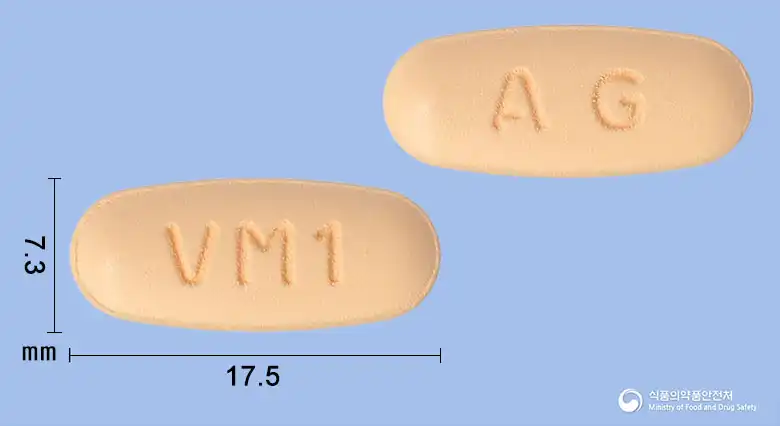 Viewing nowCombination
AviSmet Tablet 50/500 mg
Vildagliptin 50mg · Metformin Hydrochloride 500mg
Tablet · Prescription medication · Combination
Ahn-Guk Pharmaceutical Co., Ltd.
MFDS item code 202107078 · Approved 2021.10.22 · Insurance code 650205830
Improvement of blood glucose control in type 2 diabetes mellitus
This medication is used in conjunction with diet and exercise therapy to help patients with type 2 diabetes better control their blood sugar levels. Vildagliptin and Metformin work together effectively to lower blood glucose levels. This stabilizes blood sugar fluctuations and aids in diabetes management. It contributes to preventing complications by improving blood sugar management for the patient. Therefore, this medication is used to enhance blood sugar control in patients with type 2 diabetes.
For the treatment of patients with type 2 diabetes mellitus, the dose of this medicine should be individualized based on efficacy and tolerability, without exceeding vildagliptin 100mg and metformin 2000mg. Vildagliptin doses greater than 100mg per day are not recommended. This medicine should generally be taken with food or immediately after a meal to reduce gastrointestinal adverse reactions caused by metformin. 1. Patients who have not previously received antidiabetic drug therapy and whose blood glucose is inadequately controlled with monotherapy: The initial dose is 1 tablet of this medicine 50/500mg once daily. The dose may be gradually increased to 1 tablet of 50/1000mg twice daily. 2. Patients switching from combination therapy with vildagliptin and metformin: Patients switching from combination therapy with vildagliptin and metformin to this medicine may start at their existing doses of vildagliptin and metformin. Studies have not been conducted to evaluate the safety and efficacy of switching from other oral hypoglycemic agents to this medicine. Any change in treatment for type 2 diabetes mellitus may affect blood glucose control; use caution and ensure appropriate monitoring. If you miss a dose of this medicine, take it with your next meal unless it is already time for your next dose. Do not take a double dose at one time to make up for a missed dose. Patients with hepatic impairment This medicine is not recommended for patients with clinical or laboratory evidence of hepatic impairment, including patients whose ALT or AST levels exceed 2.5 times the upper limit of normal before starting treatment.
This medication may cause severe lactic acidosis or hypoglycemia; therefore, it should not be administered to patients with moderately severe or worse renal impairment, those with heart failure, or patients with acute heart disease. Before undergoing tests using radiographic iodine contrast agents, this medication should be discontinued at least 48 hours prior to the examination and should only be resumed after confirming normal kidney function post-examination. Patients with hypersensitivity to this medication, as well as those with type 1 diabetes, diabetic ketoacidosis, severe infections, or significant liver or lung dysfunction, should not use this medication. It is recommended that this medication not be used in pregnant or nursing women. When there are irregular meals, intense exercise, or drug interactions, caution should be taken to avoid the risks of lactic acidosis and hypoglycemia. During the use of this medication, side effects such as headaches, dizziness, nausea, and hypoglycemia may occur; if symptoms are severe, consult a doctor immediately. Liver function abnormalities may occur, so it is important to conduct liver function tests before taking this medication and regularly monitor liver function during use. If renal function is impaired, the risk of lactic acidosis increases due to the accumulation of this medication, so regular kidney function tests should be performed, and the medication should be discontinued if kidney function worsens. This medication does not replace insulin treatment and should not be used for patients with type 1 diabetes. In case of overdose, seek medical attention immediately, and blood dialysis may be beneficial. Alcohol consumption may increase the risk of lactic acidosis, so it is advisable to avoid drinking while on this medication. Elderly patients often have decreased renal function, so kidney function should be tested frequently when taking this medication, and dosage adjustments may be necessary. The safety and efficacy of this medication have not been established in children and adolescents, so its use is not recommended. If bullous skin lesions or severe joint pain occur, consult a doctor immediately, and consideration should be given to discontinuing the medication should these symptoms arise. Regular monitoring of blood sugar levels is necessary during treatment, and appropriate actions should be taken if blood sugar levels fall too low.
Severe lactic acidosis, hypoglycemia, hepatitis, abnormal liver function, elevated transaminase levels, angioedema, tremors, headache, dizziness, fatigue, nausea, gastroesophageal reflux, diarrhea, bloating, chills, decreased blood glucose, weakness, hyperhidrosis, constipation, arthralgia, upper respiratory tract infection, nasopharyngitis, peripheral edema, nausea, vomiting, diarrhea, abdominal pain, decreased appetite, taste disorder, erythema, pruritus, urticaria, pancreatitis, blisters, desquamative skin lesions, severe and disability-associated arthralgia, cutaneous vasculitis, cholecystitis, indigestion, abdominal discomfort, gastrointestinal abnormalities, increased serum amylase, increased lipase, blistering dermatitis herpetiformis, myalgia, abnormal sensation, fever, edema, increased creatine phosphokinase, increased C-reactive protein, elevated myoglobin levels, skin lesions, loose stools, mucoid stools, bloody stools
Not everyone experiences these, and they can vary from person to person.
This medication is sensitive to air and moisture, so it should be stored in a tightly sealed container. It is best to maintain a storage temperature between 1 and 30 degrees Celsius at room temperature. Proper storage maintains the effectiveness of the medication and prevents degradation.
Bright yellow oval film-coated tablet
30 tablets/PTP [10 tablets/PTP packaging x 3]
Even with the same ingredient, strength, dosage form and how it is taken can differ.
Viewing nowCombinationVildagliptin 50mg · Metformin Hydrochloride 500mg
Tablet · Prescription medication · Combination
Ahn-Guk Pharmaceutical Co., Ltd.
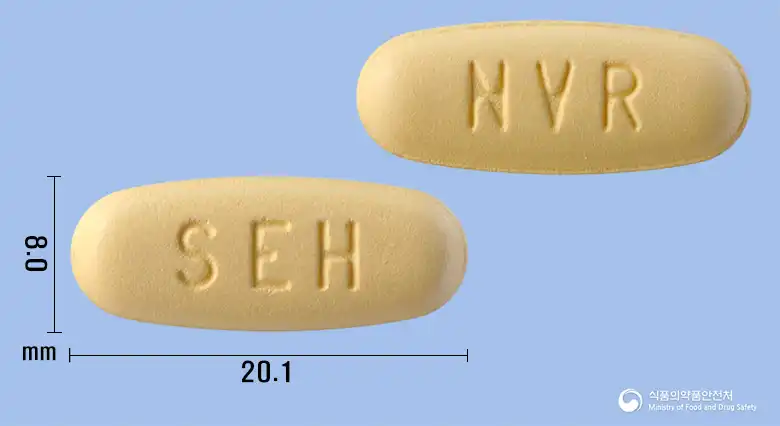 Combination
Vildagliptin 50mg · Metformin Hydrochloride 850mg
Tablet · Prescription medication · Combination
Korea Novartis Co., Ltd.
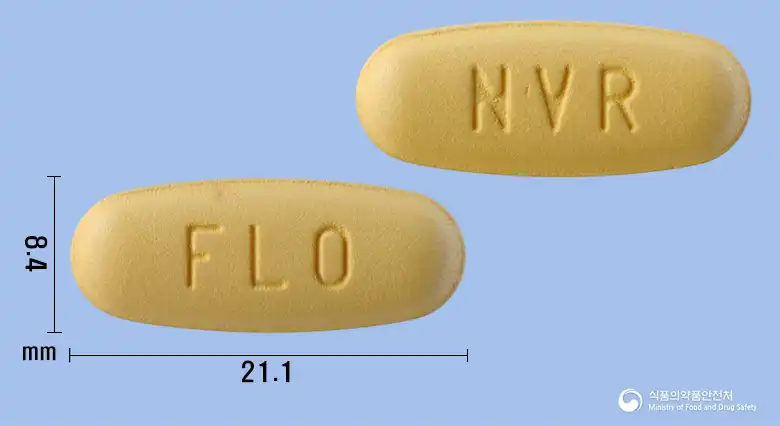 Combination
Vildagliptin 50mg · Metformin Hydrochloride 1000mg
Tablet · Prescription medication · Combination
Novartis Korea Co., Ltd.
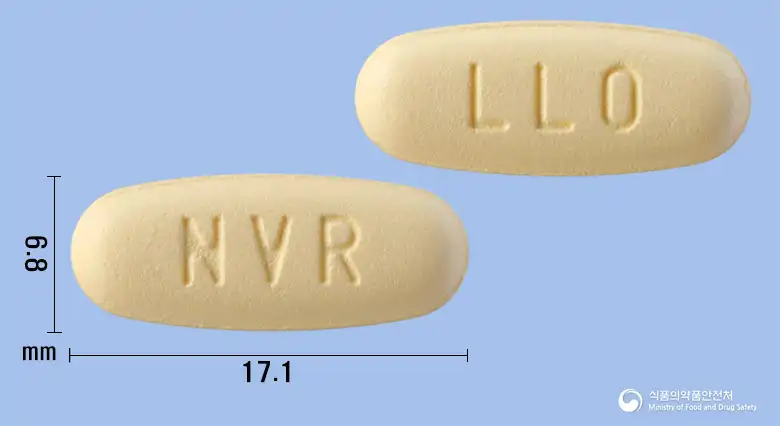 Combination
Vildagliptin 50mg · Metformin Hydrochloride 500mg
Tablet · Prescription medication · Combination
Novartis Korea Co., Ltd.
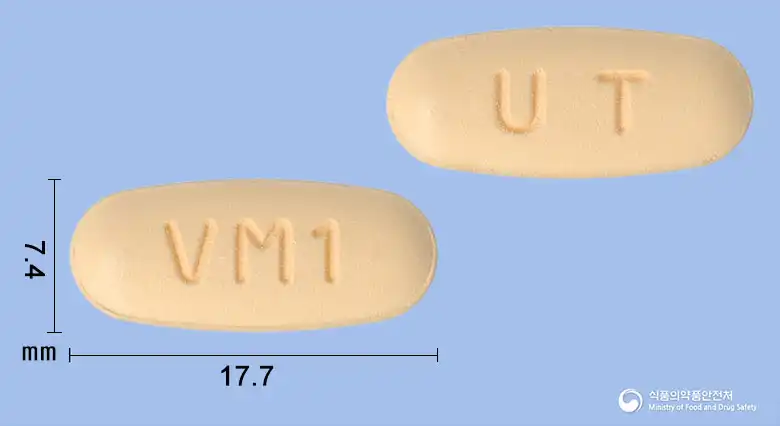 Combination
Vildagliptin 50mg · Metformin Hydrochloride 500mg
Tablet · Prescription medication · Combination
Korea United Pharm, Co., Ltd.
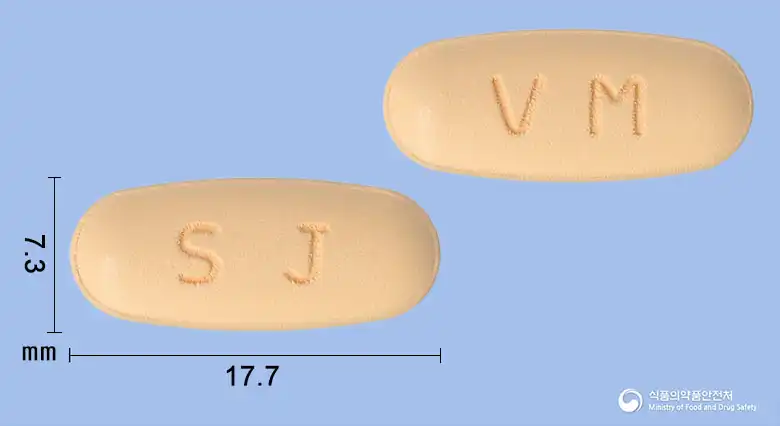 Combination
Vildagliptin 50mg · Metformin Hydrochloride 500mg
Tablet · Prescription medication · Combination
Samjin Pharmaceutical Co., Ltd.
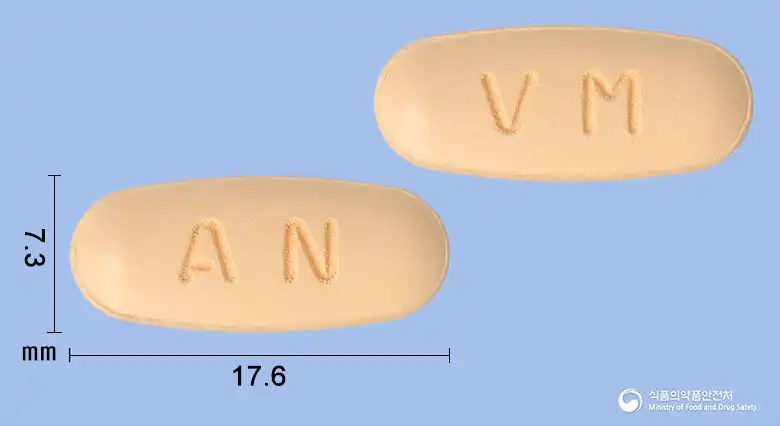 Combination
Vildagliptin 50mg · Metformin Hydrochloride 500mg
Tablet · Prescription medication · Combination
AhnGuk NewPharm Co., Ltd.
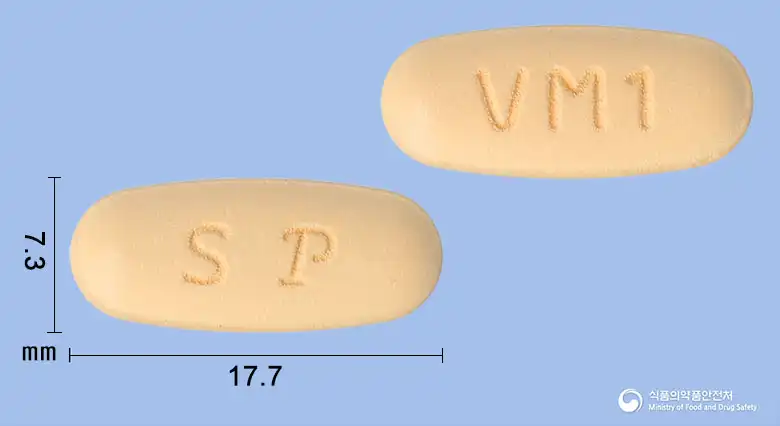 Combination
Vildagliptin 50mg · Metformin Hydrochloride 500mg
Tablet · Prescription medication · Combination
Sinphong Pharmaceutical Co., Ltd.
Even with the same ingredient, the dose and directions can differ by strength and dosage form. Talk to a doctor or pharmacist before switching from a medication you are already taking.
No questions yet.
For anything that needs medical judgment, consult a doctor or pharmacist.
This drug information is based on data provided by the Korea Ministry of Food and Drug Safety.
Consult a doctor or pharmacist for accurate dosage, administration, and usage instructions.