
 한국어
 English
 日本語
 中文(简体)
 Viewing now
Keshil Acid 500 Mg (Doberic Acid Calcium Hydrate)
Dobesilate Calcium Hydrate 500mg
Tablet · Prescription medication
NBK Pharmaceutical Co., Ltd.
MFDS item code 202106932 · Approved 2021.10.14 · Insurance code 054801610
Treatment of vascular disorders (including diabetic retinopathy), venous disorders (including edema), and hemorrhoids
This drug is used for vascular damage with increased rupture and permeability disorders, microangiopathy and retinopathy caused by diabetes, venous insufficiency, post-thrombotic syndrome, peripheral congestive edema, and treatment of hemorrhoids.
Adults: Administer the following doses of calcium dobesilate hydrate orally. 1. Vascular damage and retinopathy: 500~1000mg per day 2. Venous disease: Administer 750mg per day for 1~3 weeks, then administer 500mg per day. Administer after meals with plenty of fluids. Adjust the dose as appropriate according to age and symptoms.
This drug contains Doberic Acid Calcium Hydrate as its main ingredient and is used for the treatment of various diseases. First, this drug should not be used by individuals who are allergic to Doberic Acid Calcium Hydrate or any of the other ingredients in this drug. Women who are pregnant or breastfeeding should also not take this drug. In addition, since it contains lactose, patients with genetic lactose intolerance, lactose enzyme deficiency, or glucose-galactose malabsorption should not take this drug. Patients with impaired kidney function should use this drug cautiously. In particular, patients with severe kidney failure requiring dialysis may need dosage reduction. Patients with compromised liver function also require caution when taking this drug, and if liver enzyme levels rise, the effectiveness of treatment should be re-evaluated. This drug contains sodium sulfite, which may cause allergic reactions in some individuals. In particular, asthmatic patients are more sensitive to sulfites, which increases the risk of asthma attacks. During treatment, symptoms such as headache, abdominal pain, nausea, diarrhea, vomiting, joint pain, and muscle pain may commonly occur. An increase in liver enzyme levels indicating liver dysfunction may also occur. If allergic symptoms such as skin rash, itching, hives, or facial swelling appear, the medication should be stopped immediately. Very rarely, a serious blood condition known as agranulocytosis may develop, which can present with high fever or symptoms of infection, so if these symptoms occur, consult a doctor immediately. Moreover, this drug can cause serious adverse reactions such as anaphylactic shock, so if an allergic reaction is suspected, discontinue use immediately and notify healthcare professionals. No specific interactions with other drugs are known, but it should be informed to the healthcare professionals before the examination, as creatinine levels may appear lower than they actually are during blood tests. Before taking this drug, necessary tests including blood tests should be conducted to use it safely.
Not everyone experiences these, and they can vary from person to person.
This drug is sensitive to light and should be stored in a tightly closed container that blocks light. It is important to keep the storage temperature between 1 and 30 degrees Celsius at room temperature. This way, the effectiveness of the drug can be safely maintained for a long time.
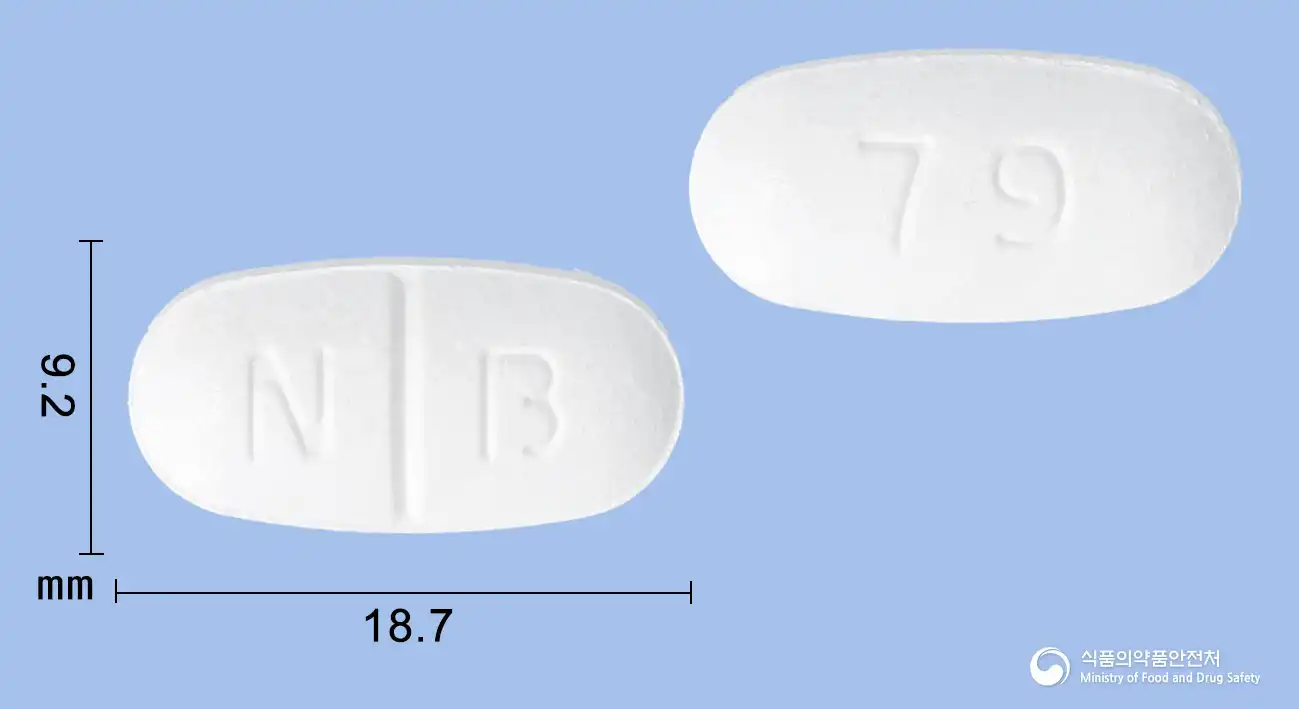
White rectangular tablet
Bottle - 10 tablets/bottle, Bottle - 30 tablets/bottle, Bottle - 90 tablets/bottle, Bottle - 300 tablets/bottle
Even with the same ingredient, strength, dosage form and how it is taken can differ.
Viewing nowDobesilate Calcium Hydrate 500mg
Tablet · Prescription medication
NBK Pharmaceutical Co., Ltd.
Dobesilate Calcium Hydrate 250mg
Tablet · Prescription medication
Ilseong IS Co., Ltd.
Dobesilate Calcium Hydrate 250mg
Tablet · Prescription medication
Youngil Pharmaceutical Co., Ltd.
Dobesilate Calcium Hydrate 250mg
Tablet · Prescription medication
Samchundang Pharmaceutical Co., Ltd.
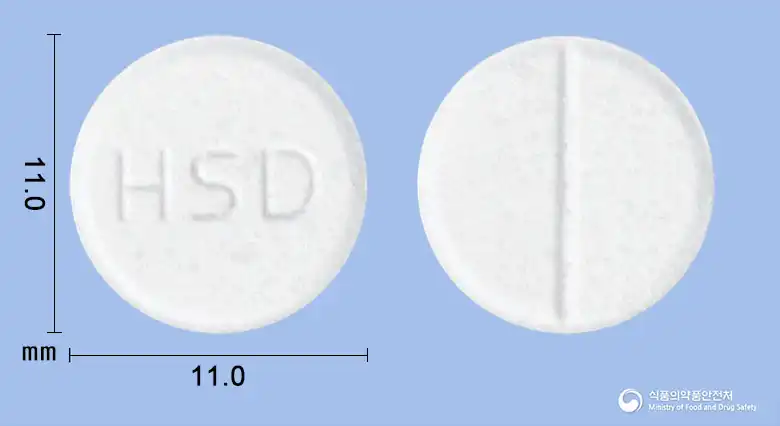
Dobesilate Calcium Hydrate 250mg
Tablet · Prescription medication
JW Pharmaceutical Co., Ltd.
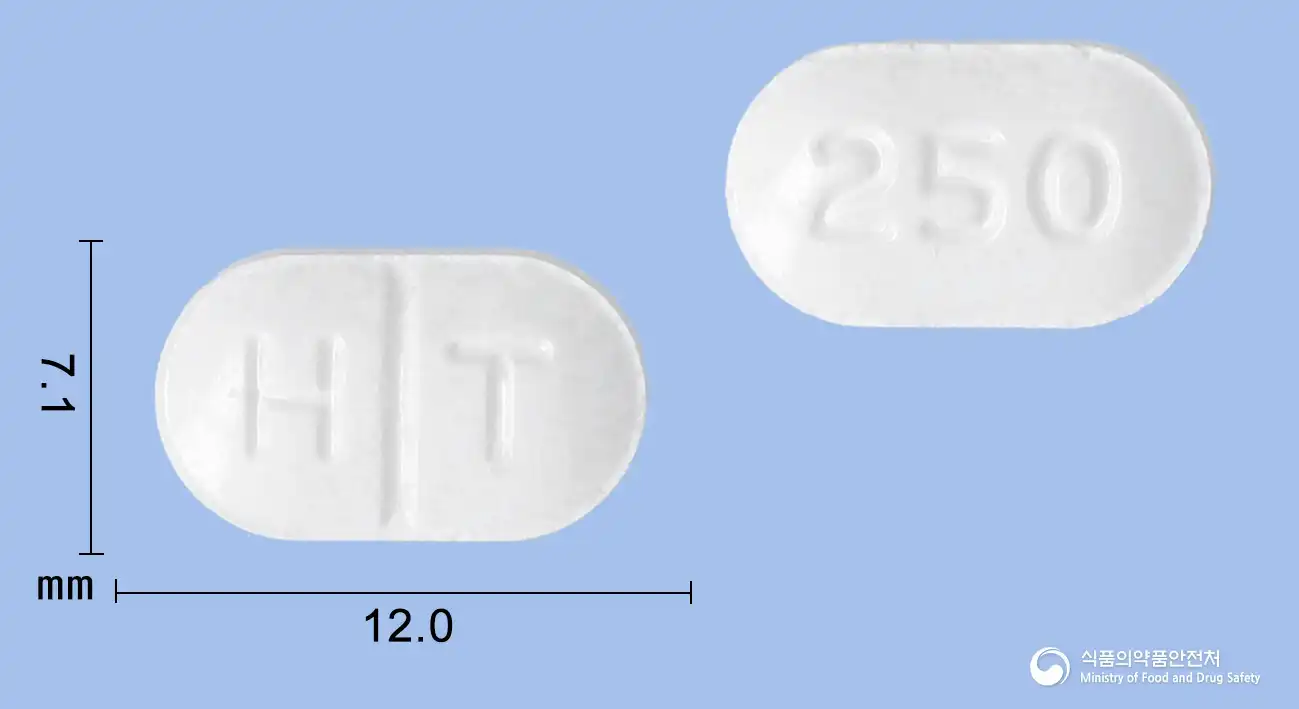
Dobesilate Calcium Hydrate 250mg
Tablet · Prescription medication
Korea Hutex Pharmaceutical Co., Ltd.
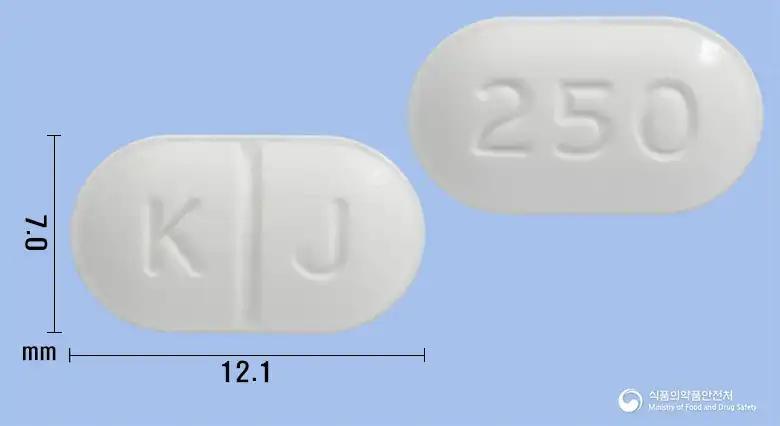
Dobesilate Calcium Hydrate 250mg
Tablet · Prescription medication
International Pharmaceutical Co., Ltd.
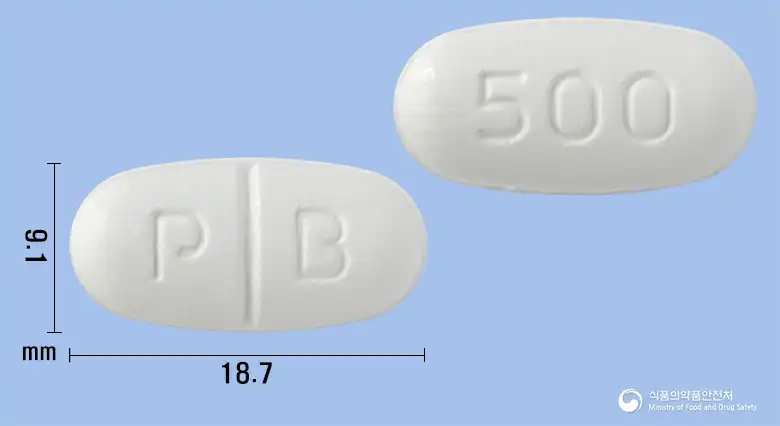
Dobesilate Calcium Hydrate 500mg
Tablet · Prescription medication
Korea Pharma Bio Co., Ltd.
Even with the same ingredient, the dose and directions can differ by strength and dosage form. Talk to a doctor or pharmacist before switching from a medication you are already taking.
No questions yet.
For anything that needs medical judgment, consult a doctor or pharmacist.
This drug information is based on data provided by the Korea Ministry of Food and Drug Safety.
Consult a doctor or pharmacist for accurate dosage, administration, and usage instructions.