
 한국어
한국어 English
 日本語
日本語 中文(简体)
Dosage form image
Viewing nowCombinationIlYang Dapagliflozin Extended-Release Tablet 10/1000 mg
Dapagliflozin citric acid 14.7mg · Metformin Hydrochloride 1000mg
Tablet · Prescription medication · Combination
IlYang Pharmaceutical Co., Ltd.
MFDS item code 202106876 · Approved 2021.10.12
Effectiveness in blood sugar control for type 2 diabetes and prevention of cardiovascular events
This medication helps adult patients with type 2 diabetes to control their blood sugar when used in combination with dapagliflozin and metformin. It can effectively manage blood sugar when used alongside dietary and exercise therapies. Especially for patients with cardiovascular diseases or risk factors, it is advisable to refer to expert information regarding the impact of dapagliflozin on the occurrence of cardiovascular events. This medication is used to improve blood sugar control in patients with type 2 diabetes.
The dosage of this medication should be individualized based on the patient's current treatment regimen, efficacy, and tolerance, while not exceeding the maximum recommended doses of 10 mg dapagliflozin and 2000 mg extended-release metformin. Typically, it is administered once daily with the evening meal. The maximum dose is 10 mg dapagliflozin / 2000 mg extended-release metformin taken once daily, dosed as two tablets of 5 mg/1000 mg. For patients with a history of diabetes treatment: If you have not previously been treated with diabetes medications and find it difficult to achieve adequate blood sugar control with monotherapy, the recommended starting dose for this medication when used as initial therapy is one tablet once a day of either 5 mg/500 mg or 10 mg/500 mg. To reduce gastrointestinal side effects associated with metformin, dosage should be adjusted gradually. For patients being treated with metformin, the recommended dose of dapagliflozin is 10 mg once daily, and the dosage of this medication should provide the dose of metformin that was being taken or a therapeutically appropriate close dose. During the conversion from immediate-release metformin to extended-release preparations, blood sugar control should be closely monitored, and dosage adjustments should be made appropriately. For patients switching from other diabetes medications to this medication, the dosage may be initiated based on the previously established doses of dapagliflozin and metformin. During conversion from immediate-release metformin to extended-release preparations, blood sugar control should be closely monitored, and dosage adjustments should be made appropriately. When using this medication in combination with insulin or sulfonylureas, which stimulate insulin secretion, lower doses of insulin or insulin secretagogues should be considered to reduce the risk of hypoglycemia. The safety and efficacy of this medication in patients switching from other hypoglycemic agents have not been specifically evaluated. Any changes in treatment for type 2 diabetes can lead to changes in blood sugar control, so all changes should be made under careful monitoring. This medication should be swallowed whole and should never be crushed, cut, or chewed. Occasionally, inactive ingredients of this medication may be eliminated in the form of soft hydrated materials resembling the tablet through stool. Renal impairment Dose adjustments are not necessary for patients with mild renal impairment. For patients whose estimated glomerular filtration rate (eGFR) is between 45 mL/min/1.73 m2 and 60 mL/min/1.73 m2 and who do not present symptoms that would increase the risk of lactic acidosis, the starting dose of metformin hydrochloride, a component of this medication, is 500 mg once daily, with a maximum daily dose of 1000 mg. Administration of this medication is not recommended for patients with an eGFR of less than 45 mL/min/1.73m2. If the eGFR decreases to below 45 mL/min/1.73 m2, administration of this medication should be discontinued immediately. Kidney function should be assessed every 3 to 6 months. Elderly Metformin is excreted through the kidneys, and the elderly are more likely to have decreased kidney function; thus, this medication should be used with caution as age increases (see precautions for use, section 9, regarding dosing in elderly patients).
This medication is used for the treatment of diabetes and helps in controlling blood sugar levels. It may rarely cause a serious condition called lactic acidosis, so caution is needed. Be careful as hypoglycemic symptoms may appear when taken with other diabetes medications. Individuals allergic to any component or additives of this medication should not take it. Patients with moderate to severe renal impairment, dehydration, severe infections, or heart problems should not take this medication. Pregnant or breastfeeding women should also avoid using this medication. This medication should be discontinued for a period before and after surgery, and its use should be resumed only after confirming that kidney function is normal post-surgery. Elderly patients or those with weakened kidney function should closely monitor kidney function before and during the use of this medication, and be aware of symptoms of hypotension or fluid loss. This medication may cause a reduction in body fluid or blood pressure, so if such symptoms occur, immediate consultation with healthcare professionals is advised. Genital and urinary tract infections may occur, so swift treatment should be sought if any signs of infection appear. This medication may lower vitamin B12 levels, so regular periodic testing of vitamin B12 levels is recommended during extended use. Excessive alcohol should be avoided as alcohol may increase the risk of side effects from this medication. Hypoglycemic symptoms may occur, so especially when taking with other hypoglycemic agents, blood sugar levels should be closely monitored. This medication does not significantly impact driving or operating machinery, but caution is advised as symptoms like dizziness may occur. Keep out of reach of children and store in the original container to prevent deterioration in quality.
Vulvovaginitis, glans inflammation and related genital infections, urinary tract infections, fungal infections, hypoglycemia, thirst, dizziness, constipation, dry mouth, back pain, dysuria, polyuria, nocturia, vulvar itching, genital itching, dyslipidemia, increased creatinine levels, increased urea levels, weight loss, headache, paresthesia, tremor, abdominal pain, dyspepsia, abdominal discomfort, diarrhea, abdominal pain, irritable bowel syndrome, salivary gland swelling, toothache, drowsiness
Not everyone experiences these, and they can vary from person to person.
Store this medication in a tightly sealed container to protect it from air and moisture, and keep it at room temperature between 1 to 30 degrees Celsius. Proper storage will maintain the effectiveness of the medication and prevent degradation.
Yellow, double-sided, convex, oval film-coated tablet
30 tablets/bottle
Even with the same ingredient, strength, dosage form and how it is taken can differ.
Dapagliflozin citric acid 14.7mg · Metformin Hydrochloride 1000mg
Tablet · Prescription medication · Combination
IlYang Pharmaceutical Co., Ltd.
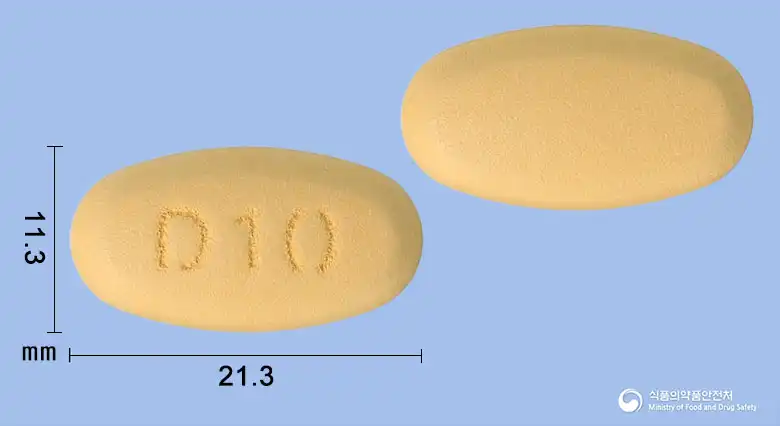 Combination
Dapagliflozin citric acid 14.7mg · Metformin Hydrochloride 1000mg
Tablet · Prescription medication · Combination
HK Inno.N Co., Ltd.
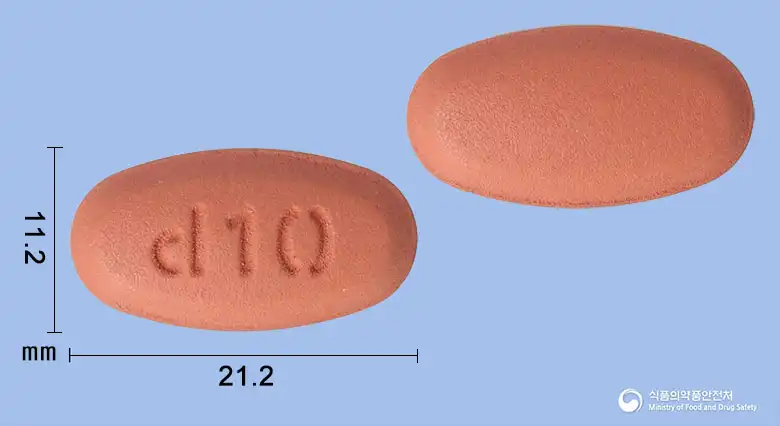 Combination
Dapagliflozin citric acid 7.35mg · Metformin Hydrochloride 1000mg
Tablet · Prescription medication · Combination
HK inno.N Co., Ltd.
Dapagliflozin citric acid 14.7mg · Metformin Hydrochloride 1000mg
Tablet · Prescription medication · Combination
Poonglim Pharmaceutical Co., Ltd.
Dapagliflozin citric acid 7.35mg · Metformin Hydrochloride 1000mg
Tablet · Prescription medication · Combination
Punglim Muhak Co., Ltd.
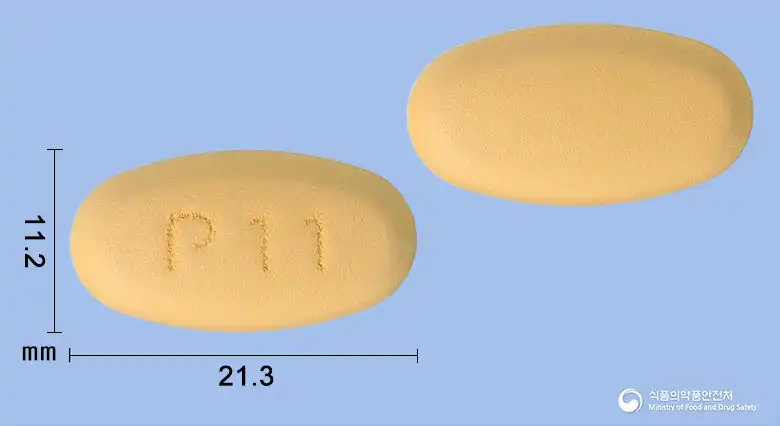 Combination
Dapagliflozin citric acid 14.7mg · Metformin Hydrochloride 1000mg
Tablet · Prescription medication · Combination
Korea Prime Pharmaceutical Co., Ltd.
Dapagliflozin citric acid 7.35mg · Metformin Hydrochloride 1000mg
Tablet · Prescription medication · Combination
Korea Prime Pharmaceutical Co., Ltd.
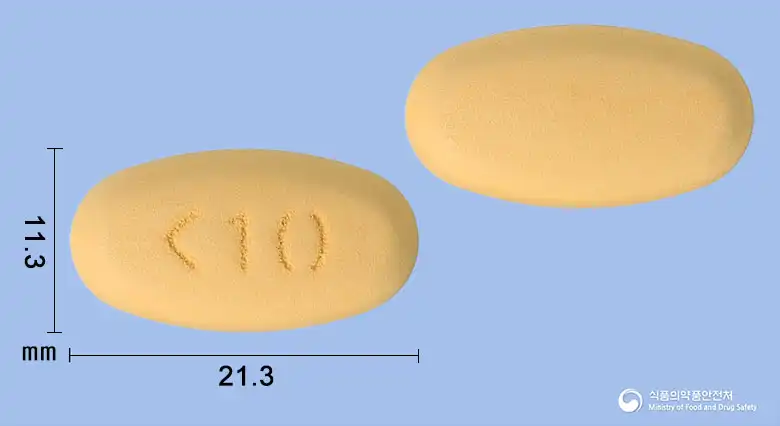 Combination
Dapagliflozin citric acid 14.7mg · Metformin Hydrochloride 1000mg
Tablet · Prescription medication · Combination
KS Pharm Co., Ltd.
Even with the same ingredient, the dose and directions can differ by strength and dosage form. Talk to a doctor or pharmacist before switching from a medication you are already taking.
No questions yet.
For anything that needs medical judgment, consult a doctor or pharmacist.
This drug information is based on data provided by the Korea Ministry of Food and Drug Safety.
Consult a doctor or pharmacist for accurate dosage, administration, and usage instructions.