
 한국어
한국어 English
 日本語
日本語 中文(简体)
Dosage form image
Viewing nowRamoone Injection 0.3 mg (Vial) (Ramosetron Hydrochloride)
Ramosetron Hydrochloride 0.15mg
Injections · Prescription medication
Dongkwang Pharmaceutical Co., Ltd.
MFDS item code 202106796 · Approved 2021.10.07 · Insurance code 645907261
Anti-cancer and prevention of nausea and vomiting after surgery.
This medication is used to prevent nausea and vomiting that may occur during chemotherapy. It also helps to prevent nausea and vomiting after surgery, allowing patients to recover more comfortably. Thanks to this effect, it reduces discomfort during the treatment process and greatly aids in health management. Therefore, this medication is used for preventing nausea and vomiting due to chemotherapy and after surgery.
Adults: Administer 0.3 mg of ramosetron hydrochloride once daily intravenously. If the effect is insufficient, the same dose may be given additionally. However, do not exceed 0.6 mg in a single day. Adjust dosage appropriately based on symptoms.
This medication should not be used in patients who have hypersensitivity to this drug or any of its other ingredients. Patients taking other serotonergic drugs, such as selective serotonin reuptake inhibitors (SSRIs) or serotonin-norepinephrine reuptake inhibitors (SNRIs), should use this medication with caution. Serious allergic reactions such as shock or anaphylaxis may occur while using this medication; if such symptoms appear, administration should be immediately stopped and appropriate treatment sought. Additionally, as seizures similar to epilepsy have been reported, caution is advised in patients with a history of epilepsy. Headache, diarrhea, hepatic dysfunction, itching, rash, and various side effects may occur; if any abnormal symptoms arise, consultation with a healthcare professional is necessary. This medication is primarily used in patients receiving strong anti-cancer agents that induce severe nausea and vomiting, and careful monitoring is required when used with other serotonergic drugs due to the risk of serotonin syndrome. Since this medication is metabolized in the liver, it can increase blood concentration and the risk of side effects when used in conjunction with certain drugs; be sure to inform healthcare providers of any concurrent medications. Pregnant women or those who may become pregnant should only use this medication if the benefit is deemed greater than the risk, and nursing mothers are advised to cease breastfeeding during use. Safety in children has not been adequately established, so caution should be exercised when using in pediatric patients. Elderly patients may have diminished physiological function, so administration should be closely monitored, and should adverse reactions occur, administration should be immediately stopped. This medication may undergo chemical changes when mixed with certain injectables; thus, it is recommended not to use it in conjunction with specific injectable solutions. Lastly, animal studies have reported impacts on fetal growth; therefore, particular caution is warranted when used during pregnancy.
Shock, symptoms similar to anaphylaxis (chest discomfort, difficulty breathing, asthma), seizure-like episodes
Headache, feeling of heaviness, diarrhea, constipation, increased BUN, elevated serum creatinine, liver dysfunction (AST elevation, ALT elevation, r-GTP elevation, bilirubin elevation), feeling of warmth, hiccups, warmth in the head, tingling of the tongue, rash, itching, redness, insomnia, rash
Not everyone experiences these, and they can vary from person to person.
This medication should be stored in a container protected from light and kept at room temperature between 1 to 30 degrees Celsius. Storing it this way helps maintain the efficacy of the drug.
A colorless clear liquid in a brown vial.
10 vials/box [(2 mL/vial)]
Even with the same ingredient, strength, dosage form and how it is taken can differ.
Ramosetron Hydrochloride 0.15mg
Injections · Prescription medication
Dongkwang Pharmaceutical Co., Ltd.
Ramosetron Hydrochloride 0.3mg
Prescription medication
HanKook Daiichi Sankyo Co., Ltd.
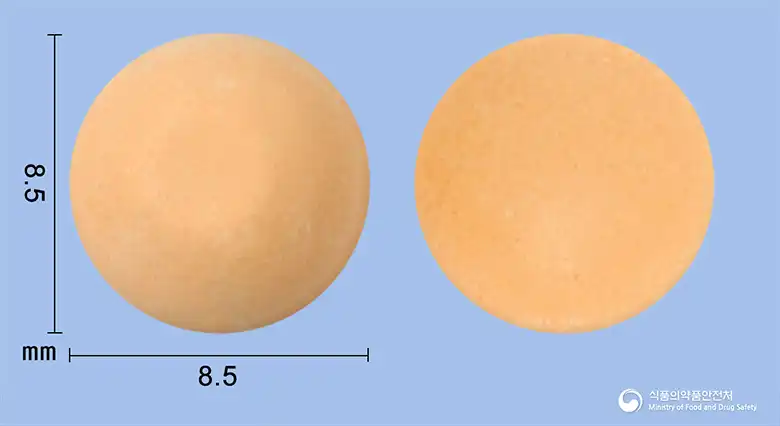
Ramosetron Hydrochloride 0.1mg
Orally disintegrating Tablet · Prescription medication
Korea Daiichi Sankyo Co., Ltd.
Ramosetron Hydrochloride 5μg
Tablet · Prescription medication
Korea Astellas Pharma Co., Ltd.
Ramosetron Hydrochloride 2.5μg
Tablet · Prescription medication
Korea Astellas Pharma Co., Ltd.
Ramosetron Hydrochloride 0.3mg
Injections · Prescription medication
Hana Pharmaceutical Co., Ltd.
Ramosetron Hydrochloride 0.15mg
Injections · Prescription medication
Boryung (Co., Ltd.)
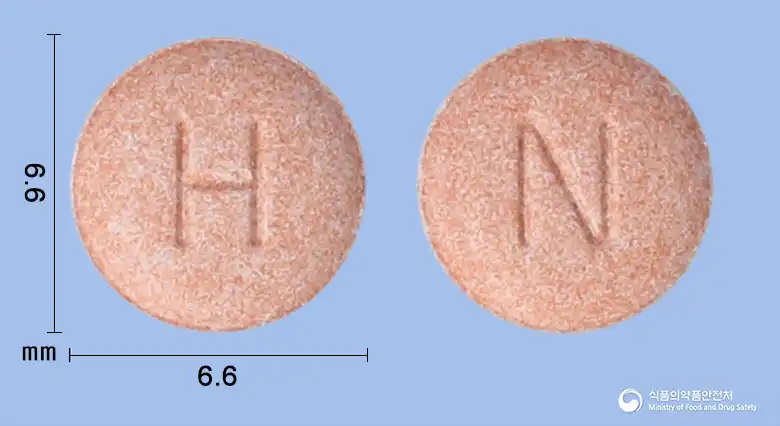
Ramosetron Hydrochloride 0.1mg
Orally disintegrating Tablet · Prescription medication
Hana Pharmaceutical Co., Ltd.
Even with the same ingredient, the dose and directions can differ by strength and dosage form. Talk to a doctor or pharmacist before switching from a medication you are already taking.
No questions yet.
For anything that needs medical judgment, consult a doctor or pharmacist.
This drug information is based on data provided by the Korea Ministry of Food and Drug Safety.
Consult a doctor or pharmacist for accurate dosage, administration, and usage instructions.