
 한국어
한국어 English
 日本語
日本語 中文(简体)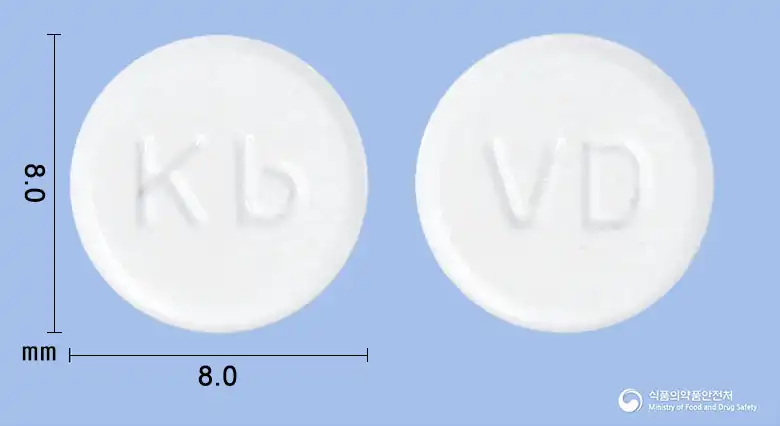
Summary
- Main use
- Improvement of blood sugar control in type 2 diabetes
- Who takes it
- Adults
- Adult dose
- This medication may be given as monotherapy or in combination with metformin as 50mg once daily in the morning, or split as 100mg twice daily (50mg each) in the morning and evening. When combined with metformin or thiazolidinedione, the recommended dosage is 100mg once daily in the morning, split as 50mg twice daily (morning and evening). When combined with sulfonylurea, the recommended dosage is 50mg once daily in the morning.
Ingredients
- Manufacturer
- (주)경보제약
Efficacy & effects
Improvement of blood sugar control in type 2 diabetes
- Problems with blood sugar control in patients with type 2 diabetes
View approved original textHide original text
This drug is used to assist patients with type 2 diabetes in controlling their blood sugar levels alongside diet and exercise therapy. It can be taken alone or in combination with other diabetes medications, helping to effectively manage blood sugar levels and improve health.
How to take
Adult dose
This medication may be given as monotherapy or in combination with metformin as 50mg once daily in the morning, or split as 100mg twice daily (50mg each) in the morning and evening. When combined with metformin or thiazolidinedione, the recommended dosage is 100mg once daily in the morning, split as 50mg twice daily (morning and evening). When combined with sulfonylurea, the recommended dosage is 50mg once daily in the morning.
Precautions
This drug should not be used in certain patients. For example, patients allergic to this drug's active ingredient or other components, type 1 diabetes patients, or patients with diabetic ketoacidosis should not be administered this drug. Furthermore, patients with a genetic disorder that prevents the breakdown of lactose should also avoid taking this drug. While using this drug, liver dysfunction or hepatitis may occur rarely, so regular liver function tests should be performed before and during administration. If liver function levels significantly deviate from the normal range or jaundice symptoms appear, the medication should be discontinued immediately. This drug can cause hypoglycemia, especially when taken in combination with insulin secretagogues such as sulfonylureas. Therefore, when used in combination, hypoglycemic symptoms should be carefully monitored, and the dosage of the insulin secretagogue may need to be adjusted accordingly. Some patients with heart failure need to be cautious when using this drug, especially those with severe heart failure, for whom it is not recommended. If any abnormal symptoms like blisters or ulcers appear on the skin while taking this medication, you should inform your healthcare provider immediately, and also discontinue use and go to the hospital if acute pancreatitis symptoms are suspected. Due to the possibility of symptoms like dizziness, caution should be taken when driving or operating machinery. Pregnant or breastfeeding women should avoid using this drug, and it is also not recommended for children or teenagers under 18 years of age. In case of an overdose, since there are no specific antidotes, it is important to receive appropriate treatment based on symptoms. This drug should be kept out of the reach of children, and it is advisable to avoid transferring it to other containers.
Side effects and when to seek care immediately
Serious side effects
- Urticaria
- angioedema
- hepatitis
- jaundice
- blisters
- exfoliative dermatitis
- bullous pemphigoid
- acute pancreatitis
- severe allergic reactions
- skin adverse reactions
Show 19 moreCollapse
- severe edema
- dyspnea
- severe neurological symptoms
- heart failure
- acute myocardial infarction
- nodular arrhythmia
- acute cholecystitis
- pneumothorax
- cholelithiasis
- femoral fracture
- peripheral artery disease
- supraventricular tachycardia
- congestive heart failure
- gastric ulcer
- gastric cancer
- increased INR
- appendicitis
- pulmonary edema
- vertigo
Mild side effects
- Tremors
- headache
- dizziness
- fatigue
- nausea
- hypoglycemia
- constipation
- weakness
- weight gain
- gastroesophageal reflux
Show 16 moreCollapse
- diarrhea
- bloating
- chills
- hyperhidrosis
- upper respiratory infection
- rhinopharyngitis
- weakness
- arthralgia
- drowsiness
- dry mouth
- vomiting
- insomnia
- dyspepsia
- itching
- lip blisters
- hunger
Not everyone experiences these, and they can vary from person to person.
Storage
This drug may be sensitive to air and moisture, so it should be stored in a tightly sealed container. It is recommended to maintain storage temperatures between 1 degree and 30 degrees Celsius at room temperature to preserve the efficacy of the drug.
Appearance and packaging
Appearance
White to light yellow round tablet
Package unit
Bottle - 30 tablets/bottle, Bottle - 60 tablets/bottle
Questions about this medicine
No questions yet.
For anything that needs medical judgment, consult a doctor or pharmacist.