
 한국어
 English
 日本語
 中文(简体)
Dosage form image
Viewing nowItex Buspirone Tablet 10 mg (Buspirone Hydrochloride)
Buspirone Hydrochloride 10mg
Tablet · Prescription medication
Taejin Itex Co., Ltd.
MFDS item code 202106424 · Approved 2021.09.08
Treatment of anxiety disorders; short-term relief of anxiety symptoms
This medication is used to treat anxiety disorders or to temporarily relieve anxiety symptoms. It can help reduce feelings of tension and anxiety and stabilize the mind. It works effectively when symptoms are severe or when anxiety interferes with daily life. Additionally, it may help improve sleep disturbances or decreased concentration due to anxiety. For these reasons, it plays an important role in the management of anxiety disorders.
Adults: The initial dose is 5㎎ of buspirone hydrochloride orally 3 times daily. If necessary, to achieve an adequate therapeutic response, it is preferable to increase the daily dose by 5㎎ at 2-3-day intervals and administer a total daily dose of 20-30㎎ in divided doses. The total daily dose should not exceed 60㎎. Adjust the dose as appropriate according to age and symptoms.
This medication should not be used by certain patients. For example, individuals allergic to this medication or those with severely impaired liver and kidney function should not take it. Additionally, patients with epilepsy, acute glaucoma, or myasthenia gravis should also avoid this medication. This medication contains lactose, so individuals with lactose intolerance or certain genetic metabolic disorders should refrain from taking it. While taking this medication, various side effects may occur. Cardiac-related effects may include chest pain, blood pressure changes, and rarely heart disease. Neurological effects may manifest as drowsiness, dizziness, anxiety, hallucinations, and in severe cases, symptoms of psychosis. There may also be abnormal symptoms in the eyes and ears, and gastrointestinal issues such as changes in appetite or nausea can occur. It can affect the urinary reproductive system, muscles, skin, and liver function, so any unusual symptoms should be reported immediately. This medication has not yet been officially recognized as an antipsychotic, and its effects on the central nervous system can vary among patients, so caution should be exercised when driving or operating dangerous machinery. Moreover, individuals who have previously used sedatives or sleeping medications for an extended period may experience withdrawal symptoms upon sudden discontinuation, so it is best to gradually reduce the dosage. This medication can affect central dopamine receptors, which may cause restlessness or movement disorders in some patients, so monitoring is necessary. When taken with other psychiatric medications, there is a potential for drug interactions, so caution is advised, and it is not recommended to take it with alcohol. Specifically, it should never be combined with MAO inhibitors, as this can dangerously elevate blood pressure. Women who are pregnant or may become pregnant should be cautious when taking this medication, and it is advisable to avoid use during breastfeeding. The safety and efficacy in children under 18 years of age have not been established. In case of overdose, symptoms such as nausea, vomiting, and dizziness may occur, and since there is no specific antidote, appropriate treatment should be sought immediately at a hospital. During the use of this medication, inform the doctor about any medications currently being taken or alcohol consumption, and also disclose any pregnancy or breastfeeding status. Although the potential for dependence or abuse is low, patients with a history of substance abuse should be monitored carefully.
Non-specific chest pain, syncope, hypertension, hypotension, cerebrovascular diseases, congestive heart failure, myocardial infarction, cardiomyopathy, bradycardia, sleep disturbances, drowsiness, dizziness, neurosis, agitation, insomnia, depersonalization, discomfort, noise intolerance, optimism, inability to remain seated for long periods, fear, loss of motivation, disassociated response, hallucinations, suicidal thoughts, paranoia, claustrophobia, cold intolerance, confusion, language disorders, psychosis, tinnitus, sore throat, congestion, ocular congestion, itching, altered taste, altered smell, conjunctivitis, inner ear abnormalities, eye pain, photophobia, increased intraocular pressure, galactorrhea, thyroid abnormalities, abdominal distention, decreased appetite, increased appetite, salivation, irritable bowel syndrome, rectal bleeding, nausea, burning sensation of the tongue, frequent urination, urinary hesitancy, menstrual irregularities, anuria, increased libido, decreased libido, amenorrhea, pyelonephritis, enuresis, nocturnal enuresis, delayed ejaculation, erectile dysfunction, myalgia, muscle cramping, joint pain, involuntary movements, delayed reflex time, myasthenia, hyperventilation, tachypnea, pulmonary congestion, internal bleeding, edema, itching, flushing, hair loss, skin dryness, facial swelling, vesicles, ulcer, nail thickening, easy bruising, elevated ALT, elevated AST, eosinophilia, leukopenia, thrombocytopenia, motor paralysis, severe muscle rigidity, dysphagia, tachycardia, blood pressure changes, sweating, fever, leukocytosis, elevated serum CPK, myoglobinuria, renal impairment, high fever, altered consciousness, dyspnea, circulatory collapse, symptoms of dehydration, acute renal failure, weight loss, weight gain, confusion, headache, fatigue, alcohol dependence, hemorrhagic disorders, voice loss, hiccups
Not everyone experiences these, and they can vary from person to person.
This medication may be sensitive to air and moisture, so it must be stored in a tightly closed container. It is best to maintain a storage temperature between 1°C and 30°C (room temperature). This helps to preserve the medication's efficacy over time.
White oval-shaped tablet
30 tablets/bottle, 100 tablets/bottle, 500 tablets/bottle
Even with the same ingredient, strength, dosage form and how it is taken can differ.
Buspirone Hydrochloride 10mg
Tablet · Prescription medication
Taejin Itex Co., Ltd.
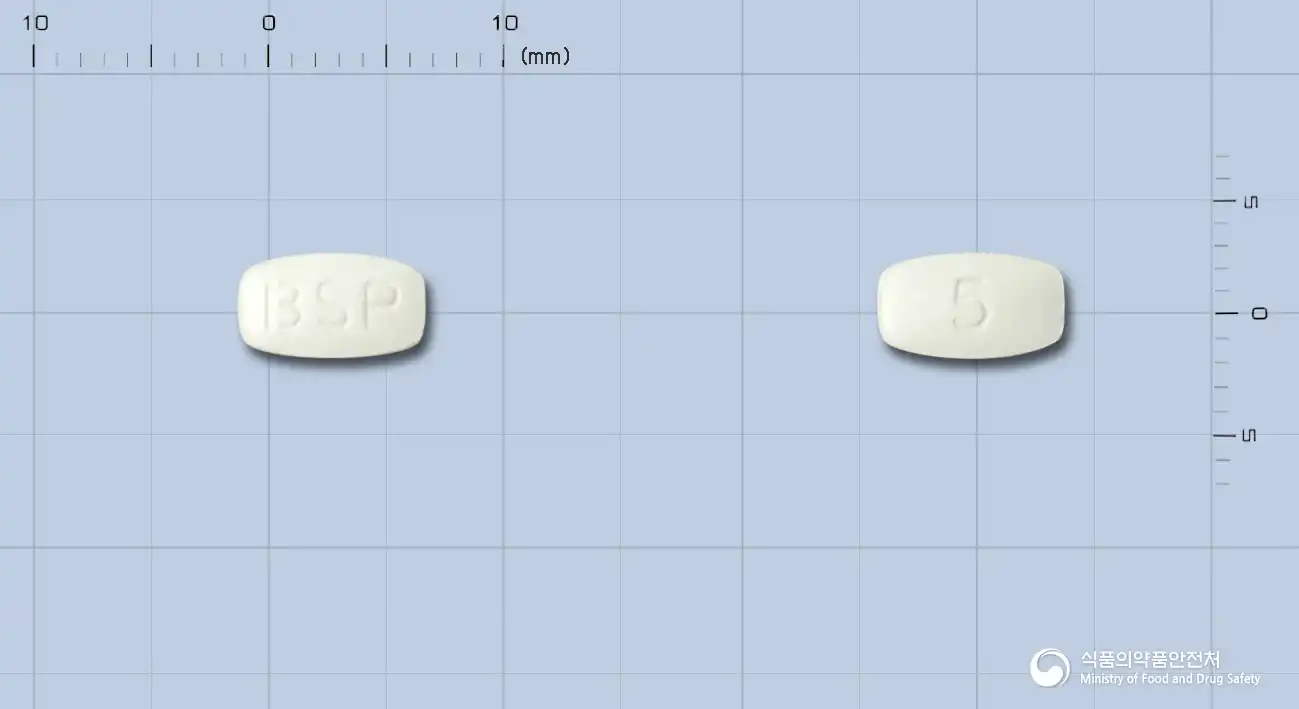
Buspirone Hydrochloride 5mg
Tablet · Prescription medication
Boryeong Co., Ltd.
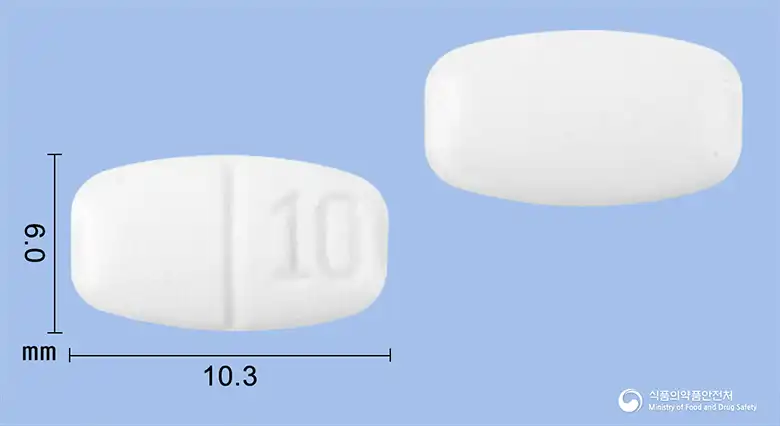
Buspirone Hydrochloride 10mg
Tablet · Prescription medication
Boryung Pharmaceutical Co., Ltd.
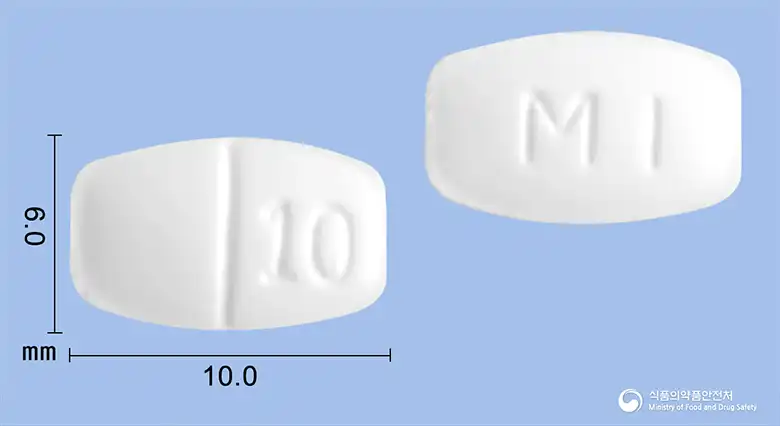
Buspirone Hydrochloride 10mg
Tablet · Prescription medication
Myongin Pharmaceutical Co., Ltd.
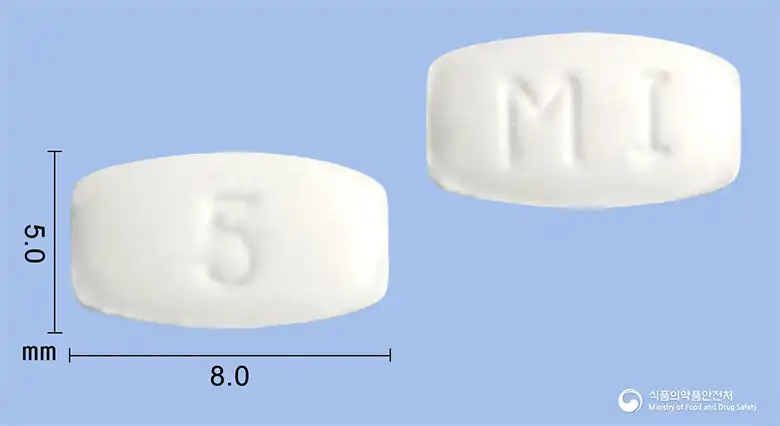
Buspirone Hydrochloride 5mg
Tablet · Prescription medication
Myungin Pharmaceutical Co., Ltd.

Buspirone Hydrochloride 5mg
Tablet · Prescription medication
HanKook Hutech Pharmaceutical Co., Ltd.
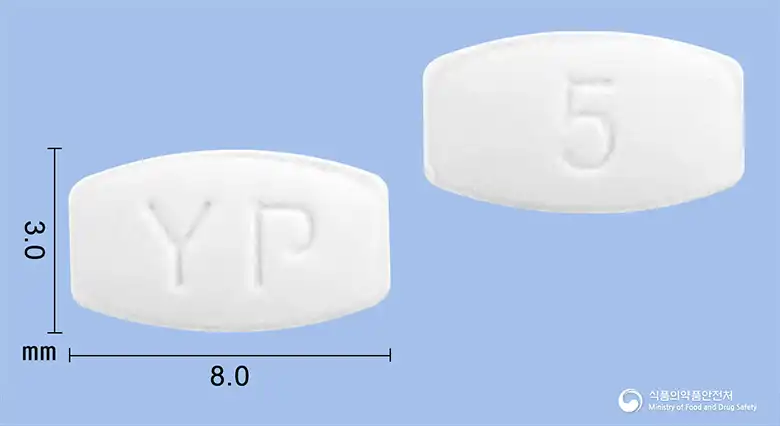
Buspirone Hydrochloride 5mg
Tablet · Prescription medication
Youngpoong Pharmaceutical Co., Ltd.
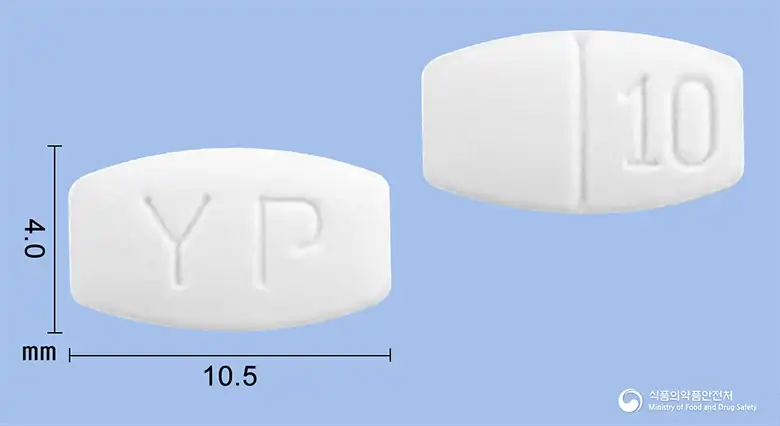
Buspirone Hydrochloride 10mg
Tablet · Prescription medication
Young Poong Pharmaceutical Co., Ltd.
Even with the same ingredient, the dose and directions can differ by strength and dosage form. Talk to a doctor or pharmacist before switching from a medication you are already taking.
No questions yet.
For anything that needs medical judgment, consult a doctor or pharmacist.
This drug information is based on data provided by the Korea Ministry of Food and Drug Safety.
Consult a doctor or pharmacist for accurate dosage, administration, and usage instructions.