
 한국어
 English
 日本語
 中文(简体)
 Viewing nowCombination
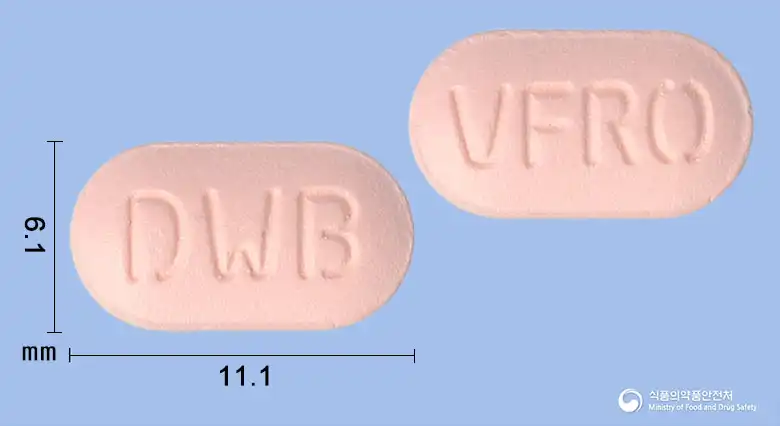
Vfogen Al Tablet 5/80/5 mg
Amlodipine Besylate 6.94mg · Valsartan 80mg +1 more
Tablet · Prescription medication · Combination
Daewoong Bio Co., Ltd.
MFDS item code 202106225 · Approved 2021.08.27 · Insurance code 694003620
Treatment of hypertension, improvement of dyslipidemia, and inhibition of arteriosclerosis progression and cardiovascular disease risk
This medication is used for patients who require simultaneous administration of Amlodipine/Valsartan combination and Rosuvastatin. The Amlodipine/Valsartan combination helps to lower blood pressure in patients with essential hypertension who have difficulty controlling blood pressure with monotherapy. Rosuvastatin improves cholesterol levels in patients with hypercholesterolemia and dyslipidemia that are not controlled by diet and exercise, and it delays the progression of atherosclerosis. Additionally, it plays a role in reducing the risk of cardiovascular diseases, lowering the risk of stroke, myocardial infarction, and arterial revascularization. This medication effectively improves cardiovascular health by managing both blood pressure and cholesterol levels simultaneously.
Take 1 tablet of this medicine once daily with water. It is recommended that it be taken at the same time each day, if possible (e.g., before breakfast). This medicine is for adults only. The dose should be individualized for each patient based on the efficacy and tolerability of the amlodipine/valsartan combination and rosuvastatin. Patients taking an amlodipine/valsartan combination and rosuvastatin as separate products may switch to this medicine (a combination product containing the same amounts of each active ingredient) for convenience. ▷ Amlodipine/valsartan combination Before administering the amlodipine/valsartan combination, it is recommended that the doses of the individual components (amlodipine or valsartan) be adjusted. However, if blood pressure is not controlled with monotherapy using the individual components, switching directly to the amlodipine/valsartan combination may be considered as follows. ㆍ5/80 milligrams: For patients whose blood pressure is not adequately controlled with amlodipine 5 milligrams or valsartan 80 milligrams as monotherapy. ㆍ5/160 milligrams: For patients whose blood pressure is not adequately controlled with amlodipine 5 milligrams or valsartan 160 milligrams as monotherapy. ㆍ10/160 milligrams: For patients whose blood pressure is not adequately controlled with amlodipine 10 milligrams or valsartan 160 milligrams as monotherapy, or with 5/160 milligrams. Patients with renal impairment: No dosage adjustment is required in patients with mild or moderate renal impairment (creatinine clearance 10mL/min or higher). Do not administer the amlodipine/valsartan combination to patients with severe renal impairment (creatinine clearance below 10mL/min) or patients on dialysis. In patients with moderate renal impairment, monitoring of potassium levels and creatinine is recommended. Patients with hepatic impairment: In patients with mild or moderate hepatic impairment, the daily dose of valsartan must not exceed 80mg. Do not administer the amlodipine/valsartan combination to patients with severe hepatic impairment, biliary cirrhosis, biliary obstruction, or cholestasis. Elderly patients aged 65 years or older: Use caution when increasing the dose. ▷ Rosuvastatin 1. Primary hypercholesterolemia (type IIa, including heterozygous familial hypercholesterolemia), mixed dyslipidemia (type IIb), primary dysbetalipoproteinemia (type III), and homozygous familial hypercholesterolemia Patients should follow a standard cholesterol-lowering diet before and during treatment with rosuvastatin and continue it throughout treatment. Rosuvastatin may be taken at any time of day, with or without food. The initial dose is 5 milligrams once daily. If a greater reduction in LDL cholesterol is required, the dose may be adjusted to a maintenance dose. Most patients are controlled with a maintenance dose of 10 milligrams once daily. The maintenance dose should be adjusted as appropriate at intervals of 4 weeks or longer according to LDL cholesterol levels, treatment goals, and patient response, up to a maximum of 20 milligrams daily. 2. Elderly patients: No dosage adjustment is required. 3. Patients with renal impairment: No dosage adjustment is required in patients with mild or moderate renal impairment. Do not administer to patients with severe renal impairment. Use particular caution when administering rosuvastatin 20mg to patients with moderate renal impairment. 4. Patients with hepatic impairment: No increase in systemic exposure to rosuvastatin was observed in patients with a Child-Pugh score of 7 or lower, but an increase was observed in patients with a Child-Pugh score of 8 or 9. Renal function testing should be considered in these patients. There is no experience with administration to patients with a Child-Pugh score greater than 9. Do not administer rosuvastatin to patients with active liver disease. 5. Race: Because systemic exposure to this medicine is increased in Asian patients, the recommended initial dose is 5 milligrams. Administration of the 40-milligram dose is contraindicated. 6. Patients predisposed to myopathy: The recommended initial dose for patients predisposed to myopathy is 5 milligrams. Administration of the 40-milligram dose of rosuvastatin is contraindicated in some of these patients.
This medication can cause serious harm to the fetus and newborns during the second and third trimesters of pregnancy; therefore, if pregnancy is confirmed, use should be discontinued immediately. Patients with an allergy to any of the ingredients, those with severely impaired liver or kidney function, and women who are pregnant or breastfeeding should not take this medication. In patients with depletion of sodium or fluid in the body, hypotension may occur; thus, their condition should be checked before taking this medication. Patients with high potassium levels or those taking potassium supplements should frequently monitor potassium levels and use this medication with caution. Patients with kidney issues, those who have had a kidney transplant, or those with a history of angioedema should exercise special caution when taking this medication. Patients with heart failure or after myocardial infarction need to closely monitor kidney function and blood pressure status while on this medication, and special caution is necessary for patients with acute myocardial infarction. Elderly patients may be more sensitive to the medication, so it is recommended to start at a lower dose and gradually adjust it. As the medication may affect liver function, patients with a history of liver disease should undergo regular liver function tests. If symptoms such as muscle pain or weakness, or skin reactions occur, immediate consultation with a doctor is advised, and discontinuation of the medication may be necessary in severe cases. Patients should be cautious when driving or operating machinery, as dizziness or fatigue may occur. Interactions may occur when taking this medication with other drugs; patients should inform their healthcare provider about any medications they are currently taking. Pregnant or breastfeeding women should not take this medication, and if planning to become pregnant, they should consult a doctor. Safety in pediatric patients has not been established and is not recommended. In case of overdose, severe hypotension or heart problems may occur; immediate medical attention should be sought to receive proper treatment.
Not everyone experiences these, and they can vary from person to person.
This medication should be stored in a tightly closed container to prevent air or moisture ingress, and it is best to keep it at room temperature between 1 and 30 degrees. Storing it this way helps maintain the medication's effectiveness and safety.
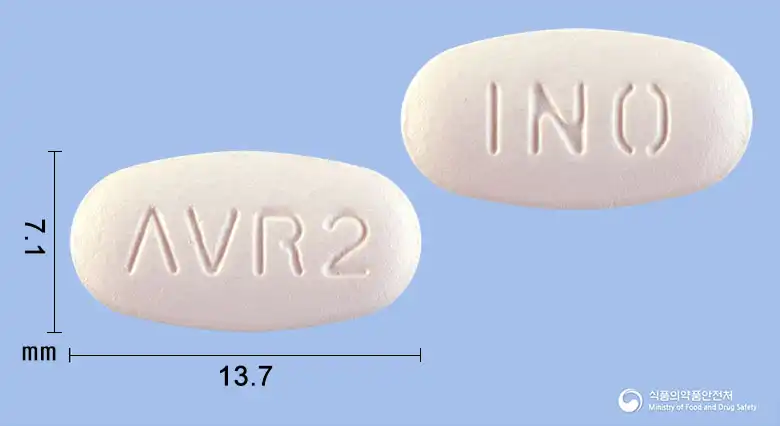
Pale pink oval film-coated tablet
30 tablets/bottle, 100 tablets/bottle
Even with the same ingredient, strength, dosage form and how it is taken can differ.
Viewing nowCombinationAmlodipine Besylate 6.94mg · Valsartan 80mg +1 more
Tablet · Prescription medication · Combination
Daewoong Bio Co., Ltd.
 Combination
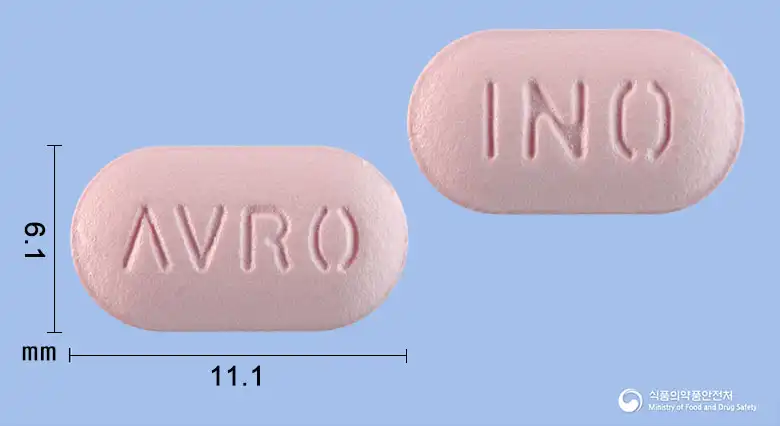
Amlodipine Besylate 6.94mg · Valsartan 80mg +1 more
Tablet · Prescription medication · Combination
HK inno.N Co., Ltd.
 Combination
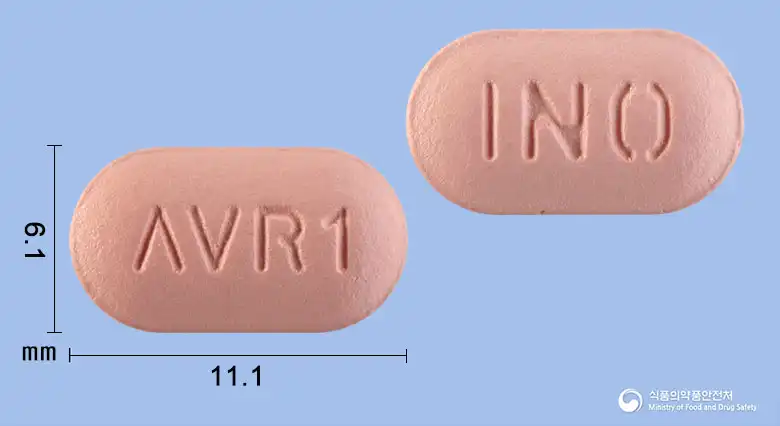
Amlodipine Besylate 6.94mg · Valsartan 80mg +1 more
Tablet · Prescription medication · Combination
HK Inno.N Co., Ltd.
 Combination
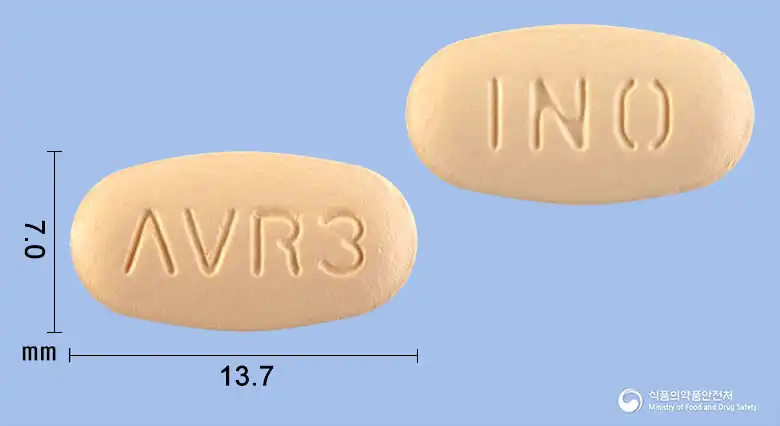
Amlodipine Besylate 6.94mg · Valsartan 160mg +1 more
Tablet · Prescription medication · Combination
HK Inno.N Co., Ltd.
 Combination
Amlodipine Besylate 6.94mg · Valsartan 160mg +1 more
Tablet · Prescription medication · Combination
HK Inno.N Co., Ltd.
Valsartan 80mg · Amlodipine Besylate 6.94mg +1 more
Tablet · Prescription medication · Combination
Kyungdong Pharm Co., Ltd.
Valsartan 160mg · Amlodipine Besylate 6.94mg +1 more
Tablet · Prescription medication · Combination
Kyungdong Pharmaceutical Co., Ltd.
Valsartan 160mg · Amlodipine Besylate 13.87mg +1 more
Tablet · Prescription medication · Combination
Kyungdong Pharmaceutical Co., Ltd.
Even with the same ingredient, the dose and directions can differ by strength and dosage form. Talk to a doctor or pharmacist before switching from a medication you are already taking.
No questions yet.
For anything that needs medical judgment, consult a doctor or pharmacist.
This drug information is based on data provided by the Korea Ministry of Food and Drug Safety.
Consult a doctor or pharmacist for accurate dosage, administration, and usage instructions.