
 한국어
 English
 日本語
 中文(简体)
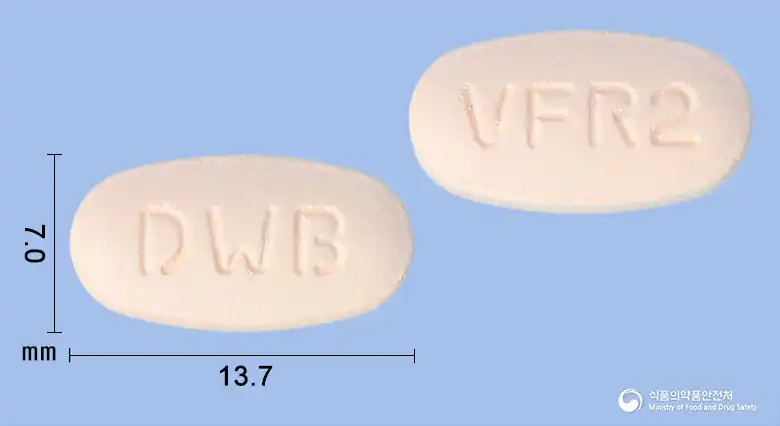 Viewing nowCombination
Vpozyal Tablet 5/160/5 mg
Amlodipine Besylate 6.94mg · Valsartan 160mg +1 more
Tablet · Prescription medication · Combination
Daewoong Bio Co., Ltd.
MFDS item code 202106223 · Approved 2021.08.27 · Insurance code 694003600
Treatment of hypertension, improvement of dyslipidemia, and inhibition of arteriosclerosis progression and cardiovascular disease risk
This medication is a combination drug containing amlodipine and valsartan, used in patients with essential hypertension whose blood pressure is not adequately controlled. Additionally, rosuvastatin helps patients with hypercholesterolemia and dyslipidemia who have difficulty controlling their condition through diet or exercise. Rosuvastatin is particularly effective in slowing the progression of atherosclerosis and reducing cardiovascular disease risk. It also plays an important role in preventing cardiovascular complications such as heart disease or stroke. Therefore, this medication is used to improve blood pressure and cholesterol levels in patients with hypertension and dyslipidemia, thus enhancing cardiovascular health.
Take 1 tablet once daily with water. If possible, it is recommended to take it at the same time each day (e.g., before breakfast). This medicine is for adults only. The dose should be individualized for each patient based on the efficacy and tolerability of the amlodipine/valsartan combination and rosuvastatin. Patients taking an amlodipine/valsartan combination and rosuvastatin as separate medicines may switch to this medicine (a combination product containing the same amounts of each active ingredient) for convenience. 5/80 mg: For patients whose blood pressure is not adequately controlled with amlodipine 5 mg or valsartan 80 mg monotherapy. 5/160 mg: For patients whose blood pressure is not adequately controlled with amlodipine 5 mg or valsartan 160 mg monotherapy. 10/160 mg: For patients whose blood pressure is not adequately controlled with amlodipine 10 mg or valsartan 160 mg monotherapy, or with 5/160 mg. Patients with renal impairment: No dosage adjustment is necessary in patients with mild or moderate renal impairment (creatinine clearance 10mL/min or greater); however, the amlodipine/valsartan combination should not be administered to patients with severe renal impairment (creatinine clearance less than 10mL/min) or to patients on dialysis. Monitoring of potassium levels and creatinine is recommended in patients with moderate renal impairment. Patients with hepatic impairment: In patients with mild or moderate hepatic impairment, the daily dose of valsartan should not exceed 80mg. The amlodipine/valsartan combination should not be administered to patients with severe hepatic impairment, biliary cirrhosis, biliary obstruction, or cholestasis. Patients aged 65 years and older: Use caution when increasing the dose. Primary hypercholesterolemia (including heterozygous familial hypercholesterolemia, type IIa), mixed dyslipidemia (type IIb), primary dysbetalipoproteinemia (type III), and homozygous familial hypercholesterolemia: The initial dose is 5 mg once daily. If a greater reduction in LDL cholesterol is needed, the dose may be adjusted to the maintenance dose. The maintenance dose is 10 mg once daily, which controls the condition in most patients. The maintenance dose should be appropriately adjusted at intervals of 4 weeks or longer according to LDL cholesterol levels, treatment goals, and patient response, and may be increased to a maximum of 20 mg daily. Elderly patients: No dosage adjustment is necessary. Patients with renal impairment: No dosage adjustment is necessary in patients with mild or moderate renal impairment. Do not administer to patients with severe renal impairment. Particular caution should be exercised when administering rosuvastatin 20mg to patients with moderate renal impairment. Patients with hepatic impairment: No increase in systemic exposure to rosuvastatin was observed in patients with a Child-Pugh score of 7 or less, but an increase was observed in patients with a Child-Pugh score of 8 or 9. Renal function tests should be considered in these patients. There is no experience with administration to patients with a Child-Pugh score greater than 9. Do not administer rosuvastatin to patients with active liver disease. Race: Because systemic exposure to this medicine is increased in Asian patients, the recommended initial dose is 5 mg. Administration of the 40 mg dose is contraindicated. Patients predisposed to myopathy: The recommended initial dose for patients predisposed to myopathy is 5 mg. Administration of the 40 mg dose of rosuvastatin is contraindicated in some of these patients.
This medication should not be taken during the second and third trimesters of pregnancy, as it can cause serious harm to the fetus. It is safe not to use this medication if you have allergies to any of its components or if you have severe liver or kidney dysfunction. Patients with sodium or fluid depletion should improve their condition before taking this medication, and blood pressure and physical condition should be closely monitored during treatment. Patients with high potassium levels or those taking medications that can increase potassium should have their potassium levels frequently checked. Patients with renal artery issues should be administered this medication cautiously, as there is a risk of worsening renal function. Patients with heart failure or myocardial infarction may experience changes in renal function due to the use of this medication, so regular monitoring is necessary. This medication can cause muscle pain or myopathy and, in rare cases, severe muscle breakdown (rhabdomyolysis); immediate consultation with a physician is required if any unusual muscle symptoms appear. Caution is necessary as dizziness or fatigue may occur when driving or operating machinery. This medication can interact with various other medications, so it is essential to inform your doctor or pharmacist if you are taking any other drugs. Women who are breastfeeding should not take this medication and must discontinue breastfeeding if they are currently using it. Elderly patients may respond more sensitively to this medication, so careful titration of the dose is required. In case of an overdose, serious symptoms such as hypotension and altered consciousness may occur; in such cases, immediate medical attention should be sought. Regular monitoring of liver function, kidney function, and blood test results during the use of this medication is important.
Peripheral edema, warmth, increased ALT, increased AST, increased serum creatinine, flank pain, neck pain, dizziness, sensory loss, rhinitis, rash, nasopharyngitis, influenza, hypersensitivity, visual impairment, anxiety, headache, drowsiness, orthostatic dizziness, sensory disturbances, vertigo, tinnitus, tachycardia, palpitations, syncope, orthostatic hypotension, hypotension, cough, pharyngeal and laryngeal pain, diarrhea, nausea, abdominal pain, constipation, thirst, rash, erythema, sweating, rash, itching, joint swelling, low back pain, arthritis, muscle cramps, weakness, polyuria, nocturia, erectile dysfunction, edema, scrotal edema, facial edema, fatigue, flushing, asthenia, facial flushing, pruritus, thrombocytopenia, leukopenia, allergic reactions, hyperglycemia, insomnia, mood changes, tremors, taste disturbances, peripheral neuropathy, hypertonia, arrhythmia, bradycardia, atrial fibrillation, ventricular tachycardia, vasculitis, dyspnea, rhinitis, vomiting, dyspepsia, pancreatitis, gastritis, gingival hyperplasia, hepatitis, jaundice, alopecia, purpura, skin depigmentation, photosensitivity reaction, angioedema, urticaria, erythema multiforme, Stevens-Johnson syndrome, myalgia, dysuria, nocturnal enuresis, gynecomastia, pain, malaise, chest pain, weight loss, weight gain, decreased hemoglobin, decreased hematocrit, neutropenia, serum sickness, increased serum potassium, vasculitis, blistering dermatitis, myalgia, renal failure, kidney damage, elevated serum creatinine, insomnia, decreased libido, pharyngitis, rhinitis, sinusitis, upper respiratory infection, viral infection, mesenteric edema, diabetes, headache, constipation, nausea, abdominal pain, pruritus, myopathy, rhabdomyolysis, asthenia, polyneuropathy, memory loss, peripheral neuropathy, cough, dyspnea, thrombocytopenia, jaundice, hepatitis, increased transaminases, Stevens-Johnson syndrome, eosinophilia, drug reaction with eosinophilia and systemic symptoms (DRESS) syndrome, lupus-like syndrome, muscle rupture, arthralgia, immune-mediated necrotizing myopathy, hematuria, edema, headache, dizziness, increased ALT, chest pain, cough, myalgia, increased CK, constipation, increased AST, asthenia, arthralgia, fatigue, numbness, sensory disturbances, chest discomfort, nausea, abdominal pain, diarrhea, anorexia, abdominal distension, syncope, generalized pain, muscle cramps, gout, erectile dysfunction, acute renal failure, oliguria
Not everyone experiences these, and they can vary from person to person.
This medication should be stored in a tightly closed container to protect it from air and moisture. It is recommended to maintain the storage temperature between 1 and 30 degrees Celsius to preserve the efficacy and safety of the medication.
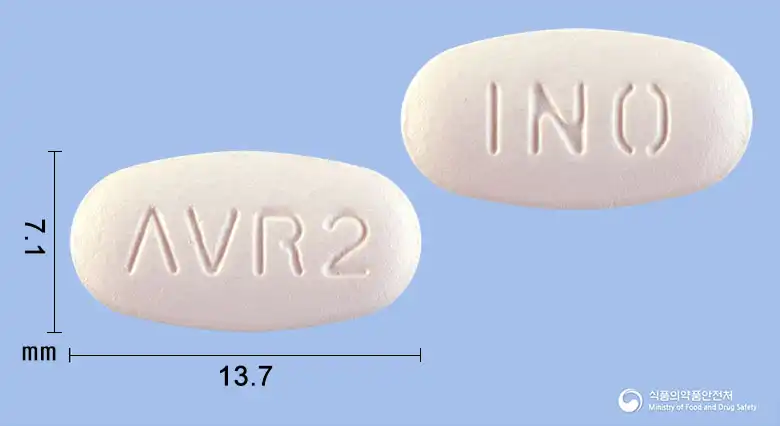
Pale yellow-pink oval film-coated tablet
30 tablets/bottle, 100 tablets/bottle
Even with the same ingredient, strength, dosage form and how it is taken can differ.
Viewing nowCombinationAmlodipine Besylate 6.94mg · Valsartan 160mg +1 more
Tablet · Prescription medication · Combination
Daewoong Bio Co., Ltd.
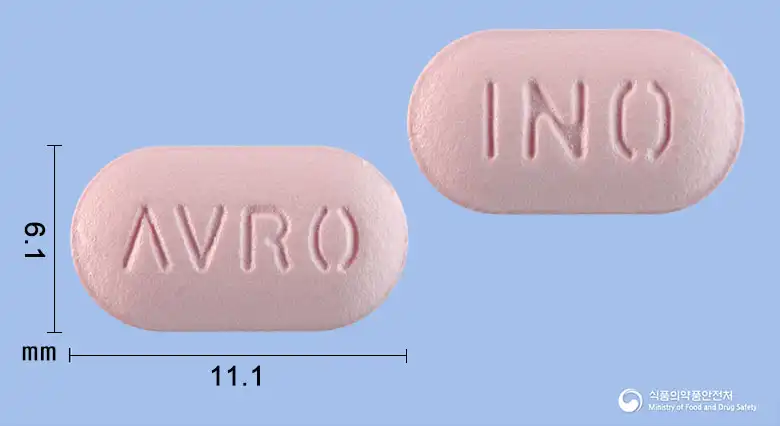 Combination
Amlodipine Besylate 6.94mg · Valsartan 80mg +1 more
Tablet · Prescription medication · Combination
HK inno.N Co., Ltd.
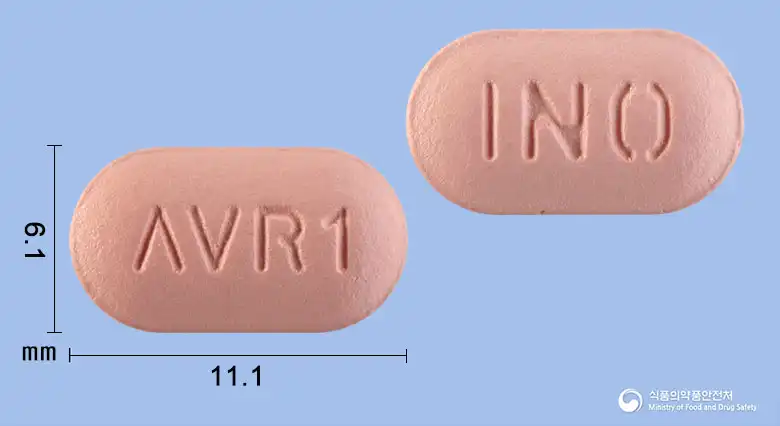 Combination
Amlodipine Besylate 6.94mg · Valsartan 80mg +1 more
Tablet · Prescription medication · Combination
HK Inno.N Co., Ltd.
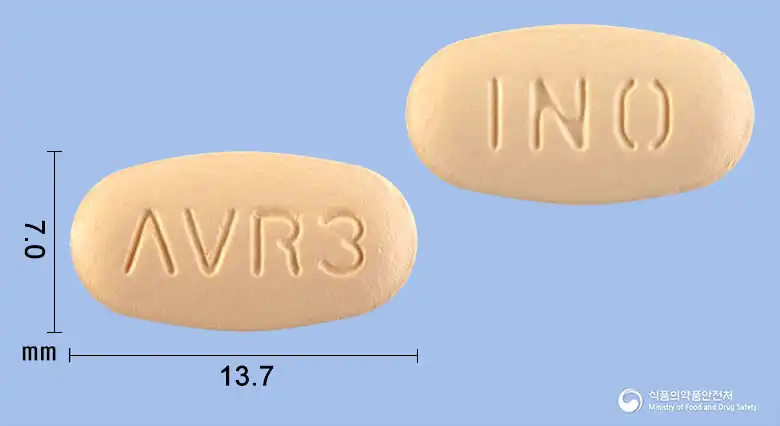 Combination
Amlodipine Besylate 6.94mg · Valsartan 160mg +1 more
Tablet · Prescription medication · Combination
HK Inno.N Co., Ltd.
 Combination
Amlodipine Besylate 6.94mg · Valsartan 160mg +1 more
Tablet · Prescription medication · Combination
HK Inno.N Co., Ltd.
Valsartan 80mg · Amlodipine Besylate 6.94mg +1 more
Tablet · Prescription medication · Combination
Kyungdong Pharm Co., Ltd.
Valsartan 160mg · Amlodipine Besylate 6.94mg +1 more
Tablet · Prescription medication · Combination
Kyungdong Pharmaceutical Co., Ltd.
Valsartan 160mg · Amlodipine Besylate 13.87mg +1 more
Tablet · Prescription medication · Combination
Kyungdong Pharmaceutical Co., Ltd.
Even with the same ingredient, the dose and directions can differ by strength and dosage form. Talk to a doctor or pharmacist before switching from a medication you are already taking.
No questions yet.
For anything that needs medical judgment, consult a doctor or pharmacist.
This drug information is based on data provided by the Korea Ministry of Food and Drug Safety.
Consult a doctor or pharmacist for accurate dosage, administration, and usage instructions.