
 한국어
 English
 日本語
 中文(简体)
 Viewing nowCombination
Sense Guard Tablet
Levonorgestrel 0.1mg · Ethinyl Estradiol 0.02mg
Tablet · OTC medication · Combination
Taeguk Pharmaceutical Co., Ltd.
MFDS item code 202105666 · Notified 2021.08.02
Contraception; treatment of moderate acne in women who are eligible to take the medication
This medication is used to prevent unwanted pregnancy through its contraceptive effect. It is also effective in treating moderate acne and helps improve skin condition.
Take 1 tablet daily for 21 days, followed by a 7-day pill-free interval. It is best to take the tablet at the same time each day. - When starting for the first time Start taking the medicine on the first day of menstruation, take it daily for 21 days, and then have a 7-day pill-free interval. Menstruation usually occurs within 3 days after stopping this medicine. If you start taking this medicine after the first day of menstruation, complete contraceptive protection cannot be expected until you have taken it for 7 consecutive days, and another nonhormonal contraceptive method (excluding rhythm or basal body temperature methods, e.g., a contraceptive device) should be used concurrently. The possibility of ovulation and pregnancy that may have occurred before starting the medicine should also be considered. - For continued use After the 7-day pill-free interval, start taking the medicine again the next day. If you start taking it 8 days after the pill-free interval, use another nonhormonal contraceptive method (excluding rhythm or basal body temperature methods, e.g., a contraceptive device) until you have taken the medicine for 7 consecutive days. If the directions are followed, the chance of pregnancy is very low, but pregnancy should be considered if menstruation does not occur. If the directions have not been followed or menstruation is absent for 2 consecutive cycles, pregnancy should be considered and a physician should be consulted before continuing. - If you miss a dose If you miss 1 tablet, take it as soon as you remember and continue taking the remaining tablets as usual. This means you will take 2 tablets in one day. If you miss 2 tablets during the first or second week, take 2 tablets as soon as you remember, take 2 tablets the next day, and then continue taking 1 tablet daily as usual. Use another nonhormonal contraceptive method until you have taken the medicine for 7 consecutive days. If you miss 3 or more tablets, or miss 2 tablets during the third week, discard the remaining tablets and start a new pack as soon as you remember. Use another nonhormonal contraceptive method (excluding rhythm or basal body temperature methods, e.g., a contraceptive device) until you have taken the medicine for 7 consecutive days. Menstruation may not occur that month. However, if menstruation is absent for 2 consecutive cycles, consult a physician because pregnancy may have occurred. - Switching from another oral contraceptive If switching from another oral contraceptive taken for 21 days, start this medicine the day after the 7-day pill-free interval following the last active tablet of the previous product. Menstruation will probably occur during the pill-free interval. If switching from another oral contraceptive taken for 28 days, start this medicine the day after taking the last active tablet of the previous product. - Use after delivery or miscarriage in the second trimester of pregnancy Because the risk of thromboembolism may increase immediately after delivery, start taking the oral contraceptive 4-6 weeks after delivery or miscarriage in the second trimester of pregnancy.
This medication can significantly increase the risk of cardiovascular side effects in women who smoke, so women over 35 years of age should avoid smoking, and women over 35 who smoke should not take this medication. This medication should not be administered to patients with certain diseases or conditions such as estrogen-dependent tumors, thrombosis, cardiovascular diseases, liver diseases, and pregnant women. Caution is advised when prescribing this medication to smokers, patients with hypertension, obese individuals, and migraine sufferers, and it is important to consult a doctor before use. Various side effects may occur, including thrombosis, stroke, liver tumors, menstrual disorders, breast pain, digestive disturbances, headaches, depression, skin rashes, visual and auditory disturbances; therefore, if unusual symptoms arise, immediate consultation with a healthcare professional is necessary. Regular monitoring of blood pressure, breast, and pelvic examinations during use is recommended, and additional tests are suggested in cases with a family history of thrombosis. This medication may interact with other drugs, and its contraceptive effectiveness may decrease when used with certain medications; hence, it is essential to inform about other medications being used. Women who are pregnant or may become pregnant should not take this medication, and it is also recommended not to administer this medication during breastfeeding. In case of overdose, symptoms such as nausea, vomiting, abdominal pain, and drowsiness may occur, and since there is no specific antidote, treatment should be provided based on symptoms. This medication can affect endocrine and liver function test results, so it is important to inform about its use during testing. Keep out of reach of children and store in the original container to prevent degradation or misuse.
Thrombophlebitis, thrombosis, arterial thromboembolism, stroke, intracerebral hemorrhage, cerebral thrombosis, myocardial infarction, pulmonary embolism, hypertension, worsening of varicose veins, abnormal uterine bleeding, changes in menstrual flow, amenorrhea, changes in vaginal discharge, increase in uterine fibroid size, cervical erosion, vaginal candidiasis, vaginitis, premenstrual syndrome, hemolytic uremic syndrome, dysmenorrhea, breast tension, breast enlargement, galactorrhea, breast pain, benign mammary dysplasia, breast tenderness, breast discharge, nausea, vomiting, abdominal distension, abdominal cramps, gastrointestinal disturbances, bile secretion, non-jaundice hepatitis, cholestatic jaundice, malignant and benign liver tumors, worsening of porphyria, chronic inflammatory bowel disease, abdominal pain, pancreatitis, hepatocellular tumor, cholelithiasis, ischemic colitis, hepatocellular damage, diarrhea, headache, migraine, depression, dizziness, hypersensitivity, exacerbation of chorea, epilepsy, decreased perception ability, fatigue, mood disorders, mood changes, melasma, acne, polymorphic erythema, crystalline erythema, exacerbation of systemic lupus erythematosus, hemorrhagic rash, allergic rash, edema, itching, urticaria, seborrhea, alopecia, rash, visual impairment, corneal refractive changes, contact lens sensitivity, retinal thrombosis, optic neuritis, hearing impairment, sodium and fluid retention, decreased insulin sensitivity, diabetes, hypertriglyceridemia, hypercholesterolemia, weight changes, appetite changes, changes in sexual desire, speech impairment, prolactin-secreting pituitary tumor, anaphylaxis, anaphylactic reaction, decreased serum folate concentration, hypersensitivity, nausea, vomiting, chest tightness, dizziness, abdominal pain, drowsiness, fatigue, and subcutaneous bleeding
Not everyone experiences these, and they can vary from person to person.
This medication may interact with direct-acting antiviral agents for hepatitis C, barbiturates, anticonvulsants (carbamazepine, phenytoin, primidone), rifabutin, rifampicin, ampicillin, tetracycline, griseofulvin, loperamide, aprepitant, bosentan, efavirenz, felbamate, oxcarbazepine, medicinal charcoal, laxatives, beta-blockers (such as metoprolol), benzodiazepines, cyclosporine, ritonavir.
This medication is sensitive to light and should be stored in a container that blocks light. It is also important to keep the medication at room temperature between 1 to 30 degrees Celsius to maintain its efficacy.
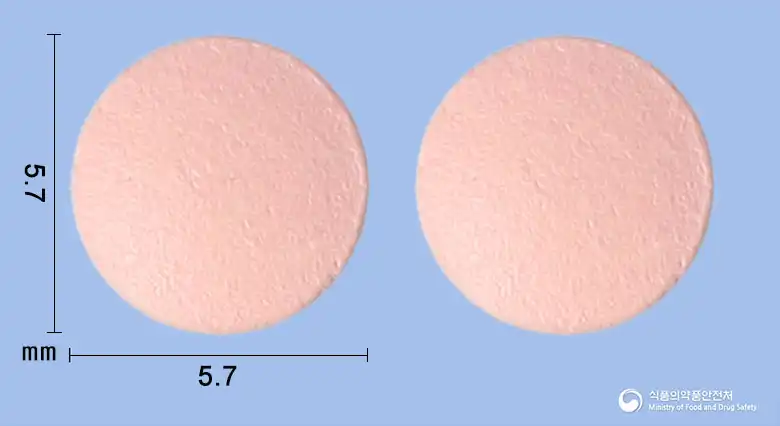
Pink round film-coated tablet
21 tablets/pack
Even with the same ingredient, strength, dosage form and how it is taken can differ.
Viewing nowCombinationLevonorgestrel 0.1mg · Ethinyl Estradiol 0.02mg
Tablet · OTC medication · Combination
Taeguk Pharmaceutical Co., Ltd.
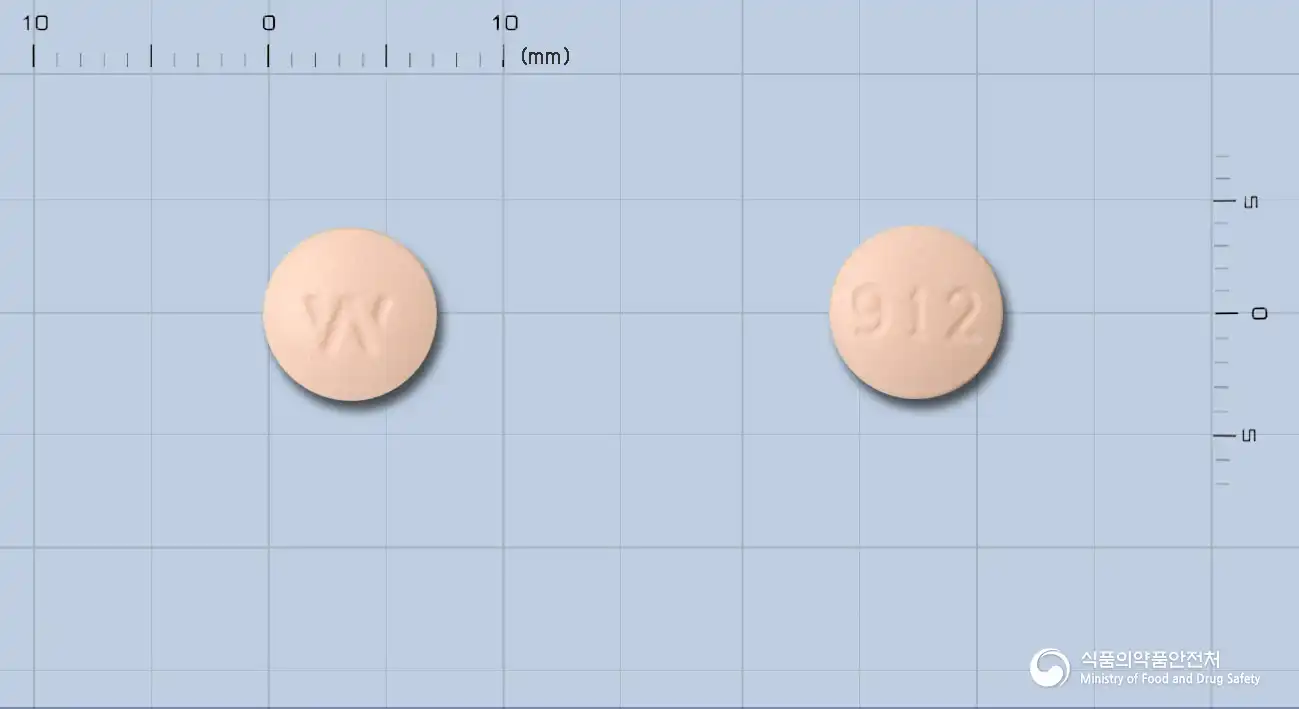 Combination
Levonorgestrel 0.1mg · Ethinyl Estradiol 0.02mg
Tablet · OTC medication · Combination
Pfizer Korea Co., Ltd.
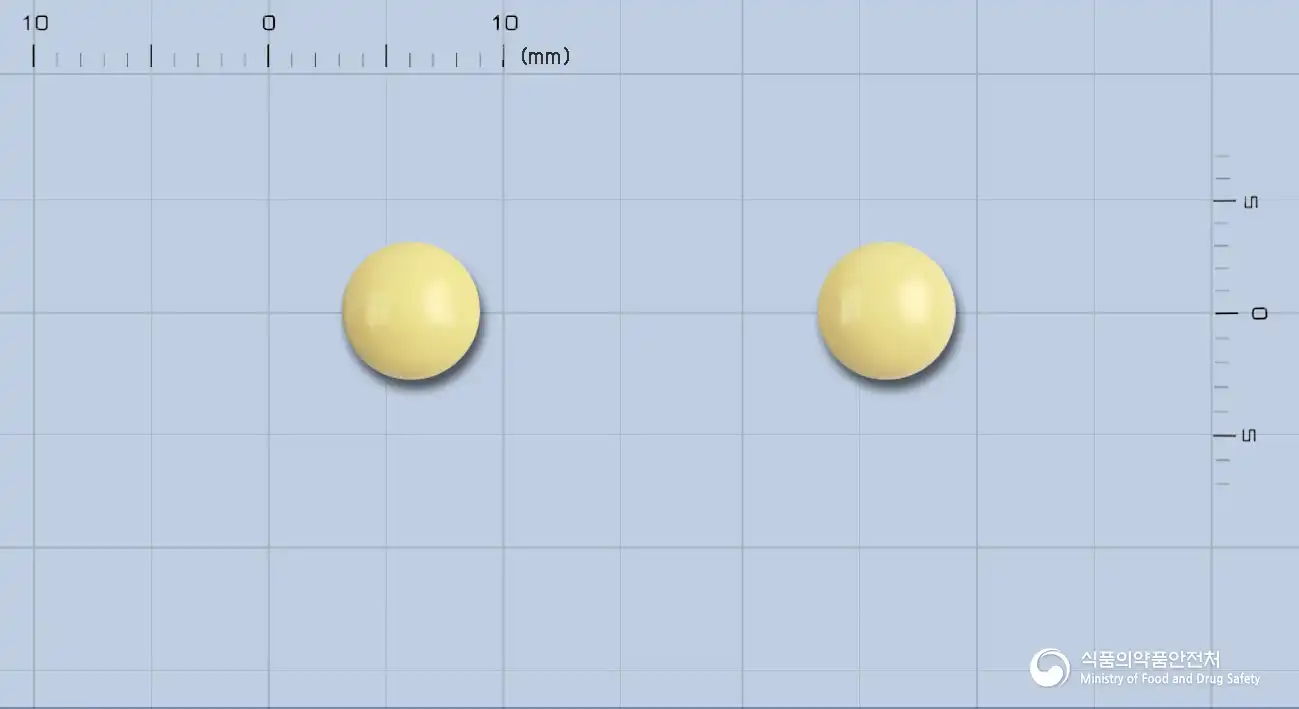 Combination
Levonorgestrel 0.15mg · Ethinyl Estradiol 0.03mg
OTC medication · Combination
Dong-A Pharmaceutical Co., Ltd.
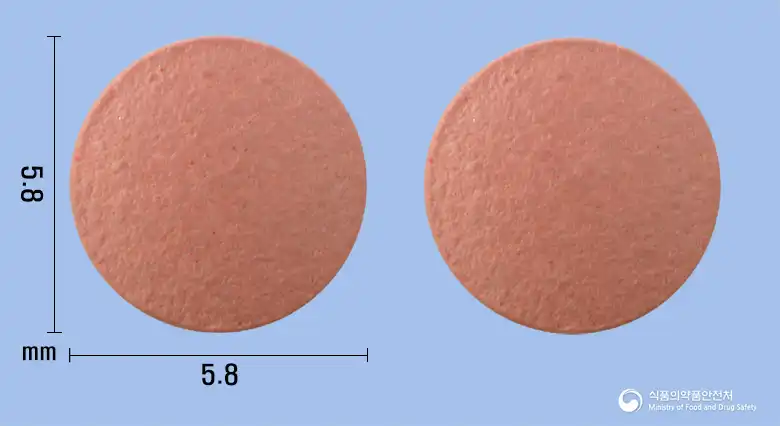 Combination
Levonorgestrel 0.1mg · Ethinyl Estradiol 0.02mg
Tablet · OTC medication · Combination
Hyundai Pharmaceutical Co., Ltd.
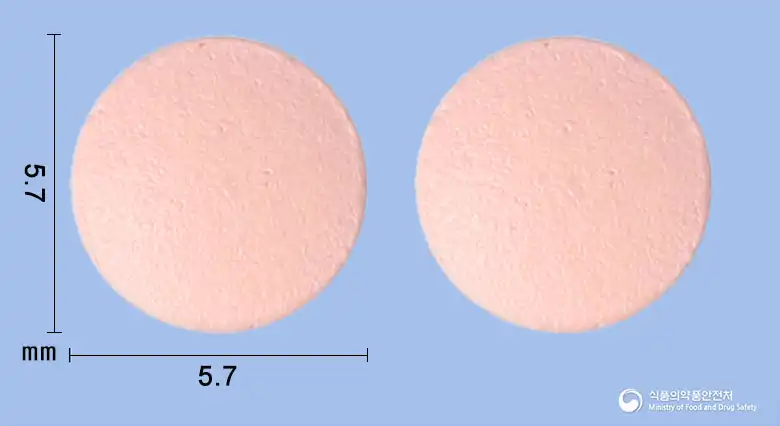 Combination
Levonorgestrel 0.1mg · Ethinyl Estradiol 0.02mg
Tablet · OTC medication · Combination
GL Pharma Co., Ltd.
Levonorgestrel 0.15mg · Ethinyl Estradiol 0.03mg
OTC medication · Combination
Dong-A Pharmaceutical Co., Ltd.
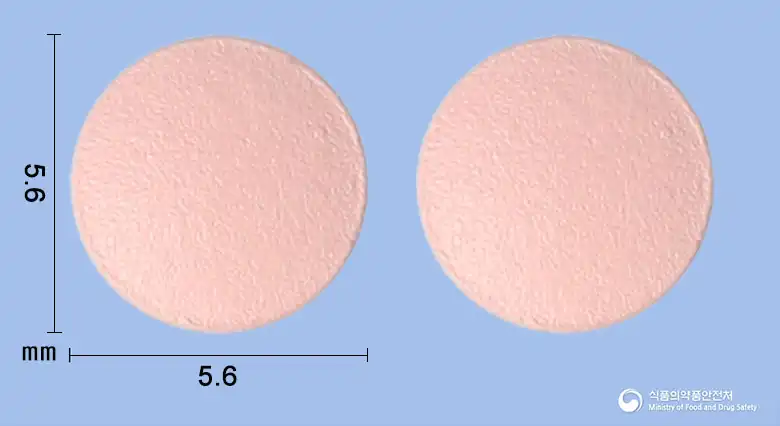 Combination
Levonorgestrel 0.1mg · Ethinyl Estradiol 0.02mg
Tablet · OTC medication · Combination
Yuhan Corporation
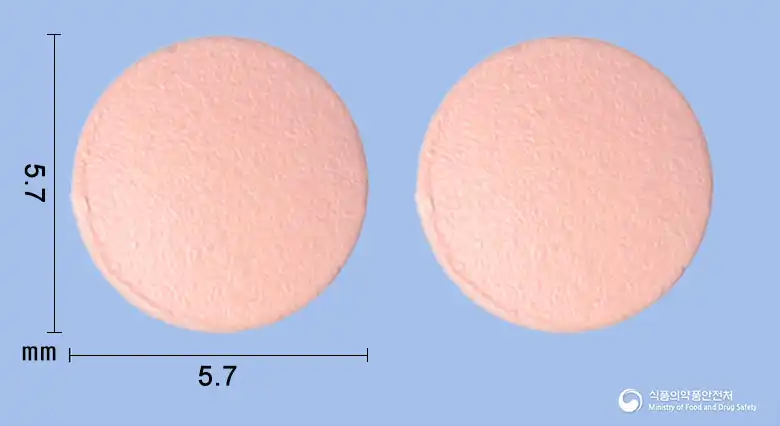 Combination
Levonorgestrel 0.1mg · Ethinyl Estradiol 0.02mg
Tablet · OTC medication · Combination
Joah Pharmaceutical Co., Ltd.
Even with the same ingredient, the dose and directions can differ by strength and dosage form. Talk to a doctor or pharmacist before switching from a medication you are already taking.
QWhat if my period doesn’t come during the drug-free period?
Answers 1 · 2026.09.14
QDo I really need to take it at the same time every day?
Answers 1 · 2026.09.14
For anything that needs medical judgment, consult a doctor or pharmacist.
This drug information is based on data provided by the Korea Ministry of Food and Drug Safety.
Consult a doctor or pharmacist for accurate dosage, administration, and usage instructions.