
 한국어
한국어 English
 日本語
日本語 中文(简体)
 Viewing now
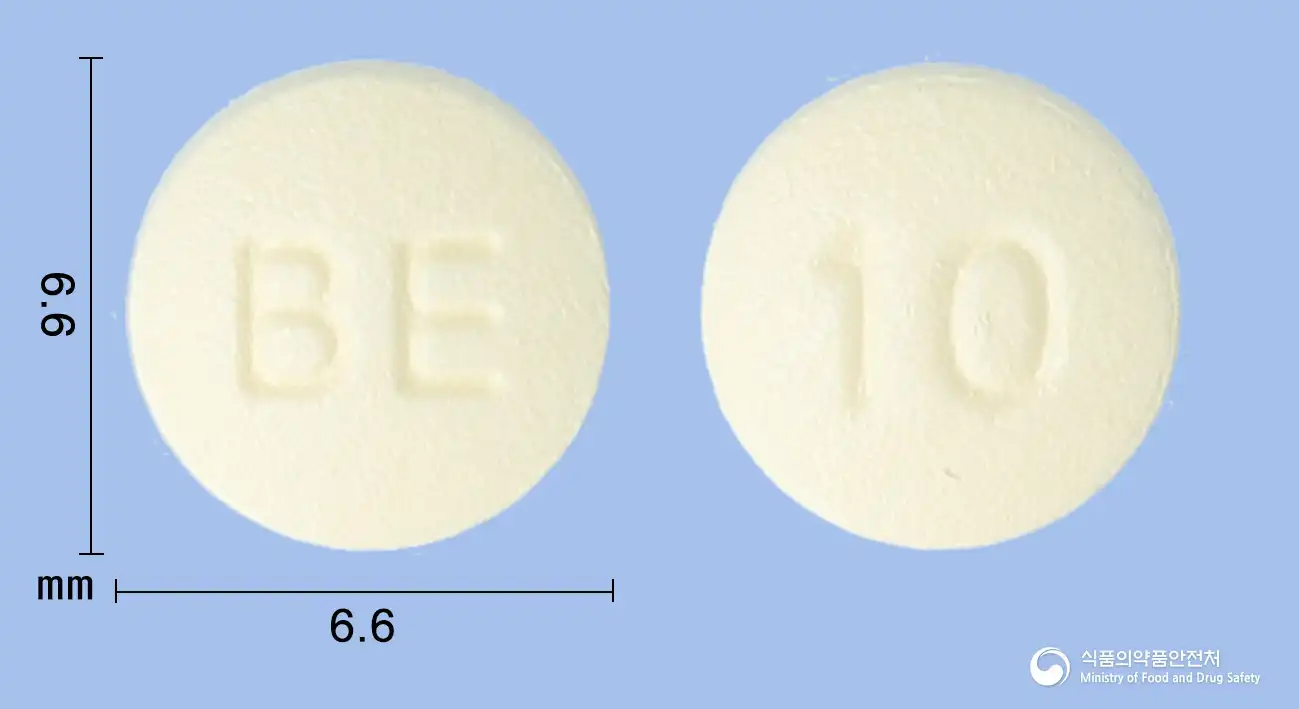
Truempah Tablet 10 mg (Empagliflozin)
Empagliflozin 10mg
Tablet · Prescription medication
Boryung Pharmaceutical Co., Ltd.
MFDS item code 202105615 · Approved 2021.07.29 · Insurance code 641908600
Improvement of blood sugar control in type 2 diabetes, reduction of cardiovascular disease risk in chronic heart failure and kidney disease
This drug is used in conjunction with diet and exercise to help control blood sugar in patients with type 2 diabetes. It also helps manage the risk of cardiovascular events in diabetic patients with cardiovascular disease. For patients with chronic heart failure, it is administered in combination with other treatments to reduce the risk of heart failure exacerbation or cardiovascular death. In patients with chronic kidney disease, it is effective in reducing the risk of kidney function deterioration and cardiovascular death. In summary, this drug is comprehensively used to manage cardiovascular diseases, chronic heart failure, and kidney disease associated with diabetes, contributing to the improvement of patient health.
Type 2 diabetes: 10 mg once daily as monotherapy or in combination with other hypoglycemic agents. If tolerance is good and additional blood glucose control is needed, the dose may be increased to 25 mg once daily. Chronic heart failure: 10 mg once daily. Chronic kidney disease: 10 mg once daily, to be combined with other standard treatment for chronic kidney disease. When taking, swallow the tablet whole regardless of meals.
This drug should not be used by individuals who are allergic to the active substance or constituents, type 1 diabetes patients, those with diabetic ketoacidosis, and individuals with genetic issues such as lactose intolerance or galactose intolerance. Patients with impaired kidney function should have their renal function regularly monitored while using this drug, and it is not recommended for patients with severe renal impairment or those on dialysis. When taken with medications such as insulin or sulfonylureas, there is a risk of hypoglycemia, so blood sugar levels should be closely monitored during treatment and insulin dosage adjusted as necessary. During treatment, side effects such as hypoglycemia, urinary tract infections, genital infections, increased urination, and reduced fluid volume may occur, and if symptoms develop, medical consultation should be sought immediately. Particularly in diabetic patients, rare life-threatening ketoacidosis may occur, so if symptoms such as vomiting, abdominal pain, or difficulty breathing develop, immediate treatment should be sought, and these symptoms should be closely monitored during treatment. Elderly patients or those at risk of fluid volume loss should be cautious of dehydration and hypotension, and may need to temporarily discontinue this drug if necessary. This drug can cause liver damage, so any symptoms indicating liver dysfunction should be reported to a healthcare provider immediately. Attention is needed while driving or operating machinery due to the risk of hypoglycemia, especially when taken with insulin or sulfonylureas. Women who are pregnant or planning to become pregnant should avoid using this drug, and breastfeeding should be discontinued during treatment. Children and adolescents (under 18 years) should not use this drug, as its safety and efficacy have not been established.
Urticaria, angioedema, ketoacidosis, urosepsis, pyelonephritis, perineal necrosis, liver damage, acute kidney injury, severe rash with fever, blisters, skin peeling, oral/ocular mucosal pain, difficulty breathing or shortness of breath, asthma attacks, respiratory distress accompanied by cough and fever, jaundice (yellowing of skin or eyes), generalized extreme fatigue, sudden and severe headache, thunderclap headache, seizures, confusion, visual disturbances
Not everyone experiences these, and they can vary from person to person.
This drug should be stored in a tightly sealed container to prevent air or moisture ingress. It is recommended to store at room temperature, specifically between 1°C and 30°C, to maintain its efficacy and ensure safe use.
Pale yellow, round film-coated tablet
Domestic - 30 tablets/PTP [(10 tablets/PTP × 3)]
Even with the same ingredient, strength, dosage form and how it is taken can differ.
Viewing nowEmpagliflozin 10mg
Tablet · Prescription medication
Boryung Pharmaceutical Co., Ltd.
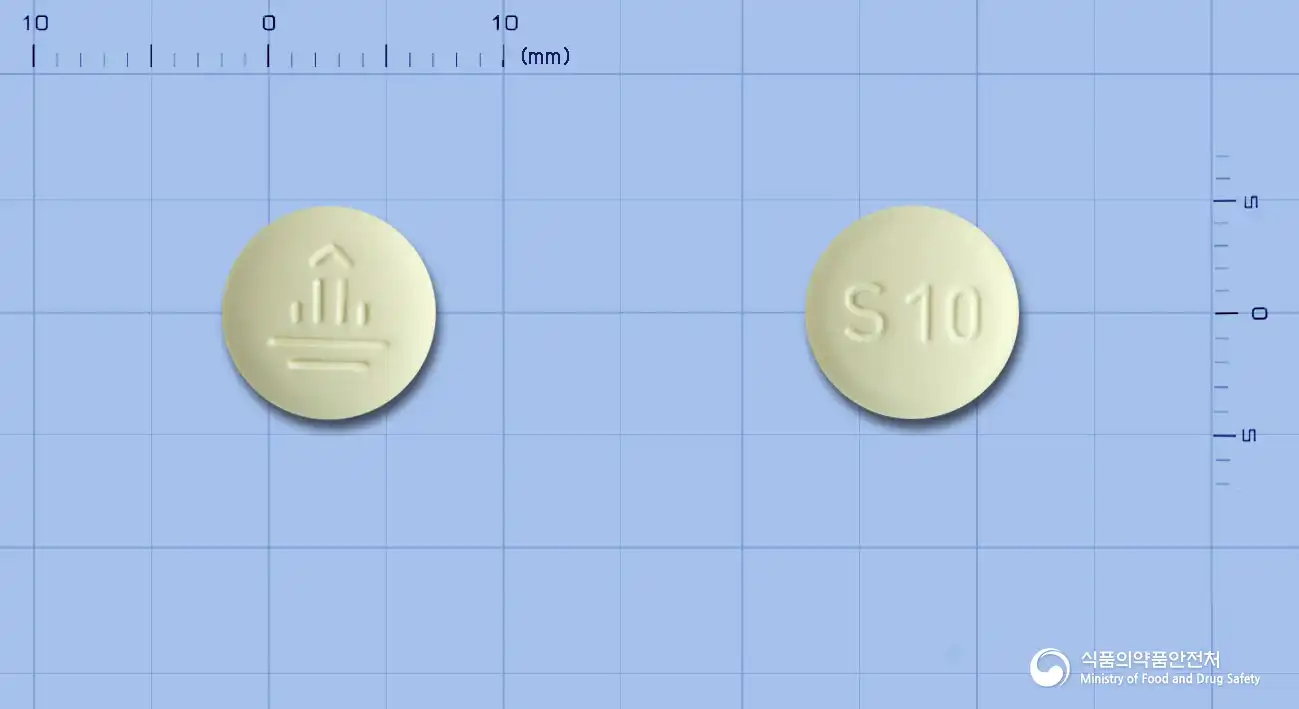
Empagliflozin 10mg
Tablet · Prescription medication
Boehringer Ingelheim Korea Co., Ltd.
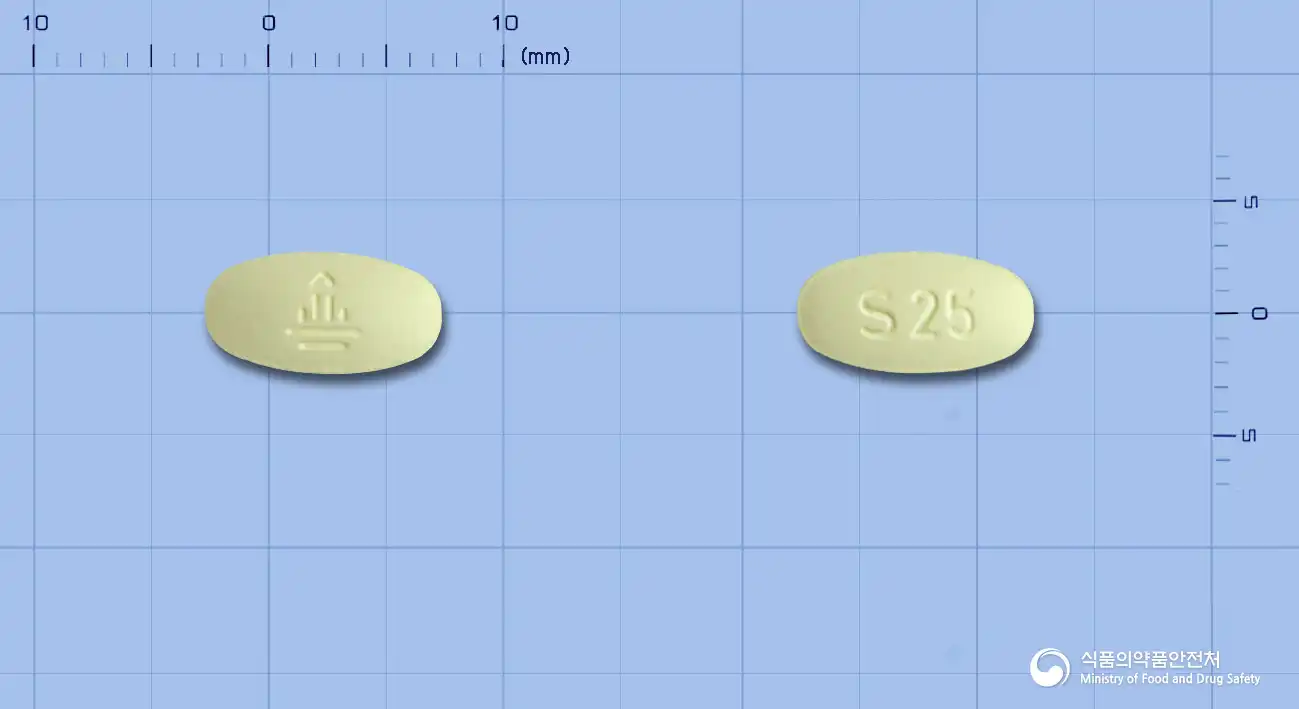
Empagliflozin 25mg
Tablet · Prescription medication
Boehringer Ingelheim Korea Co., Ltd.
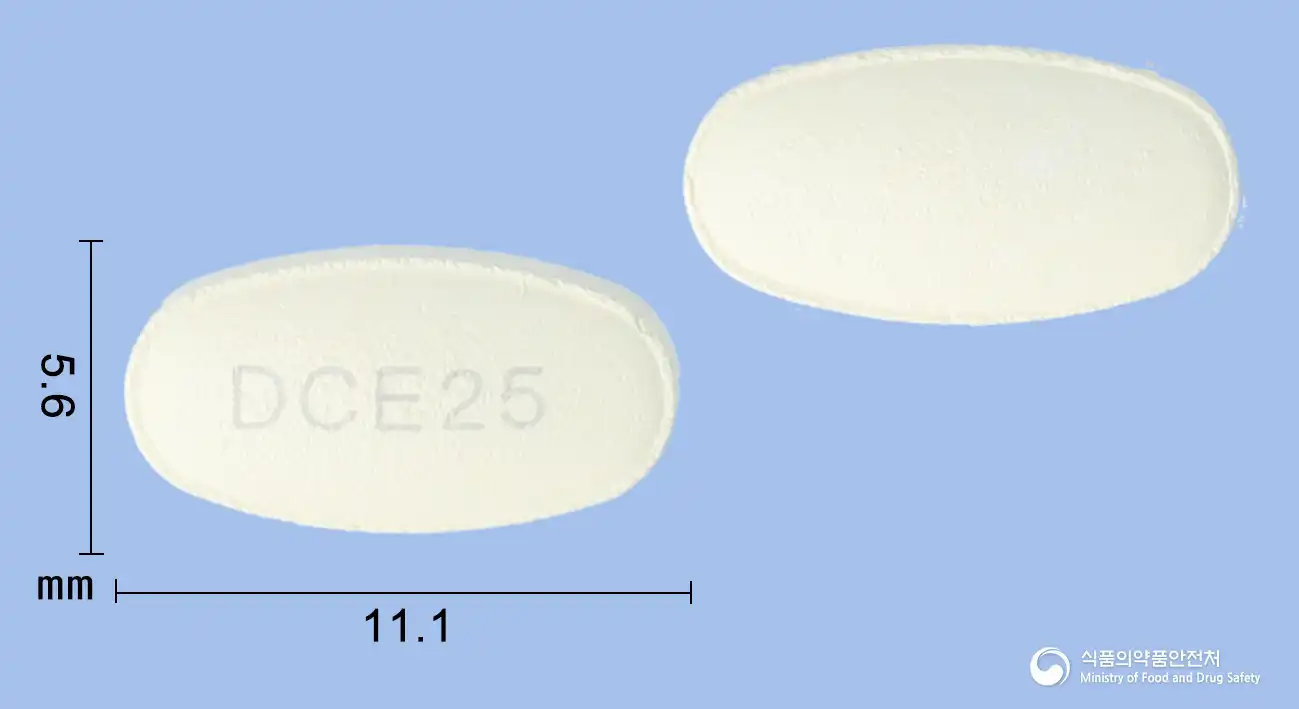
Empagliflozin 25mg
Tablet · Prescription medication
Donggu Bio Pharmaceutical Co., Ltd.
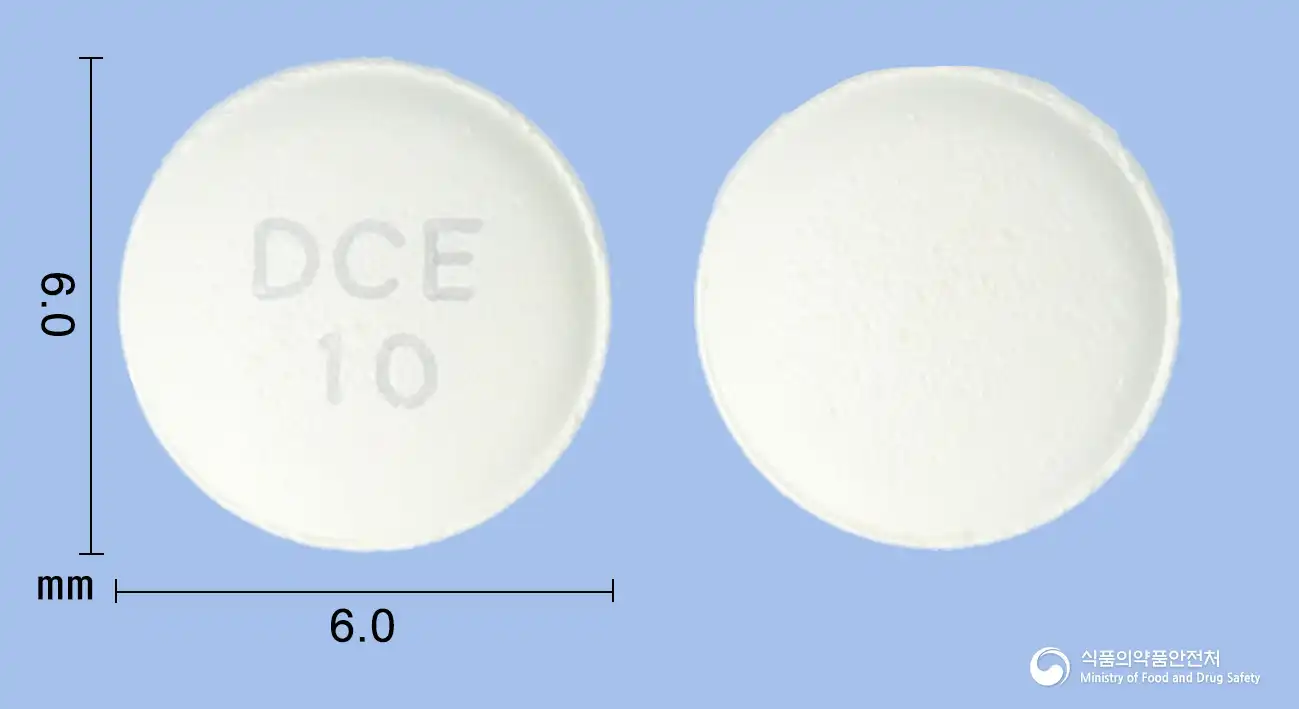
Empagliflozin 10mg
Tablet · Prescription medication
Dong Gu Bio Pharmaceutical Co., Ltd.
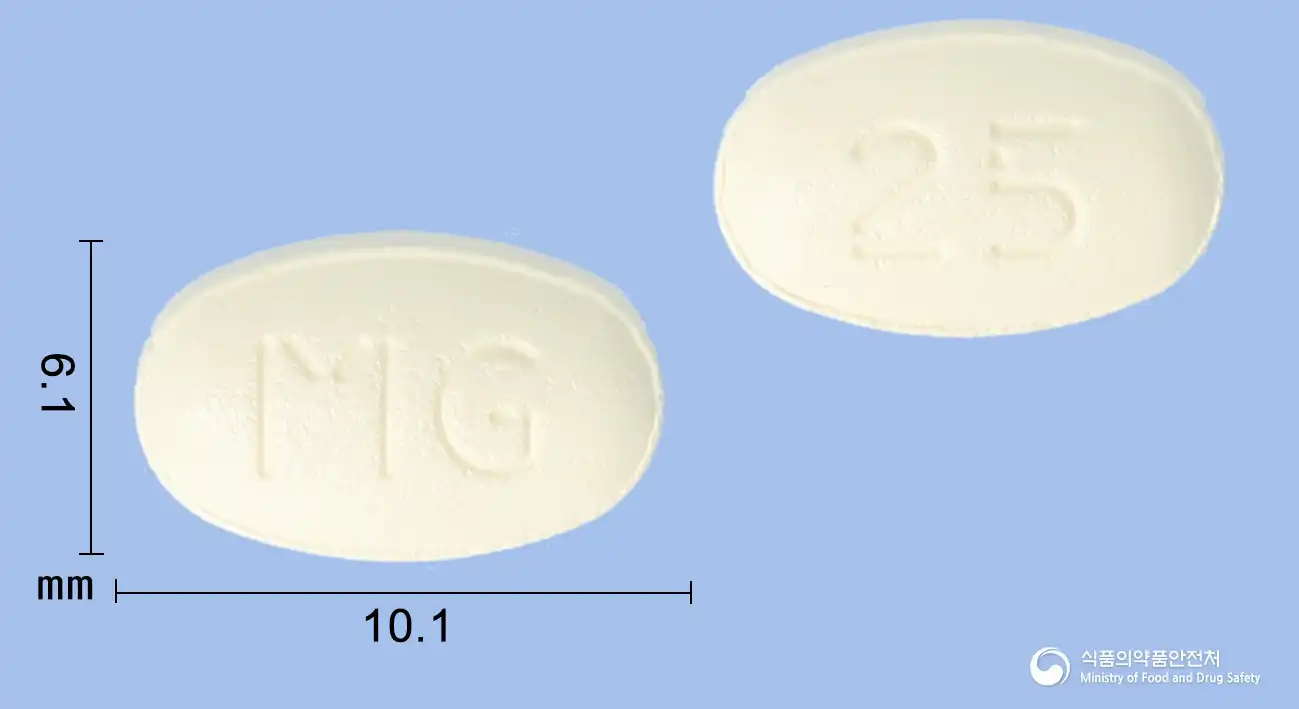
Empagliflozin 25mg
Tablet · Prescription medication
Korea Prime Pharmaceuticals Co., Ltd.
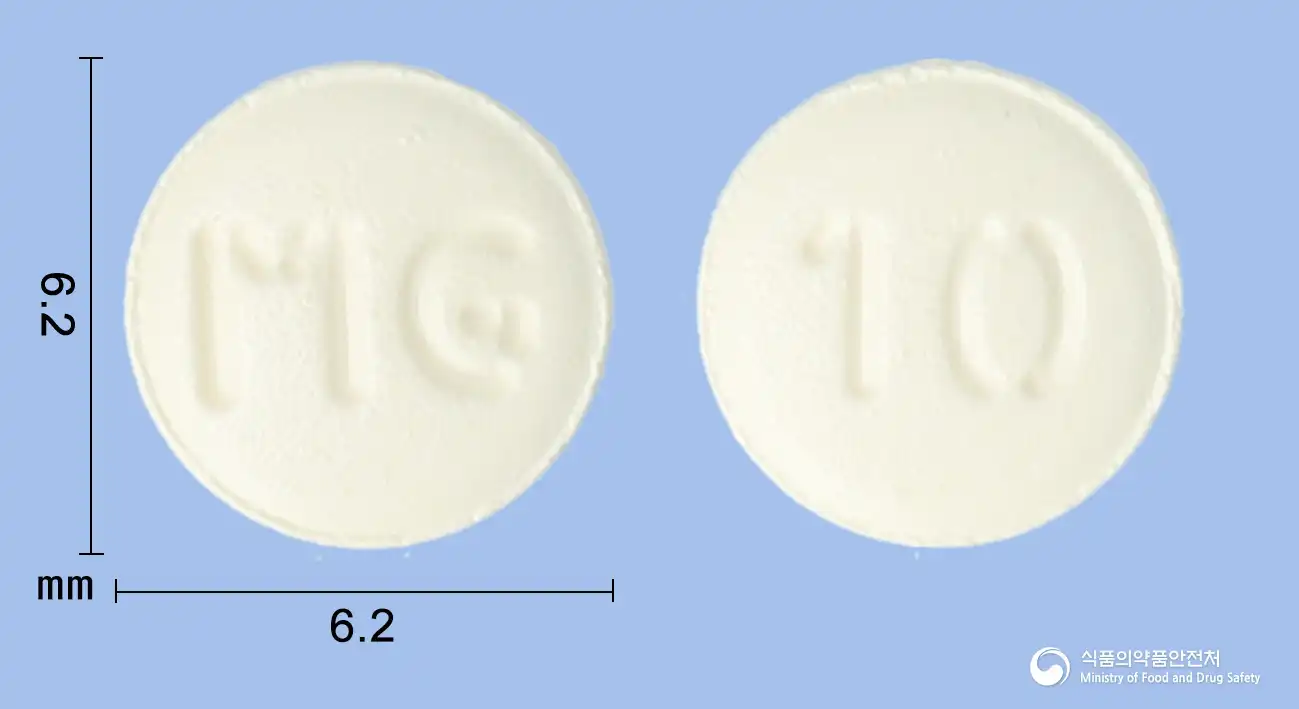
Empagliflozin 10mg
Tablet · Prescription medication
Korea Prime Pharmaceutical Co., Ltd.
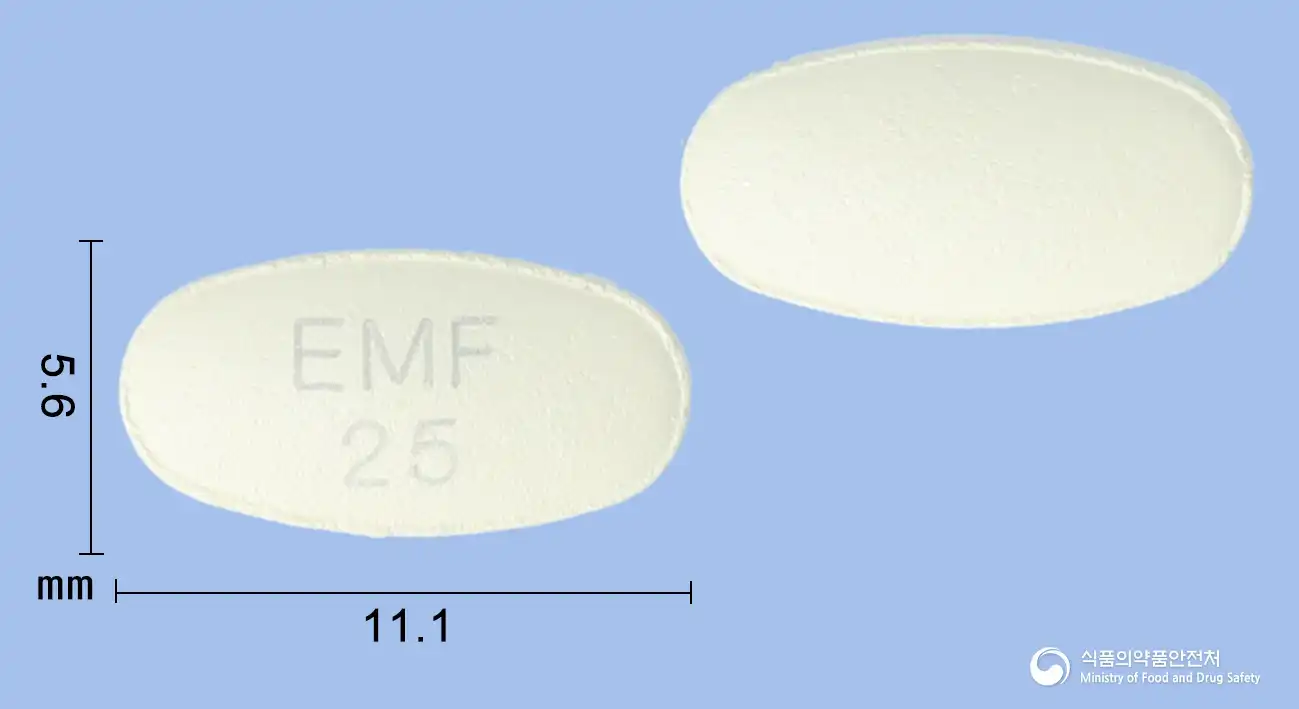
Empagliflozin 25mg
Tablet · Prescription medication
Kips Biopharma Co., Ltd.
Even with the same ingredient, the dose and directions can differ by strength and dosage form. Talk to a doctor or pharmacist before switching from a medication you are already taking.
No questions yet.
For anything that needs medical judgment, consult a doctor or pharmacist.
This drug information is based on data provided by the Korea Ministry of Food and Drug Safety.
Consult a doctor or pharmacist for accurate dosage, administration, and usage instructions.