
 한국어
한국어 English
 日本語
日本語 中文(简体)
Dosage form image
Viewing nowY2Aspirin Enteric-Coated Tablets 100 mg (Aspirin)
Aspirin 100mg
Tablet · OTC medication
Sengyi Bio Pharmaceutical Co., Ltd.
MFDS item code 202105531 · Notified 2021.07.23
Inhibition of thrombus formation and reduction of cardiovascular risk such as myocardial infarction and cerebral infarction
This medicine helps inhibit thrombus formation in major cardiovascular diseases such as myocardial infarction, cerebral infarction, and unstable angina. It also effectively prevents thrombus formation that may occur after coronary artery bypass surgery or percutaneous coronary intervention. It is used to reduce cardiovascular risk in high-risk patients who have multiple risk factors such as family history, hypertension, hypercholesterolemia, obesity, and diabetes. This medication contributes to preventing various cardiovascular diseases and postoperative complications, thereby helping to maintain health. It plays an important role in thrombus prevention and reducing the risk of cardiovascular diseases.
Enteric-coated tablets: 1 tablet once daily, taken with plenty of water before meals. Enteric-coated capsules: 1 capsule once daily, taken with plenty of water before meals.
This medication may pose a risk of gastrointestinal bleeding if taken by individuals who regularly consume more than three drinks per day, thus it is essential to consult with a doctor or pharmacist. Individuals with allergies to this drug or with a history of peptic ulcers, aspirin-induced asthma, hemophilia, severe liver or kidney impairment, or severe heart failure should not take this medication. Additionally, patients with a tendency to bleed, those taking high doses of methotrexate, and pregnant women in the third trimester should not use this drug. Patients with a history of kidney disease, liver disease, heart dysfunction, blood disorders, or bronchial asthma should use this drug cautiously, and children under three years old and the elderly should also be careful. This medication may cause serious allergic reactions, skin rashes, blood disorders, gastrointestinal bleeding, liver impairment, and kidney impairment. If any unusual symptoms occur, immediately discontinue use and consult a healthcare professional. Particularly, this drug inhibits platelet aggregation, which may increase the risk of bleeding, so care should be taken before and after surgery, and caution is warranted when used with other bleeding risk medications. This drug should not be taken during pregnancy, especially in the third trimester, and should also be avoided while breastfeeding. This medication may interact with various drugs, so consult with a doctor or pharmacist if taking other medications, especially anticoagulants, hypoglycemic agents, lithium preparations, and non-steroidal anti-inflammatory drugs. Elderly patients may experience side effects more easily with this drug, so it is advisable to start at a low dose and monitor their condition. As this medication is enteric-coated, care must be taken not to damage the enteric coating and it is preferable not to take it with alkalizers. Finally, keep this medication out of the reach of children and store it in its original container to prevent misuse or degradation of quality.
Not everyone experiences these, and they can vary from person to person.
This medication must be stored in a tightly sealed container to prevent air or moisture from entering. It is important to maintain the storage temperature between 1 and 30 degrees Celsius at room temperature. This will help preserve the effectiveness and safety of the drug for a long time.
White round enteric-coated tablet
30 tablets/bottle, 300 tablets/bottle, 1000 tablets/bottle
Even with the same ingredient, strength, dosage form and how it is taken can differ.
Aspirin 100mg
Tablet · OTC medication
Sengyi Bio Pharmaceutical Co., Ltd.
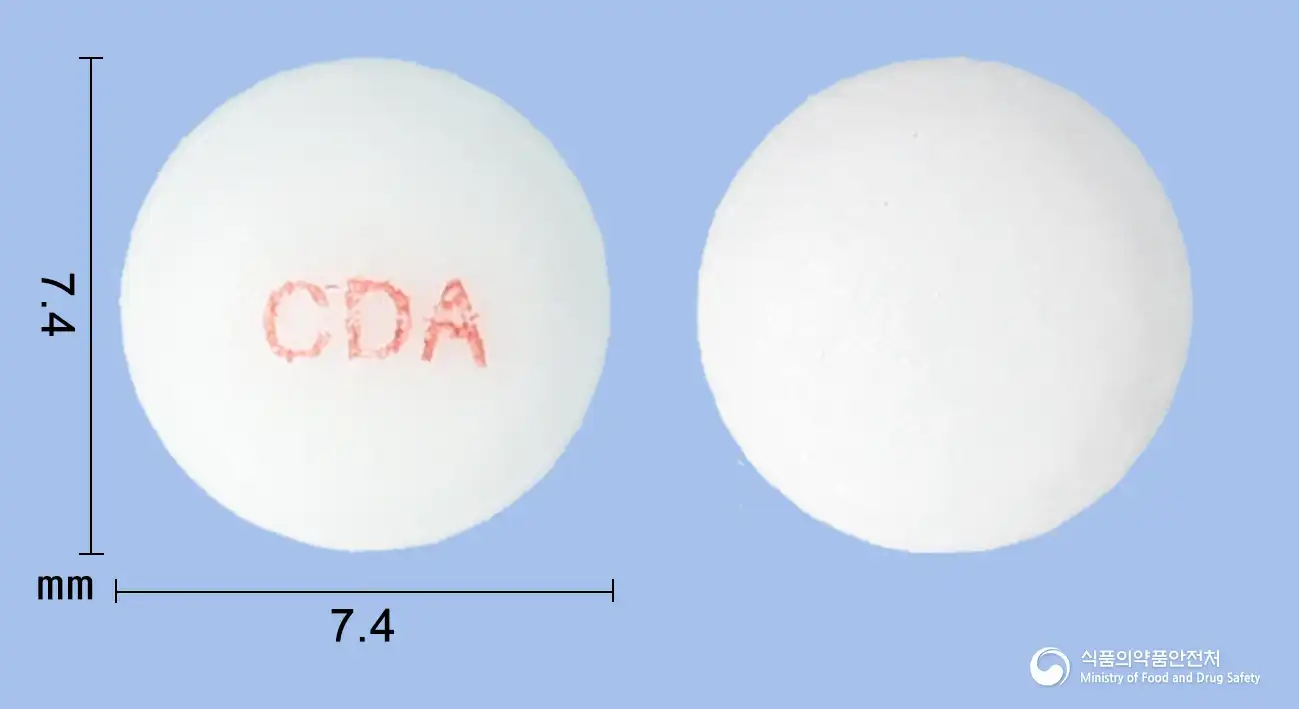
Aspirin 100mg
Tablet · OTC medication
Chodang Pharmaceutical Co., Ltd.
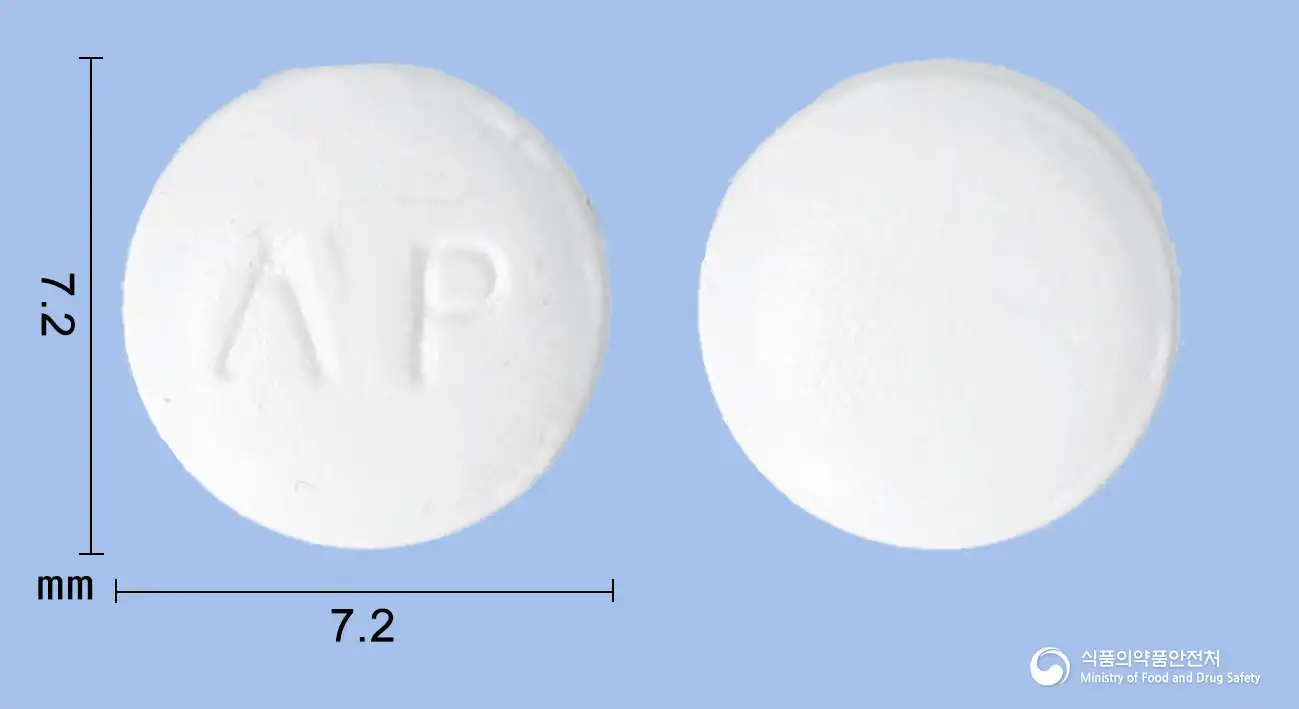
Aspirin 100mg
Tablet · OTC medication
Hanmi Pharmaceutical Co., Ltd.
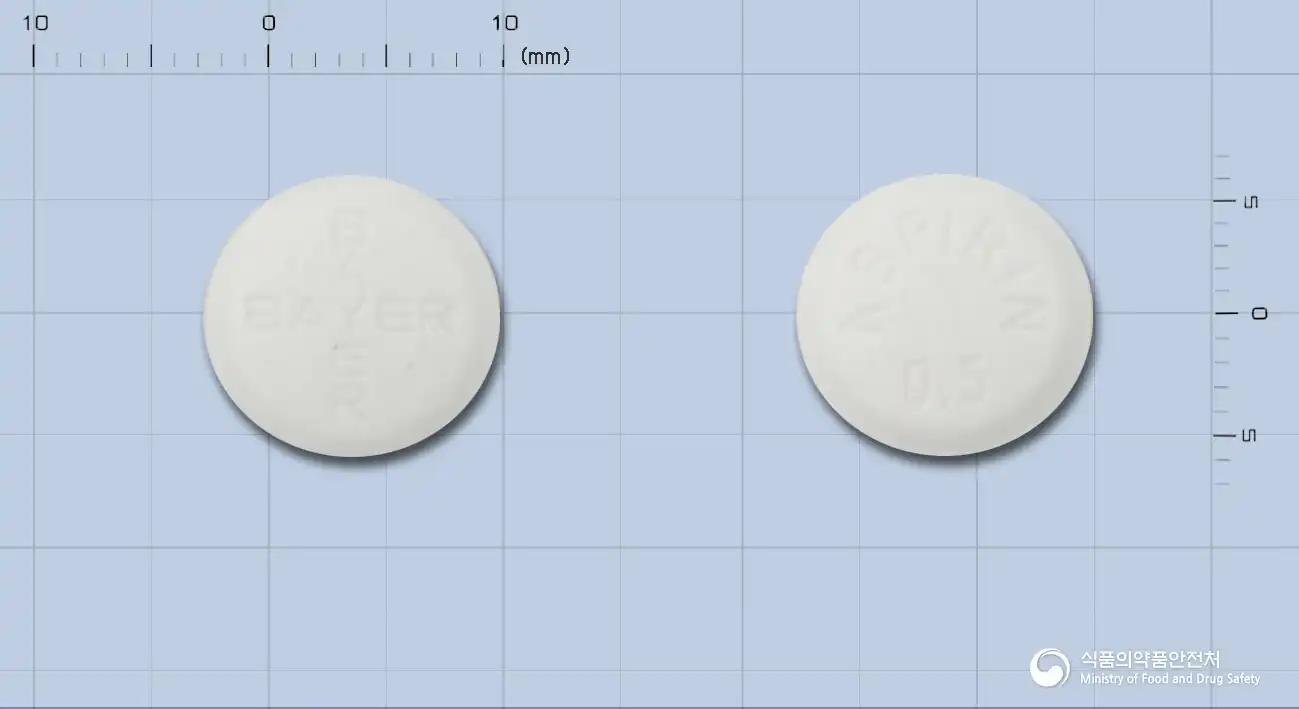
Aspirin 500mg
Tablet · OTC medication
Bayer Korea Co., Ltd.

Aspirin 100mg
Tablet · OTC medication
Bayer Korea Co., Ltd.
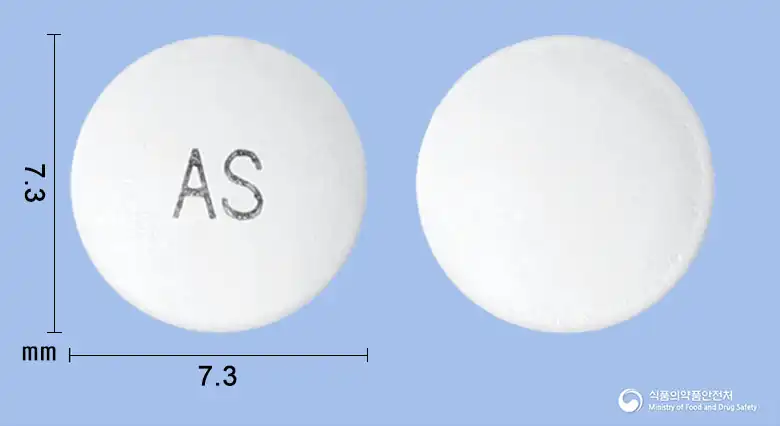
Aspirin 100mg
Tablet · OTC medication
Youngjin Pharmaceutical Co., Ltd.
Aspirin 81mg
Tablet · OTC medication
Youngpoong Pharmaceutical Co., Ltd.
Aspirin 75mg
Tablet · OTC medication
IlYang Biopharm Co., Ltd.
Even with the same ingredient, the dose and directions can differ by strength and dosage form. Talk to a doctor or pharmacist before switching from a medication you are already taking.
No questions yet.
For anything that needs medical judgment, consult a doctor or pharmacist.
This drug information is based on data provided by the Korea Ministry of Food and Drug Safety.
Consult a doctor or pharmacist for accurate dosage, administration, and usage instructions.