
 한국어
한국어 English
 日本語
日本語 中文(简体)
 Viewing nowCombination
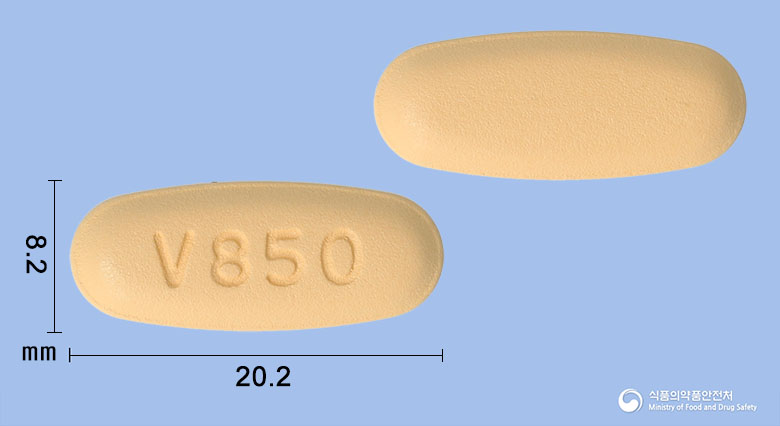
BIDAGLIMET Tablet 50/850 mg (Vildagliptin, Metformin)
Vildagliptin Hydrochloride 56mg · Metformin Hydrochloride 850mg
Tablet · Prescription medication · Combination
Hanmi Pharmaceutical Co., Ltd.
MFDS item code 202105311 · Approved 2021.07.13 · Insurance code 643508430
Improvement in blood sugar control for type 2 diabetes
This medication combines vildagliptin and metformin, which are effective for blood sugar control, to assist patients with type 2 diabetes in managing their blood sugar levels. Better results can be expected when used in conjunction with dietary and exercise regimens. This medication stabilizes blood sugar and aids in diabetes management.
In the treatment of type 2 diabetes, vildagliptin is administered up to a maximum of 100 mg and metformin up to 2000 mg, and individualization based on efficacy and tolerability is necessary. This medication is generally administered with meals or immediately after meals to reduce gastrointestinal adverse reactions caused by metformin. 1. For patients with no previous diabetes medication experience and insufficient blood sugar control with monotherapy:
This medication can cause severe lactic acidosis or hypoglycemia, and should not be used, particularly in patients with moderate to severe renal impairment or those with heart failure. Discontinue this medication at least 48 hours before any examination that uses iodinated contrast agents, and resume only after confirming normal renal function post-examination. Patients with allergies to this medication, those with type 1 diabetes, acute metabolic acidosis patients, or women who are pregnant or breastfeeding should not use this medication. Irregular meals, intense physical activity, or taking other medications may increase the risk of hypoglycemia and lactic acidosis, so caution is required. During treatment, liver function and renal function should be monitored regularly, and if abnormalities are found, consult a physician immediately. If symptoms of acute pancreatitis occur, stop taking the medication immediately and seek medical advice, and be cautious in cases with a history of acute pancreatitis. Excessive alcohol consumption increases the risk of lactic acidosis, so avoid alcohol while taking this medication. Elderly patients are at higher risk of renal function decline, thus dosage adjustments and regular renal function tests are necessary. If symptoms of hypoglycemia occur, consume sugar immediately, and if severe, inform healthcare personnel. Patients scheduled for surgery should stop taking this medication 48 hours prior to surgery and only resume once oral intake has recovered and renal function is confirmed normal post-surgery. This medication is not recommended for children and adolescents. In case of overdose, seek appropriate medical attention immediately; this medication can be removed through hemodialysis, so dialysis treatment may be necessary if required. If unusual symptoms such as blisters or ulcerations on the skin occur, inform the physician immediately and seek medical care. During treatment, regularly check blood sugar and hemoglobin A1c levels to verify treatment effectiveness and safety.
Hives, angioedema, hepatitis, skin lesions (blisters, exfoliative skin lesions, bullous pemphigoid), pancreatitis, severe and disabling joint pain, jaundice, lactic acidosis, liver dysfunction, acute pancreatitis, severe lactic acidosis, severe allergic reactions
Not everyone experiences these, and they can vary from person to person.
This medication is sensitive to air and moisture; therefore, it must be stored in a tightly closed container. Maintain a storage temperature between 1 to 30 degrees Celsius at room temperature, avoiding humid places.
Yellow oval film-coated tablets
30 tablets/bottle
Even with the same ingredient, strength, dosage form and how it is taken can differ.
Viewing nowCombinationVildagliptin Hydrochloride 56mg · Metformin Hydrochloride 850mg
Tablet · Prescription medication · Combination
Hanmi Pharmaceutical Co., Ltd.
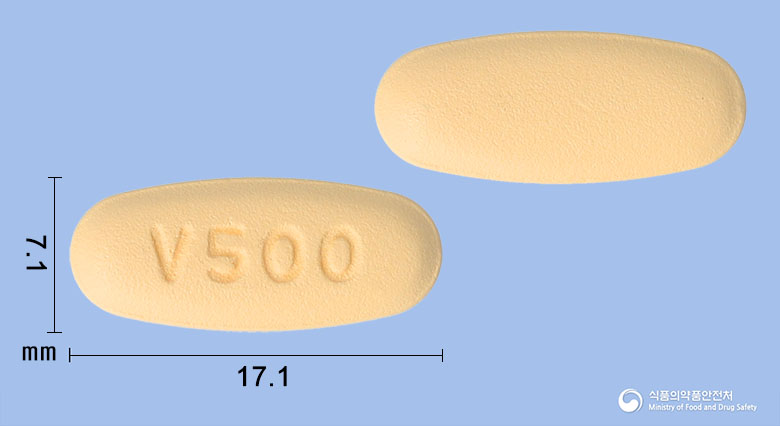 Combination
Vildagliptin Hydrochloride 56mg · Metformin Hydrochloride 500mg
Tablet · Prescription medication · Combination
Hanmi Pharmaceutical Co., Ltd.
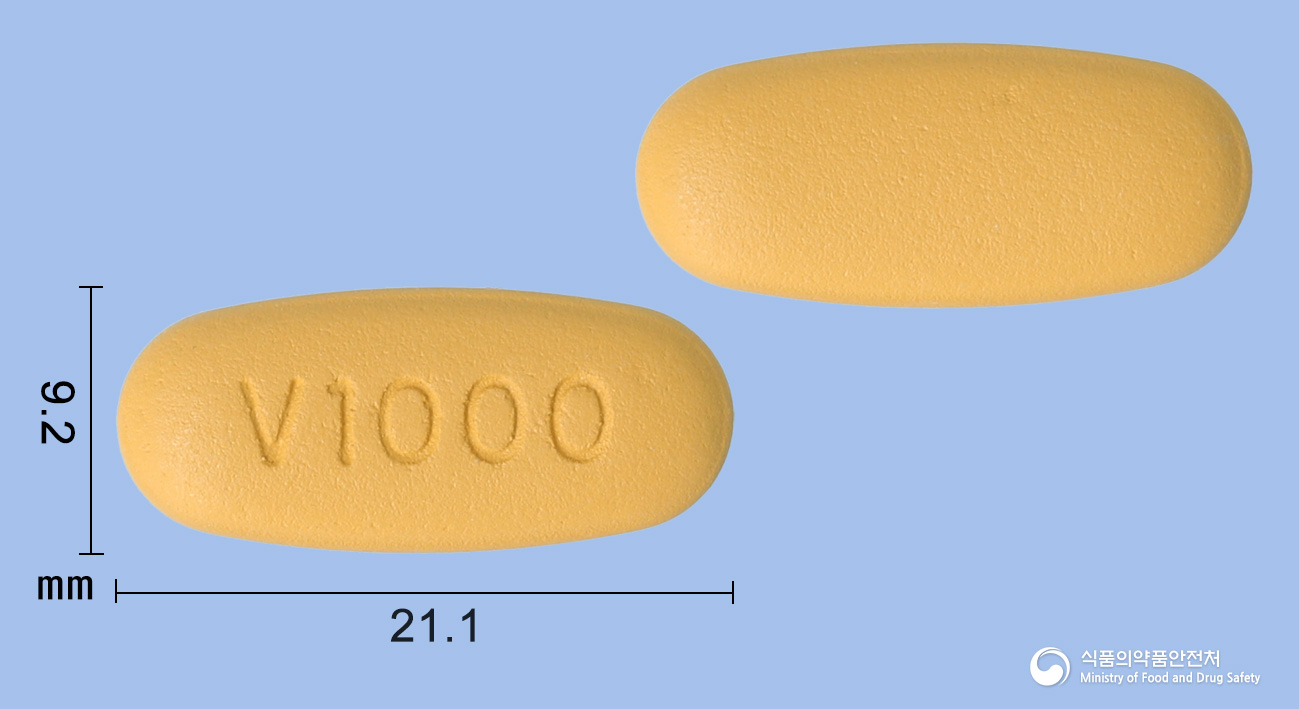 Combination
Vildagliptin Hydrochloride 56mg · Metformin Hydrochloride 1000mg
Tablet · Prescription medication · Combination
Hanmi Pharmaceutical Co., Ltd.
Even with the same ingredient, the dose and directions can differ by strength and dosage form. Talk to a doctor or pharmacist before switching from a medication you are already taking.
No questions yet.
For anything that needs medical judgment, consult a doctor or pharmacist.
This drug information is based on data provided by the Korea Ministry of Food and Drug Safety.
Consult a doctor or pharmacist for accurate dosage, administration, and usage instructions.