
 한국어
한국어 English
 日本語
日本語 中文(简体)
 Viewing nowCombination
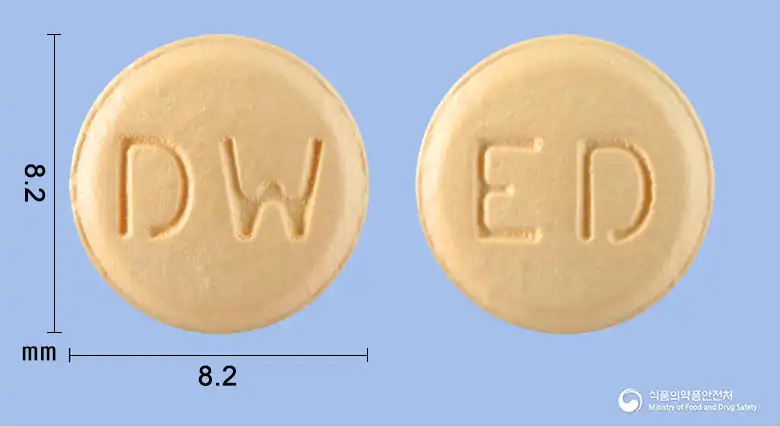
Ebimax D Tablet (Raloxifene, Cholecalciferol)
Raloxifene Hydrochloride 45mg · Cholecalciferol Concentrate Powder 8mg
Tablet · Prescription medication · Combination
Daewoong Pharmaceutical Co., Ltd.
MFDS item code 202104945 · Approved 2021.06.29 · Insurance code 641607560
Treatment and prevention of osteoporosis in postmenopausal women
This medication is used to treat and prevent osteoporosis, which commonly occurs in postmenopausal women.
For patients requiring administration of Raloxifene with insufficient Vitamin D intake, oral administration is recommended at 1 tablet once daily.
This medicine may increase the risk of thrombosis known as venous thromboembolism, so it should be discontinued in patients with a high risk of thrombosis or in restricted mobility. Due to being primarily metabolized in the liver, it is not recommended for patients with poor liver function, and liver function tests should be periodically monitored. The efficacy and safety of this drug have not been established in premenopausal women, so it is not used for them. When administering this medication to postmenopausal women at high risk of cardiovascular disease, the potential increased risk of stroke should be considered, and it should not be used for the purpose of preventing cardiovascular disease. The concurrent use with systemic estrogen formulations is not recommended as its safety has not been confirmed. Pregnant women, women who may become pregnant, and nursing mothers should not take this medication as it may harm the fetus or newborn. Patients with a history of thrombosis, liver dysfunction, uterine bleeding, or endometrial cancer should not use this medication. Patients requiring cautious administration include those with hypertriglyceridemia, renal impairment, kidney stones, and those taking specific medications, and their conditions should be closely monitored. During the treatment with this medication, side effects such as vasodilation (facial flushing), leg cramps, cold symptoms, peripheral edema may occur, so these symptoms should be carefully observed. In the case of overdose, symptoms such as dizziness, vomiting, and rash may appear, and immediate consultation with healthcare professionals is necessary. This medication is not to be used in children, and special care should be taken when administering to the elderly. While it has a low likelihood of drug interactions, caution is needed when used with specific drugs, especially those like cholestyramine should not be taken together. Regular consultations with healthcare professionals should occur during the use of this medication, and any abnormal symptoms should be reported immediately.
Hives, severe swelling, chest tightness, difficulty breathing, cold sweat, pallor, severe rash with high fever, blisters, skin peeling, pain in mouth/eyes mucosa, shortness of breath or difficulty breathing, asthma attack, respiratory distress accompanied by cough and fever, yellowing of the skin or eyes (jaundice), extreme drowsiness, sudden and severe headache, thunderclap headache, seizures, confusion of consciousness, vision disturbances, paralysis, decreased urine output
Not everyone experiences these, and they can vary from person to person.
This medication should be stored in a tightly sealed container to prevent exposure to air and humidity. It is recommended to maintain the storage temperature between 1 degree and 30 degrees Celsius.
Yellow biconvex round film-coated tablets
30 tablets/bottle
Even with the same ingredient, strength, dosage form and how it is taken can differ.
Viewing nowCombinationRaloxifene Hydrochloride 45mg · Cholecalciferol Concentrate Powder 8mg
Tablet · Prescription medication · Combination
Daewoong Pharmaceutical Co., Ltd.
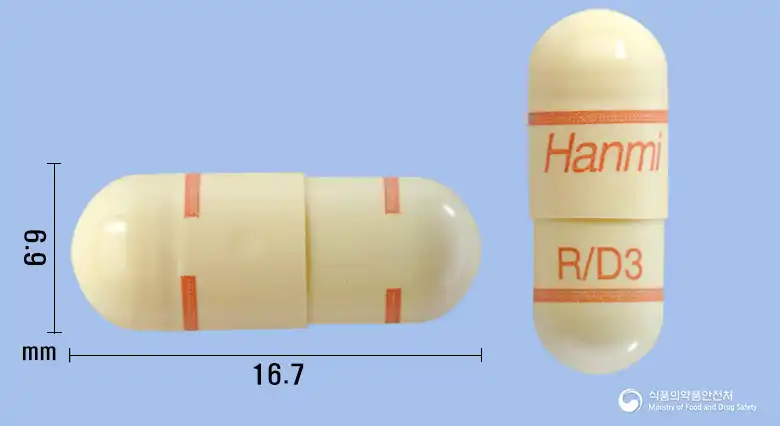 Combination
Raloxifene Hydrochloride 60mg · Cholecalciferol Concentrate Powder 8mg
Hard capsule · Prescription medication · Combination
Hanmi Pharmaceutical Co., Ltd.
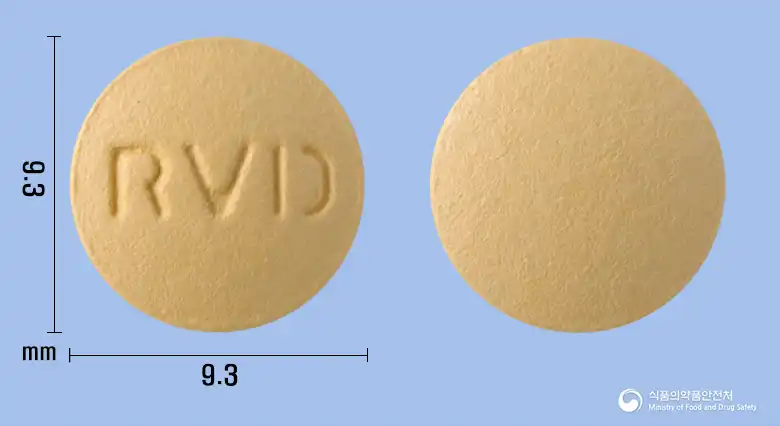 Combination
Raloxifene Hydrochloride 60mg · Cholecalciferol Concentrate Powder 8mg
Tablet · Prescription medication · Combination
Alvogen Korea Co., Ltd.
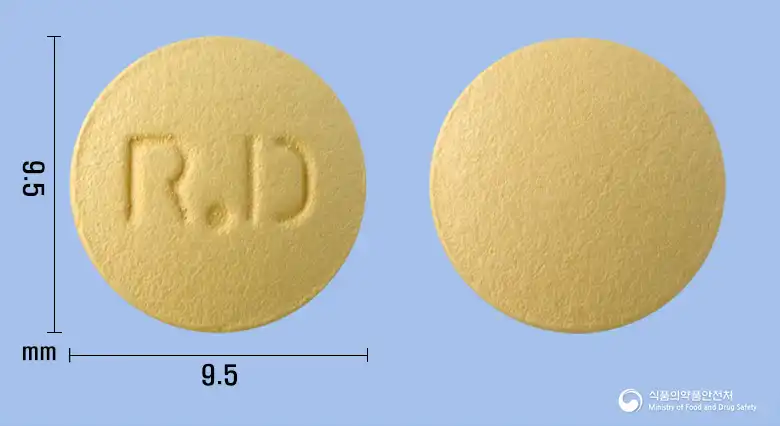 Combination
Raloxifene Hydrochloride 60mg · Cholecalciferol Concentrate Powder 8mg
Tablet · Prescription medication · Combination
Dongkwang Pharmaceutical Co., Ltd.
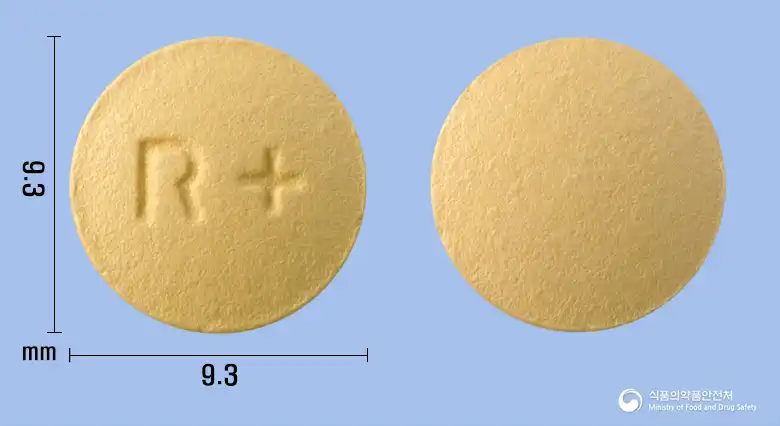 Combination
Raloxifene Hydrochloride 60mg · Cholecalciferol Concentrate Powder 8mg
Tablet · Prescription medication · Combination
Hana Pharmaceutical Co., Ltd.
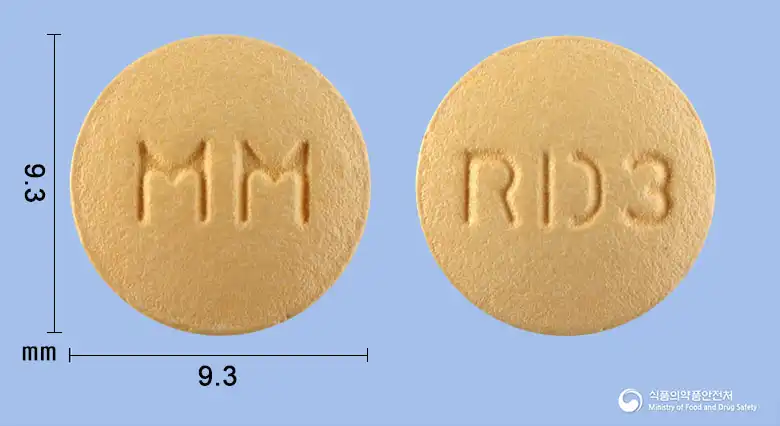 Combination
Raloxifene Hydrochloride 60mg · Cholecalciferol Concentrate Powder 8mg
Tablet · Prescription medication · Combination
Myungmoon Pharmaceutical Co., Ltd.
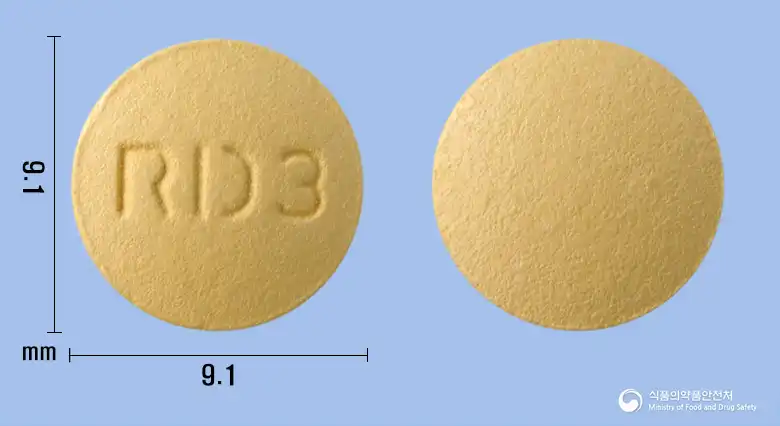 Combination
Raloxifene Hydrochloride 60mg · Cholecalciferol Concentrate Powder 8mg
Tablet · Prescription medication · Combination
LG Chem, Ltd.
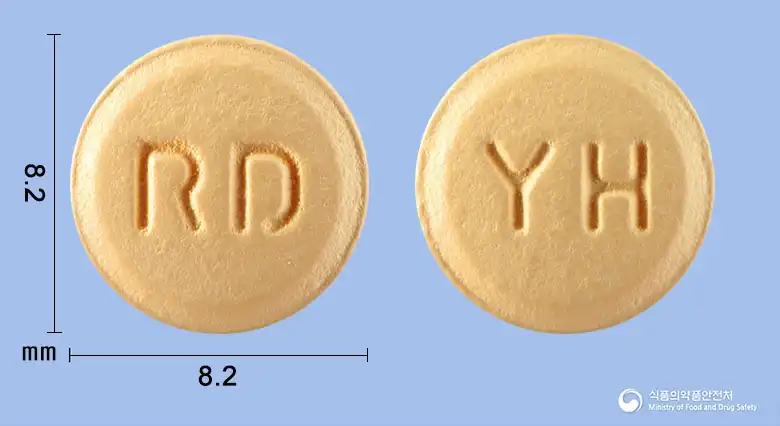 Combination
Raloxifene Hydrochloride 45mg · Cholecalciferol Concentrate Powder 8mg
Tablet · Prescription medication · Combination
Yuhan Corporation
Even with the same ingredient, the dose and directions can differ by strength and dosage form. Talk to a doctor or pharmacist before switching from a medication you are already taking.
No questions yet.
For anything that needs medical judgment, consult a doctor or pharmacist.
This drug information is based on data provided by the Korea Ministry of Food and Drug Safety.
Consult a doctor or pharmacist for accurate dosage, administration, and usage instructions.