
 한국어
한국어 English
 日本語
日本語 中文(简体)
Dosage form image
Viewing nowCombinationEsomark Duo Tablet 20/800mg
Esomeprazole Magnesium Trihydrate 22.26mg · Sodium Bicarbonate 800mg
Tablet · Prescription medication · Combination
Dongkwang Pharmaceutical Co., Ltd.
MFDS item code 202104754 · Approved 2021.06.18
Treatment and prevention of erosive reflux esophagitis, alleviation of symptoms of gastroesophageal reflux disease
This medication is used to treat gastroesophageal reflux disease, especially erosive reflux esophagitis, and is utilized for long-term maintenance therapy to prevent recurrence. It is also effective for alleviating symptoms of gastroesophageal reflux disease without esophagitis. This drug helps improve various symptoms caused by gastroesophageal reflux.
This medication should be taken on an empty stomach at least 1 hour before meals. It should be swallowed whole with at least half a cup of water. It should not be taken with any other beverages except water. It should not be chewed or crushed. 1. Adults - Treatment of erosive reflux esophagitis: Administer 1 time daily, 40/800mg for 4 weeks. If not cured or symptoms persist, take for an additional 4 weeks. - For the prevention of recurrence in patients with esophagitis.
This medication should not be administered to certain patients. For instance, it should not be used in patients who have an allergy to this medication or its components, patients taking certain antiviral medications, nursing mothers, patients with heart disease or those who have had a myocardial infarction in the past. Patients with liver or kidney problems, elderly patients, those with severe gastrointestinal ulcers, patients with weak heart or lung function, patients with electrolyte imbalance, and patients who need to restrict sodium intake should use this medication with extra caution. Various side effects may occur with this medication, with common symptoms including headache, abdominal pain, diarrhea, constipation, and nausea. Rarely, severe symptoms such as blood abnormalities, liver function abnormalities, severe allergic reactions, skin rashes, and muscle weakness may occur, so immediate consultation with healthcare professionals is required if symptoms occur. This medication reduces stomach acid, which may slightly increase the risk of infections due to bacterial proliferation in the stomach. Special attention should be paid to Clostridium difficile infection particularly in hospitalized patients. Long-term use of this medication may increase the risk of fractures, so patients at risk for osteoporosis need regular check-ups. Additionally, long-term use may lead to hypomagnesemia, necessitating periodic checks of magnesium levels. This medication may interact with other drugs, so if other medications are being taken, it is essential to inform healthcare professionals. Caution is particularly needed when used in combination with anticoagulants, anticonvulsants, certain antidepressants, and antiviral agents. During pregnancy, the safety of this medication is not sufficiently established, so it should only be used when necessary, and nursing mothers should preferably avoid using this medication. In case of overdose, there is no specific antidote, and appropriate treatment should be received based on symptoms, as this medication is not removed by dialysis. Lastly, this medication should be kept out of the reach of children, and it should not be transferred to another container.
Hives, angioedema, anaphylactic reaction/shock, severe allergic reaction, jaundice, hepatitis, liver failure, encephalopathy, Stevens-Johnson syndrome, toxic epidermal necrolysis (Lyell syndrome), acute generalized exanthematous pustulosis, eosinophilia and systemic symptoms drug reaction (DRESS syndrome), Clostridium difficile-associated diarrhea, severe skin adverse reactions, shortness of breath or difficulty breathing, asthma attack, etc.
Not everyone experiences these, and they can vary from person to person.
This medication may be sensitive to air or moisture, so it should be stored in a tightly closed container. It is advisable to maintain a storage temperature between 1 and 30 degrees Celsius at room temperature. This way, the effectiveness of the medication can be retained for a longer period.
Pale pink elongated film-coated tablet
28 tablets (7 tablets/PTPX4)
Even with the same ingredient, strength, dosage form and how it is taken can differ.
Esomeprazole Magnesium Trihydrate 22.26mg · Sodium Bicarbonate 800mg
Tablet · Prescription medication · Combination
Dongkwang Pharmaceutical Co., Ltd.
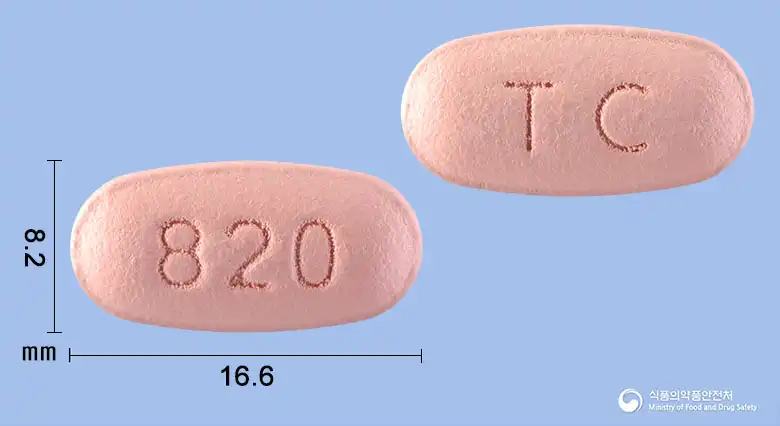 Combination
Esomeprazole Magnesium Trihydrate 22.26mg · Sodium Bicarbonate 800mg
Tablet · Prescription medication · Combination
CTC Bio, Co., Ltd.
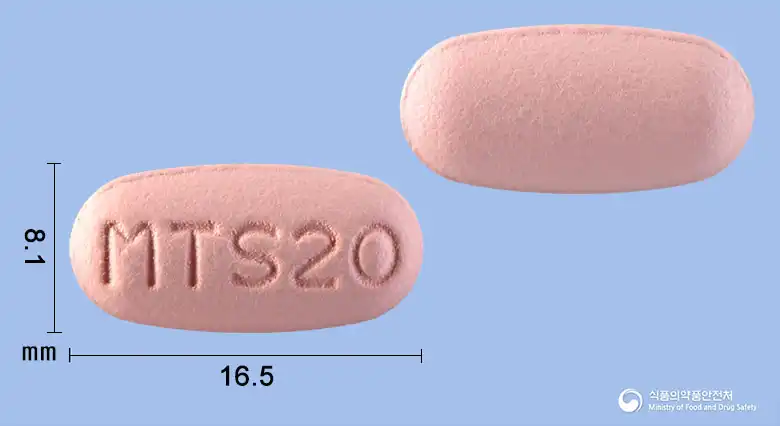 Combination
Esomeprazole Magnesium Trihydrate 22.26mg · Sodium Bicarbonate 800mg
Tablet · Prescription medication · Combination
Mothers Pharmaceutical Co., Ltd.
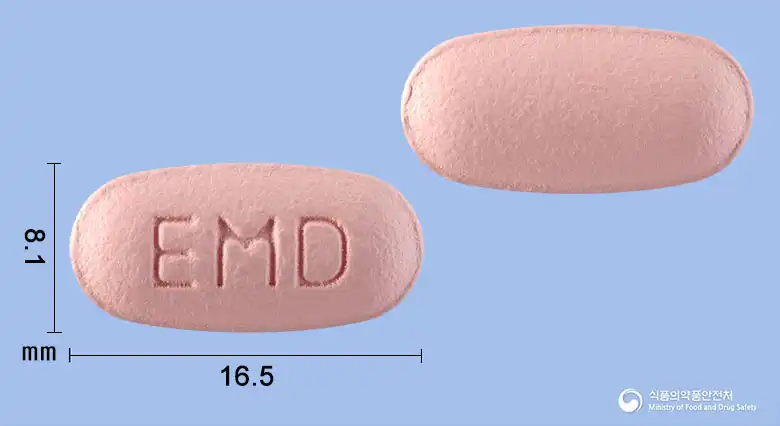 Combination
Esomeprazole Magnesium Trihydrate 22.26mg · Sodium Bicarbonate 800mg
Tablet · Prescription medication · Combination
Pharmgen Science Co., Ltd.
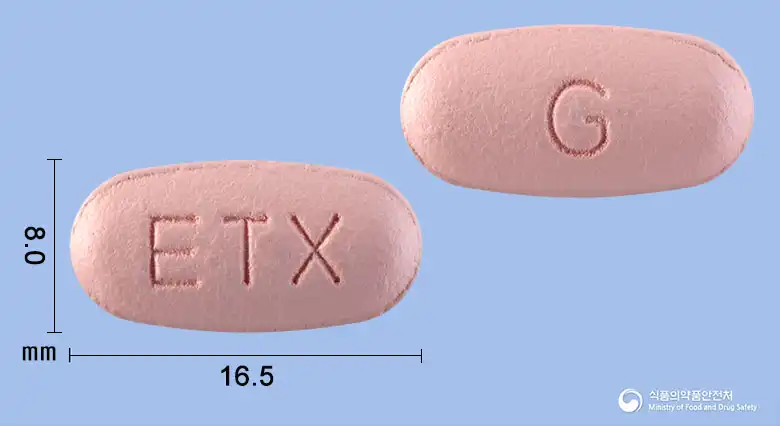 Combination
Esomeprazole Magnesium Trihydrate 22.26mg · Sodium Bicarbonate 800mg
Tablet · Prescription medication · Combination
Teragen Etex Co., Ltd.
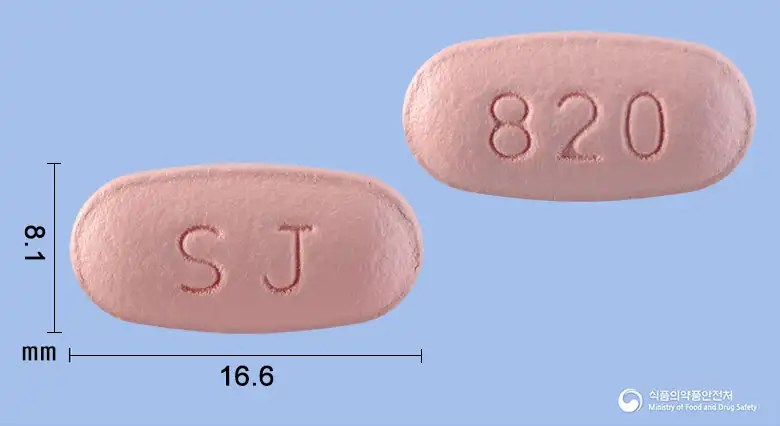 Combination
Esomeprazole Magnesium Trihydrate 22.26mg · Sodium Bicarbonate 800mg
Tablet · Prescription medication · Combination
Samjin Pharmaceutical Co., Ltd.
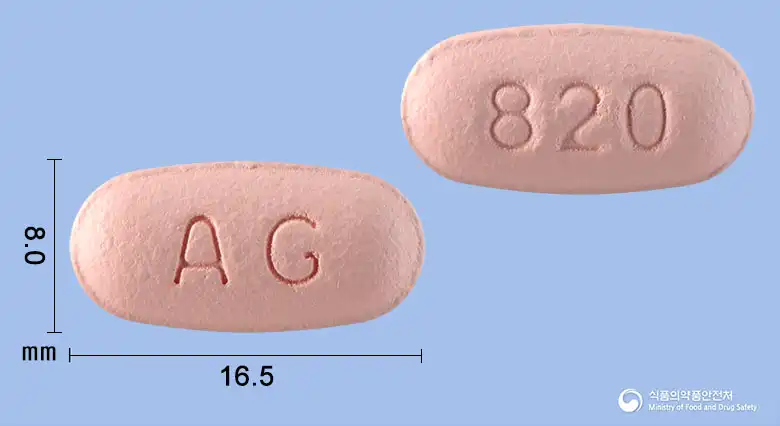 Combination
Esomeprazole Magnesium Trihydrate 22.26mg · Sodium Bicarbonate 800mg
Tablet · Prescription medication · Combination
Ahn-Guk Pharmaceutical Co., Ltd.
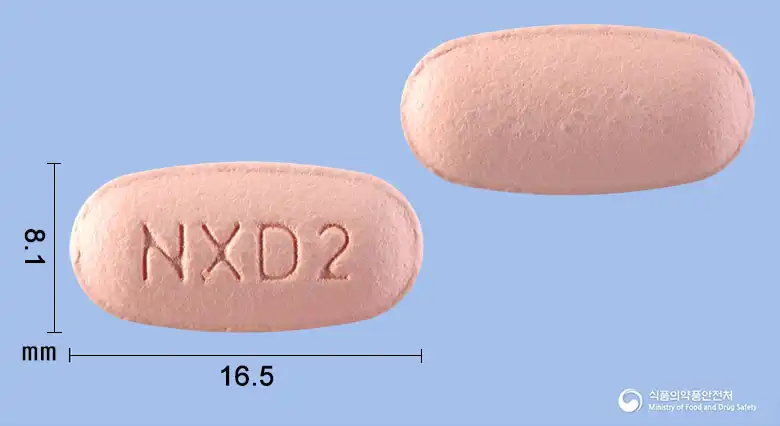 Combination
Esomeprazole Magnesium Trihydrate 22.26mg · Sodium Bicarbonate 800mg
Tablet · Prescription medication · Combination
Hana Pharmaceutical Co., Ltd.
Even with the same ingredient, the dose and directions can differ by strength and dosage form. Talk to a doctor or pharmacist before switching from a medication you are already taking.
No questions yet.
For anything that needs medical judgment, consult a doctor or pharmacist.
This drug information is based on data provided by the Korea Ministry of Food and Drug Safety.
Consult a doctor or pharmacist for accurate dosage, administration, and usage instructions.