
 한국어
한국어 English
 日本語
日本語 中文(简体)
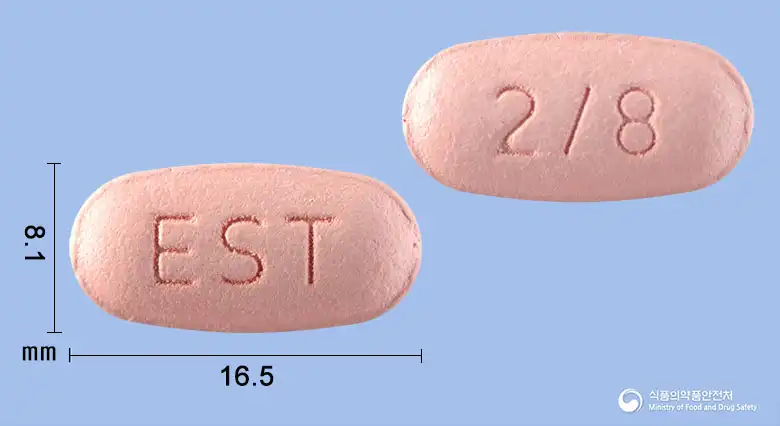 Viewing nowCombination
Esoprazole 20/800 Milligrams
Esomeprazole Magnesium Trihydrate 22.26mg · Sodium Bicarbonate 800mg
Tablet · Prescription medication · Combination
Korea Pharma Co., Ltd.
MFDS item code 202104750 · Approved 2021.06.18 · Insurance code 653006740
Treatment and prevention of erosive reflux esophagitis, relief of gastroesophageal reflux disease symptoms
Gastroesophageal reflux disease (GERD) is a condition that occurs when the contents of the stomach backflow into the esophagus. This medication is effective in treating erosive reflux esophagitis and is used for long-term maintenance therapy to prevent recurrence in patients with esophagitis. It also helps relieve uncomfortable symptoms caused by reflux even in the absence of esophagitis. Therefore, it is used for both symptom relief and treatment of gastroesophageal reflux disease.
This medication should be taken on an empty stomach at least 1 hour before a meal. It should be swallowed whole with at least half a cup of water. It should not be taken with beverages other than water. It should not be chewed or crushed. Treatment of gastroesophageal reflux disease (GERD) - Erosive reflux esophagitis: 40/800 mg once daily for 4 weeks - Maintenance therapy to prevent esophagitis recurrence: 20/800 mg once daily - Symptomatic treatment of gastroesophageal reflux disease without esophagitis: 20/800 mg once daily. If symptoms are not controlled after 4 weeks, additional medical care may be necessary. Once symptoms improve, continuous symptoms can be managed with 20/800 mg once daily. In adults, 20/800 mg can be administered once daily as needed. It is not recommended for continuous symptom management for patients at high risk for gastric ulcer and duodenal ulcer associated with the use of non-steroidal anti-inflammatory drugs.
This medication should not be administered to certain patients. For example, it should not be given to patients with known allergies or hypersensitivity to this medication or its components, patients taking certain antiviral medications, nursing mothers, patients with a history of heart disease, etc. Patients with liver or kidney function issues, elderly patients, patients with impaired heart or lung function, patients with electrolyte imbalances, and patients who need to restrict sodium intake should use this medication with caution. While taking this medication, various side effects may occur, so attention is required. For example, blood disorders, allergic reactions, gastrointestinal issues, neuropsychiatric symptoms, skin rashes, muscle pain, abnormal liver function, etc., have been reported. Rarely, severe adverse effects like serious skin disorders or muscle damage may occur; therefore, if symptoms appear, immediate consultation with a healthcare professional is necessary. This medication can reduce stomach acid, which may increase the risk of infections due to bacterial overgrowth in the gastrointestinal tract; hence, if diarrhea persists, it should be reported to a healthcare professional. Long-term use may increase the risk of fractures, so patients with osteoporosis should undergo regular check-ups. This medication may interact with other drugs, especially when taken with anticoagulants, antidepressants, anticonvulsants, and antiviral medications, so it should be taken according to the healthcare professional's guidance. Care is required as the effectiveness of some medications can change when taken in combination. The safety of this medication during pregnancy is not fully established, so it should be used cautiously only when necessary, and it is advisable not to take it while nursing. In the event of overdose, there is no specific antidote, so treatment and general management according to symptoms are necessary, and it should be kept out of the reach of children and not transferred to other containers.
Hives, angioedema, anaphylaxis reaction/shock, hyponatremia, hypomagnesemia, hypocalcemia, bronchospasm, increased liver enzymes, hepatitis with or without jaundice, liver failure, mucocutaneous syndrome (Stevens-Johnson syndrome), toxic epidermal necrolysis (Lyell syndrome), acute generalized exanthematous pustulosis, drug reaction with eosinophilia and systemic symptoms (DRESS syndrome), interstitial nephritis, Clostridium difficile infection
Not everyone experiences these, and they can vary from person to person.
This medication should be stored in a tightly closed container to protect it from air and moisture, at room temperature between 1 degree and 30 degrees Celsius. By storing it this way, the effectiveness of the medication can be maintained for a longer period.
Pale pink rectangular film-coated tablet
28 tablets (7 tablets/PTPX4)
Even with the same ingredient, strength, dosage form and how it is taken can differ.
Viewing nowCombinationEsomeprazole Magnesium Trihydrate 22.26mg · Sodium Bicarbonate 800mg
Tablet · Prescription medication · Combination
Korea Pharma Co., Ltd.
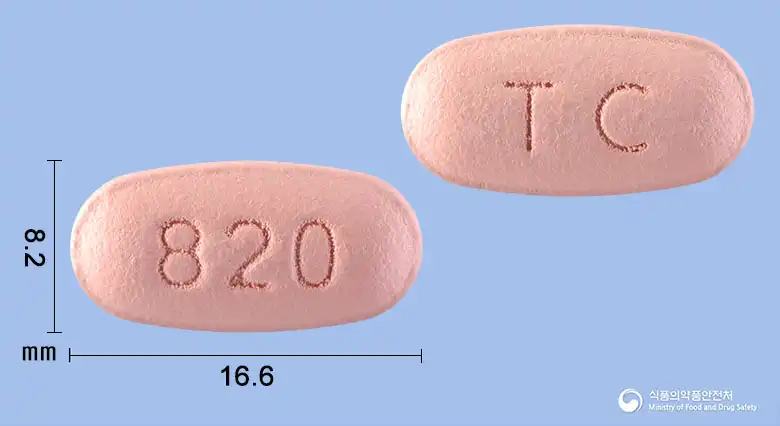 Combination
Esomeprazole Magnesium Trihydrate 22.26mg · Sodium Bicarbonate 800mg
Tablet · Prescription medication · Combination
CTC Bio, Co., Ltd.
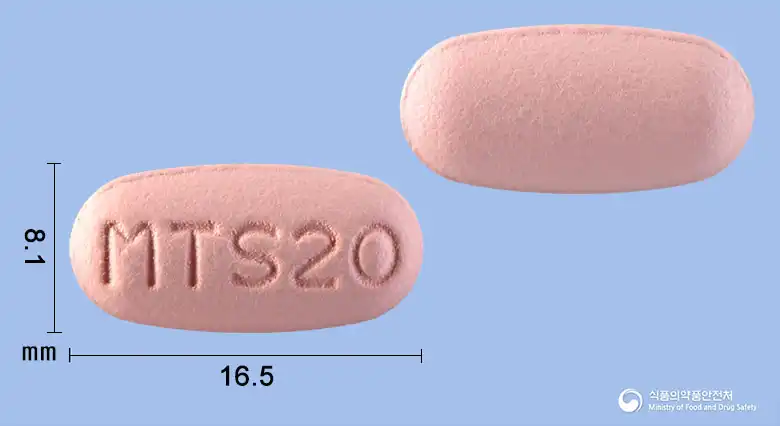 Combination
Esomeprazole Magnesium Trihydrate 22.26mg · Sodium Bicarbonate 800mg
Tablet · Prescription medication · Combination
Mothers Pharmaceutical Co., Ltd.
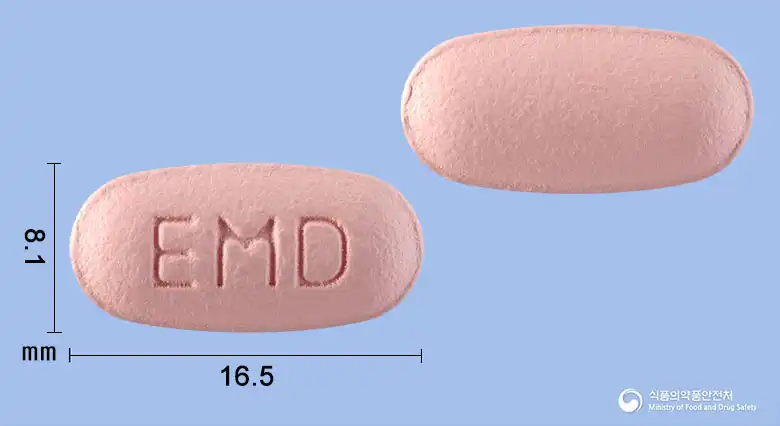 Combination
Esomeprazole Magnesium Trihydrate 22.26mg · Sodium Bicarbonate 800mg
Tablet · Prescription medication · Combination
Pharmgen Science Co., Ltd.
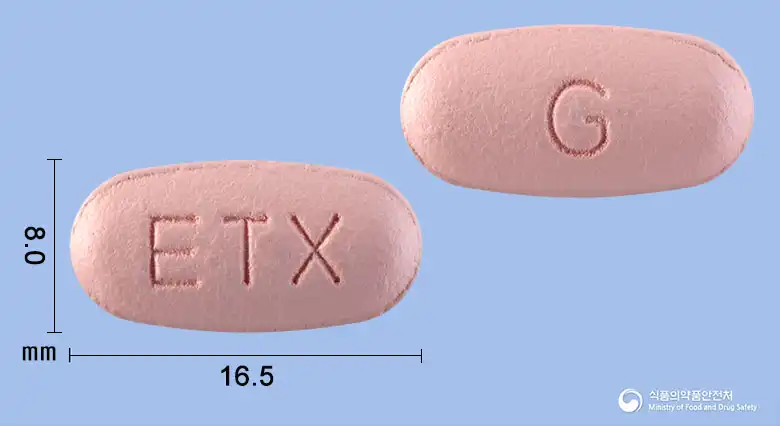 Combination
Esomeprazole Magnesium Trihydrate 22.26mg · Sodium Bicarbonate 800mg
Tablet · Prescription medication · Combination
Teragen Etex Co., Ltd.
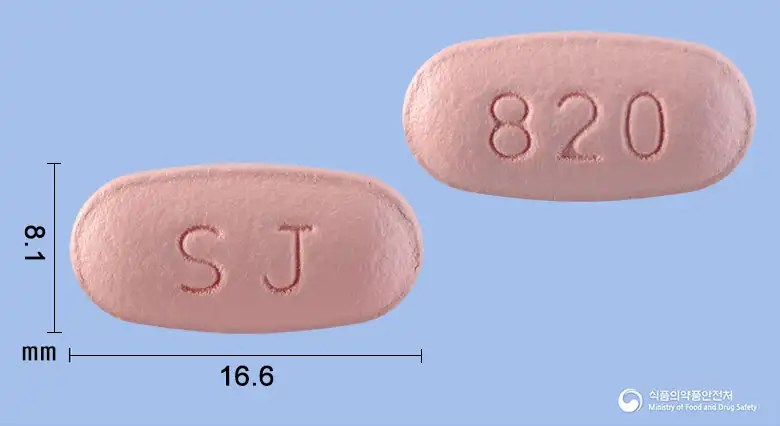 Combination
Esomeprazole Magnesium Trihydrate 22.26mg · Sodium Bicarbonate 800mg
Tablet · Prescription medication · Combination
Samjin Pharmaceutical Co., Ltd.
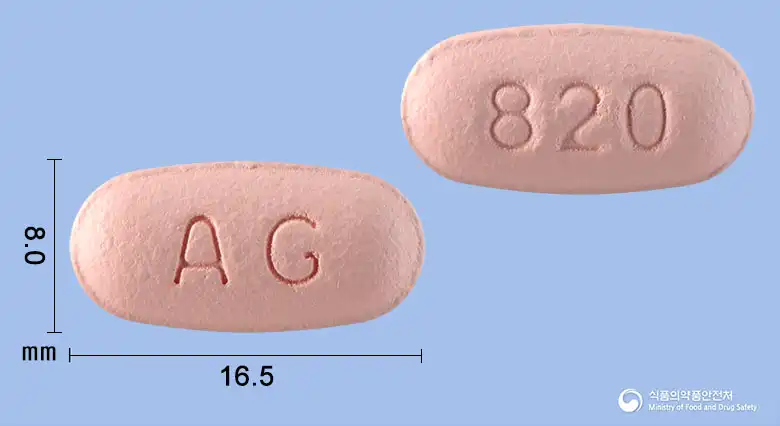 Combination
Esomeprazole Magnesium Trihydrate 22.26mg · Sodium Bicarbonate 800mg
Tablet · Prescription medication · Combination
Ahn-Guk Pharmaceutical Co., Ltd.
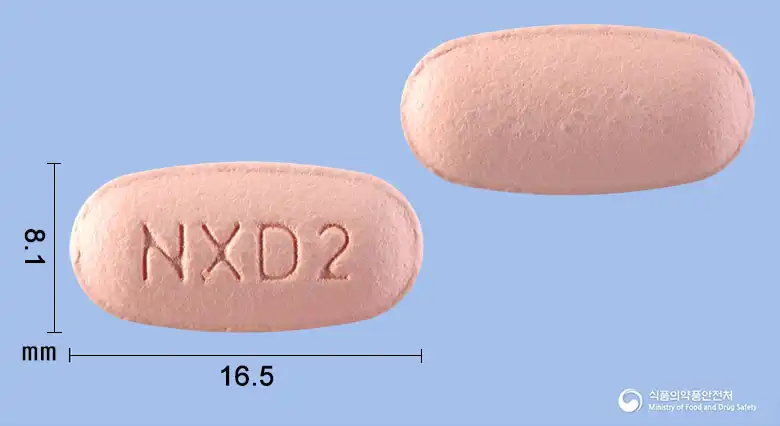 Combination
Esomeprazole Magnesium Trihydrate 22.26mg · Sodium Bicarbonate 800mg
Tablet · Prescription medication · Combination
Hana Pharmaceutical Co., Ltd.
Even with the same ingredient, the dose and directions can differ by strength and dosage form. Talk to a doctor or pharmacist before switching from a medication you are already taking.
No questions yet.
For anything that needs medical judgment, consult a doctor or pharmacist.
This drug information is based on data provided by the Korea Ministry of Food and Drug Safety.
Consult a doctor or pharmacist for accurate dosage, administration, and usage instructions.