
 한국어
 English
 日本語
 中文(简体)
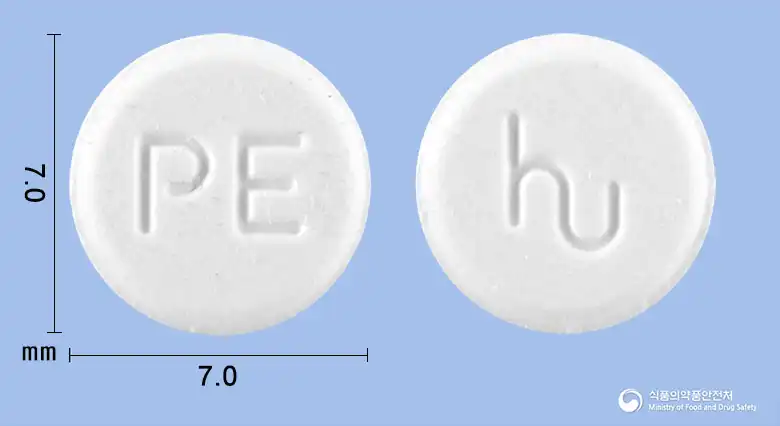
Summary
- Main use
- Relief of joint and lower back pain (e.g., osteoarthritis and lower back pain) and fever associated with acute upper respiratory tract infections
- Who takes it
- Adults
- Adult dose
- Adults: Take 1 tablet per dose (30mg as pelubiprofen) orally 3 times daily after meals.
Ingredients
- Manufacturer
- Huons Co., Ltd.
Efficacy & effects
Relief of joint and lower back pain (e.g., osteoarthritis and lower back pain) and fever associated with acute upper respiratory tract infections
- Symptoms of osteoarthritis
- symptoms of rheumatoid arthritis
- low back pain
- symptoms of acute upper respiratory infections
View approved original textHide original text
This medication is effective in alleviating symptoms associated with joint and spinal disorders such as osteoarthritis, rheumatoid arthritis, and low back pain. It is also used to lower fever caused by acute upper respiratory infections. This medication reduces inflammation and pain, improving the patient's comfort in daily life. It enhances activity by relieving joint stiffness and pain, and helps quick recovery by reducing fever due to infections. Overall, it is useful for treating joint and musculoskeletal disorders and infectious fever.
How to take
Adult dose
Adults: Take 1 tablet per dose (30mg as pelubiprofen) orally 3 times daily after meals.
Precautions
Patients who regularly consume more than three alcoholic drinks daily should consult a physician or pharmacist before taking this medication. This medication may cause gastric bleeding. This medication may increase the risk of cardiovascular diseases, so patients with a history of heart disease or stroke, or those with risk factors, should take special precautions. If cardiovascular symptoms appear during treatment, consult a healthcare professional immediately. This medication can cause serious gastrointestinal side effects such as gastric bleeding, ulcers, or perforation, and elderly patients or those with a history of gastrointestinal diseases should exercise increased caution. Notify healthcare professionals immediately if symptoms such as abdominal pain, heartburn, or vomiting occur during treatment. Patients with a history of peptic ulcers, severe blood disorders, severely impaired liver or kidney function, severe heart failure, hypertension, known allergies to any component of this medication, allergies to aspirin or other non-steroidal anti-inflammatory drugs, nursing mothers, or those with certain genetic diseases should not take this medication. Those with a history of peptic ulcers, blood disorders, liver and kidney diseases, heart dysfunction, hypertension, asthma, and elderly patients should be especially cautious when taking this medication, and regular check-ups as per a physician's advice may be necessary. This medication can cause side effects such as headaches, dizziness, indigestion, abdominal pain, swelling, and palpitations, so consult healthcare professionals if any unusual symptoms occur. It is advisable not to take this medication with other anti-inflammatory drugs, as it may interact with certain blood pressure medications, antibiotics, anticoagulants, etc. Inform your physician or pharmacist if you are taking any other medications. During pregnancy, especially in the later stages, this medication may affect the fetus; therefore, women who are pregnant or may become pregnant should avoid use, and nursing mothers should also avoid this medication for safety reasons. Safety in pediatric use has not been established; hence, it is not recommended for children. Elderly individuals are at a higher risk of side effects and should start at the minimum dose and use it cautiously.
Side effects
- gastrointestinal bleeding
- cardiovascular thrombotic reaction
- myocardial infarction
- stroke
- bleeding from the stomach or intestines
- ulcer
- perforation
- edema
- abdominal pain
- heartburn
Show 85 moreCollapse
- indigestion
- nausea
- vomiting
- upper respiratory infection
- headache
- dizziness
- drowsiness
- confusion
- heaviness in the head
- insomnia
- flushing
- tinnitus
- itching
- dry eyes
- hives
- blurred vision
- eczema
- sensory disturbances
- vitreous floaters
- dry skin
- hair loss
- discomfort in the stomach area
- diarrhea
- constipation
- decreased appetite
- abdominal distension
- glossitis
- dry mouth
- oral discomfort
- stomatitis
- increased appetite
- chest pain
- palpitations
- hypotension
- myocardial ischemia
- hypertension
- dyspnea
- cough
- epistaxis
- dry throat
- frequent urination
- decreased urine output
- vaginitis
- vaginal bleeding
- myalgia
- low back pain
- back pain
- arthralgia
- fracture
- facial edema
- fatigue
- weight gain
- chills
- fever
- discomfort in the chest
- pallor
- weight loss
- pain
- infection
- viral infection
- increased blood urea nitrogen
- leukopenia
- hypercholesterolemia
- elevated liver enzyme levels
- musculoskeletal pain
- anaphylactic reaction
- angioedema
- dyspepsia
- melena
- skin rash
- nausea
- abdominal discomfort
- jaundice
- fulminant hepatitis
- hepatic necrosis
- liver failure
- anemia
- exfoliative dermatitis
- Stevens-Johnson syndrome
- toxic epidermal necrolysis
- bronchospasm
- anaphylactoid reaction
- drowsiness
- dizziness
- visual impairment
Not everyone experiences these, and they can vary from person to person.
Storage
This medication is sensitive to light and should be stored in a tightly closed container protected from light. The storage temperature should be maintained between 1 to 30 degrees Celsius to ensure the medication's efficacy safely.
Appearance and packaging
Appearance
White to light yellow round tablets
Package unit
30 tablets/bottle, 300 tablets/bottle
Questions about this medicine
No questions yet.
For anything that needs medical judgment, consult a doctor or pharmacist.