
 한국어
 English
 日本語
 中文(简体)
Dosage form image
Viewing nowEtomed Tablet 30 mg (Etoricoxib)
Etoricoxib 30mg
Tablet · Prescription medication
Kujoo Pharmaceutical Co., Ltd.
MFDS item code 202103423 · Approved 2021.04.27
Relief of symptoms of osteoarthritis (degenerative arthritis)
This drug is used to relieve the symptoms or signs of osteoarthritis, that is, degenerative arthritis. It particularly acts as a selective COX-2 inhibitor to reduce pain and inflammation, helping patients to lead a more comfortable daily life. However, before using this drug, it's essential to evaluate the overall health status and risks of the individual patient. This is crucial to minimize the side effects or risks associated with medication use. Therefore, it is necessary to take this medication safely according to the doctor's instructions. This drug is used to relieve symptoms of osteoarthritis.
The potential risks and benefits of this medication and alternative treatments should be considered before treatment is started. As cardiovascular risk increases with higher doses and longer exposure, use this medication for the shortest possible duration. Adverse reactions such as hypertension, congestive heart failure, and edema may occur during treatment. Reassess at least monthly whether treatment should be continued based on symptom relief and the patient's response to treatment. This medication may be taken with or without food. Adults: The recommended dose is 30 mg once daily. Do not exceed 30mg per day. If there is no therapeutic benefit at the recommended dose, discontinue this medication and consider an appropriate alternative treatment. Patients with hepatic impairment: No dosage adjustment is necessary in patients with mild or moderate hepatic impairment (Child-Pugh score 5-9). However, use caution because experience with this medication in patients with moderate hepatic impairment is limited. Do not use this medication in patients with severe hepatic impairment (Child-Pugh score >9), as there is no experience with its use in these patients. Patients with renal impairment: No dosage adjustment is necessary in patients with mild or moderate renal impairment (creatinine clearance of 30 mL/min or greater). Do not use this medication in patients with severe renal impairment (creatinine clearance below 30 mL/min). Elderly patients: No dosage adjustment is necessary in elderly patients.
Individuals who regularly consume more than three alcoholic drinks daily should consult a doctor or pharmacist before taking this medication; otherwise, gastrointestinal bleeding may occur. This drug may pose cardiovascular risks, with serious thromboembolic events such as myocardial infarction or stroke, so it should be taken at the minimum effective dose for the shortest duration possible. Even individuals without a history of cardiovascular disease should exercise caution and consult a healthcare professional if they experience symptoms such as chest pain or shortness of breath. As a non-steroidal anti-inflammatory drug, there is a risk of serious gastrointestinal issues such as bleeding, ulcers, and perforations. This is especially true for elderly patients or those with a history of gastrointestinal disorders, who should be particularly careful. If symptoms like epigastric pain, black stools, or hematemesis occur, immediate medical attention is necessary. This drug should not be used in individuals with certain diseases or drug hypersensitivities, uncontrolled high blood pressure, heart failure, a history of cardiovascular disease, pregnant or breastfeeding women, or patients with inflammatory bowel disease. Caution is advised for those with hepatic or renal impairment, asthma, a history of hypertension or edema, those taking diuretics or antihypertensives, elderly patients, and those with diabetes, as they should take this drug with care. Adverse effects such as infections, blood-related issues, edema, anxiety, headache, digestive disorders, liver dysfunction, skin rashes, heart problems, high blood pressure, and respiratory issues may occur during treatment, so any abnormal symptoms should be reported to a healthcare professional immediately. This drug may interact with other medications, so when taken with warfarin, ACE inhibitors, diuretics, aspirin, immunosuppressants, lithium, methotrexate, or oral contraceptives, it is essential to consult with a doctor and undergo regular monitoring. Pregnant women or those planning to become pregnant should not take this drug, and breastfeeding mothers should also avoid it. Furthermore, the safety and efficacy of this medication have not been established for children under 18 years. Elderly patients may have impaired kidney, liver, or heart function, requiring increased caution and regular health status checks during treatment. If this medication is taken long-term, regular blood tests and liver and kidney function screenings should be conducted, and if abnormalities are found, the medication should be discontinued. In cases of overdose, symptoms such as lethargy, drowsiness, nausea, vomiting, abdominal pain, gastrointestinal bleeding, hypertension, acute renal failure, respiratory depression, and coma may occur, requiring immediate medical attention, as blood dialysis cannot remove the drug. Keep the medication out of reach of children and do not transfer it to other containers.
Gastrointestinal bleeding, serious cardiovascular thrombotic reactions, myocardial infarction, stroke, bleeding of the stomach or intestines, ulcers, perforation, osteitis, gastritis, upper respiratory infection, urinary tract infection, anemia, leukopenia, thrombocytopenia, hypersensitivity reactions, angioedema, anaphylaxis, shock, edema, fluid retention, increased appetite, decreased appetite, weight gain, anxiety, depression, decreased mental strength, hallucinations, confusion, restlessness, dizziness, headache, taste disorder, insomnia, sensory disturbance, sensory decrease, drowsiness, intracranial bleeding, blurred vision, conjunctivitis, tinnitus, vertigo, palpitations, arrhythmia, atrial fibrillation, tachycardia, congestive heart failure, nonspecific ECG changes, angina pectoris, myocardial infarction, hypertension, flushing, cerebrovascular events, transient ischemic attack, hypertensive crisis, vasculitis, deep vein thrombosis, bronchospasm, cough, shortness of breath, nosebleed, pulmonary embolism, abdominal pain, constipation, distention, gastritis, heartburn, acid reflux, diarrhea, dyspepsia, upper abdominal discomfort, nausea, vomiting, esophagitis, oral ulcers, abdominal bloating, changes in bowel movements, dry mouth, gastric duodenal ulcer, gastrointestinal perforation, peptic ulcer, irritable bowel syndrome, pancreatitis, alanine aminotransferase increase, aspartate aminotransferase increase, hepatitis, liver failure, jaundice, petechiae, facial edema, itching, rash, erythema, urticaria, Stevens-Johnson syndrome, toxic epidermal necrolysis, fixed drug eruption, muscle cramps, musculoskeletal pain, musculoskeletal stiffness, proteinuria, increased serum creatinine, renal failure, renal dysfunction, weakness, fatigue, flu-like illness, chest pain, increased blood urea nitrogen, increased creatine phosphokinase, hyperkalemia, increased uric acid, decreased serum sodium, facial swelling, chest discomfort, tremors, visual impairment
Not everyone experiences these, and they can vary from person to person.
This drug should be stored in a sealed container to protect it from air and moisture. Additionally, it is recommended to store the medication in a cool room temperature between 1 and 30 degrees Celsius.
Bluish-green apple-shaped, bilaterally convex, film-coated tablet
30 tablets/box [10 tablets/PTP x 3]
Even with the same ingredient, strength, dosage form and how it is taken can differ.
Etoricoxib 30mg
Tablet · Prescription medication
Kujoo Pharmaceutical Co., Ltd.
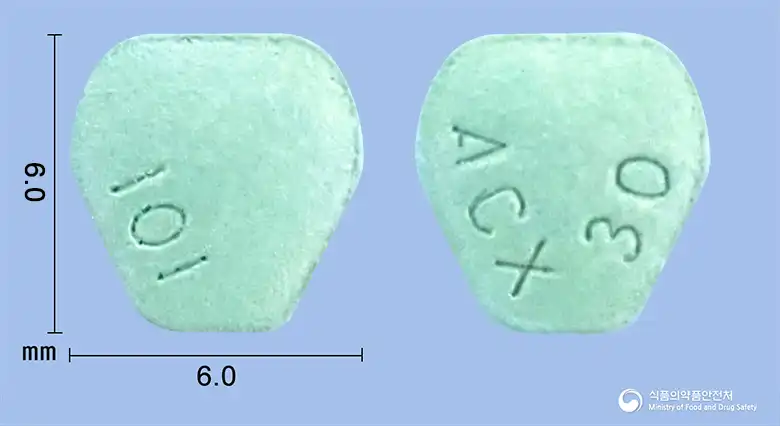
Etoricoxib 30mg
Tablet · Prescription medication
Korea Organon Co., Ltd.
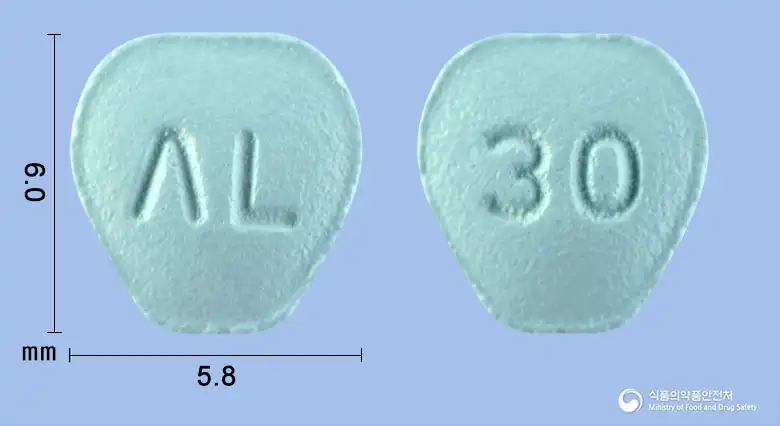
Etoricoxib 30mg
Tablet · Prescription medication
Alcoc Pharmaceutical Co., Ltd.
Etoricoxib 30mg
Tablet · Prescription medication
Boryung Co., Ltd.
Etoricoxib 30mg
Tablet · Prescription medication
IYON Pharmaceutical Co., Ltd.
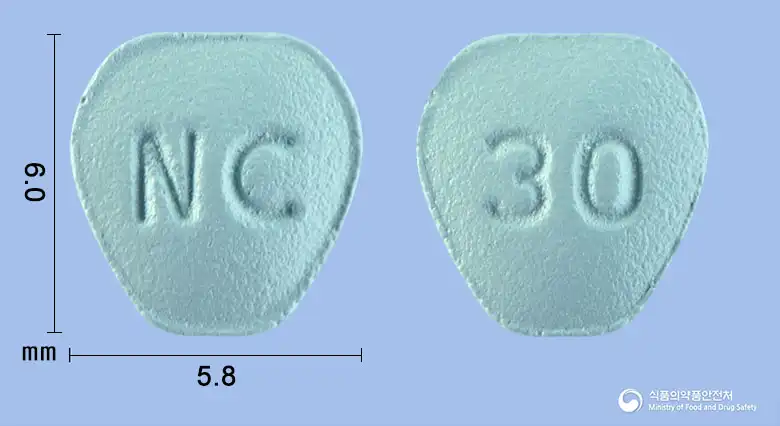
Etoricoxib 30mg
Tablet · Prescription medication
Samil Pharmaceutical Co., Ltd.
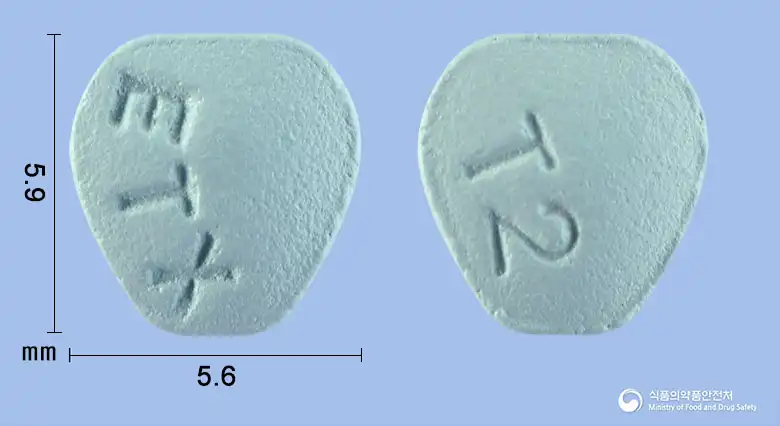
Etoricoxib 30mg
Tablet · Prescription medication
Teragen Etex Co., Ltd.
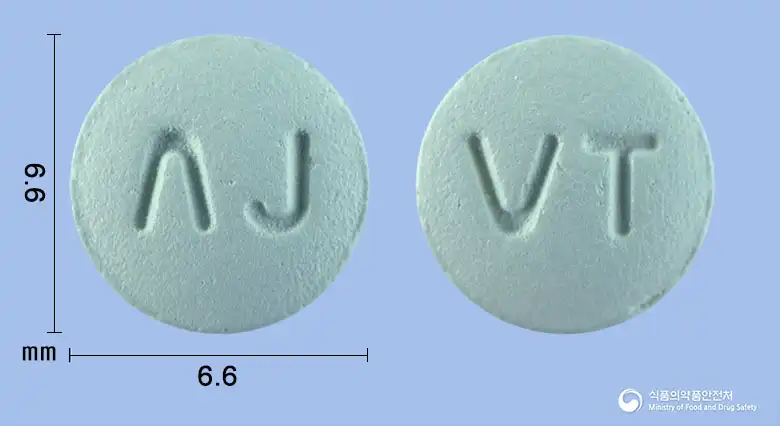
Etoricoxib 30mg
Tablet · Prescription medication
Aju Pharmaceuticals Co., Ltd.
Even with the same ingredient, the dose and directions can differ by strength and dosage form. Talk to a doctor or pharmacist before switching from a medication you are already taking.
No questions yet.
For anything that needs medical judgment, consult a doctor or pharmacist.
This drug information is based on data provided by the Korea Ministry of Food and Drug Safety.
Consult a doctor or pharmacist for accurate dosage, administration, and usage instructions.