
 한국어
한국어 English
 日本語
日本語 中文(简体)
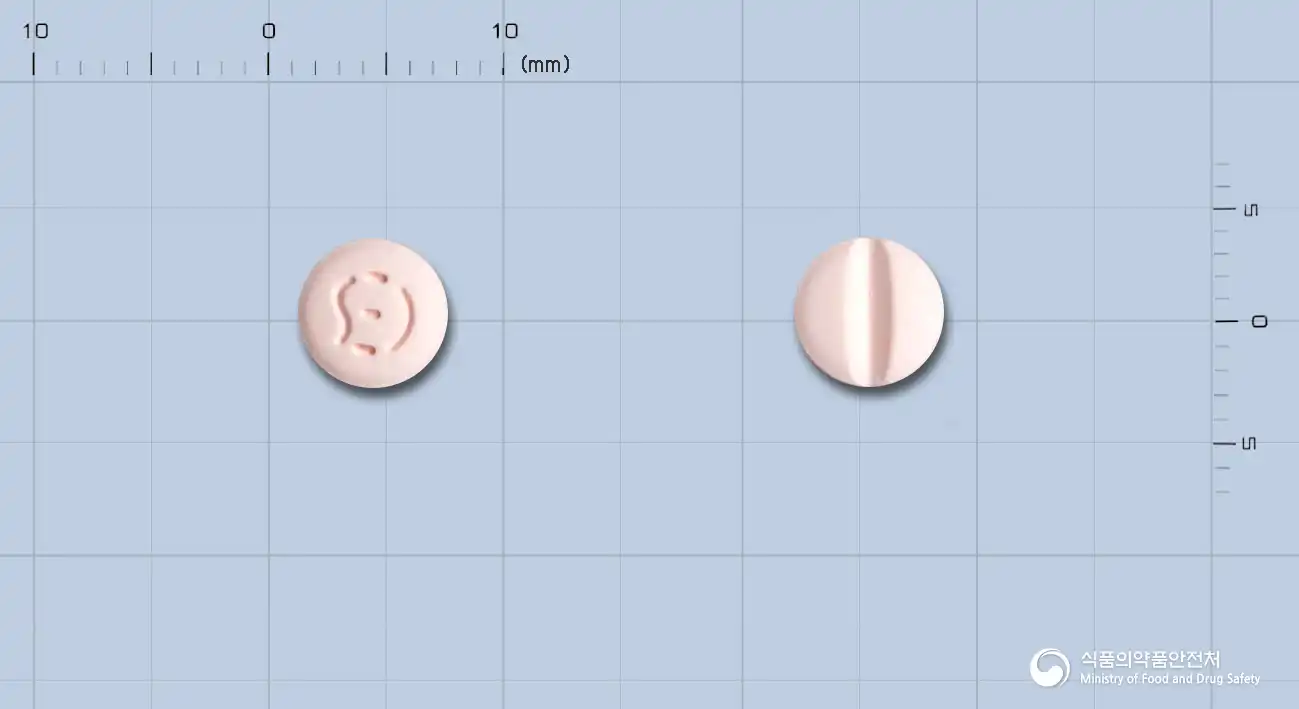
Dosage form image
Viewing nowRivatoro Tablets 4 mg (Pitavastatin Calcium Hydrate)
Pitavastatin Calcium Hydrate 4.409mg
Tablet · Prescription medication
Boryung Biopharma Co., Ltd.
MFDS item code 202103408 · Approved 2021.04.27
Improvement of hypercholesterolemia and dyslipidemia
This medication helps lower high total cholesterol, LDL cholesterol, apolipoprotein B, and triglyceride levels in patients with primary hypercholesterolemia and mixed dyslipidemia, while increasing good cholesterol levels (HDL cholesterol). It is used to reduce the risk of cardiovascular disease by improving blood lipid levels when used in combination with diet therapy.
For adults, take 1 to 2 mg of pitavastatin calcium once daily. If the LDL-cholesterol lowering effect is insufficient, the dose may be increased to a maximum of 4 mg per day. Adjust the dosage appropriately after an interval of at least 4 weeks.
This medication should not be used in patients who are allergic to certain ingredients. Patients with poor liver function or liver disease should also not take this medication. Patients with renal dysfunction or myopathy should avoid this medication. Women who are pregnant or may become pregnant, as well as breastfeeding women, should not use this medication. The safety and efficacy of this medication have not been established in children, so it is not used in this population. Patients with lactose intolerance or certain genetic disorders should not take this medication. Patients allergic to soybean oil, soy, or peanuts should also exercise caution. Patients with impaired renal function or liver dysfunction should use this medication with caution, especially if taking other specific drugs, as there is an increased risk of muscle damage and renal function deterioration. Elderly individuals or patients with hypothyroidism, diabetes, or lipid metabolism disorders should exercise special caution when taking this medication. While taking this medication, symptoms such as muscle pain, weakness, abdominal pain, rash, and itching may occur, and liver function abnormalities or changes in blood test results may occur, so regular testing is necessary. Particularly, if muscle-related abnormal symptoms appear, the medication should be stopped immediately, and a doctor should be consulted. This medication can interact with other specific drugs, such as with cyclosporine or fibrate medications and niacin, which may increase the risk of renal function deterioration and muscle damage; therefore, concurrent use should be avoided or used with great caution. Before taking this medication, lifestyle modifications such as diet and exercise should be considered first, and if no effect is seen, the medication should be discontinued. Patients with poor liver function should start with a low dose and undergo regular liver function tests and blood lipid tests during treatment. Pregnant or breastfeeding women should not take this medication, and women planning to conceive should consult a doctor before taking it. The tablets should be swallowed whole without dividing, and stored out of reach of children. This medication may cause adverse reactions more frequently in the elderly, so special caution is required during use. Additionally, rare but serious conditions such as severe muscle weakness, interstitial lung disease, and worsening diabetes have been reported, so if these symptoms are suspected, immediate consultation with healthcare professionals is necessary.
Hives, swelling, chest tightness, difficulty breathing, cold sweat, pallor, rhabdomyolysis, myopathy, liver dysfunction, jaundice, decreased platelets, severe rash with high fever, blisters, skin peeling, pain in oral/eye mucosa, shortness of breath or difficulty breathing, asthma attack, respiratory abnormalities accompanied by cough and fever, yellowing of the skin or eyes, extreme lethargy, sudden and very severe headache, thunderclap headache, seizures
Not everyone experiences these, and they can vary from person to person.
This medication is sensitive to light and should be stored in a container that does not allow light to enter. It is also best to keep the medication at room temperature between 1°C and 30°C. This will help maintain the effectiveness of the medication for a longer time.
Light yellow round film-coated tablet
Bottle - 30 tablets/bottle, Bottle - 100 tablets/bottle
Even with the same ingredient, strength, dosage form and how it is taken can differ.
Pitavastatin Calcium Hydrate 4.409mg
Tablet · Prescription medication
Boryung Biopharma Co., Ltd.
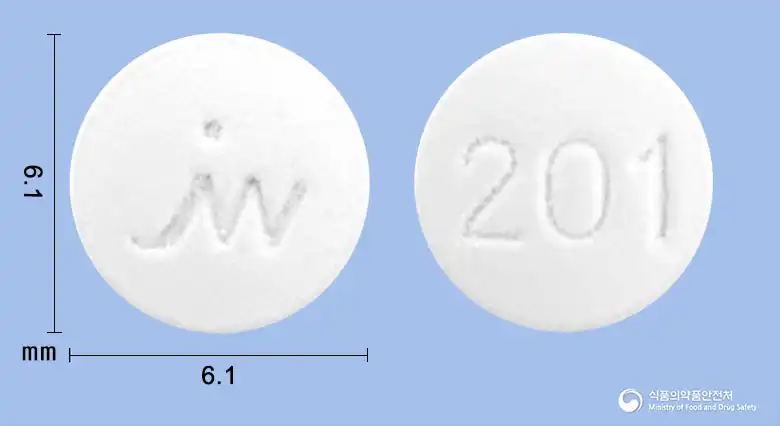
Pitavastatin Calcium Hydrate 1mg
Tablet · Prescription medication
JW Pharmaceutical Corporation

Pitavastatin Calcium Hydrate 2mg
Tablet · Prescription medication
JW Pharmaceutical Corporation
Pitavastatin Calcium 2mg
Tablet · Prescription medication
Youngjin Pharmaceutical Co., Ltd.
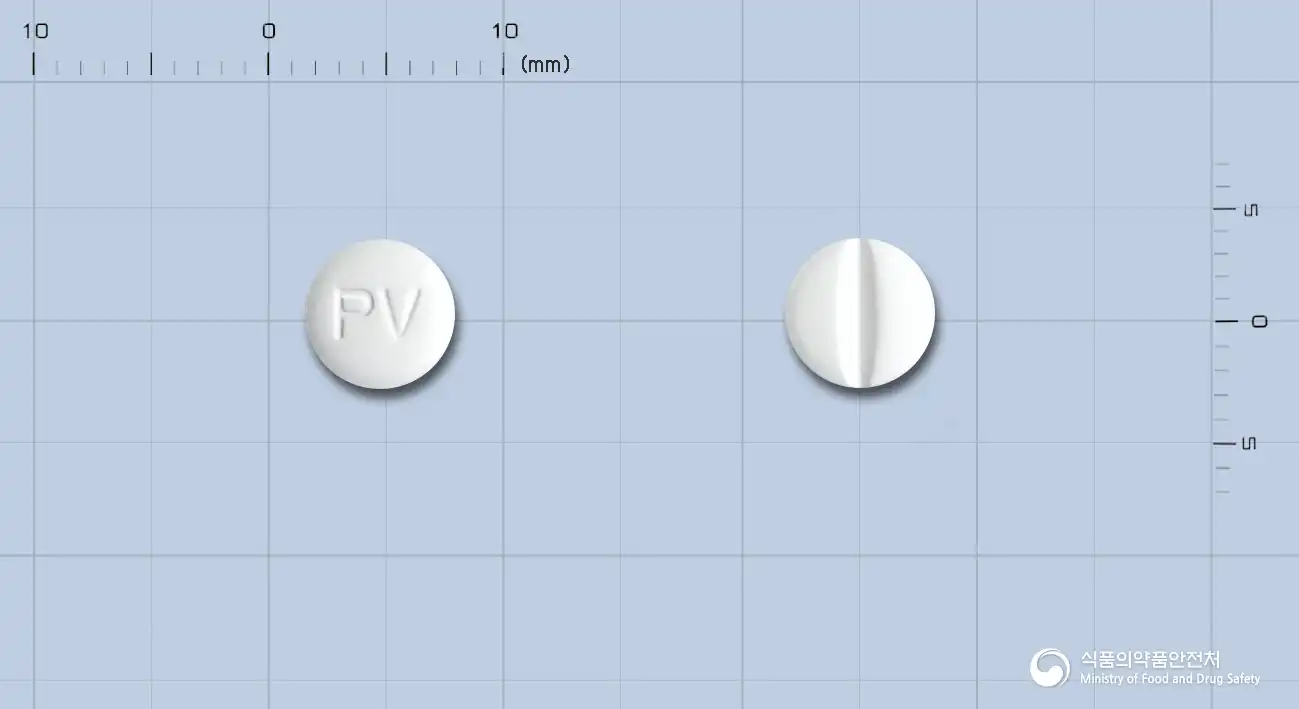
Pitavastatin Calcium 2mg
Tablet · Prescription medication
Samchundang Pharmaceutical Co., Ltd.
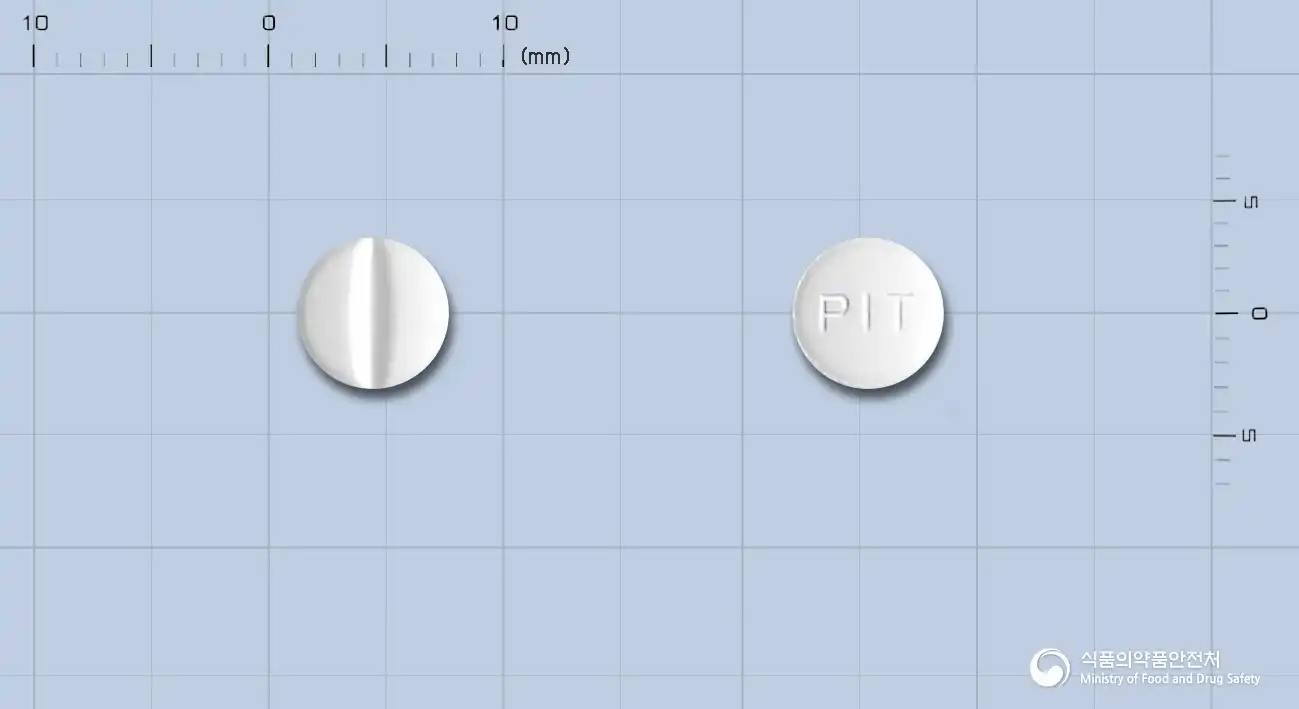
Pitavastatin Calcium 2mg
Tablet · Prescription medication
Daewon Pharmaceutical Co., Ltd.
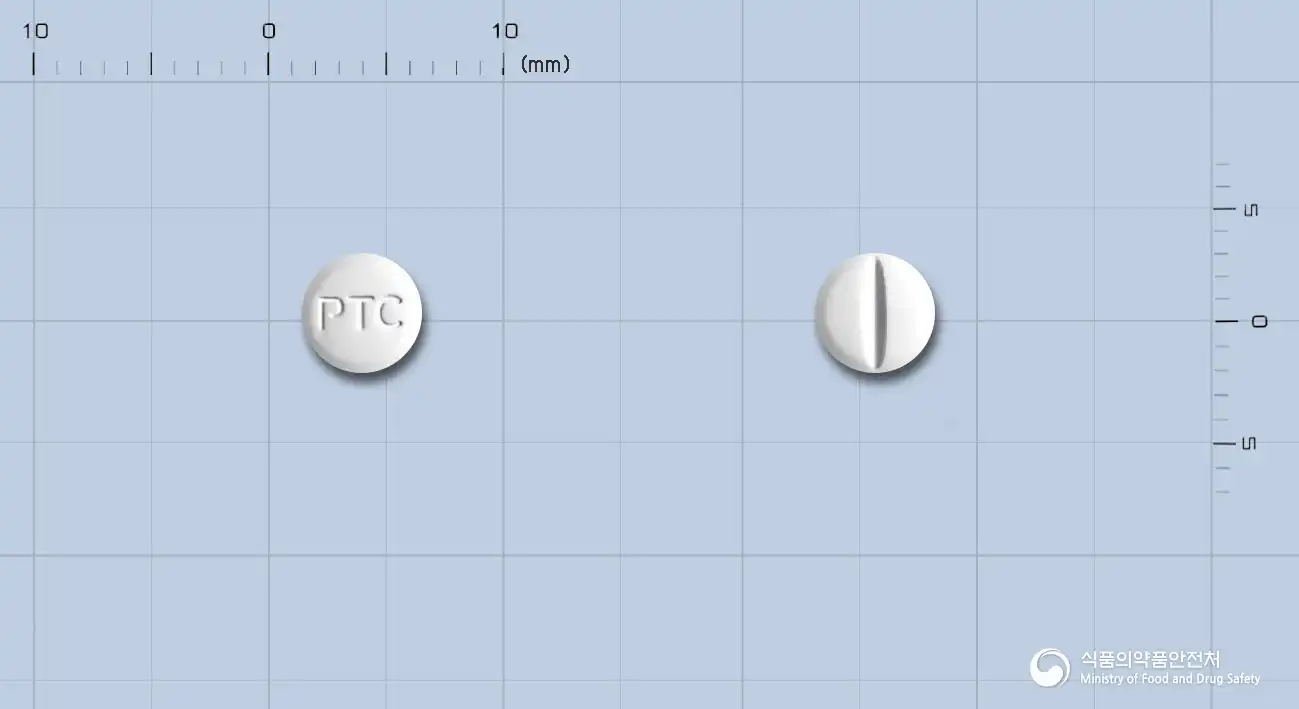
Pitavastatin Calcium 2mg
Tablet · Prescription medication
Samnam Pharmaceutical Co., Ltd.
Pitavastatin Calcium 2mg
Tablet · Prescription medication
Seoul Pharmaceutical Co., Ltd.
Even with the same ingredient, the dose and directions can differ by strength and dosage form. Talk to a doctor or pharmacist before switching from a medication you are already taking.
No questions yet.
For anything that needs medical judgment, consult a doctor or pharmacist.
This drug information is based on data provided by the Korea Ministry of Food and Drug Safety.
Consult a doctor or pharmacist for accurate dosage, administration, and usage instructions.