
 한국어
한국어 English
 日本語
日本語 中文(简体)
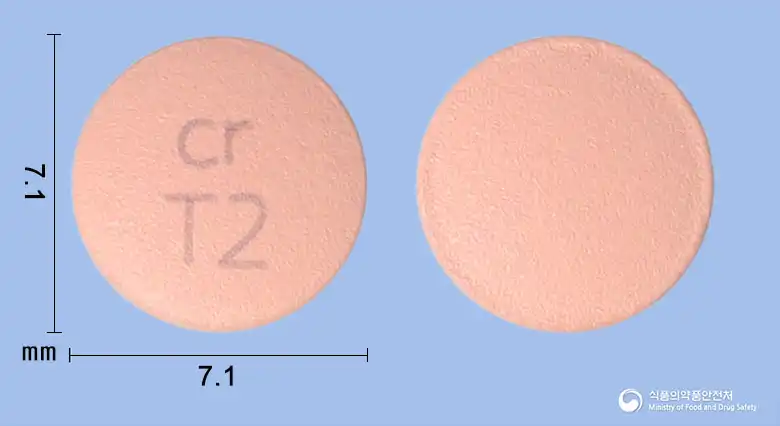 Viewing now
Tenelia 20 mg Tablets (Teneligliptin Hydrate)
Teneligliptin Ditosylate Dihydrate 37.84mg
Tablet · Prescription medication
GL Pharma Co., Ltd.
MFDS item code 202102862 · Approved 2021.04.01 · Insurance code 649702800
Improvement of blood sugar control in Type 2 diabetes
This medication is used to improve blood sugar control in patients with Type 2 diabetes when used in conjunction with dietary and exercise therapy. It can be taken alone or combined with other medications to enhance therapeutic effects. This helps in the management of diabetes and allows for more stable blood sugar control.
For monotherapy or combination therapy, the recommended dose of this medication is 20 mg once daily. It can be taken regardless of meals. When combined with sulfonylureas, a reduction in the dose of sulfonylureas may be considered to decrease the risk of hypoglycemia. No dose adjustment is needed in patients with renal impairment. No dose adjustment is necessary in patients with mild to moderate liver impairment.
This medication should not be used in certain patients. For example, it is not suitable for those allergic to its components, patients with Type 1 diabetes, diabetic ketoacidosis, or those in a comatose state. It is also not recommended for patients with severe infections, post-surgery, or those with serious injuries. Patients with severely impaired liver function or heart failure should use this medication with caution. Particularly in cases of severe heart failure, it is advisable to avoid using this medication. Patients taking sulfonylureas or insulin should be cautious due to the risk of hypoglycemia. Patients with poor nutrition, irregular eating habits, those engaging in intense exercise, or excessive alcohol consumption are also at risk for hypoglycemia and should be careful. Patients with a history of abdominal surgery or intestinal obstruction, those with heart disease, or hypokalemia and at risk for QT interval prolongation should also exercise caution while taking this medication. Acute pancreatitis can occur, so if persistent abdominal pain or vomiting symptoms arise, medical consultation should be sought immediately. When taking this medication, it is essential to be aware of the symptoms of hypoglycemia and to take sugar-containing foods to manage them appropriately. Furthermore, when used with other diabetes medications, there may be an increased risk of hypoglycemia, so interactions with other medications must be checked. Pregnant or breastfeeding women are not recommended to use this medication, and safety in pediatric patients has not been established. In elderly patients, it is important to closely monitor their condition due to potential declines in physical function. In case of overdose, measures should be taken to remove the drug from the gastrointestinal tract and monitor the patient's condition with an electrocardiogram, providing supportive treatment as necessary. This medication should be stored out of reach of children and should not be transferred to other containers. Lastly, unusual symptoms such as severe joint pain or blisters on the skin can occur while taking this medication, and if these symptoms arise, immediate consultation with medical personnel is recommended.
Hives, severe arthralgia, blistering similar to pemphigus, hypoglycemia, intestinal obstruction, liver dysfunction, interstitial pneumonia, acute pancreatitis, liver abnormalities (symptoms related to jaundice are not specifically mentioned), shortness of breath, chest discomfort, peripheral edema.
Not everyone experiences these, and they can vary from person to person.
This medication should be stored in a tightly sealed container to prevent air and moisture from entering and should be kept at room temperature between 1 and 30 degrees Celsius. This helps maintain the efficacy of the drug and ensures safe use.
Pink round film-coated tablets
30 tablets/bottle
Even with the same ingredient, strength, dosage form and how it is taken can differ.
Viewing nowTeneligliptin Ditosylate Dihydrate 37.84mg
Tablet · Prescription medication
GL Pharma Co., Ltd.
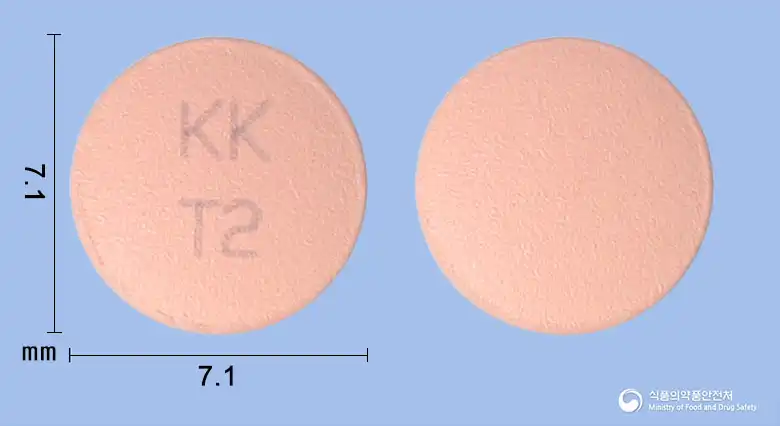
Teneligliptin Ditosylate Dihydrate 37.84mg
Tablet · Prescription medication
Genewon Science Co., Ltd.
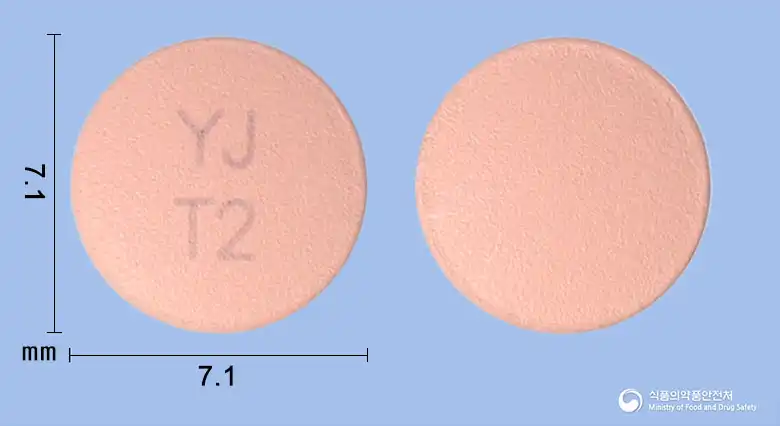
Teneligliptin Ditosylate Dihydrate 37.84mg
Tablet · Prescription medication
Youngjin Pharmaceutical Co., Ltd.
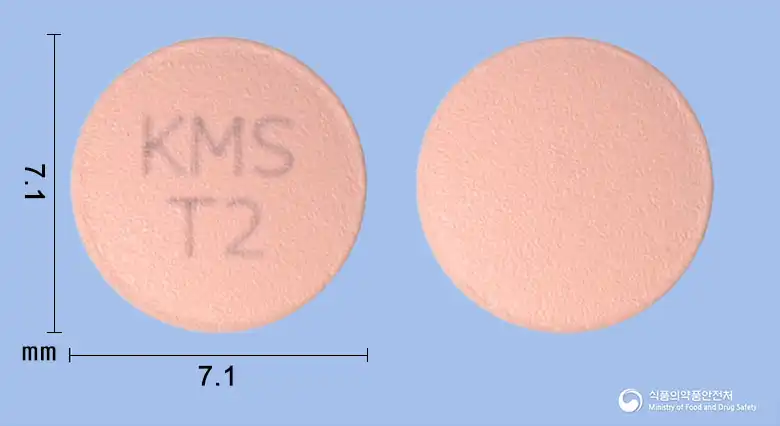
Teneligliptin Ditosylate Dihydrate 37.84mg
Tablet · Prescription medication
KMS Pharmaceuticals Co., Ltd.
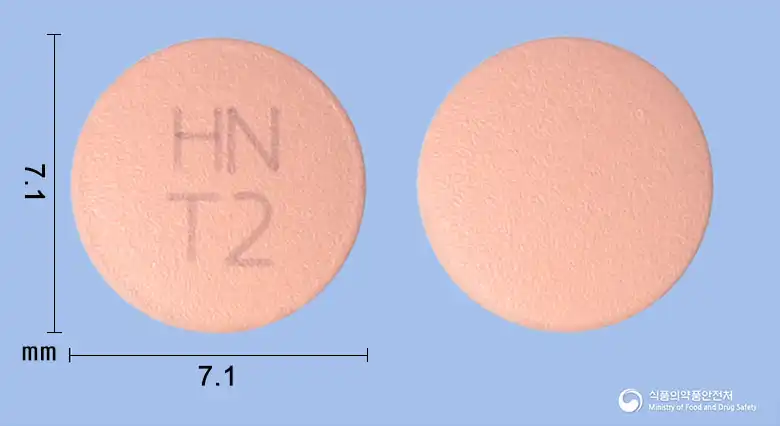
Teneligliptin Ditosylate Dihydrate 37.84mg
Tablet · Prescription medication
Hana Pharmaceutical Co., Ltd.
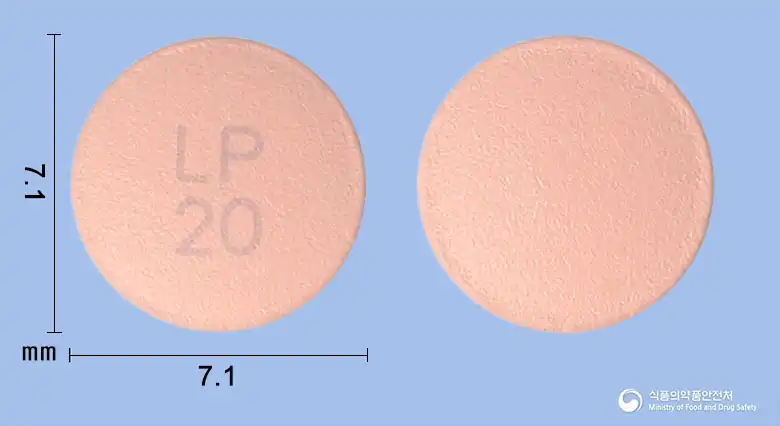
Teneligliptin Ditosylate Dihydrate 37.84mg
Tablet · Prescription medication
Light Phamtech Co., Ltd.
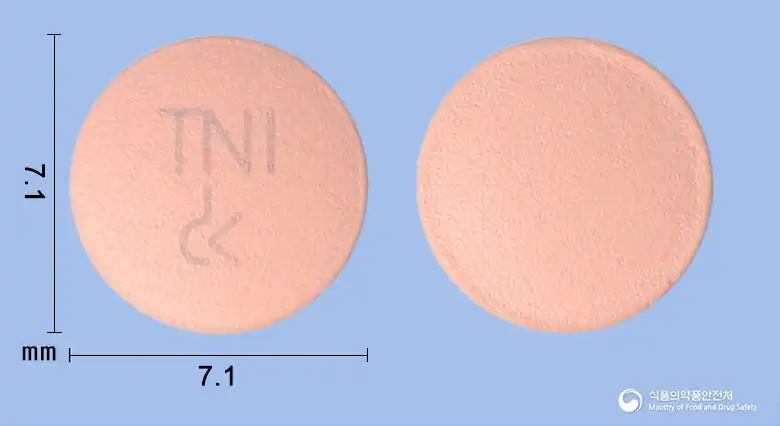
Teneligliptin Ditosylate Dihydrate 37.84mg
Tablet · Prescription medication
Dongkuk Pharmaceutical Co., Ltd.
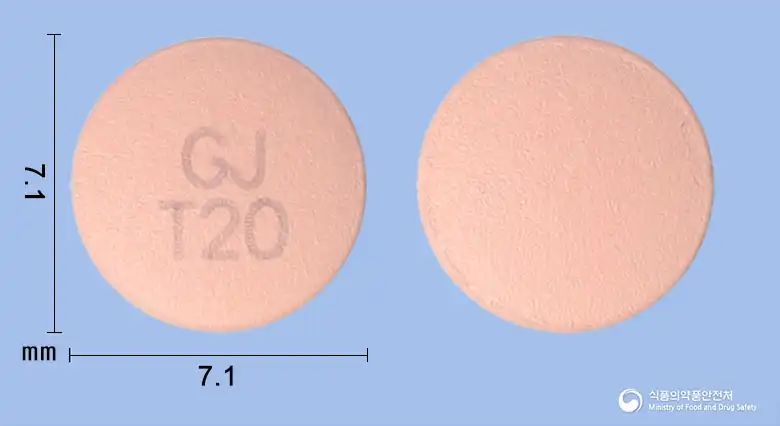
Teneligliptin Ditosylate Dihydrate 37.84mg
Tablet · Prescription medication
Gujoo Pharmaceutical Co., Ltd.
Even with the same ingredient, the dose and directions can differ by strength and dosage form. Talk to a doctor or pharmacist before switching from a medication you are already taking.
No questions yet.
For anything that needs medical judgment, consult a doctor or pharmacist.
This drug information is based on data provided by the Korea Ministry of Food and Drug Safety.
Consult a doctor or pharmacist for accurate dosage, administration, and usage instructions.