
 한국어
한국어 English
 日本語
日本語 中文(简体)
 Viewing now
Teripitin Tablet 20 mg (Teneligliptin Hydrobromide Hydrate)
Teneligliptin Ditosylate Dihydrate 37.84mg
Tablet · Prescription medication
Youngjin Pharmaceutical Co., Ltd.
MFDS item code 202102859 · Approved 2021.04.01 · Insurance code 642405010
Improvement of blood sugar control in type 2 diabetes
This medication is used in conjunction with diet and exercise to assist blood sugar control in patients with type 2 diabetes. It can be used alone or in combination with other medications. Therefore, it effectively aids in blood sugar management and is used in the treatment of diabetes.
The recommended dose for this medication in monotherapy or combination therapy is 20 mg once daily. It can be taken regardless of meals. When used in combination with sulfonylureas, a reduction in sulfonylurea dosage may be considered. No dose adjustment is necessary for patients with renal impairment or mild to moderate hepatic impairment.
This medication is used for treating diabetes and helps in blood sugar control. Do not use this medication if you have an allergic reaction or hypersensitivity to any of its ingredients. It is not suitable for patients with type 1 diabetes or those in diabetic ketoacidosis or coma, and should not be used when insulin treatment is necessary. Caution is required for patients with severe infections, those undergoing surgery, or patients with serious injuries. Patients with severely impaired liver function or heart failure should use this medication cautiously, and it is especially not recommended for patients with severe heart failure. Taking this medication with sulfonylureas or insulin may increase the risk of hypoglycemia, so caution is warranted. Patients with conditions that increase the risk of hypoglycemia such as pituitary or adrenal insufficiency, malnutrition, irregular meals, excessive exercise, or excessive alcohol intake should take this medication carefully. Patients with a history of abdominal surgery or bowel obstruction, cardiac arrhythmias, or those at risk for QT interval prolongation due to hypokalemia should also use caution. Acute pancreatitis symptoms may occur, so if persistent abdominal pain or vomiting arises, immediate consultation with medical personnel is necessary. Symptoms of hypoglycemia may occur, so if symptoms appear, immediate action such as consuming sugar is needed. Side effects such as constipation, abdominal pain, liver function abnormalities, interstitial pneumonia, rashes, etc., may occur, so report any unusual symptoms to a healthcare provider. This medication lacks safety information for pregnant or breastfeeding women, so careful use is advised, and safety and efficacy have not been established in children. Elderly patients may experience reduced body function, so monitoring their condition during administration is necessary. In cases of overdose, gastrointestinal decontamination should be performed and monitoring through electrocardiogram and appropriate treatment should be initiated. Interactions with other medications may occur, especially with insulin, sulfonylureas, certain antifungals, and drugs for cardiac arrhythmia, necessitating caution when used together. During the course of taking this medication, understanding the symptoms of hypoglycemia and how to respond is crucial, and immediate consultation with healthcare personnel is required for any abnormal symptoms.
Hives, severe swelling (edema), cold sweat, pallor, severe allergic reaction, severe rash with high fever, blisters, skin peeling, pain in oral/ocular mucosa, severe skin abnormal reactions, shortness of breath or difficulty breathing, asthma attacks, respiratory abnormalities accompanied by cough and fever, liver dysfunction (symptoms related to jaundice), sudden and very severe headache, thunderclap headache, seizures, confusion of consciousness, vision abnormalities, paralysis, significantly reduced urine output
Not everyone experiences these, and they can vary from person to person.
Store this medication in a tightly sealed container to protect it from air, and it is best to keep it at room temperature between 1 degree and 30 degrees. This helps to maintain the medication's effectiveness for a longer period.
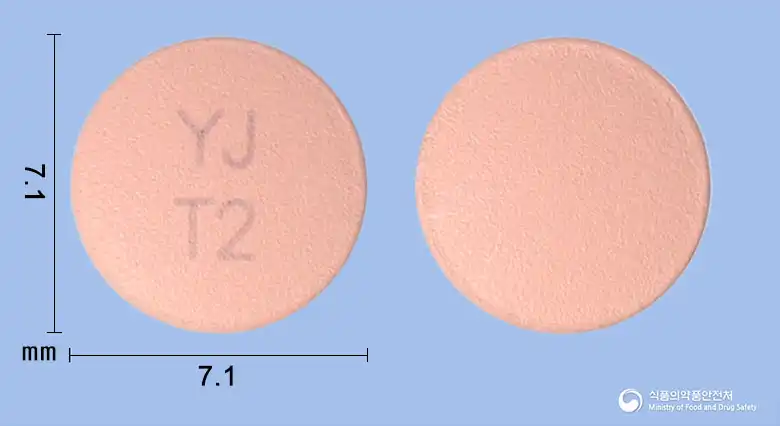
Pink round film-coated tablet
30 tablets/bottle
Even with the same ingredient, strength, dosage form and how it is taken can differ.
Viewing nowTeneligliptin Ditosylate Dihydrate 37.84mg
Tablet · Prescription medication
Youngjin Pharmaceutical Co., Ltd.
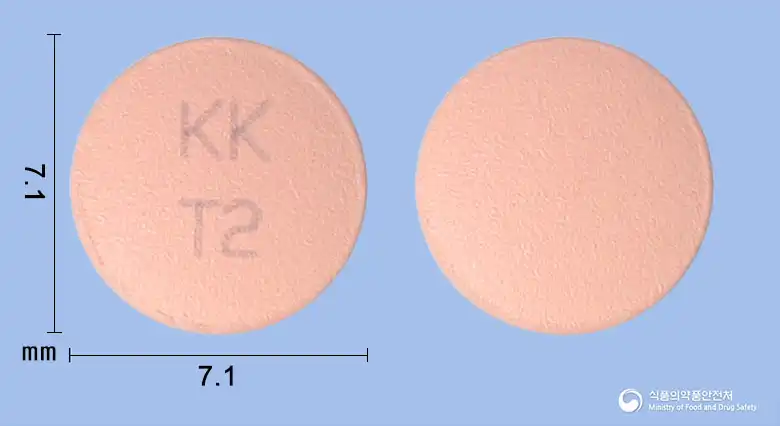
Teneligliptin Ditosylate Dihydrate 37.84mg
Tablet · Prescription medication
Genewon Science Co., Ltd.
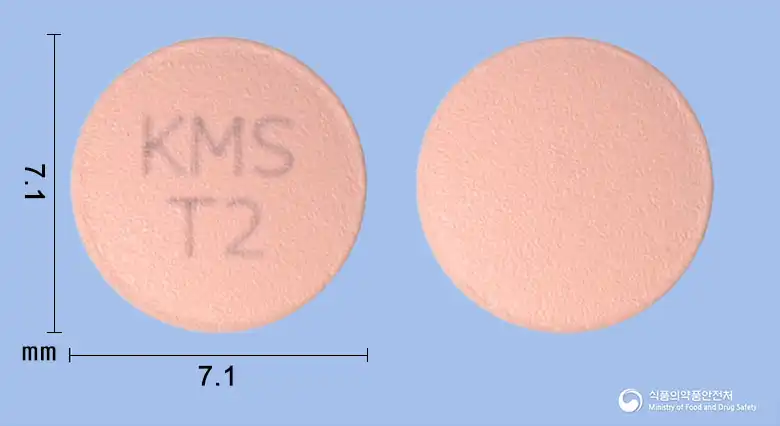
Teneligliptin Ditosylate Dihydrate 37.84mg
Tablet · Prescription medication
KMS Pharmaceuticals Co., Ltd.
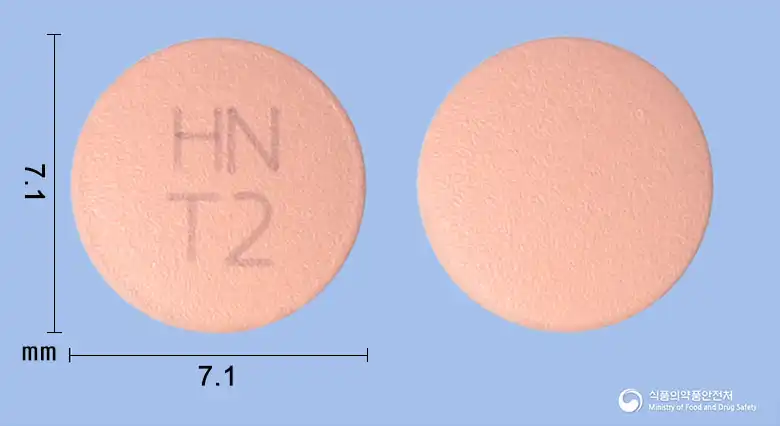
Teneligliptin Ditosylate Dihydrate 37.84mg
Tablet · Prescription medication
Hana Pharmaceutical Co., Ltd.
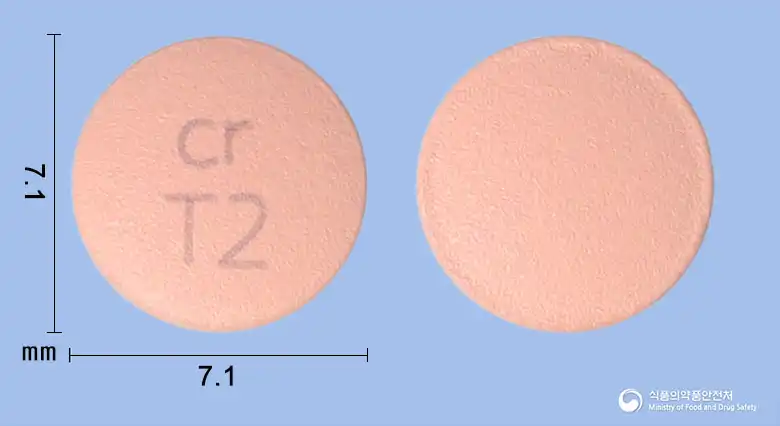
Teneligliptin Ditosylate Dihydrate 37.84mg
Tablet · Prescription medication
GL Pharma Co., Ltd.
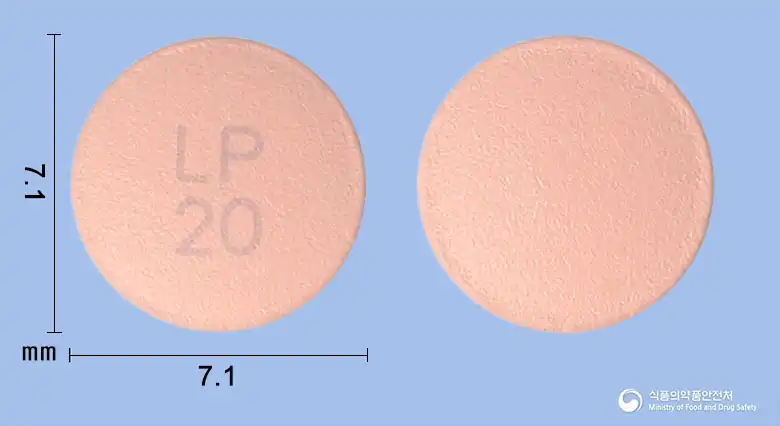
Teneligliptin Ditosylate Dihydrate 37.84mg
Tablet · Prescription medication
Light Phamtech Co., Ltd.
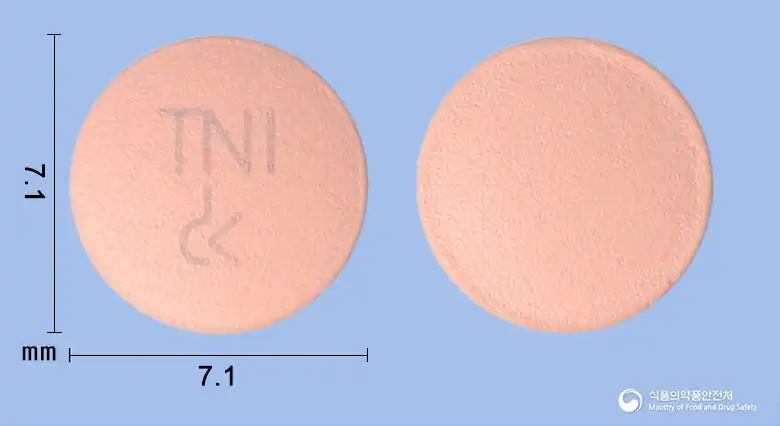
Teneligliptin Ditosylate Dihydrate 37.84mg
Tablet · Prescription medication
Dongkuk Pharmaceutical Co., Ltd.
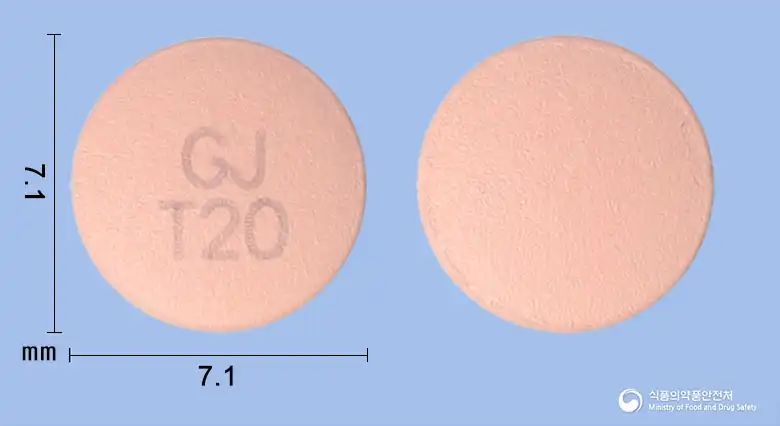
Teneligliptin Ditosylate Dihydrate 37.84mg
Tablet · Prescription medication
Gujoo Pharmaceutical Co., Ltd.
Even with the same ingredient, the dose and directions can differ by strength and dosage form. Talk to a doctor or pharmacist before switching from a medication you are already taking.
No questions yet.
For anything that needs medical judgment, consult a doctor or pharmacist.
This drug information is based on data provided by the Korea Ministry of Food and Drug Safety.
Consult a doctor or pharmacist for accurate dosage, administration, and usage instructions.