
 한국어
한국어 English
 日本語
日本語 中文(简体)
 Viewing now
Tenegly 20 mg (Teneligliptin Hydrobromide Hydrate)
Teneligliptin Ditosylate Dihydrate 37.84mg
Tablet · Prescription medication
Genewon Science Co., Ltd.
MFDS item code 202102858 · Approved 2021.04.01 · Insurance code 671707020
Improvement of blood sugar control in type 2 diabetes
This drug is used to help improve blood sugar control in patients with type 2 diabetes who are following a dietary and exercise regimen. It can be administered alone or in combination with other medications to enhance blood sugar management. Therefore, it is an effective treatment for improving blood sugar control.
Take 20 mg once daily for monotherapy or combination therapy. Can be taken without regard to meals. No dosage adjustment is needed for patients with renal impairment or mild to moderate liver disease.
This drug should not be administered to patients with hypersensitivity to the active ingredient or other components. It is not appropriate for use in patients with diabetic ketoacidosis, diabetic coma, or pre-comatose states, or in patients with type 1 diabetes. It is also not suitable for patients with severe infections, or those who have had major surgery or severe trauma. Patients with severe liver dysfunction should use this drug with caution, as there is insufficient clinical experience. Patients with mild to moderate heart failure should use this drug carefully, and it is not recommended for patients with severe heart failure. Patients being treated with sulfonylureas or insulin are at risk of hypoglycemia, so caution is necessary. Patients with pituitary insufficiency, adrenal insufficiency, malnutrition, irregular eating habits, weakness, excessive alcohol intake, or those who have engaged in strenuous exercise are at a higher risk of hypoglycemia and should take care. This drug should be administered with caution to patients with a history of abdominal surgery or bowel obstruction. It is advisable to avoid this drug in patients with heart diseases that can cause QT interval prolongation or have a related history. Acute pancreatitis symptoms may occur, so if persistent severe abdominal pain or vomiting occurs, medical attention should be sought immediately. This drug may cause hypoglycemia, especially when combined with other diabetes medications, increasing the risk of hypoglycemia; therefore, patients need to be well-informed about hypoglycemic symptoms and how to manage them. Hypoglycemic symptoms can include dizziness, trembling, headache, and fatigue; when symptoms occur, foods containing sugar should be consumed. Serious side effects such as liver dysfunction, interstitial pneumonia, skin disorders, and acute pancreatitis can occur. Patients should consult a healthcare professional if any abnormal symptoms arise. Use of this drug is not recommended for pregnant or breastfeeding women; careful judgment is needed if used. Safety and effectiveness in pediatric patients have not been established, so it should not be used in children. Elderly patients may have decreased physical function, so their condition should be carefully monitored during administration. While no serious adverse effects have been reported with overdose, general emergency treatment and monitoring are required. This drug may interact with certain medications; patients should inform their healthcare professionals if they are taking other medications. Particularly, caution is needed when taken in conjunction with insulin, sulfonylureas, certain antifungals, and antiarrhythmic medications. During treatment with this drug, patients should be attentive to hypoglycemic symptoms and exercise caution when performing hazardous tasks such as driving or operating machinery. Additionally, if severe joint pain or blistering skin conditions occur, treatment should be discontinued immediately and consultation with a physician should take place.
Not everyone experiences these, and they can vary from person to person.
This medication should be stored in a tightly sealed container to prevent exposure to air or moisture, at a temperature between 1 and 30 degrees Celsius. This helps to maintain the medication's effectiveness over time.
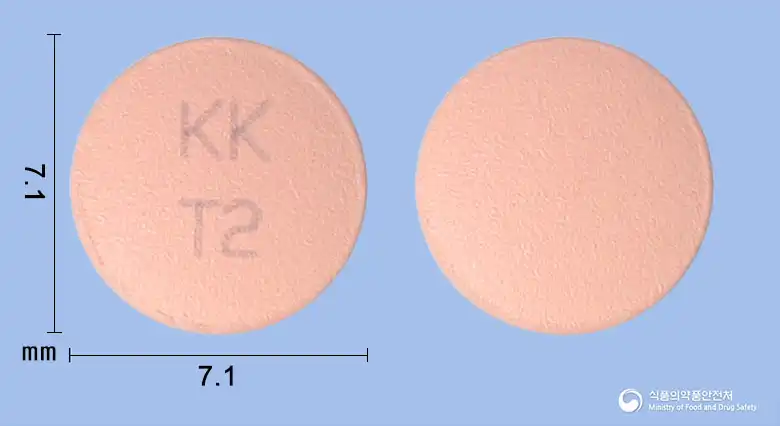
Pink, round, film-coated tablet
30 tablets/bottle
Even with the same ingredient, strength, dosage form and how it is taken can differ.
Viewing nowTeneligliptin Ditosylate Dihydrate 37.84mg
Tablet · Prescription medication
Genewon Science Co., Ltd.
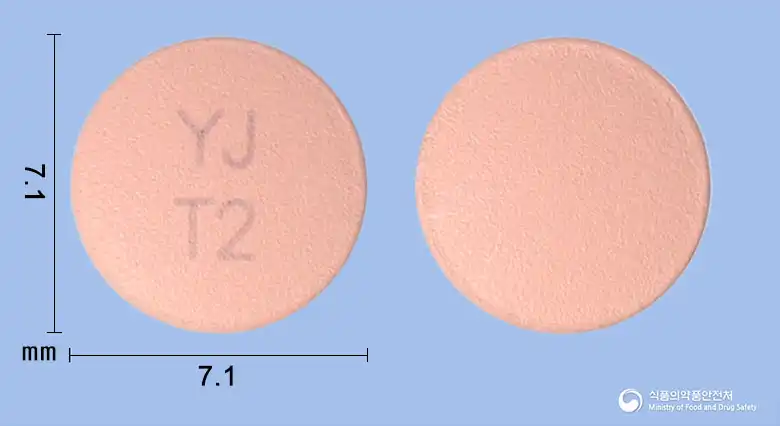
Teneligliptin Ditosylate Dihydrate 37.84mg
Tablet · Prescription medication
Youngjin Pharmaceutical Co., Ltd.
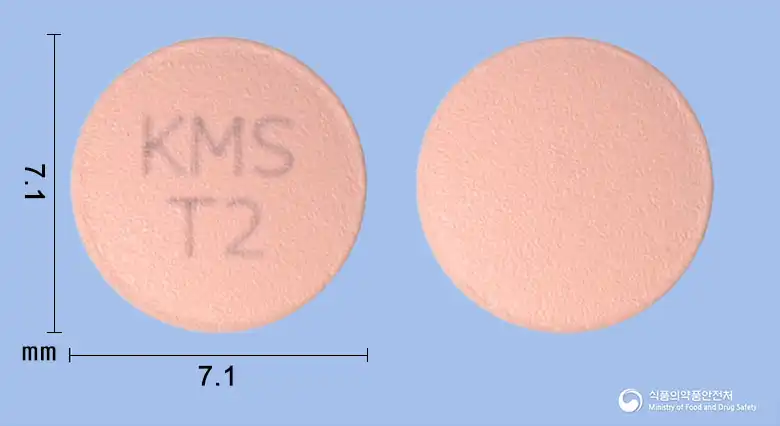
Teneligliptin Ditosylate Dihydrate 37.84mg
Tablet · Prescription medication
KMS Pharmaceuticals Co., Ltd.
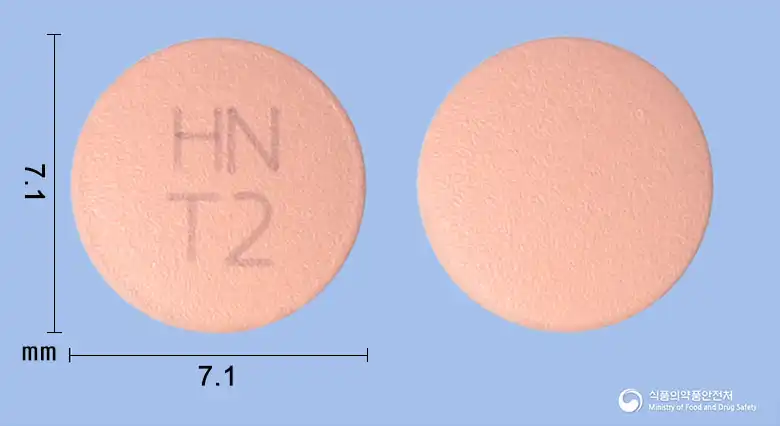
Teneligliptin Ditosylate Dihydrate 37.84mg
Tablet · Prescription medication
Hana Pharmaceutical Co., Ltd.
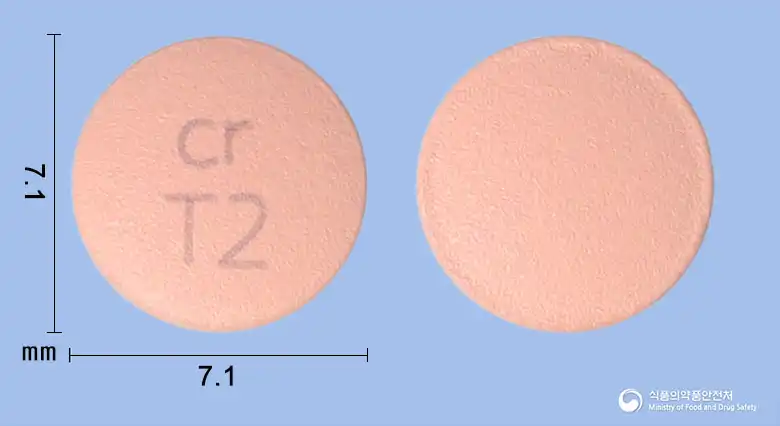
Teneligliptin Ditosylate Dihydrate 37.84mg
Tablet · Prescription medication
GL Pharma Co., Ltd.
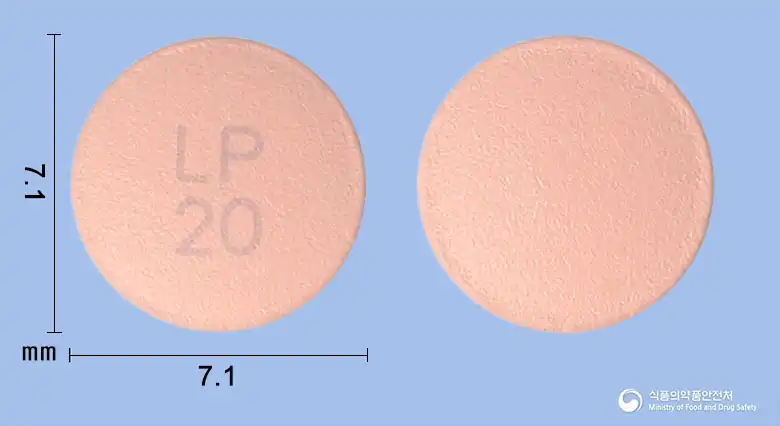
Teneligliptin Ditosylate Dihydrate 37.84mg
Tablet · Prescription medication
Light Phamtech Co., Ltd.
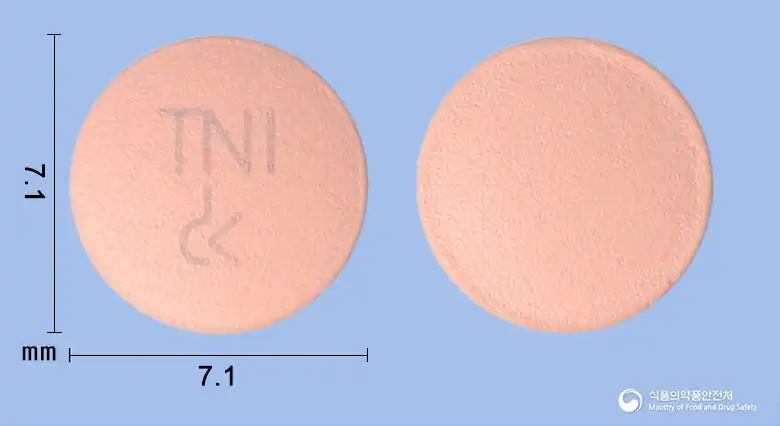
Teneligliptin Ditosylate Dihydrate 37.84mg
Tablet · Prescription medication
Dongkuk Pharmaceutical Co., Ltd.
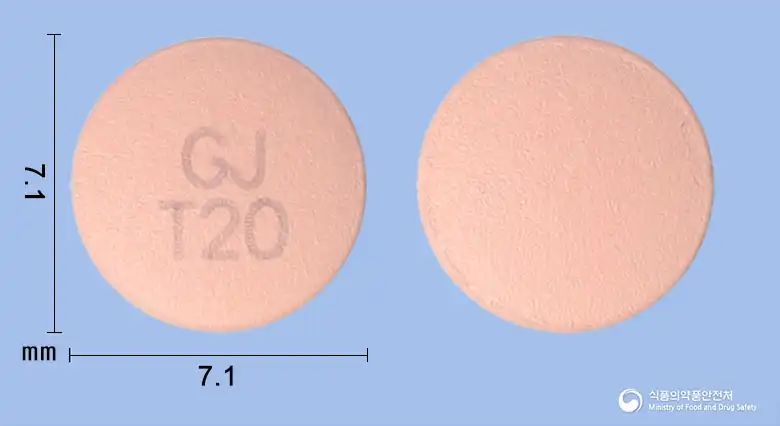
Teneligliptin Ditosylate Dihydrate 37.84mg
Tablet · Prescription medication
Gujoo Pharmaceutical Co., Ltd.
Even with the same ingredient, the dose and directions can differ by strength and dosage form. Talk to a doctor or pharmacist before switching from a medication you are already taking.
No questions yet.
For anything that needs medical judgment, consult a doctor or pharmacist.
This drug information is based on data provided by the Korea Ministry of Food and Drug Safety.
Consult a doctor or pharmacist for accurate dosage, administration, and usage instructions.