
 한국어
한국어 English
 日本語
日本語 中文(简体)
 Viewing now
Rivapita Tablet 1 Milligram (Pitavastatin Calcium Hydrate)
Pitavastatin Calcium Hydrate 1.102mg
Tablet · Prescription medication
Daewoong Bio Co., Ltd.
MFDS item code 202102605 · Approved 2021.03.25 · Insurance code 694003500
Reduction of cholesterol in hypercholesterolemia (primary, familial) and dyslipidemia and improvement of cardiovascular disease risk
This medication helps to lower total cholesterol, LDL cholesterol, apolipoprotein B, and triglyceride levels, and increase HDL cholesterol levels in patients with primary hypercholesterolemia and mixed dyslipidemia. It is also used to improve these lipid levels in pediatric patients aged 10 to 16 years with heterozygous familial hypercholesterolemia. It is particularly encouraged for pediatric patients with elevated LDL cholesterol levels above specific criteria or a family history of early cardiovascular disease or other risk factors. This medication significantly contributes to reducing the risk of cardiovascular disease and maintaining a healthy blood lipid profile when used as an adjunct to diet. Thus, through proper administration, cholesterol management can be effectively improved.
For adults, the usual initial dose is 1 to 2 milligrams of pitavastatin calcium taken once daily. If the LDL cholesterol-lowering effect is insufficient, it may be increased to a maximum of 4 milligrams per day. The dosage should be adjusted appropriately at intervals of 4 weeks or more depending on LDL cholesterol level, treatment goals, and patient response. The therapeutic effect of this medication is maintained with continuous administration.
For pediatric patients with heterozygous familial hypercholesterolemia (ages 10 to 16 years), 1 milligram of pitavastatin calcium should be taken once daily. If the LDL cholesterol-lowering effect is insufficient, it may be increased to a maximum of 2 milligrams per day.
This medication should not be used in patients with allergies to certain ingredients. It should not be administered to patients with liver problems or abnormally elevated liver enzyme levels. It is also prohibited for patients with severe liver impairment, biliary obstruction, or cholestasis. Additionally, this medication should not be used in patients taking a drug called cyclosporine, those with myopathy, pregnant women or women of childbearing age, and breastfeeding women. This medication contains lactose and should not be administered to patients with lactose intolerance or related genetic disorders. Patients with kidney dysfunction, a history of liver disease, excessive alcohol consumption, elderly patients, and children should use this medication cautiously. Care should be taken when used in conjunction with certain medications, as muscle damage or renal impairment may occur. In particular, it should be used under medical supervision when taken with fibrates, niacin, or erythromycin. During treatment with this medication, symptoms such as myalgia, weakness, abdominal pain, rash, itching, headache, muscle pain, stiffness, drowsiness, insomnia, thirst, dyspepsia, abdominal bloating, constipation, stomatitis, vomiting, loss of appetite, glossitis, nausea, gastrointestinal discomfort, diarrhea, skin tingling, increased blood pressure, chest discomfort, weakness, facial swelling, arm swelling, thrombocytopenia, increased urination, elevated BUN, increased serum creatinine, decreased aldosterone, increased and decreased adrenocorticotropic hormone, and elevated cortisol may occur, requiring caution. Pregnant or breastfeeding women should not take this medication, and if pregnancy is confirmed during treatment, it should be immediately stopped, and a doctor consulted. For children, it should only be administered under strict medical guidance for the treatment of familial hypercholesterolemia, closely monitoring exercise levels and muscle conditions. This medication should be kept out of reach of children and stored in its original container to prevent misuse or deterioration of quality. Long-term use may carry risks of interstitial lung disease or diabetes, necessitating regular health check-ups. Due to a higher likelihood of adverse reactions in the elderly, dosage adjustments and caution are required.
Hives, angioedema, jaundice, liver dysfunction, rhabdomyolysis, acute renal failure, thrombocytopenia, severe allergic reactions, liver abnormalities (jaundice), severe swelling or urination abnormalities
Abdominal pain, rash, fatigue, numbness, itching, headache, muscle pain, stiffness, drowsiness, insomnia, thirst, dyspepsia, abdominal bloating, constipation, stomatitis, vomiting, loss of appetite, glossitis, nausea, gastrointestinal discomfort, diarrhea, skin tingling, increased blood pressure, chest discomfort, weakness, facial swelling, arm swelling, thrombocytopenia, increased urination, elevated BUN, increased serum creatinine, decreased aldosterone, increased and decreased adrenocorticotropic hormone, elevated cortisol
Not everyone experiences these, and they can vary from person to person.
This medication is sensitive to light and should be stored in a container that does not allow light transmission. Additionally, it is recommended to store the medication at room temperature between 1°C and 30°C. This helps maintain the medication's efficacy for a longer duration.
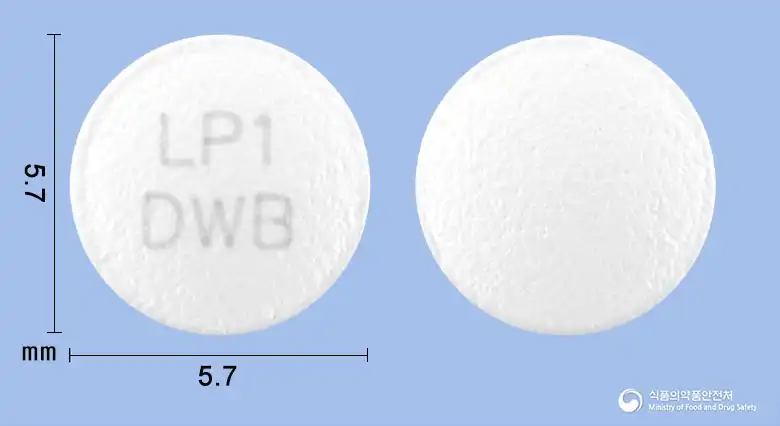
White round film-coated tablet
30 tablets/bottle, 100 tablets/bottle
Even with the same ingredient, strength, dosage form and how it is taken can differ.
Viewing nowPitavastatin Calcium Hydrate 1.102mg
Tablet · Prescription medication
Daewoong Bio Co., Ltd.
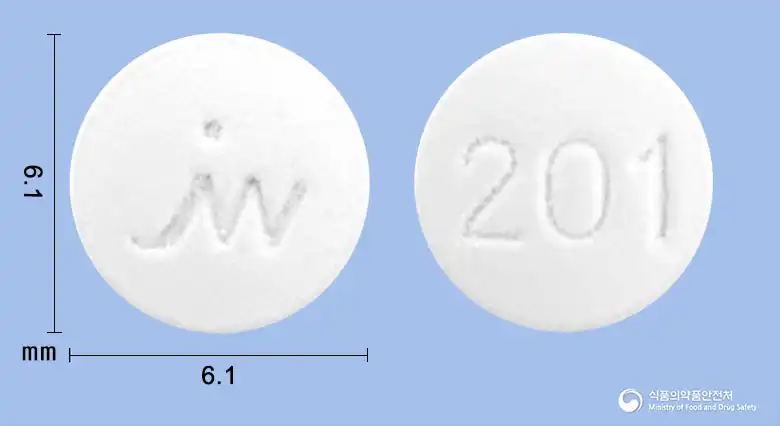
Pitavastatin Calcium Hydrate 1mg
Tablet · Prescription medication
JW Pharmaceutical Corporation

Pitavastatin Calcium Hydrate 2mg
Tablet · Prescription medication
JW Pharmaceutical Corporation
Pitavastatin Calcium 2mg
Tablet · Prescription medication
Youngjin Pharmaceutical Co., Ltd.
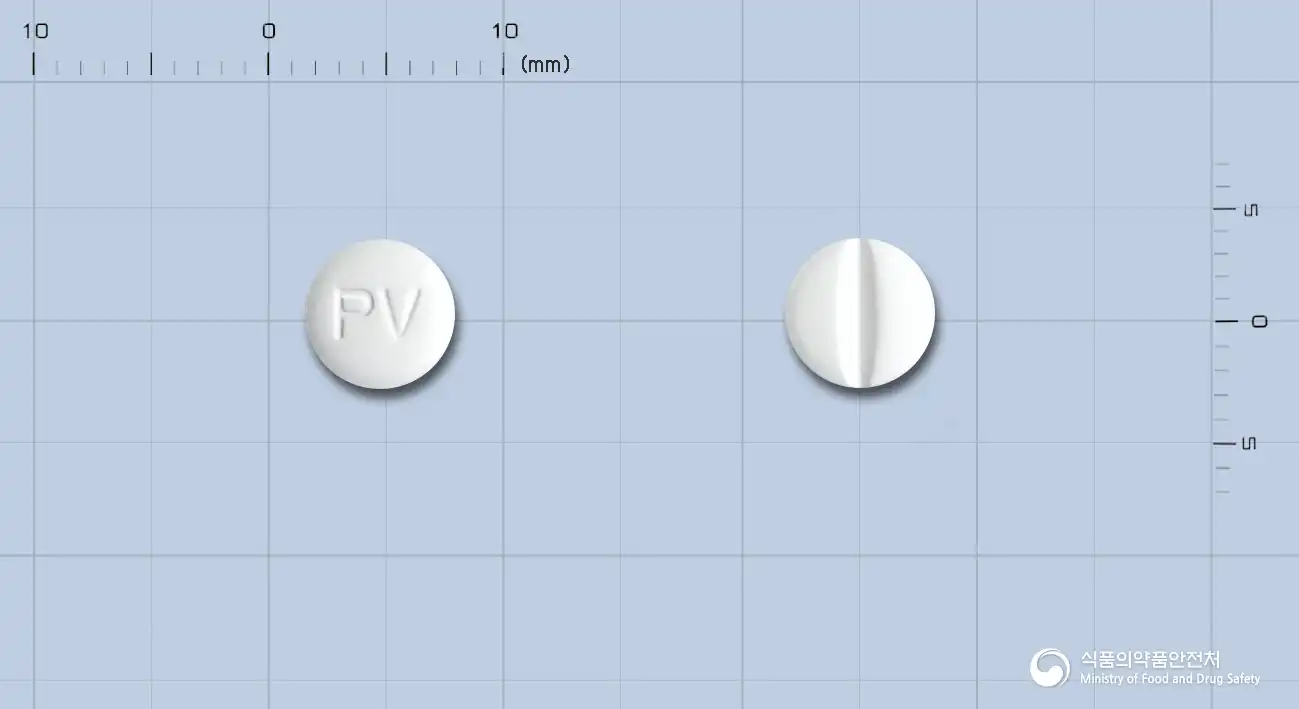
Pitavastatin Calcium 2mg
Tablet · Prescription medication
Samchundang Pharmaceutical Co., Ltd.
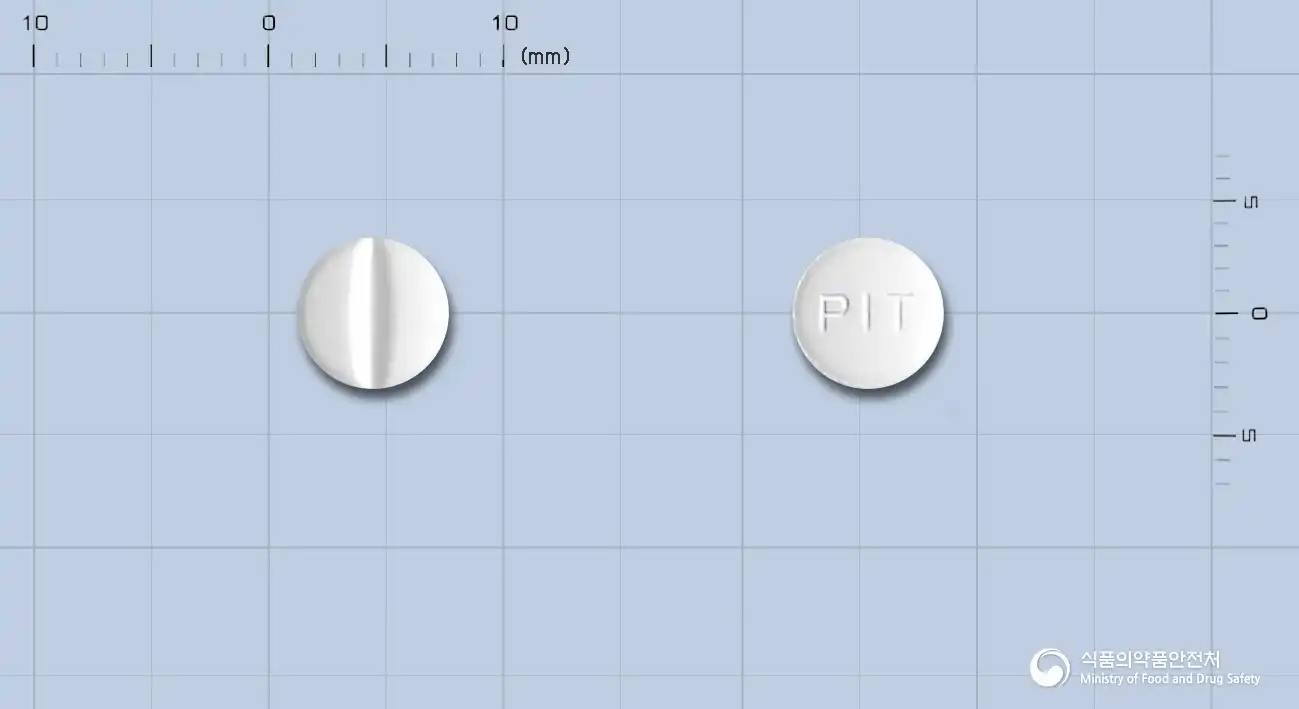
Pitavastatin Calcium 2mg
Tablet · Prescription medication
Daewon Pharmaceutical Co., Ltd.
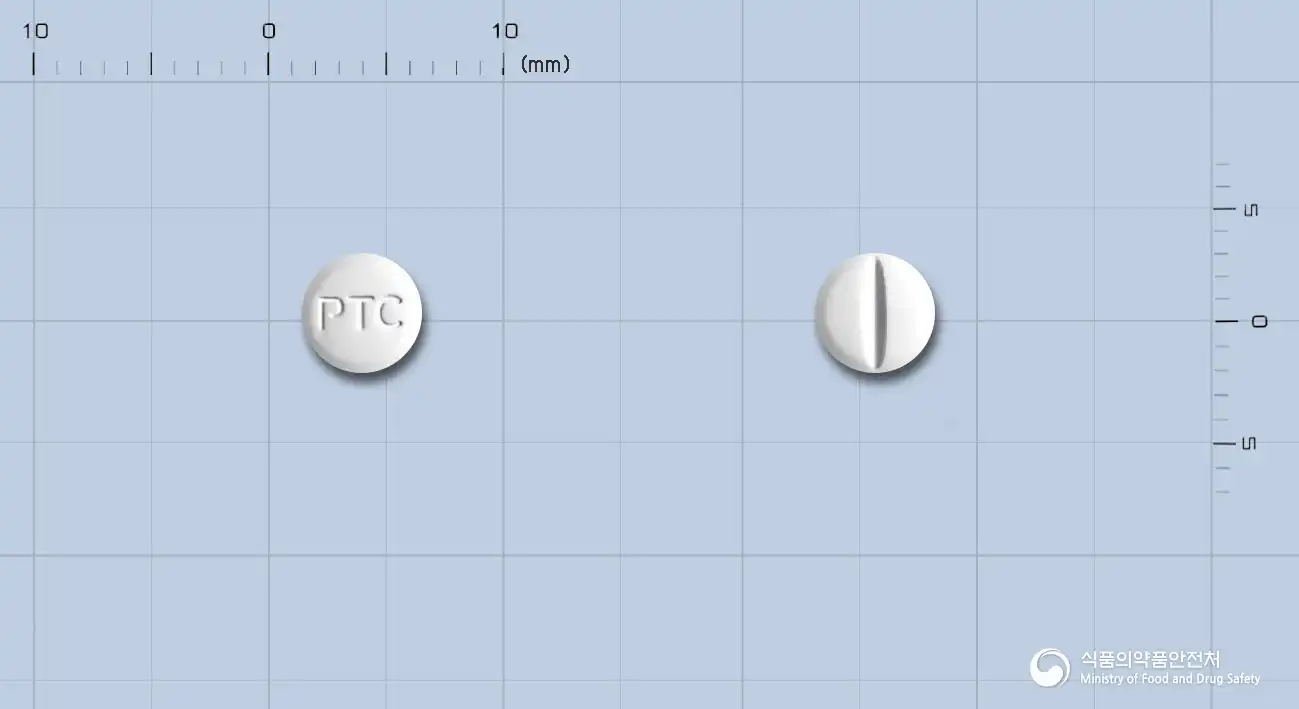
Pitavastatin Calcium 2mg
Tablet · Prescription medication
Samnam Pharmaceutical Co., Ltd.

Pitavastatin Calcium 2mg
Tablet · Prescription medication
Seoul Pharmaceutical Co., Ltd.
Even with the same ingredient, the dose and directions can differ by strength and dosage form. Talk to a doctor or pharmacist before switching from a medication you are already taking.
No questions yet.
For anything that needs medical judgment, consult a doctor or pharmacist.
This drug information is based on data provided by the Korea Ministry of Food and Drug Safety.
Consult a doctor or pharmacist for accurate dosage, administration, and usage instructions.