
 한국어
한국어 English
 日本語
日本語 中文(简体)
 Viewing now
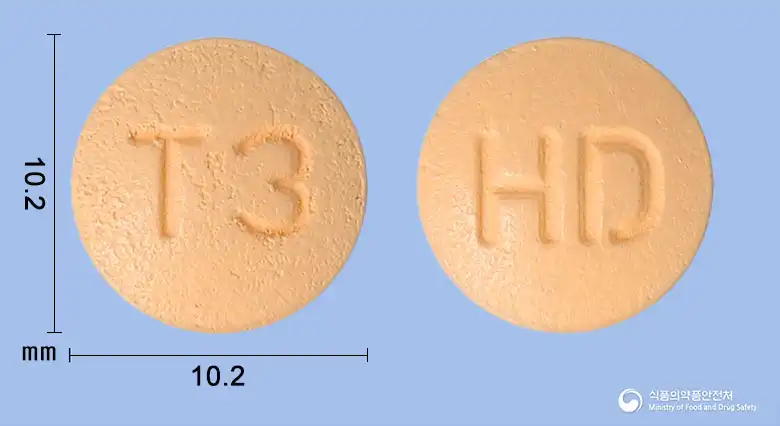
Sitadown Tablet 100 mg (Sitagliptin Hydrochloride Monohydrate)
Sitagliptin Hydrochloride Hydrate 113.37mg
Tablet · Prescription medication
Hyundai Pharmaceutical Co., Ltd.
MFDS item code 202102465 · Approved 2021.03.19 · Insurance code 642004980
Improvement of blood sugar control in type 2 diabetes
This medication is used to help patients with type 2 diabetes control their blood sugar levels. It can be administered alone in conjunction with diet and exercise therapy, and if the initial treatment is insufficient, it can be used in combination with metformin. Additionally, it can be used as an adjunctive treatment in conjunction with other antidiabetic medications such as sulfonylureas, thiazolidinediones, and insulin when controlling blood sugar is difficult. This medication helps improve blood sugar control when various monotherapy or combination therapies are not sufficient. It improves the health of patients through effective blood sugar management.
This medication is administered once daily at a dose of 100 mg when used as monotherapy or in combination therapy, with a maximum daily dose of 100 mg. It can be taken regardless of meals. For patients with renal impairment, dosage adjustments may be necessary based on renal function. No dosage adjustment is needed for patients with mild to moderate renal impairment (estimated glomerular filtration rate [eGFR] ≥ 45 but < 90). Patients with moderate renal impairment (eGFR ≥ 30 but < 45) will receive 50 mg once daily.
This medication can cause severe allergic reactions. If you experience symptoms such as skin rash, difficulty breathing, or swelling of the face or neck during treatment, you should stop taking the medication immediately and consult a doctor. There is a risk of developing pancreatitis, a serious inflammation of the pancreas, while taking this medication. If you experience abdominal pain, nausea, or vomiting, you should visit a hospital immediately. Patients with type 1 diabetes or diabetic ketoacidosis should not take this medication, and it should not be used by those with an allergy to it. Patients with impaired kidney function may require dosage adjustments and should take the medication as per their doctor's instructions. There may be an increased risk of hypoglycemia when this medication is used in conjunction with other antidiabetic drugs, so be cautious of hypoglycemic symptoms if used together with insulin or sulfonylureas. During treatment, side effects such as headaches, upper respiratory infections, nasopharyngitis, diarrhea, abdominal pain, and other minor issues may occur, and it is recommended to consult a doctor if these symptoms persist. This medication is not recommended for use by pregnant or breastfeeding women, and its safety has not been established for children and adolescents under 18 years of age. Elderly patients may have decreased kidney function, so regular kidney function tests should be conducted before and after taking the medication, and dosage adjustments may be necessary. In case of overdose, monitoring such as gastrointestinal decontamination and ECG may be necessary, and some drugs may be removed through dialysis. This medication has relatively low interactions with other drugs, but caution is needed as the blood concentration may increase when co-administered with cyclosporine. If severe joint pain or blistering skin symptoms occur during treatment, you should immediately inform your doctor and discontinue the medication in such cases. While this medication has been confirmed to have cardiovascular safety, you should consult healthcare professionals if any unusual symptoms occur during treatment.
Severe hypersensitivity reactions (including urticaria and angioedema), anaphylaxis, Stevens-Johnson syndrome and exfoliative skin disease, acute pancreatitis (including hemorrhagic or necrotizing pancreatitis), acute renal failure, severe and disabling arthralgia, bullous pemphigoid, rhabdomyolysis, hepatic abnormalities (increased liver enzyme levels, potential for jaundice), severe hypoglycemia, cardiac arrest, pneumonia, diabetic complications, metabolic acidosis, falls
Upper respiratory infection, nasopharyngitis, headache, diarrhea, nausea, abdominal pain, constipation, vomiting, myalgia, limb pain, back pain, itching, thrombocytopenia, dizziness, dyspepsia, increased blood triglycerides, increased low-density lipoprotein, hyperglycemia, weight loss, hypernatremia, erectile dysfunction, slight increase in white blood cell count, increased serum creatinine
Not everyone experiences these, and they can vary from person to person.
This medication should be stored in an airtight container to keep out the air, and it is best to store it at room temperature between 1 to 30 degrees Celsius. Proper storage will maintain the effectiveness of the medication and prevent deterioration.
Bright yellow-orange round film-coated tablets
100 tablets/bottle, 30 tablets/bottle
Even with the same ingredient, strength, dosage form and how it is taken can differ.
Viewing nowSitagliptin Hydrochloride Hydrate 113.37mg
Tablet · Prescription medication
Hyundai Pharmaceutical Co., Ltd.

Sitagliptin Hydrochloride Hydrate 113.4mg
Tablet · Prescription medication
Daewon Pharmaceutical Co., Ltd.
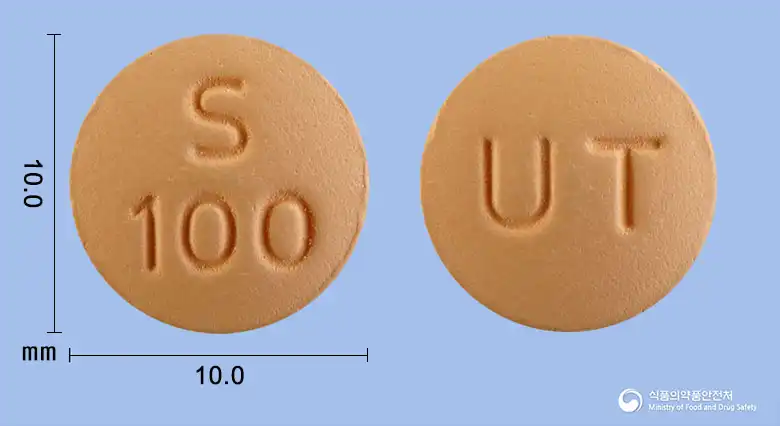
Sitagliptin Hydrochloride Hydrate 113.4mg
Tablet · Prescription medication
Korea United Pharm., Co., Ltd.
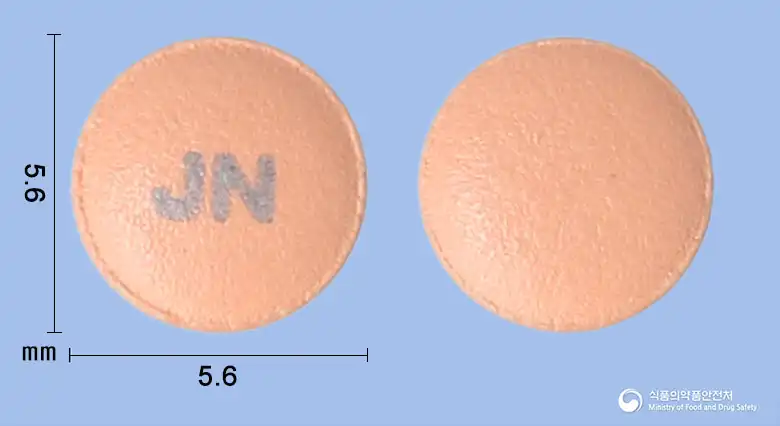
Sitagliptin Hydrochloride Hydrate 128.5mg
Tablet · Prescription medication
Daewon Pharmaceutical Co., Ltd.
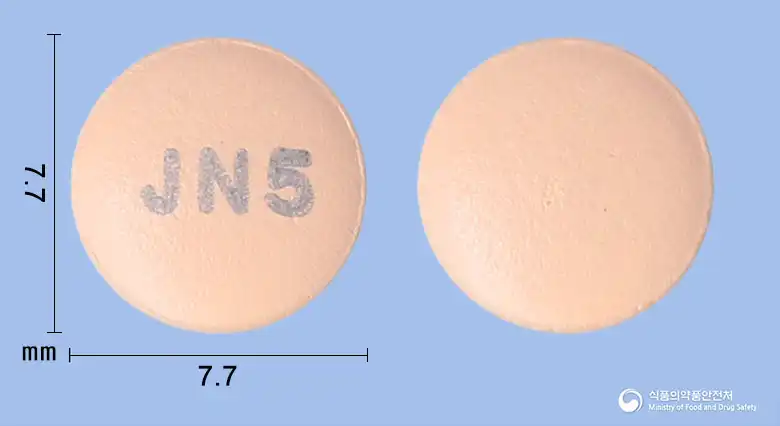
Sitagliptin Hydrochloride Hydrate 128.5mg
Tablet · Prescription medication
Daewon Pharmaceutical Co., Ltd.
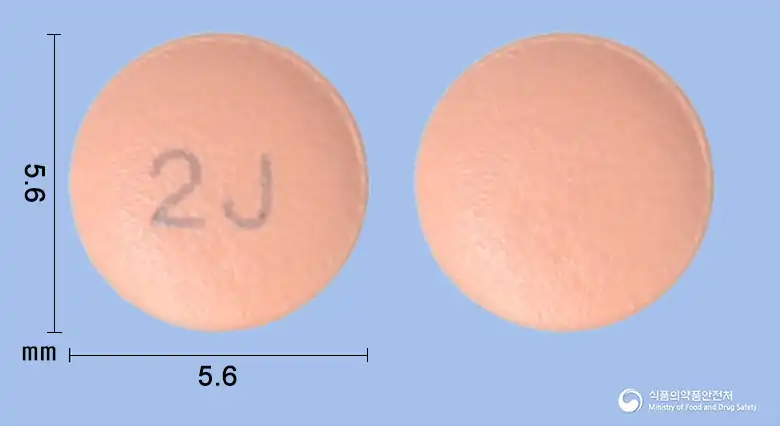
Sitagliptin Hydrochloride Hydrate 28.35mg
Tablet · Prescription medication
Daewoong Bio Co., Ltd.
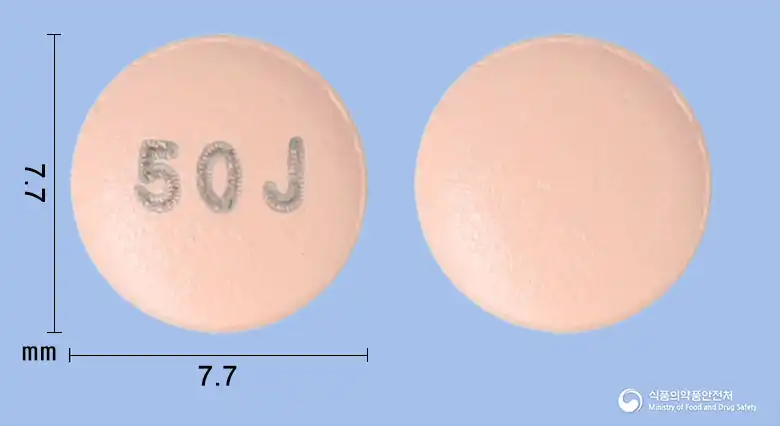
Sitagliptin Hydrochloride Hydrate 56.7mg
Tablet · Prescription medication
Daewoong Bio Co., Ltd.

Sitagliptin Hydrochloride Hydrate 113.4mg
Tablet · Prescription medication
Daewoong Bio Co., Ltd.
Even with the same ingredient, the dose and directions can differ by strength and dosage form. Talk to a doctor or pharmacist before switching from a medication you are already taking.
No questions yet.
For anything that needs medical judgment, consult a doctor or pharmacist.
This drug information is based on data provided by the Korea Ministry of Food and Drug Safety.
Consult a doctor or pharmacist for accurate dosage, administration, and usage instructions.