
 한국어
한국어 English
 日本語
日本語 中文(简体)
Dosage form image
Viewing nowGyro Tablet 25 mg (Empagliflozin)
Empagliflozin 25mg
Tablet · Prescription medication
Ilyun Pharmaceutical Co., Ltd.
MFDS item code 202102285 · Approved 2021.03.12
Improvement of blood sugar control in type 2 diabetes and prevention of cardiovascular events
This medication is used as an adjunct to diet and exercise to improve blood sugar control in adults with type 2 diabetes. It can be administered as monotherapy, and when blood sugar control is inadequate, it can be combined with metformin or other hypoglycemic agents to enhance efficacy. Additionally, it may be added during insulin therapy or when multiple medications do not sufficiently control blood sugar. Special caution is necessary when used in patients with cardiovascular diseases, and usage guidelines based on professional clinical trial information should be observed. This medication improves blood sugar control and manages cardiovascular risk in patients with type 2 diabetes.
The recommended dose of this medication is 10 mg once daily. If well tolerated and additional blood sugar control is needed, the dose may be increased to 25 mg once daily. It can be taken regardless of meals, and the tablet should be swallowed whole. If a dose is missed, take it as soon as remembered, but do not take two doses on the same day.
This medication should not be used in certain patients. It should not be administered if there is an allergy to any component of this drug or its active ingredients. Patients with type 1 diabetes or diabetic ketoacidosis should not take this medication. Patients with very impaired kidney function, specifically with a glomerular filtration rate below 30 mL/min/1.73m2 or those on dialysis for end-stage kidney disease should not use this medication. This drug contains lactose, thus it should not be given to patients with lactose intolerance, galactose intolerance, or hereditary lactase deficiency. Patients with mild kidney impairment should use this medication cautiously. Patients with a glomerular filtration rate below 60 mL/min/1.73m2 should not initiate treatment with this drug, and if currently taking, the dosage may need to be reduced or stopped. For patients with end-stage kidney disease or on dialysis, the effectiveness of this medication is not expected, thus it is not used. Caution is advised for patients with mild to moderate heart failure, while it is not recommended for severe heart failure patients. When taken along with medications that can cause hypoglycemia such as insulin or sulfonylureas, the risk of hypoglycemia may increase, and in such cases, dosage adjustment of insulin or these medications may be necessary. While taking this medication, the following adverse reactions may occur. The most common adverse reaction is hypoglycemia, which may occur more frequently when combined with insulin or sulfonylureas. Genital infections (e.g., vulvovaginitis, balanitis), urinary tract infections, and symptoms of increased urination have also been reported. Dehydration, hypotension, and reduced blood pressure due to fluid loss may occur, particularly caution is needed in individuals aged over 75 years. Temporary elevations in serum creatinine or reductions in glomerular filtration rate may appear in blood tests; however, most return to normal after discontinuing treatment. This medication carries a risk of serious side effects such as ketoacidosis and Fournier's gangrene, so symptoms related to these should be reported to healthcare professionals immediately. It is recommended not to use this medication during pregnancy and to avoid its use while breastfeeding. Safety and efficacy in children and adolescents (under 18 years) have not been established, thus it is not used in this age group. No specific toxic symptoms have been reported in cases of overdose, but appropriate treatment is necessary depending on the clinical situation. This medication may interact with other drugs, especially when taken with diuretics, insulin, or sulfonylureas, thus caution is advised, and blood sugar control tests should utilize methods other than the 1,5-AG test. Caution is necessary when driving or operating machinery due to the risk of hypoglycemia. While taking this medication, it should be kept out of reach of children, and transferring it to another container should be avoided.
Hypoglycemia, increased risk of hypoglycemia when combined with sulfonylureas or insulin, vulvovaginitis, balanitis, and other genital infections, increased urination (including frequent urination, polyuria, nocturia), urinary tract infections, rash, itching, increased serum lipids, elevated serum creatinine, decreased glomerular filtration rate, decreased blood pressure, dehydration, hypotension, fluid loss, headache, dizziness, fatigue, peripheral edema, facial swelling, fever,
Not everyone experiences these, and they can vary from person to person.
This medication may be sensitive to air or moisture, so it should be stored in a tightly sealed container. The storage temperature should ideally be maintained between 1 to 30 degrees Celsius at room temperature. This helps to sustain the effectiveness and safety of the medication for an extended period.
Light yellow, biconvex, oval film-coated tablet
10 tablets/box [(10 tablets/PTP × 1)], 30 tablets/box [(10 tablets/PTP × 3)], 30 tablets/bottle
Even with the same ingredient, strength, dosage form and how it is taken can differ.
Empagliflozin 25mg
Tablet · Prescription medication
Ilyun Pharmaceutical Co., Ltd.
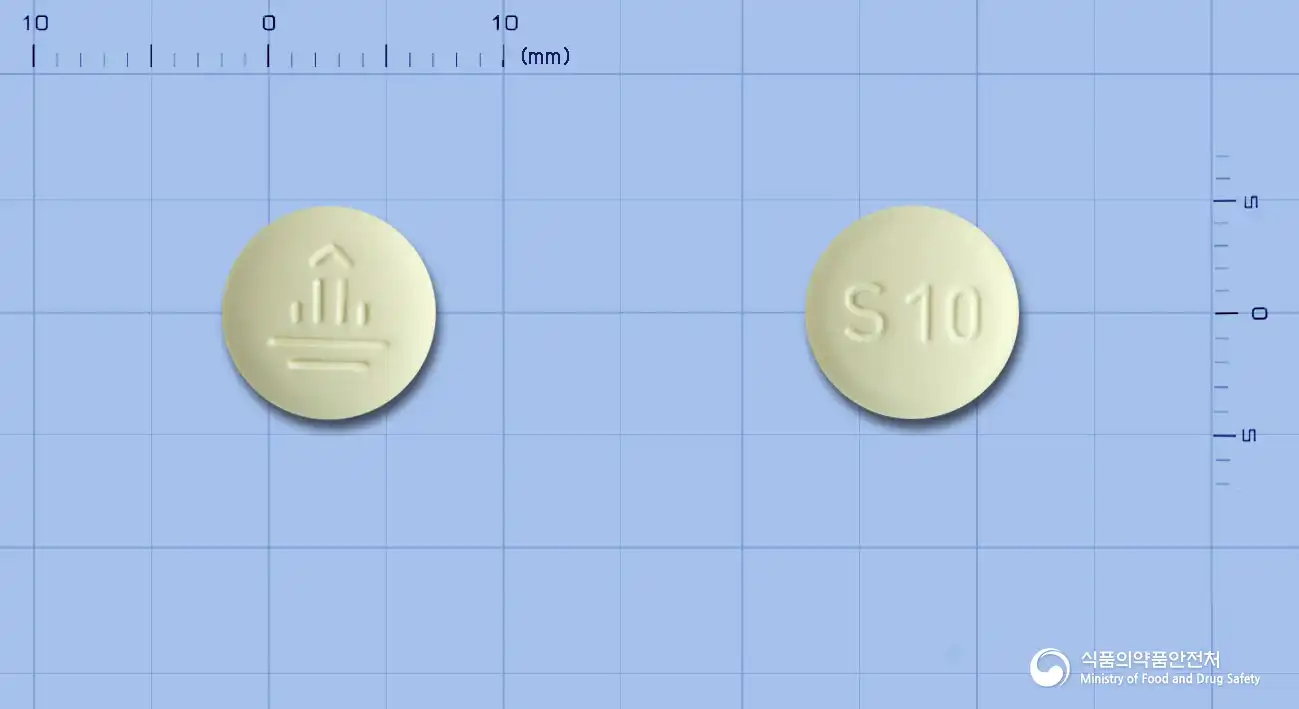
Empagliflozin 10mg
Tablet · Prescription medication
Boehringer Ingelheim Korea Co., Ltd.
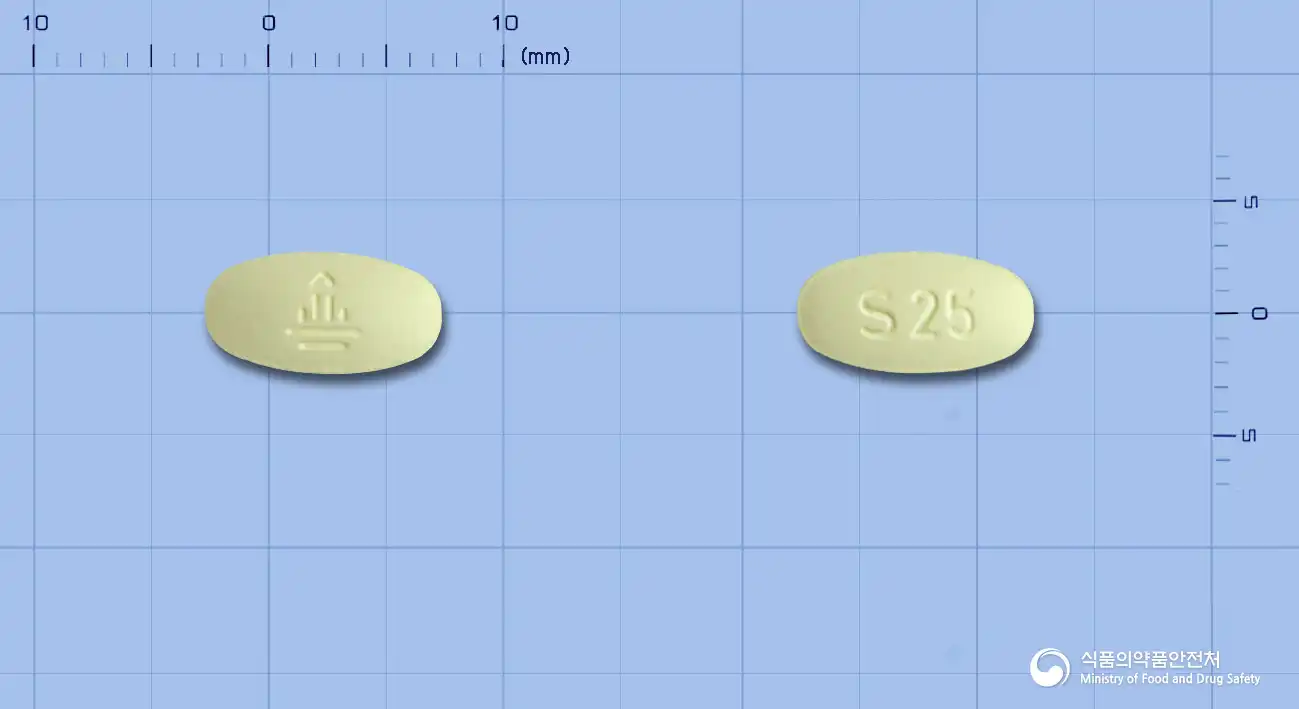
Empagliflozin 25mg
Tablet · Prescription medication
Boehringer Ingelheim Korea Co., Ltd.
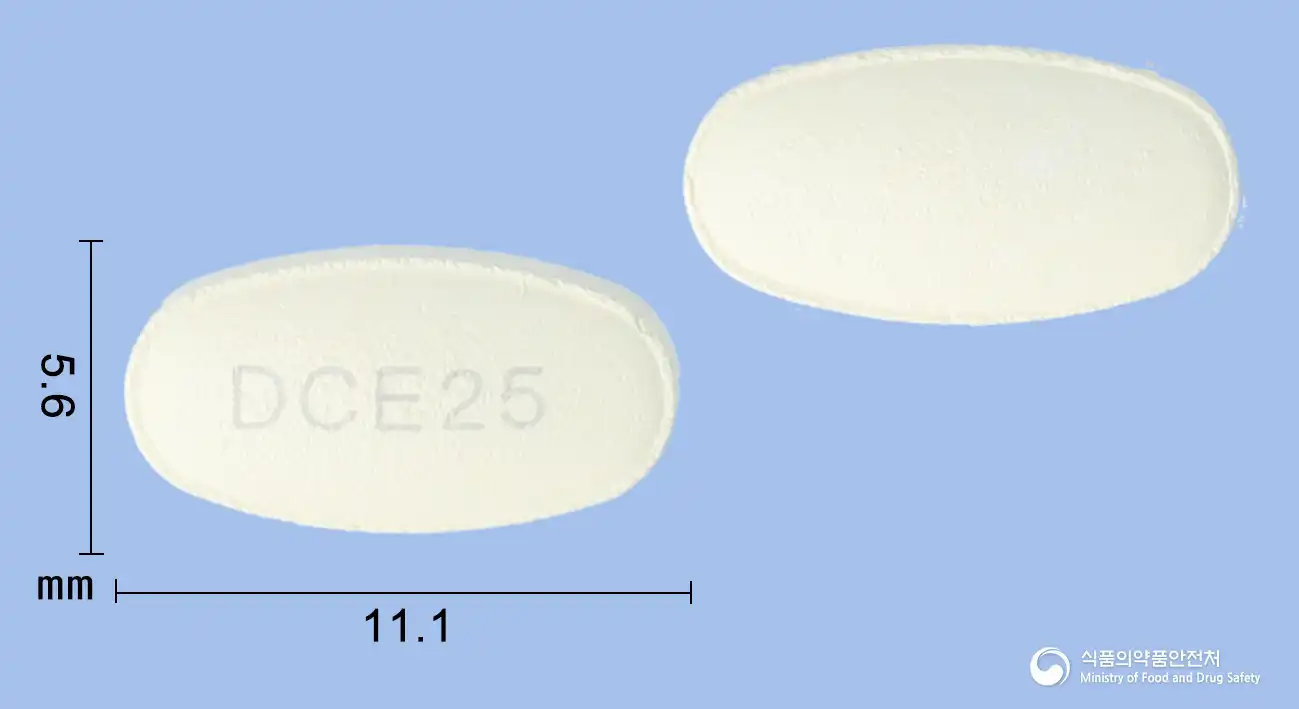
Empagliflozin 25mg
Tablet · Prescription medication
Donggu Bio Pharmaceutical Co., Ltd.
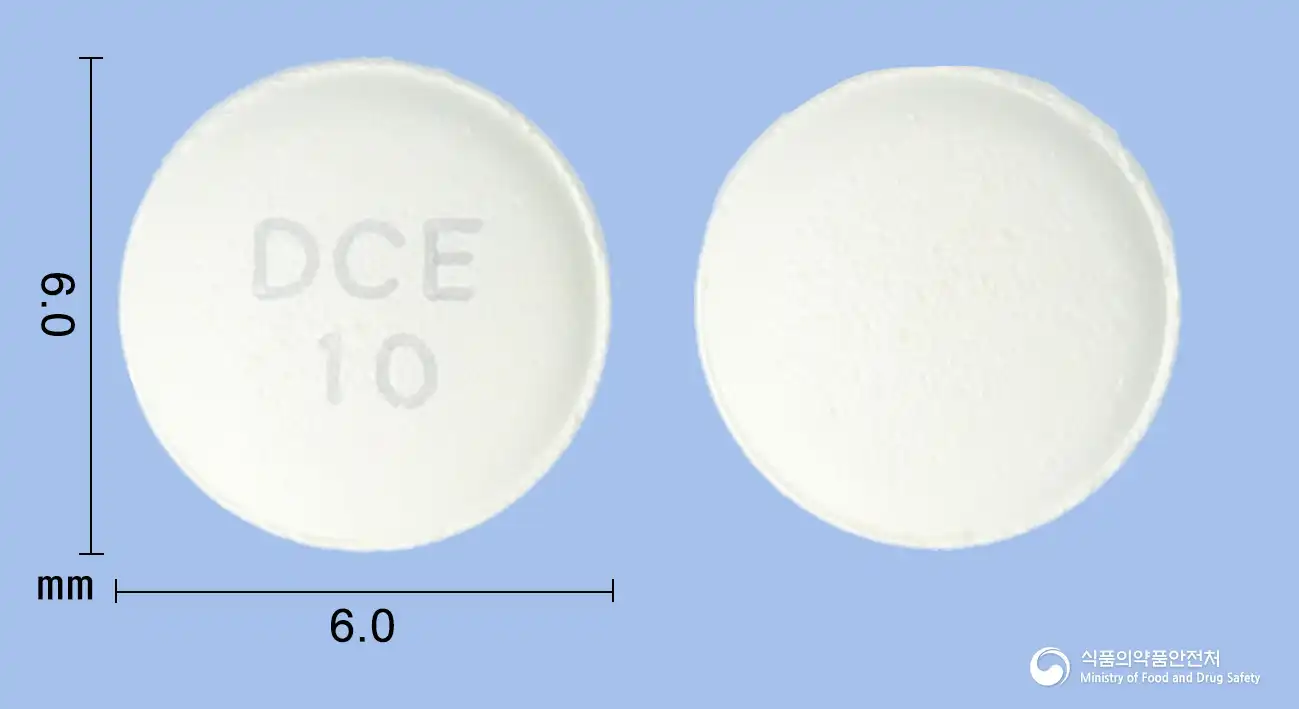
Empagliflozin 10mg
Tablet · Prescription medication
Dong Gu Bio Pharmaceutical Co., Ltd.
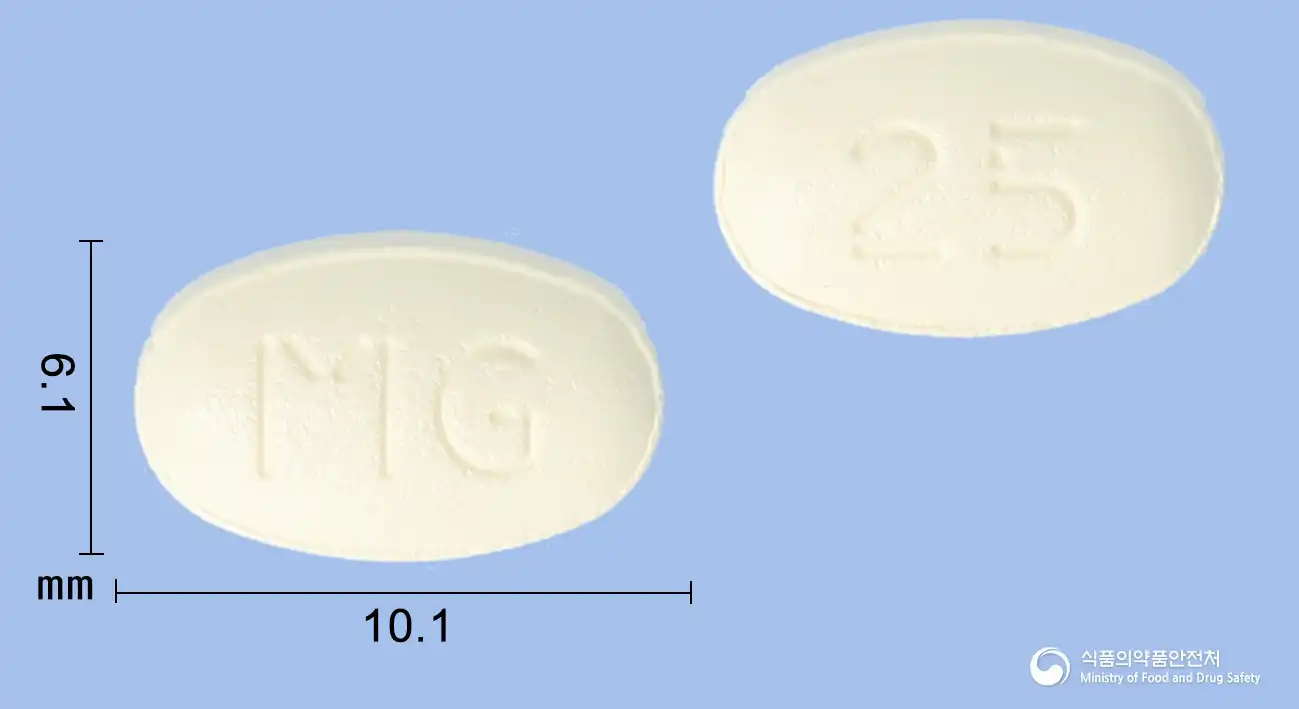
Empagliflozin 25mg
Tablet · Prescription medication
Korea Prime Pharmaceuticals Co., Ltd.
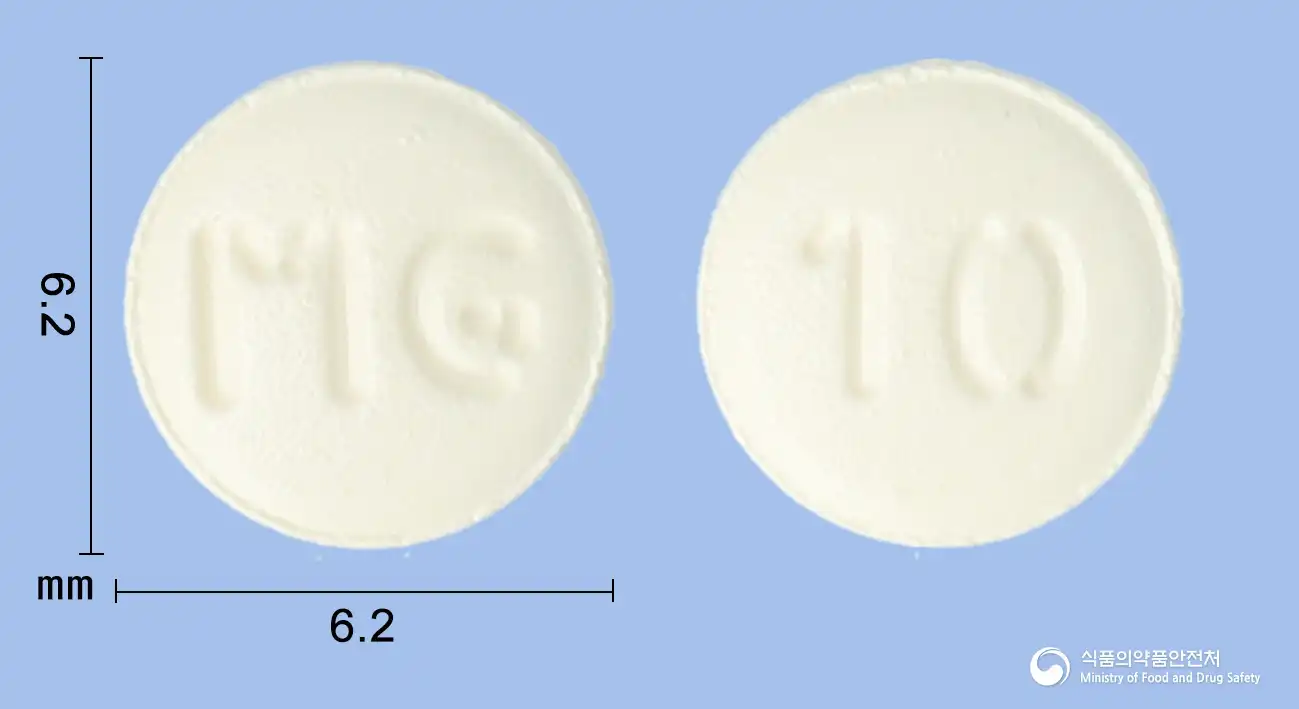
Empagliflozin 10mg
Tablet · Prescription medication
Korea Prime Pharmaceutical Co., Ltd.
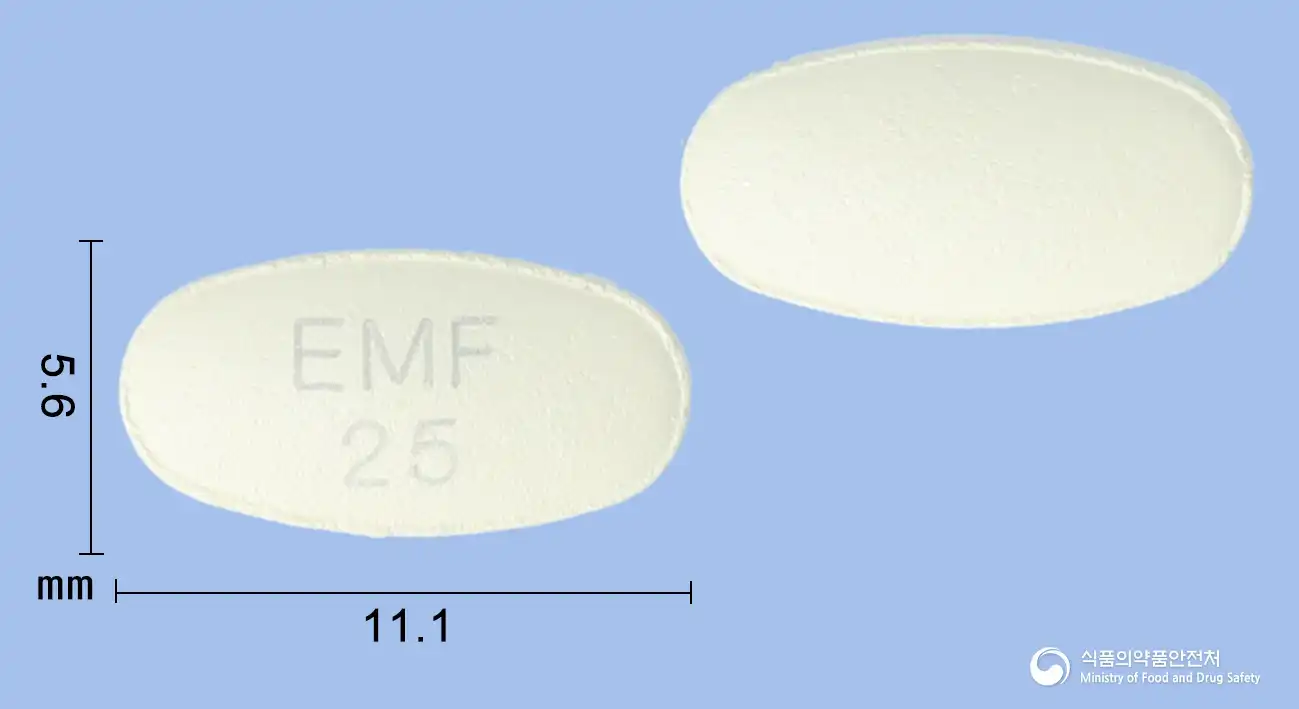
Empagliflozin 25mg
Tablet · Prescription medication
Kips Biopharma Co., Ltd.
Even with the same ingredient, the dose and directions can differ by strength and dosage form. Talk to a doctor or pharmacist before switching from a medication you are already taking.
No questions yet.
For anything that needs medical judgment, consult a doctor or pharmacist.
This drug information is based on data provided by the Korea Ministry of Food and Drug Safety.
Consult a doctor or pharmacist for accurate dosage, administration, and usage instructions.