
 한국어
 English
 日本語
 中文(简体)
 Viewing now
Esotec DR Extended Release Capsule 20 mg (Esomeprazole Magnesium Hydrate)
Esomeprazole Magnesium Dihydrate 10.85mg
Prescription medication
Daewon Pharmaceutical Co., Ltd.
MFDS item code 202101870 · Approved 2021.02.24 · Insurance code 671807330
Treatment of gastroesophageal reflux disease (erosive esophagitis) and prevention of recurrence of esophagitis
Gastroesophageal reflux disease (GERD) is a condition caused by the reflux of stomach acid into the esophagus, and is used for the treatment of erosive reflux esophagitis. It is also used as a long-term maintenance therapy to prevent recurrence in patients with esophagitis. This medication helps to suppress gastric acid secretion, protect the esophageal mucosa, and alleviate symptoms. Patients can expect improvement in symptoms and prevention of recurrence through continuous administration.
1) Gastroesophageal reflux disease (GERD). - Treatment of erosive reflux esophagitis: Take 40 mg once daily for 4 weeks. If esophagitis is not healed or symptoms persist, continue taking the medicine for an additional 4 weeks. - Long-term maintenance therapy to prevent recurrence in patients with esophagitis: 20 mg once daily 4. Renal impairment: No dose adjustment is necessary. Use with caution because there is limited experience with administration to patients with severe renal impairment. 5. Hepatic impairment: No dose adjustment is necessary in patients with mild to moderate hepatic impairment. Patients with severe hepatic impairment should not exceed a dose of 20 mg of this medicine. 6. Older adults: No dose adjustment is necessary.
Adolescents aged 12 years and older 1) Gastroesophageal reflux disease (GERD) - Treatment of erosive reflux esophagitis: Take 40 mg once daily for 4 weeks. If esophagitis is not healed or symptoms persist, continue taking the medicine for an additional 4 weeks. Children under 12 years of age: There is no experience with administration of this medicine to children under 12 years of age.
This medication should not be administered to certain patients. For example, patients allergic to this drug, its ingredients, or who have experienced hypersensitivity reactions to benzimidazole derivatives should not use it. Additionally, patients taking certain antiviral agents such as atazanavir, nelfinavir, and rilpivirine or nursing mothers should avoid this medication. Although serious adverse reactions were rarely reported in clinical trials involving patients with gastroesophageal reflux disease, some patients may experience side effects such as diarrhea, headache, dizziness, and increased liver enzyme levels. Long-term use may lead to side effects such as hypomagnesemia, increased risk of fractures, and increased risk of gastrointestinal bacterial infection, necessitating regular testing. If symptoms suggestive of malignant tumors are present, it is essential to confirm their malignancy before taking this medication, and it is crucial to consult a doctor if symptoms change. This drug may interact with other medications, so it is advisable to consult with a healthcare professional if you are taking blood thinners, antiviral agents, antibiotics, or immunosuppressants. While no specific anomalies were found in animal studies during pregnancy, it should be administered cautiously to pregnant women, and nursing mothers should avoid this medication. In the case of overdose, there is no specific antidote, so treatment should be symptomatic, and it should be kept out of reach of children. Furthermore, transferring the medicine to another container can compromise its quality, so care should be taken.
Diarrhea, dyspepsia, nausea, gastric ulcer, headache, dizziness, increased aspartate aminotransferase, increased alanine aminotransferase, increased blood creatine phosphokinase, increased blood alkaline phosphatase, increased blood lactate dehydrogenase, joint dislocation, arthralgia, influenza, urticaria, leukopenia, thrombocytopenia, agranulocytosis, pancytopenia, fever, angioedema, anaphylactic reaction, shock, peripheral edema, hyponatremia, hypomagnesemia, insomnia, anxiety, mental confusion, depression, aggression, hallucinations, altered perception, drowsiness, taste disturbance, blurred vision, dizziness, bronchospasm, pancreatitis, abdominal pain, constipation, abdominal distension, nausea, vomiting, dry mouth, stomatitis, gastrointestinal candidiasis, microscopic colitis, elevated liver enzymes, jaundice, hepatitis, liver failure, encephalopathy, dermatitis, itching, rash, alopecia, photosensitivity, erythema multiforme, Stevens-Johnson syndrome, toxic epidermal necrolysis, Reye's syndrome, acute generalized exanthematous pustulosis, drug reaction with eosinophilia and systemic symptoms, fracture, myalgia, muscle weakness, nephritis, gynecomastia, asthenia, increased sweating, Clostridium difficile-associated diarrhea, abdominal distension, allergic reaction, back pain, chest pain, substernal chest pain, facial edema, facial flushing, fatigue, flu-like syndrome, generalized edema, leg edema, lethargy, pain, stiffness, flushing, hypertension, tachycardia, goiter, irritable bowel syndrome, exacerbation of constipation, dysphagia, gastrointestinal dysmotility, epigastric pain, belching, esophageal disorder, frequent bowel movements, gastroenteritis, gastrointestinal hemorrhage, hiccups, melena, oral disorder, pharyngeal disorder, rectal disorder, gastrointestinal symptoms, increased serum gastrin, tongue disorder, tongue edema, ulcerative stomatitis, vomiting, earache, tinnitus, anemia, hypochromic anemia, cervical lymphadenopathy, epistaxis, leukocytosis, thrombocytopenia, hyperbilirubinemia, liver dysfunction, elevated ALT, elevated AST, diabetes, hyperuricemia, elevated ALP, polydipsia, vitamin B12 deficiency, weight gain, weight loss, exacerbation of arthritis, arthropathy, cramps, fibromyalgia syndrome, hernia, polymyalgia rheumatica, loss of appetite, apathy, increased appetite, confusion, worsening depression, hypertonia, sensory loss, erectile dysfunction, insomnia, migraine, exacerbation of migraine, sleep disorder, tremors, visual field loss, conjunctivitis, visual disturbances, duodenitis, esophagitis, esophageal stricture, esophageal ulcer, esophageal varices, gastric ulcer, gastritis, benign polyp or nodule, Barrett's esophagus, mucosal discoloration, hernia, systemic lupus erythematosus, cutaneous lupus erythematosus, gastric fundic polyp, hypocalcemia, hypokalemia, rhabdomyolysis
Not everyone experiences these, and they can vary from person to person.
This medication should be stored in a tightly closed container to prevent exposure to air and moisture, and it is advisable to store it at room temperature between 1 and 30 degrees Celsius. Storing it this way helps maintain the medication's effectiveness and prevents deterioration.
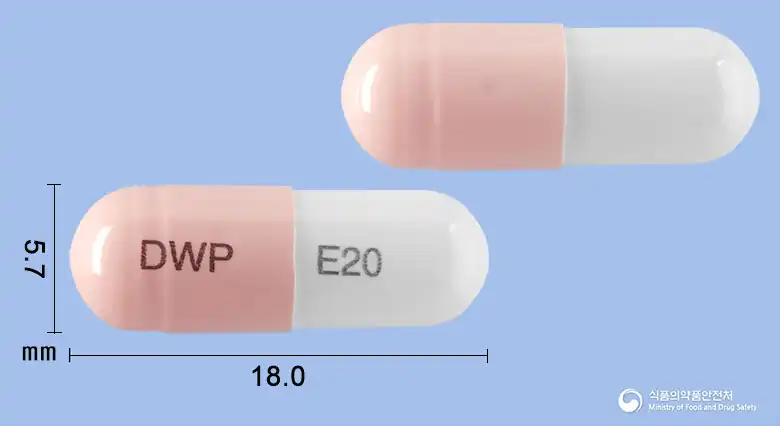
A pink upper part and a white lower part extended release hard capsule containing round pellets ranging from white to pale yellow.
14 capsules/PTP [7 capsules/PTP X 2], 30 capsules/bottle
Even with the same ingredient, strength, dosage form and how it is taken can differ.
Viewing nowEsomeprazole Magnesium Dihydrate 10.85mg
Prescription medication
Daewon Pharmaceutical Co., Ltd.
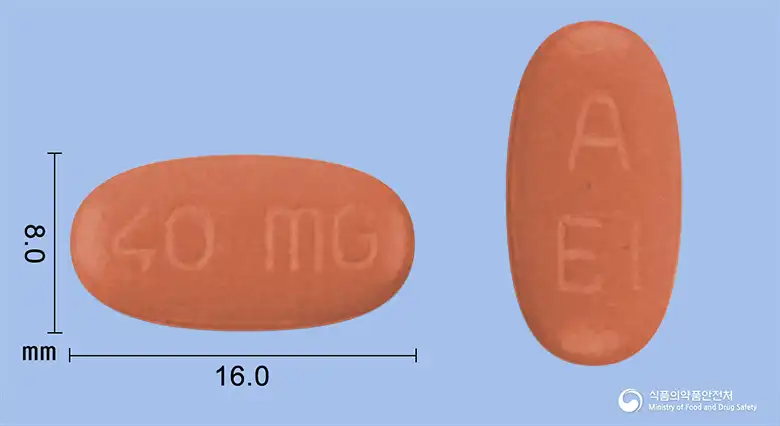
Esomeprazole Magnesium Trihydrate 44.5mg
Tablet · Prescription medication
AstraZeneca Korea Co., Ltd.
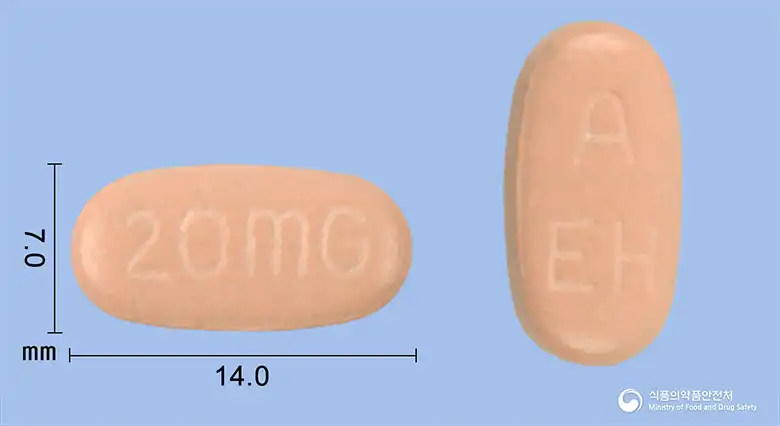
Esomeprazole Magnesium Trihydrate 22.3mg
Tablet · Prescription medication
AstraZeneca Korea Co., Ltd.

Esomeprazole Magnesium Trihydrate 22.3mg
Tablet · Prescription medication
Daewon Pharmaceutical Co., Ltd.

Esomeprazole Magnesium Trihydrate 44.5mg
Tablet · Prescription medication
Daewon Pharmaceutical Co., Ltd.
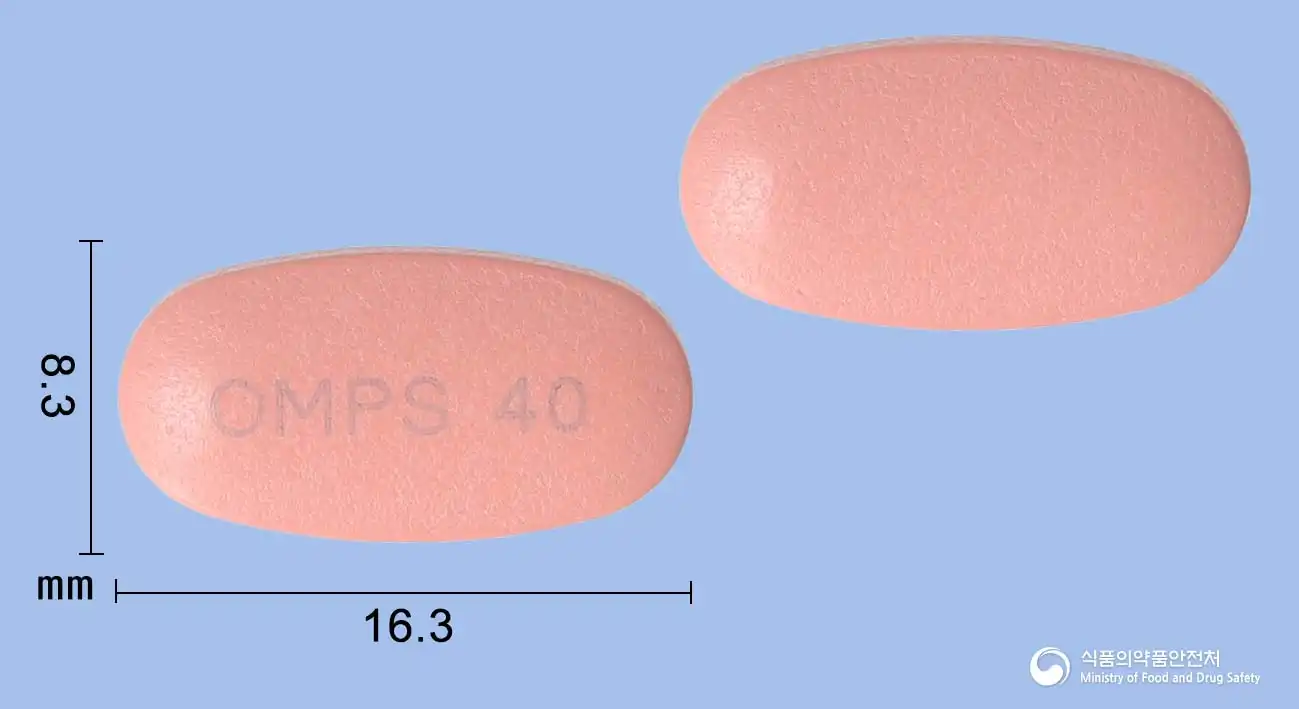
Esomeprazole Magnesium Dihydrate 43.38mg
Tablet · Prescription medication
Jongkundang Co., Ltd.
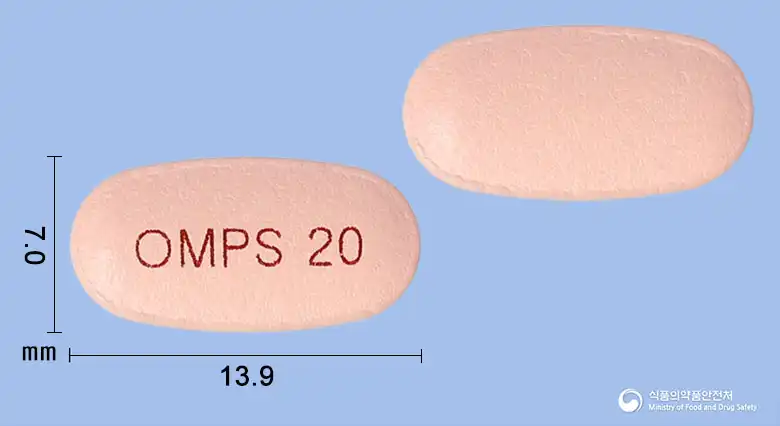
Esomeprazole Magnesium Dihydrate 21.69mg
Tablet · Prescription medication
Chong Kun Dang Pharmaceutical Corp.

Esomeprazole Magnesium Trihydrate 22.3mg
Tablet · Prescription medication
Samjin Pharmaceutical Co., Ltd.
Even with the same ingredient, the dose and directions can differ by strength and dosage form. Talk to a doctor or pharmacist before switching from a medication you are already taking.
No questions yet.
For anything that needs medical judgment, consult a doctor or pharmacist.
This drug information is based on data provided by the Korea Ministry of Food and Drug Safety.
Consult a doctor or pharmacist for accurate dosage, administration, and usage instructions.