
 한국어
한국어 English
 日本語
日本語 中文(简体)
 Viewing nowCombination
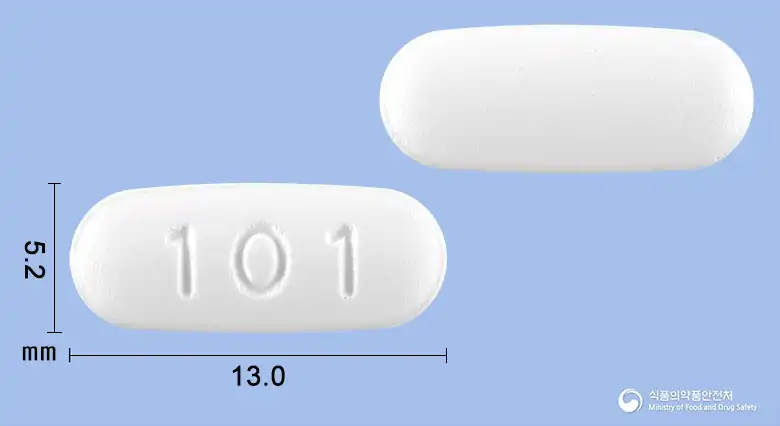
Atrojet Tablet 10/10 mg
Ezetimibe 10mg · Atorvastatin Calcium Trihydrate 10.85mg
Tablet · Prescription medication · Combination
Bivozon Pharmaceutical Co., Ltd.
MFDS item code 202101637 · Approved 2021.02.18 · Insurance code 658204560
Improvement of lipids by reducing cholesterol and increasing HDL in primary hypercholesterolemia (homozygous familial) and dyslipidemia
This medication is used as an adjunct to diet for lowering elevated total cholesterol, LDL cholesterol, Apo B, triglycerides, and non-HDL cholesterol levels in patients with primary hypercholesterolemia and mixed dyslipidemia, and for raising levels of good cholesterol, HDL cholesterol. Additionally, it is administered as an adjunctive treatment for patients with homozygous familial hypercholesterolemia in case of insufficient lipid-lowering treatment. This medication helps manage lipid levels in patients at high risk of atherosclerotic vascular diseases due to hypercholesterolemia. Lipid-lowering medications should be used in conjunction with an appropriate diet, particularly when diet alone is not sufficient. Before treatment, other potential secondary causes should be checked and treated if necessary. This medication is effectively used in treating dyslipidemia.
This medication is administered once daily regardless of meals. For primary hypercholesterolemia, the dose range is 10/10 mg to 10/80 mg per day, with an initial recommended dose of 10/10 mg or 10/20 mg daily. Patients requiring more significant reductions in LDL cholesterol should start with an initial dose of 10/40 mg per day. After starting treatment or making dosage adjustments, check blood lipid levels at intervals of more than 2 weeks.
This medication can potentially induce severe muscle damage called rhabdomyolysis, which could lead to rapid deterioration of kidney function. If severe muscle pain or weakness occurs, consult a physician immediately. This medication should not be used in patients with allergies to the active ingredients or components, active liver disease, or abnormally elevated liver enzyme levels, muscle disorders, pregnant or breastfeeding women, patients taking certain antiviral medications, and those with lactose intolerance. Patients at risk for muscle damage, such as alcoholics, individuals with poor liver function, impaired kidney function, hypothyroid patients, those with a family history of muscle disorders, and the elderly should use this medication cautiously, and special attention is needed if taken alongside other drugs that may affect muscles. This medication may affect liver function, so regular liver function tests are recommended before and during use. Immediate medical attention is needed if symptoms of liver damage, such as fatigue, nausea, or vomiting, occur. This medication should not be used during pregnancy or breastfeeding, and women of childbearing age should employ suitable contraception while taking it. Side effects such as dizziness, muscle pain, or abdominal pain may occur; if these symptoms persist, consult a physician. There may be drug interactions while taking this medication, so informing healthcare providers of any other medications being taken is essential, especially when combined with certain antibiotics, antivirals, immunosuppressants, and fibrates. Elderly patients or those with impaired kidney function require special caution when taking this medication, and dosage adjustments may be necessary. In the case of overdose, there are no specific antidotes, and treatment should be symptomatic with supportive therapy; liver function and muscle-related tests need to monitor the condition. This medication is not recommended for children due to a lack of established safety and efficacy.
Hives, severe swelling (edema), skin and mucous membrane syndrome (Stevens-Johnson syndrome), toxic epidermal necrolysis (Lyell syndrome), skin ulcer, angioedema, liver abnormalities (jaundice), myopathy/rhabdomyolysis, acute renal failure, severe myopathy, severe edema, seizures, consciousness confusion, visual disturbances, paralysis, intracranial aneurysm, anemia, hypotension, liver failure, severe skin adverse reactions, severe allergic reactions, anaphylaxis,
Not everyone experiences these, and they can vary from person to person.
Store this medication in a tightly closed container to protect it from air and moisture, at room temperature between 1 to 30 degrees Celsius. Storing it this way will help maintain the medication's effectiveness.
White, double-convex, elongated film-coated tablet
PTP - 30 tablets/box [(10 tablets/PTP×3)]
Even with the same ingredient, strength, dosage form and how it is taken can differ.
Viewing nowCombinationEzetimibe 10mg · Atorvastatin Calcium Trihydrate 10.85mg
Tablet · Prescription medication · Combination
Bivozon Pharmaceutical Co., Ltd.
 Combination
Ezetimibe 10mg · Atorvastatin Calcium Trihydrate 21.7mg
Tablet · Prescription medication · Combination
Korea Organon Co., Ltd.
 Combination
Ezetimibe 10mg · Atorvastatin Calcium Trihydrate 43.4mg
Tablet · Prescription medication · Combination
Korea Organon Co., Ltd.
 Combination
Ezetimibe 10mg · Atorvastatin Calcium Trihydrate 86.8mg
Tablet · Prescription medication · Combination
Korea Organon Co., Ltd.
 Combination
Ezetimibe 10mg · Atorvastatin Calcium Trihydrate 10.9mg
Tablet · Prescription medication · Combination
Korea Organon Co., Ltd.
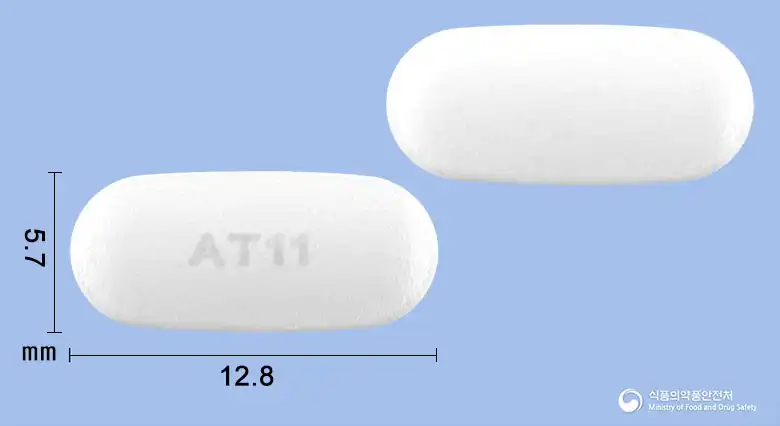 Combination
Atorvastatin Calcium 10.85mg · Ezetimibe 10mg
Tablet · Prescription medication · Combination
Korea HuTex Pharmaceutical Co., Ltd.
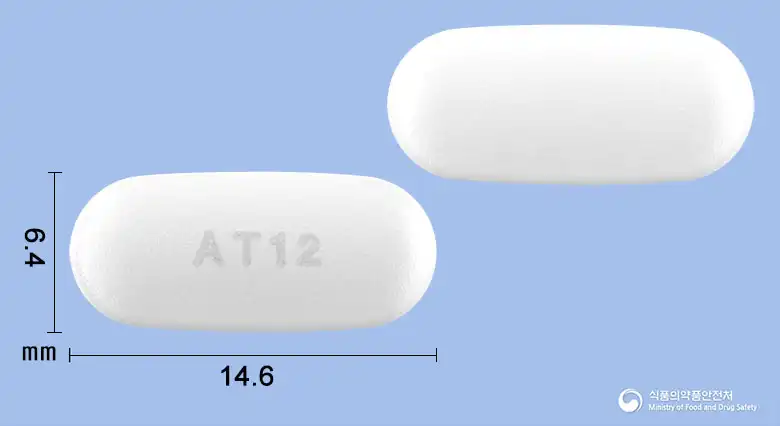 Combination
Atorvastatin Calcium 21.7mg · Ezetimibe 10mg
Tablet · Prescription medication · Combination
Korea HuTex Pharmaceutical Co., Ltd.
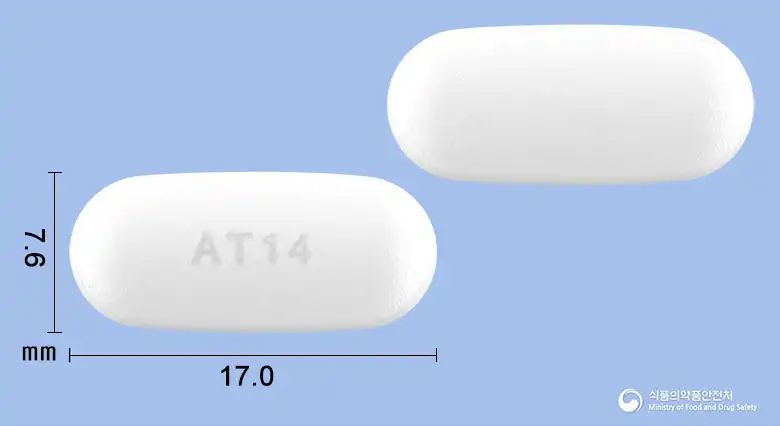 Combination
Atorvastatin Calcium 43.4mg · Ezetimibe 10mg
Tablet · Prescription medication · Combination
Korea HuTex Pharmaceutical Co., Ltd.
Even with the same ingredient, the dose and directions can differ by strength and dosage form. Talk to a doctor or pharmacist before switching from a medication you are already taking.
No questions yet.
For anything that needs medical judgment, consult a doctor or pharmacist.
This drug information is based on data provided by the Korea Ministry of Food and Drug Safety.
Consult a doctor or pharmacist for accurate dosage, administration, and usage instructions.