
 한국어
한국어 English
 日本語
日本語 中文(简体)
 Viewing nowCombination
Ato-Ejeong 10/40 Milligrams
Ezetimibe 10mg · Atorvastatin Calcium Trihydrate 43.4mg
Tablet · Prescription medication · Combination
Ilhwa Co., Ltd.
MFDS item code 202101529 · Approved 2021.02.18
Reduction of cholesterol in hypercholesterolemia (primary, homozygous familial) and dyslipidemia and suppression of cardiovascular disease risk by increasing HDL.
This medication helps to lower elevated total cholesterol, LDL-cholesterol, Apo B protein, triglycerides, and non-HDL cholesterol in patients with primary hypercholesterolemia, mixed dyslipidemia, and homozygous familial hypercholesterolemia, while increasing HDL-cholesterol. It can particularly be used as an adjunct when other treatments are inadequate. This medication should be used in conjunction with an appropriate diet, and secondary causes such as diabetes or hypothyroidism should be checked before treatment. Treatment plans will be developed after measuring lipid levels, and it is effective in reducing cardiovascular morbidity and mortality. In summary, this medication is used for the treatment of hypercholesterolemia and dyslipidemia.
This medication is taken once daily, regardless of meals. For primary hypercholesterolemia, the dosage is 10/10mg to 10/80mg daily, with an initial recommended dose of 10/10mg or 10/20mg daily. For patients requiring more significant reductions in LDL-cholesterol (more than 55%), an initial dose of 10/40mg daily is recommended. After dosing or adjusting the dosage, lipid levels should be checked at intervals of more than 2 weeks.
This medication can rarely cause a condition called rhabdomyolysis, which can damage muscle tissue and lead to severe kidney problems. Therefore, if severe muscle pain or weakness occurs, you should inform your doctor immediately, and treatment should be stopped or temporarily paused during such events. This medication should not be administered to certain patients. For example, it should not be used by individuals who are allergic to this medication, have liver problems, have muscle disorders, are pregnant or breastfeeding, or are taking specific other medications. Patients with a history of alcohol abuse, poor liver function, kidney problems, thyroid dysfunction, elderly patients, and those at high risk for muscle disorders should exercise special caution when using this medication. Additionally, caution is advised if this medication is being taken with other drugs that may affect the muscles. While taking this medication, side effects such as liver dysfunction, muscle pain, abdominal pain, dizziness may occur, necessitating regular check-ups. Women who are pregnant or may become pregnant should not take this medication and should employ effective contraception while taking it. Nursing mothers are also advised against using this medication. Safety and efficacy in children have not been established, thus it is not recommended for pediatric use. Elderly patients may be at increased risk for myopathy, and caution is advised during use; however, dose adjustments are generally not required. Patients with severely impaired liver or kidney function must consult their doctor before taking this medication, and administration should be stopped if liver dysfunction persists. In the case of an overdose, there is no specific antidote, and symptomatic treatment and supportive care should be administered while monitoring liver function and muscle enzyme levels. This medication may interact with other drugs, so it is essential to inform your doctor or pharmacist about any other medications you are taking, especially when using drugs metabolized by the liver or those that affect the muscles. Caution is required due to possible dizziness when driving or operating machinery. This medication should be kept out of reach of children and it is advisable to avoid transferring it to other containers.
Hives, severe swelling (edema), chest tightness, difficulty breathing, cold sweat, pallor, severe rash with fever, blisters, skin peeling, oral/ocular mucosal pain, shortness of breath or difficulty breathing, asthma attack, respiratory distress with cough and fever, yellowing of skin or eyes (jaundice), extreme drowsiness, sudden and severe headache, thunderclap headache, seizures, confusion of consciousness, visual disturbances, paralysis, urination changes
Not everyone experiences these, and they can vary from person to person.
This medication may be sensitive to air or moisture; therefore, it should be stored in a sealed container. It is important to maintain storage temperatures between 1 degree and 30 degrees Celsius at room temperature. This will help preserve the medication's efficacy and safety over time.
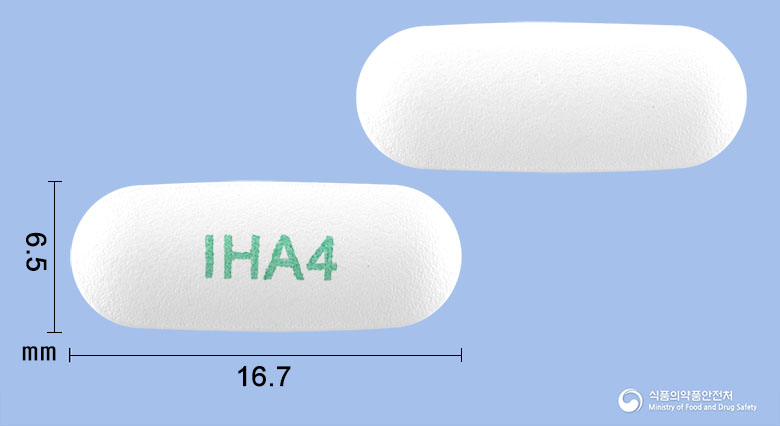
White or whitish elongated film-coated tablets
30 tablets/box[(10 tablets/Alu-Alu x 3)]
Even with the same ingredient, strength, dosage form and how it is taken can differ.
Viewing nowCombinationEzetimibe 10mg · Atorvastatin Calcium Trihydrate 43.4mg
Tablet · Prescription medication · Combination
Ilhwa Co., Ltd.
 Combination
Ezetimibe 10mg · Atorvastatin Calcium Trihydrate 21.7mg
Tablet · Prescription medication · Combination
Korea Organon Co., Ltd.
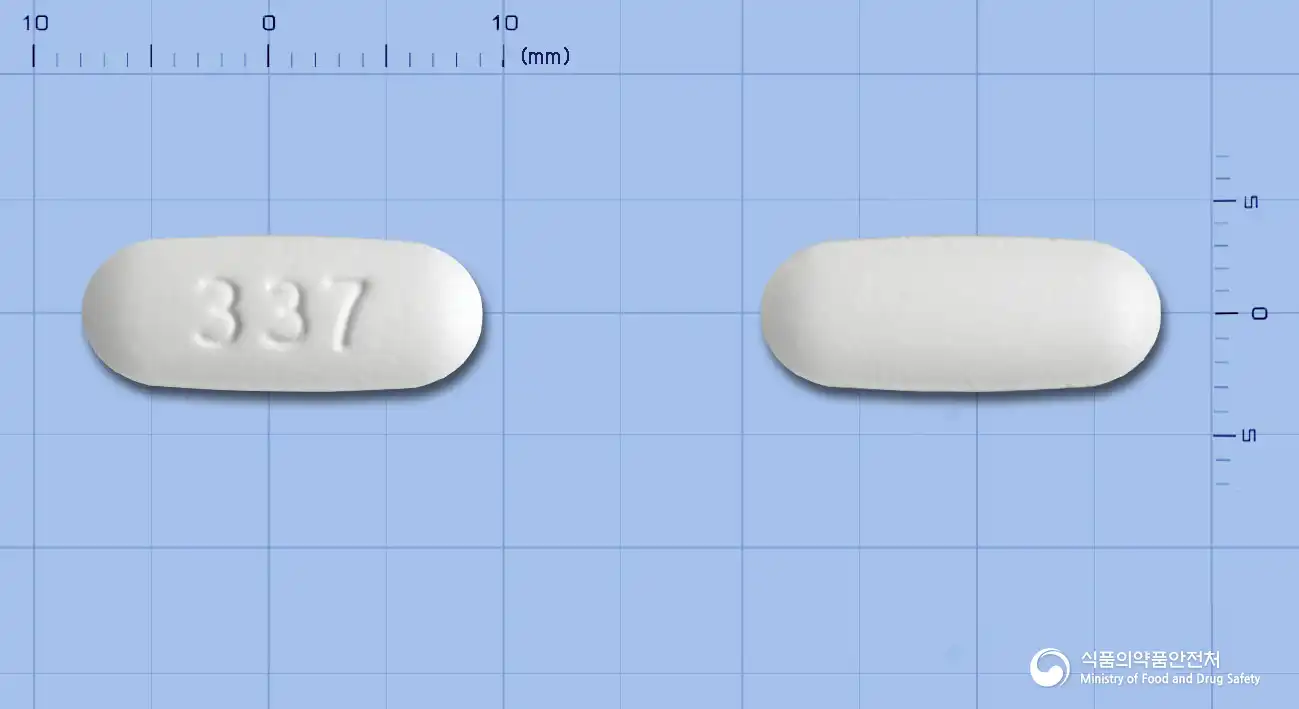 Combination
Ezetimibe 10mg · Atorvastatin Calcium Trihydrate 43.4mg
Tablet · Prescription medication · Combination
Korea Organon Co., Ltd.
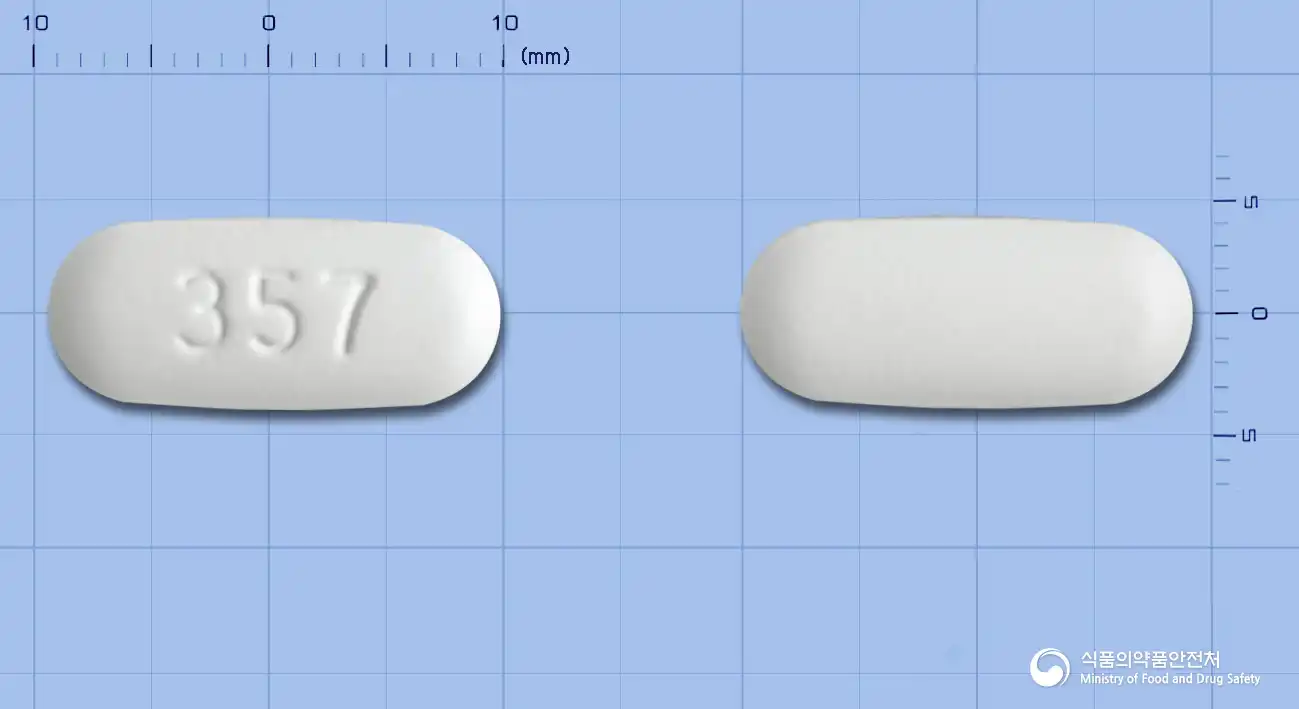 Combination
Ezetimibe 10mg · Atorvastatin Calcium Trihydrate 86.8mg
Tablet · Prescription medication · Combination
Korea Organon Co., Ltd.
 Combination
Ezetimibe 10mg · Atorvastatin Calcium Trihydrate 10.9mg
Tablet · Prescription medication · Combination
Korea Organon Co., Ltd.
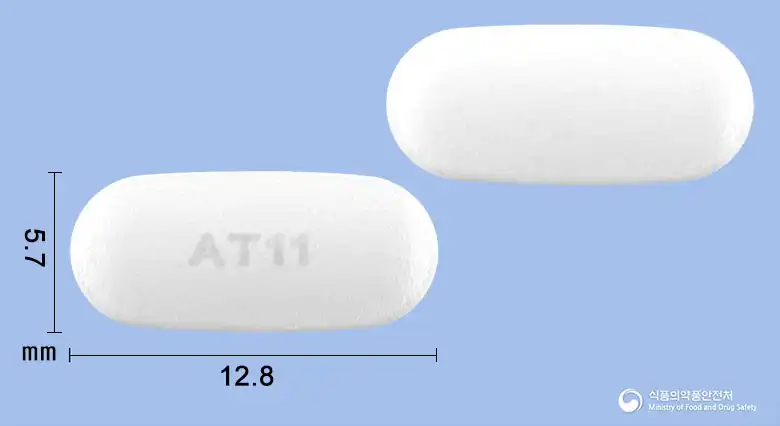 Combination
Atorvastatin Calcium 10.85mg · Ezetimibe 10mg
Tablet · Prescription medication · Combination
Korea HuTex Pharmaceutical Co., Ltd.
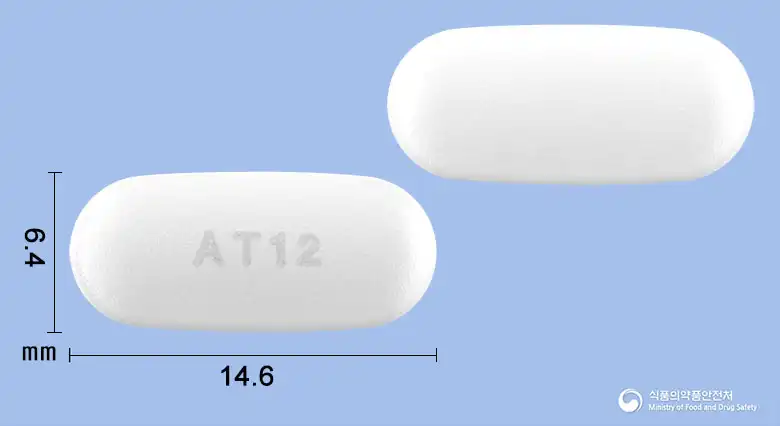 Combination
Atorvastatin Calcium 21.7mg · Ezetimibe 10mg
Tablet · Prescription medication · Combination
Korea HuTex Pharmaceutical Co., Ltd.
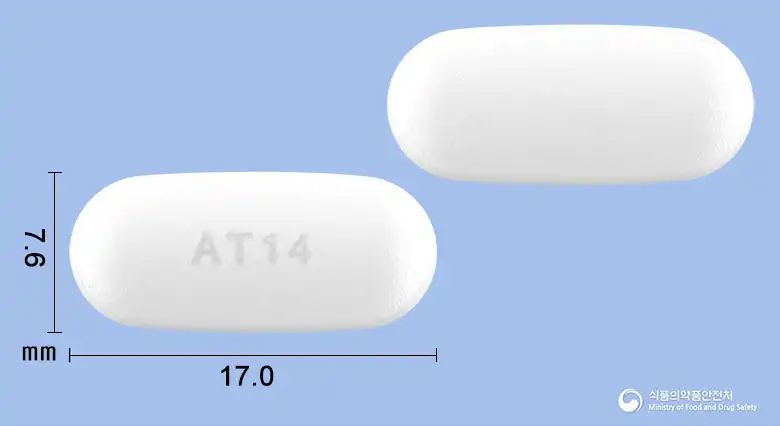 Combination
Atorvastatin Calcium 43.4mg · Ezetimibe 10mg
Tablet · Prescription medication · Combination
Korea HuTex Pharmaceutical Co., Ltd.
Even with the same ingredient, the dose and directions can differ by strength and dosage form. Talk to a doctor or pharmacist before switching from a medication you are already taking.
No questions yet.
For anything that needs medical judgment, consult a doctor or pharmacist.
This drug information is based on data provided by the Korea Ministry of Food and Drug Safety.
Consult a doctor or pharmacist for accurate dosage, administration, and usage instructions.