
 한국어
한국어 English
 日本語
日本語 中文(简体)
 Viewing nowCombination
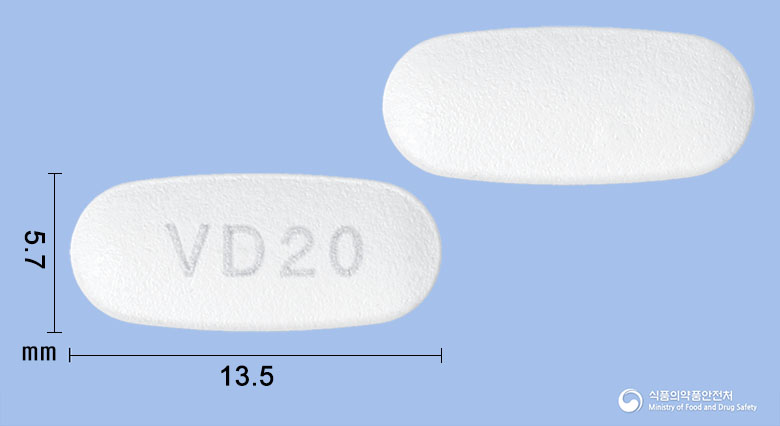
Barodown Tablets 10/20mg
Ezetimibe 10mg · Atorvastatin Calcium Trihydrate 21.7mg
Tablet · Prescription medication · Combination
Samik Pharmaceuticals Co., Ltd.
MFDS item code 202101502 · Approved 2021.02.18 · Insurance code 644004540
Improvement of lipids through reduction of cholesterol and increase of HDL in patients with hypercholesterolemia (primary, homozygous familial) and dyslipidemia
This medication helps lower total cholesterol, LDL cholesterol, apoB protein, triglycerides, and non-HDL cholesterol levels while increasing HDL cholesterol levels in patients with primary hypercholesterolemia, particularly in those with heterozygous familial and non-familial or mixed dyslipidemia. Additionally, in patients with homozygous familial hypercholesterolemia, it can be used as an adjunct to other lipid-lowering therapies or as an alternative treatment when other treatments are ineffective. This medicine should be used in conjunction with dietary and non-drug therapies when these alone are insufficient, and prior to treatment, secondary factors such as diabetes and hypothyroidism should be checked and managed as necessary. During treatment, cholesterol and triglyceride levels should be regularly monitored, and lipid testing is crucial in cases of acute coronary events. This medication supports appropriate management to reduce the risk of cardiovascular disease and is effective in improving overall lipid levels.
This medication is administered once daily, regardless of meals. For primary hypercholesterolemia, an initial dose of 10/10mg or 10/20mg once daily is recommended. Patients requiring greater LDL cholesterol reduction may be initiated on 10/40mg once daily. After initiation of therapy or dose adjustment, check serum lipid levels after an interval of more than 2 weeks to adjust the dose accordingly. Homozygous familial
This medication may cause serious muscle problems, so if sudden muscle pain or weakness occurs, inform a doctor immediately. Patients with risk factors such as severe infections, hypotension, major surgeries, trauma, metabolic abnormalities, endocrine disorders, or uncontrolled seizures should temporarily stop or discontinue this medication. Patients who are allergic to this medication, those with severe liver dysfunction, those with muscle diseases, women who are pregnant or may become pregnant, breastfeeding women, patients taking certain antiviral agents, and individuals with lactose intolerance should not use this medication. Alcoholics, patients with a history of liver disease or moderate to severe liver dysfunction, those with impaired kidney function or hypothyroidism, and elderly individuals with risk factors for myopathy should use this medication cautiously. Side effects such as liver dysfunction, myalgia, abdominal pain, dizziness, headache, nausea, diarrhea, cough, arthralgia, muscle weakness, musculoskeletal pain, hyperkalemia, bronchitis, sinusitis, flushing, fatigue, lethargy, chest pain, weakness, chest discomfort, fever, rhinitis, hyperglycemia, hypoglycemia, weight gain, loss of appetite, constipation, abdominal bloating, dyspepsia, vomiting, belching, pancreatitis, oropharyngeal and laryngeal pain, nosebleeds, insomnia, nightmares, altered perception, and sensory loss may occur, and if side effects are severe or persistent, consult a physician. Regular liver function tests and muscle enzyme tests should be conducted before and during the use of this medication, and any abnormal symptoms should be reported immediately. Pregnant or breastfeeding women should not take this medication, and women of childbearing age should use appropriate contraception while taking this medication. Drug interactions may occur when taken with other medications, so inform the physician of all medications currently being taken, and be particularly cautious when taken with specific antibiotics, antifungals, antivirals, and immunosuppressants. Safety and efficacy in pediatric patients have not been established, and its use is not recommended. Elderly patients should use this medication with caution due to a higher risk of myopathy. In case of overdose, appropriate treatment and examination are required depending on the symptoms, as this medication is not removed by dialysis. This medication should be stored out of reach of children and not transferred to other containers.
Hives, severe swelling (including angioedema), liver dysfunction (jaundice, liver failure, hepatitis, cholestatic jaundice), severe allergic reactions (anaphylaxis), skin and mucous membrane syndrome (Stevens-Johnson syndrome), toxic epidermal necrolysis (Lyell syndrome), polymorphic erythema, severe skin adverse reactions (SCARs), rhabdomyolysis, severe myopathy (myopathy, myositis, immune-mediated necrotizing myopathy), serious neurological symptoms (cerebral stroke)
Not everyone experiences these, and they can vary from person to person.
This medication should be stored in a sealed container to protect it from air and moisture. It is important to maintain storage temperatures between 1 degree and 30 degrees Celsius.
White oblong film-coated tablet
30 tablets/bottle
Even with the same ingredient, strength, dosage form and how it is taken can differ.
Viewing nowCombinationEzetimibe 10mg · Atorvastatin Calcium Trihydrate 21.7mg
Tablet · Prescription medication · Combination
Samik Pharmaceuticals Co., Ltd.
 Combination
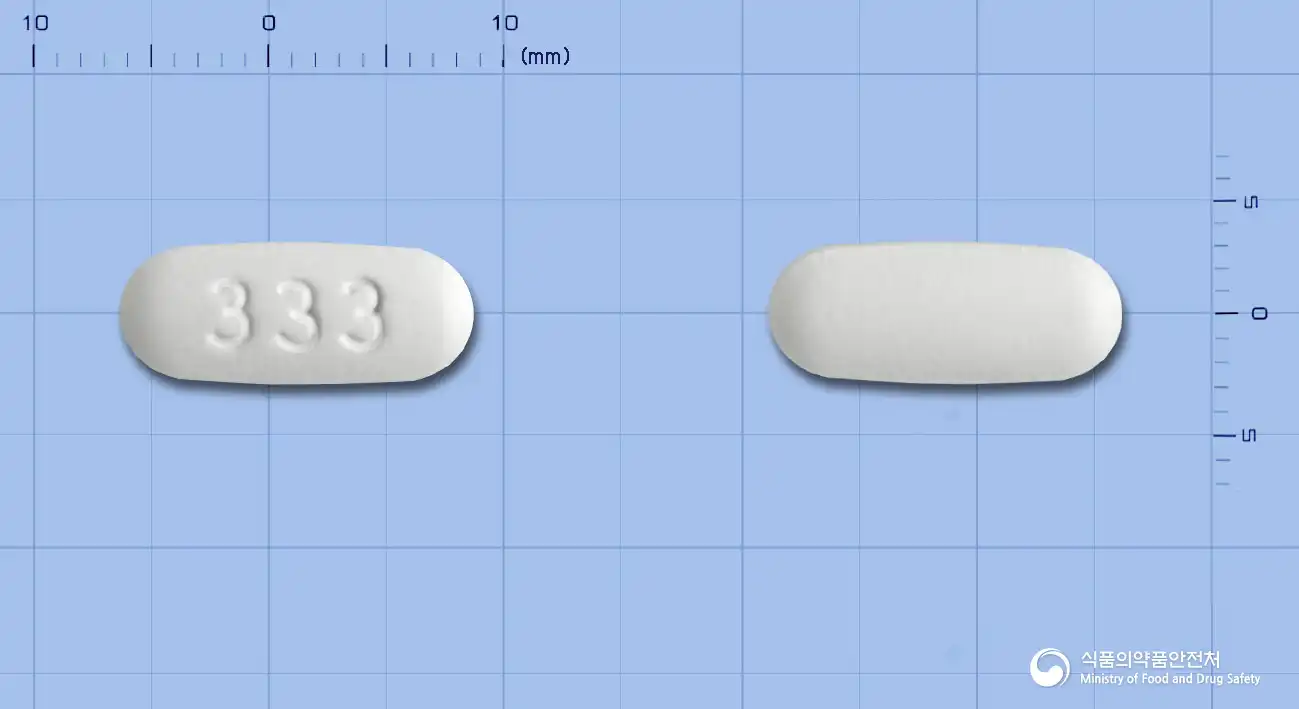
Ezetimibe 10mg · Atorvastatin Calcium Trihydrate 21.7mg
Tablet · Prescription medication · Combination
Korea Organon Co., Ltd.
 Combination
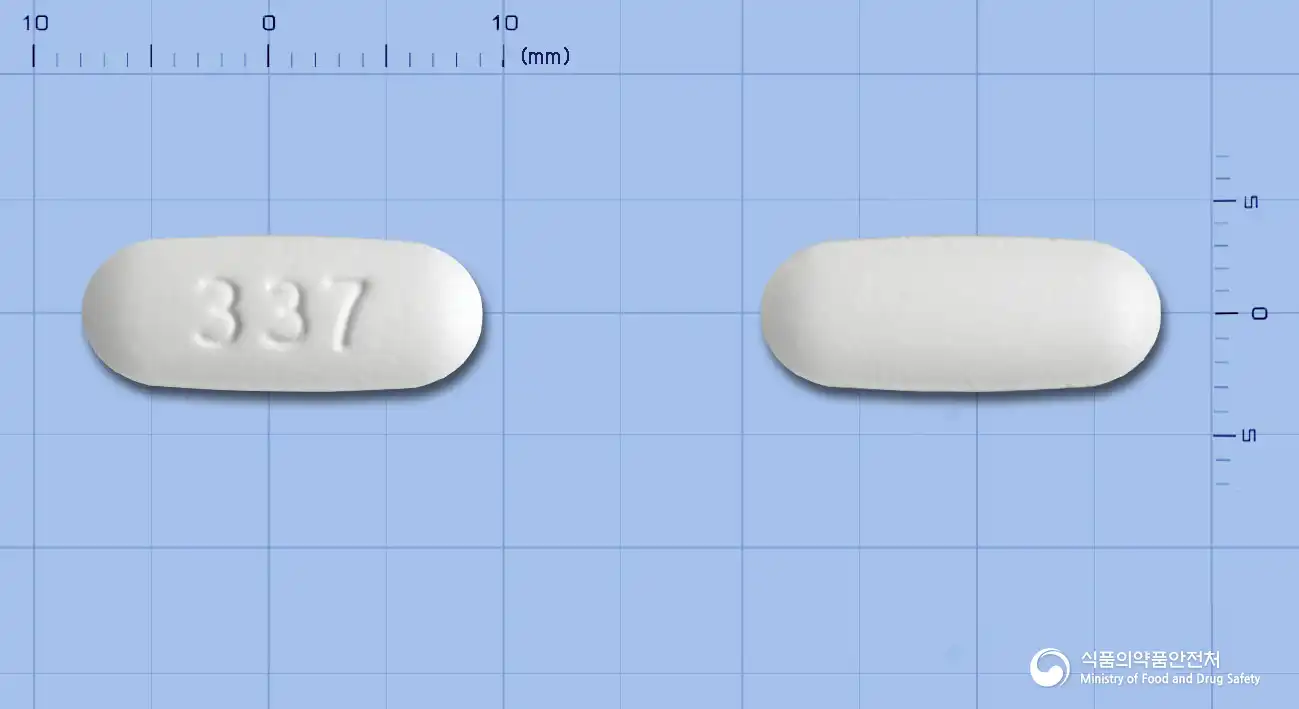
Ezetimibe 10mg · Atorvastatin Calcium Trihydrate 43.4mg
Tablet · Prescription medication · Combination
Korea Organon Co., Ltd.
 Combination
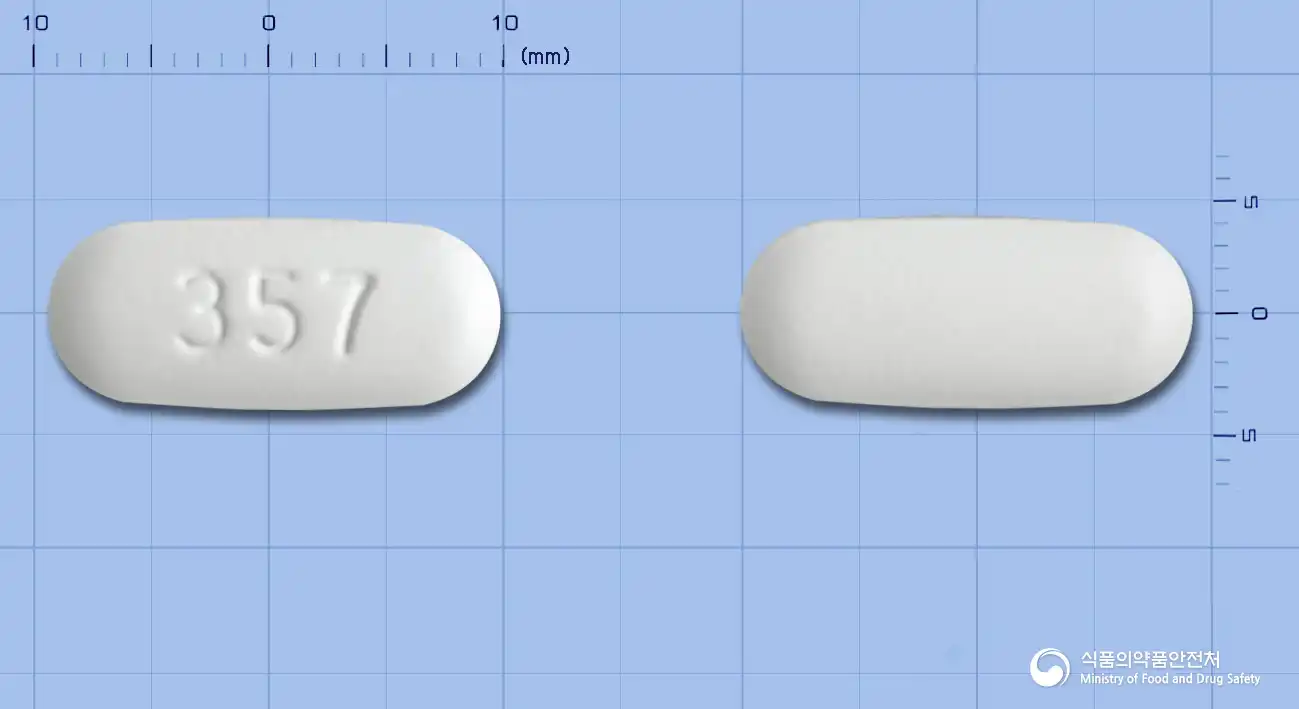
Ezetimibe 10mg · Atorvastatin Calcium Trihydrate 86.8mg
Tablet · Prescription medication · Combination
Korea Organon Co., Ltd.
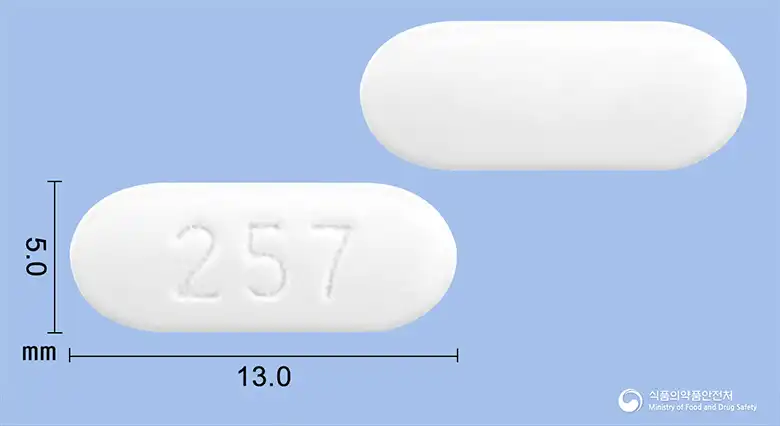 Combination
Ezetimibe 10mg · Atorvastatin Calcium Trihydrate 10.9mg
Tablet · Prescription medication · Combination
Korea Organon Co., Ltd.
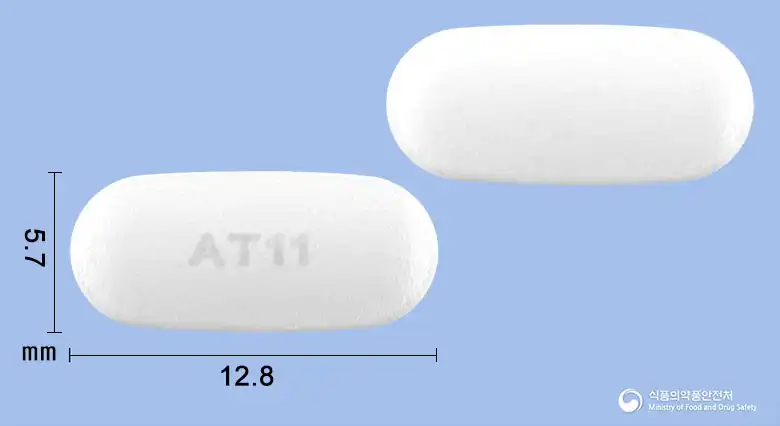 Combination
Atorvastatin Calcium 10.85mg · Ezetimibe 10mg
Tablet · Prescription medication · Combination
Korea HuTex Pharmaceutical Co., Ltd.
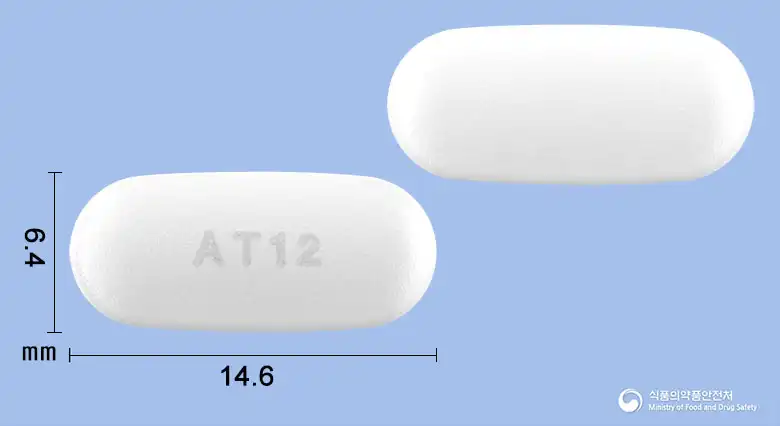 Combination
Atorvastatin Calcium 21.7mg · Ezetimibe 10mg
Tablet · Prescription medication · Combination
Korea HuTex Pharmaceutical Co., Ltd.
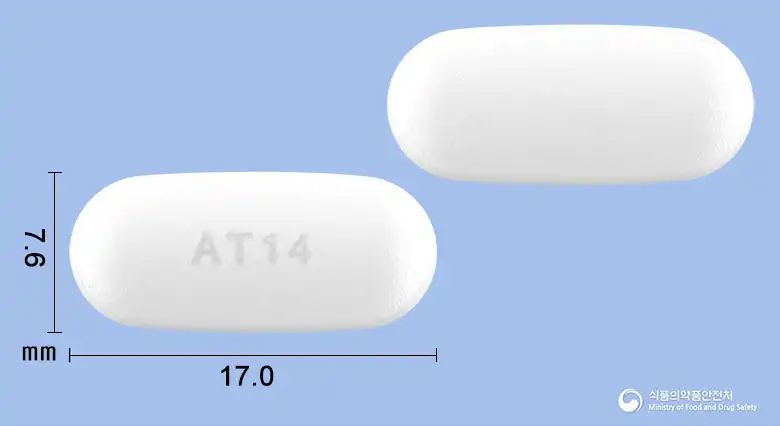 Combination
Atorvastatin Calcium 43.4mg · Ezetimibe 10mg
Tablet · Prescription medication · Combination
Korea HuTex Pharmaceutical Co., Ltd.
Even with the same ingredient, the dose and directions can differ by strength and dosage form. Talk to a doctor or pharmacist before switching from a medication you are already taking.
No questions yet.
For anything that needs medical judgment, consult a doctor or pharmacist.
This drug information is based on data provided by the Korea Ministry of Food and Drug Safety.
Consult a doctor or pharmacist for accurate dosage, administration, and usage instructions.