
 한국어
 English
 日本語
 中文(简体)
Dosage form image
Viewing nowVivozon Mirabegron Extended-Release Tablet 50mg
Mirabegron 50mg
Tablet · Prescription medication
Vivozon Pharmaceutical Co., Ltd.
MFDS item code 202101471 · Approved 2021.02.18
This product's status changed to Expired on 2026.02.18. It may no longer be sold, so consult a doctor or pharmacist before taking it.
Treatment of overactive bladder symptoms (urgency, frequency, etc.) in adults
This medication is used to treat symptoms such as urgency, frequency, and urge incontinence in adult patients with overactive bladder.
Adults (including elderly patients): The recommended dose is 50mg orally once daily. This medicine may be taken with or without food. Swallow it with water; do not chew or crush it. Recommended daily doses for patients with renal or hepatic impairment, with or without strong CYP3A inhibitors: Mild renal impairment(1): without strong CYP3A inhibitors 50 mg, with strong CYP3A inhibitors 25 mg Moderate renal impairment(1): without strong CYP3A inhibitors 50 mg, with strong CYP3A inhibitors 25 mg Severe renal impairment(1): without strong CYP3A inhibitors 25 mg, with strong CYP3A inhibitors Not recommended Mild hepatic impairment(2): without strong CYP3A inhibitors 50 mg, with strong CYP3A inhibitors 25 mg Moderate hepatic impairment(2): without strong CYP3A inhibitors 25 mg, with strong CYP3A inhibitors Not recommended (1) Mild: GFR 60~89 mL/min/1.73m2; moderate: GFR 30~59 mL/min/1.73m2; severe: GFR 15~29 mL/min/1.73m2. (2) Mild: Child-Pugh Class A; moderate: Child-Pugh Class B. (3) For strong CYP3A inhibitors, see “5) Drug Interactions”.
This medication should not be used in certain patients. For example, it should not be administered to patients who are allergic to the active ingredient or other components, patients with uncontrolled severe hypertension, and patients with serious heart conditions, as it may worsen their symptoms. Caution is necessary for some patients. In patients with a history of prolonged QT interval or those taking medications that may prolong the QT interval, the efficacy and safety of this medication have not been sufficiently established, so care is needed. It is also not recommended for patients with end-stage kidney disease, severe liver impairment, and severe renal or liver impairment who are taking certain enzyme inhibitors. This medication should be administered with caution to patients with bladder outlet obstruction or those taking antimuscarinic agents for overactive bladder treatment. Additionally, it contains certain dyes that should be used cautiously in patients who are allergic or hypersensitive to these dyes. Adverse reactions may occur during the use of this medication. Common adverse reactions include tachycardia and urinary tract infections, and rarely, cardiac issues such as atrial fibrillation have been reported. Various side effects may occur, including dry mouth, dyspepsia, rash, joint swelling, etc., so any unusual symptoms should be discussed with a healthcare professional. This medication can slightly increase heart rate and blood pressure, so it is important for patients, especially those with hypertension, to check their blood pressure regularly. While it is reported that this medication does not significantly impact driving or operating machinery, caution is necessary as it may vary by individual. This medication can interact with several drugs, so if you are taking other medications, it is important to inform your healthcare professional. Caution is especially required when combined with certain enzyme inhibitors or CYP2D6 substrate drugs, and drugs like digoxin require dose adjustment and monitoring of blood concentrations. It is advisable not to take this medication if you are pregnant or may become pregnant, and it is also safer not to use it while breastfeeding. The safety and efficacy of this medication have not been established in children under 19 years of age. In case of overdose, increased heart rate and blood pressure may occur, so immediate medical attention should be sought for appropriate treatment and monitoring. This medication should be kept out of reach of children and should not be transferred to other containers to maintain quality.
tachycardia, urinary tract infection, atrial fibrillation, increased blood pressure, indigestion, gastritis, lip swelling, urticaria, rash, maculopapular rash, papular rash, itching, leukocytoclastic vasculitis, purpura, joint swelling, vulvar itching, cystitis, increased γ-GTP, increased SGOT, increased SGPT, dry mouth, urinary retention, nausea, constipation, diarrhea, angioedema, insomnia, confusional state, dizziness, headache, pyuria, bladder stones, cystitis, kidney stones, urinary stricture, hematuria, malignant male reproductive organ neoplasm, bladder carcinoma, malignant lymphoma, rectal carcinoma, diabetes mellitus, diabetes exacerbation, cataracts, glaucoma, cerebellar ataxia, spinal canal stenosis, fracture, hypertension, hypotension, pneumonia, pulmonary disease, peripheral edema, urination disorders, urinary incontinence, dysuria, increased frequency of urination, decreased urine flow, chest pain, back pain, asthenia, changes in temperature sensation, generalized edema, abdominal pain, colitis, glossitis, gastroesophageal reflux, gastritis, dry lips, periodontal destruction, thirst, dry eye, unspecified lipid metabolism disorder, weight loss, abnormal ejaculation, testicular pain, epididymitis, loss of ejaculation function, inguinal hernia, prostatic hyperplasia, visual disturbances, upper respiratory tract infection, pharyngitis, dyspnea, skeletal pain, myofibrillar pain, arthropathy, orthostatic hypotension, erectile dysfunction, decreased libido, anorexia, cholelithiasis, fatty liver, acute urticaria, skin discoloration
Not everyone experiences these, and they can vary from person to person.
This medication should be stored in a tightly closed container to protect it from air and moisture. The storage temperature should be kept between 1 degree and 30 degrees Celsius.
Yellow oval film-coated extended-release tablet
PTP - 90 tablets/box [10 tablets/PTP x 9], bottle - 30 tablets/bottle, bottle - 100 tablets/bottle
Even with the same ingredient, strength, dosage form and how it is taken can differ.
Mirabegron 50mg
Tablet · Prescription medication
Vivozon Pharmaceutical Co., Ltd.
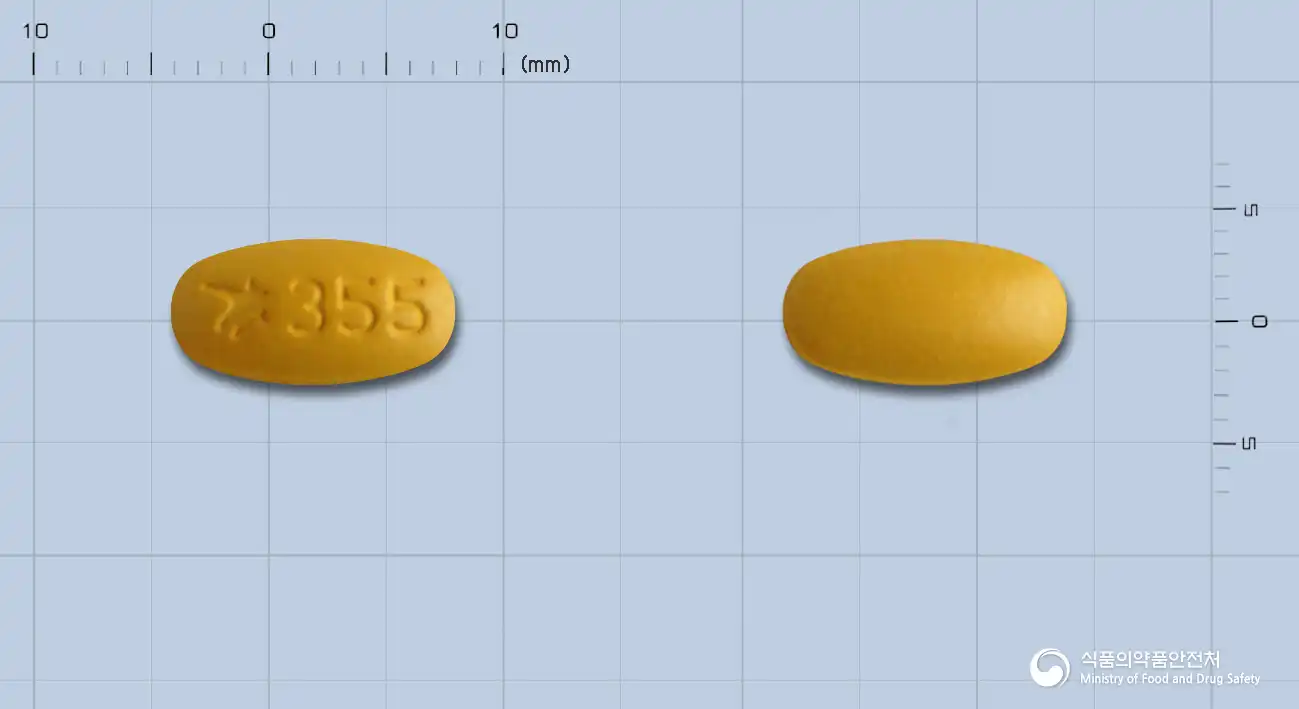
Mirabegron 50mg
Tablet · Prescription medication
Korea Astellas Pharma Co., Ltd.
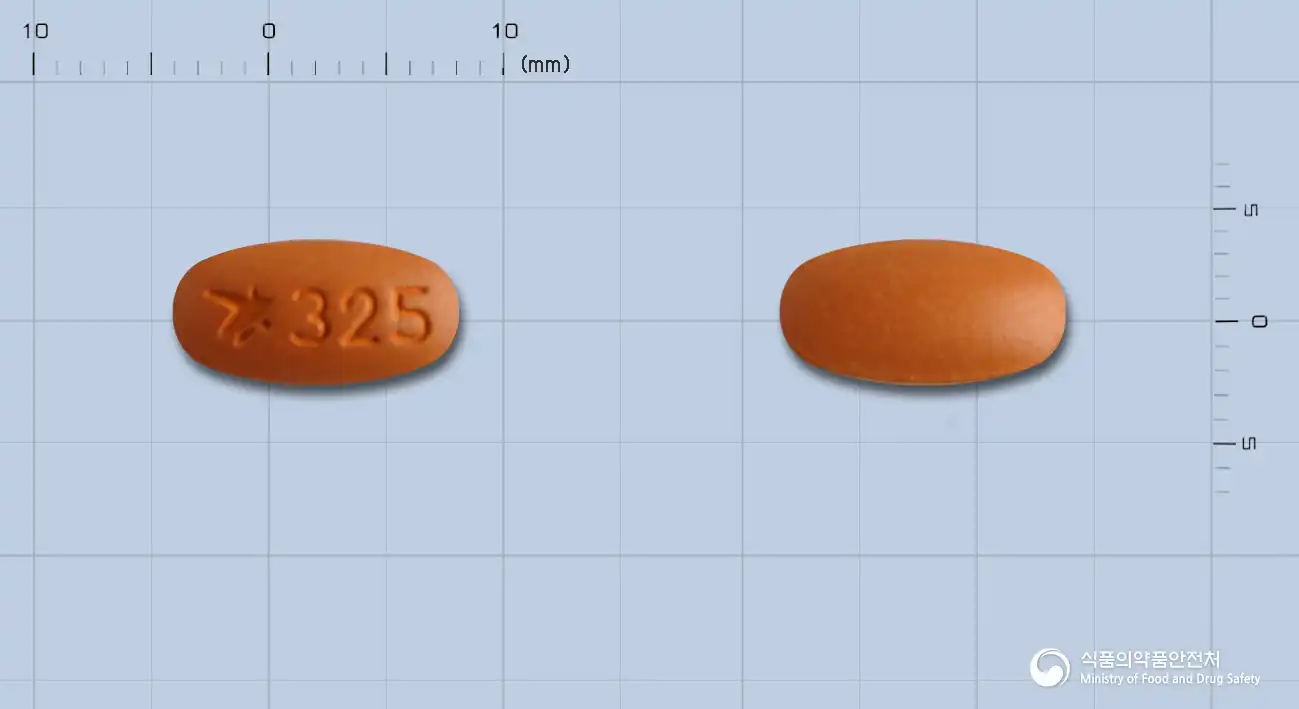
Mirabegron 25mg
Tablet · Prescription medication
Korea Astellas Pharma Co., Ltd.
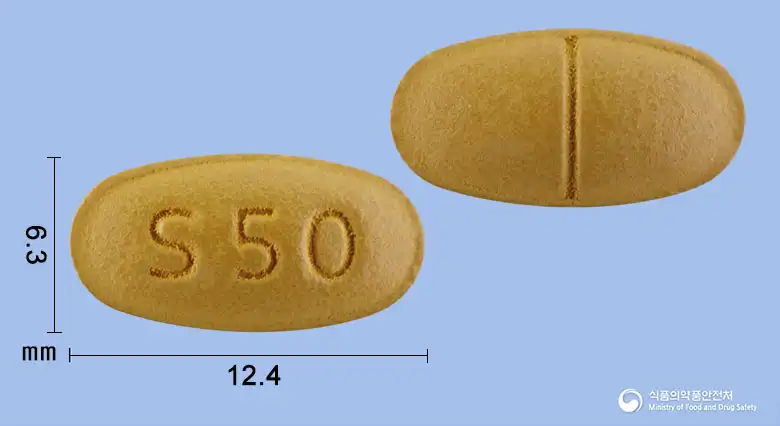
Mirabegron 50mg
Tablet · Prescription medication
Jongkundang Co., Ltd.
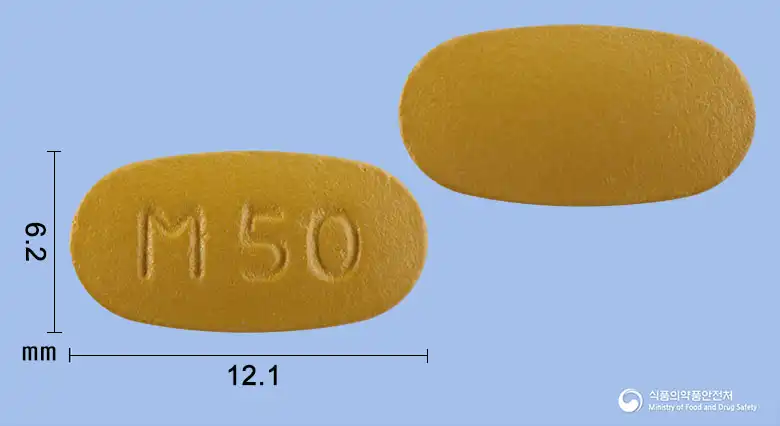
Mirabegron 50mg
Tablet · Prescription medication
Hanmi Pharmaceutical Co., Ltd.
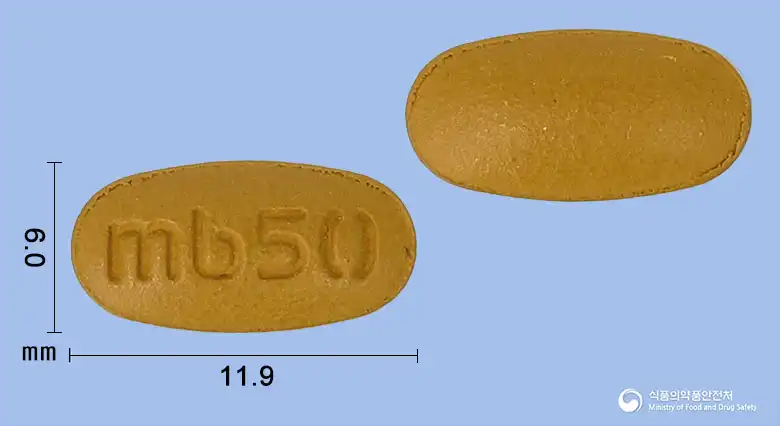
Mirabegron 50mg
Tablet · Prescription medication
Genewon Science Co., Ltd.
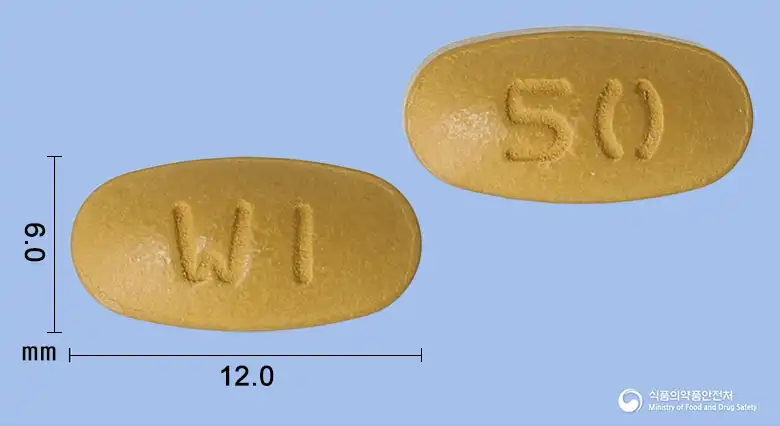
Mirabegron 50mg
Tablet · Prescription medication
Hanin Pharmaceutical Co., Ltd.
Mirabegron 50mg
Tablet · Prescription medication
Daewoong Pharmaceutical Co., Ltd.
Even with the same ingredient, the dose and directions can differ by strength and dosage form. Talk to a doctor or pharmacist before switching from a medication you are already taking.
No questions yet.
For anything that needs medical judgment, consult a doctor or pharmacist.
This drug information is based on data provided by the Korea Ministry of Food and Drug Safety.
Consult a doctor or pharmacist for accurate dosage, administration, and usage instructions.