
 한국어
한국어 English
 日本語
日本語 中文(简体)
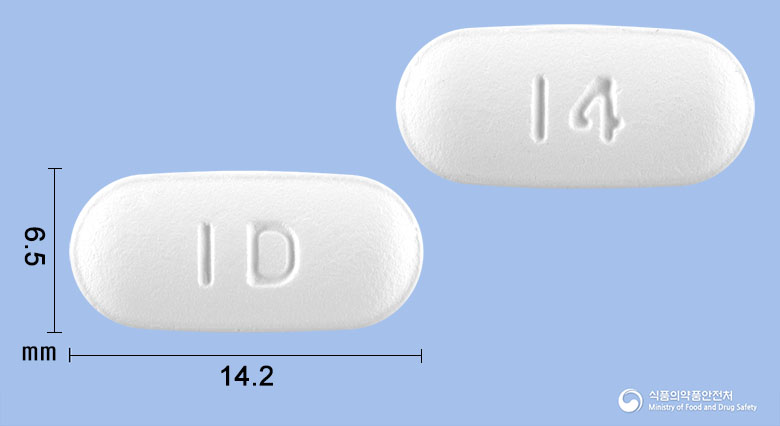 Viewing nowCombination
Atorvastatin Calcium Trihydrate/Ezetimibe Tablet 10/40mg
Atorvastatin Calcium Trihydrate 43.4mg · Ezetimibe 10mg
Tablet · Prescription medication · Combination
Ildong Pharmaceutical Co., Ltd.
MFDS item code 202101395 · Approved 2021.02.18 · Insurance code 642906540
Improvement of lipids through reduction of cholesterol in hypercholesterolemia and dyslipidemia and increase of HDL
This medication helps to reduce elevated total cholesterol, LDL cholesterol, Apo B protein, triglycerides, and non-HDL cholesterol in patients with primary hypercholesterolemia and familial and non-familial dyslipidemia, while increasing HDL cholesterol, often referred to as good cholesterol. Additionally, it can be used as an adjunct to other lipid-lowering therapies in patients with homozygous familial hypercholesterolemia or when other treatments are not effective. This medication is used alongside a proper diet, generally serving as an adjunct to diets that primarily limit saturated fats and cholesterol intake. It is important to identify any secondary causes of dyslipidemia such as diabetes or hypothyroidism and provide appropriate treatment prior to therapy. Lipid levels should be carefully monitored after initiating treatment, especially in patients at high cardiovascular risk or following acute coronary events. This medication is used for the improvement of hypercholesterolemia and dyslipidemia.
This medication is administered once daily regardless of meals. For primary hypercholesterolemia, the recommended initial dose is 10/10mg or 10/20mg per day. For patients requiring greater LDL cholesterol reduction (more than 55%), the recommended initial dose is 10/40mg per day. After starting treatment or adjusting the dose, lipid levels should be checked after an interval of more than 2 weeks and doses should be adjusted accordingly.
This medication has been reported to cause rare side effects such as rhabdomyolysis, which can result in severe muscle damage. Patients with acute infections, hypotension, major surgery or trauma, or severe metabolic disorders should temporarily discontinue use of this medication. Additionally, patients who are allergic to this drug or its components, those with severe liver dysfunction, patients with muscular diseases, pregnant or potentially pregnant women, nursing mothers, and those taking certain other medications should not take this drug. Patients with a history of alcoholism or liver disease, poor kidney function, hypothyroidism, or high risk of muscle disease should use this medication with caution. If muscle pain, muscle weakness, fatigue, or muscle pain with fever occurs during treatment, report it to a physician immediately, and if necessary, blood tests should be conducted to check the degree of muscle damage. Liver function abnormalities may also occur; therefore, it is crucial to undergo liver function tests before and during treatment. If liver function test results are elevated or symptoms of liver damage occur, discontinuation of this drug is necessary. This drug may increase blood glucose levels in some patients, but because the benefits of this drug for vascular health outweigh the risks, patients at risk of diabetes should monitor their blood glucose levels regularly. Dizziness may occur when driving or operating machinery, so caution is needed. This drug may interact with other medications, so if you are taking other medicines, you must inform your doctor or pharmacist. Pregnant or lactating women should not take this drug, and women of childbearing age should use appropriate contraceptive methods during treatment. Safety and efficacy in children have not been established, so it is not recommended for use in this population. In case of overdose, there is no specific antidote, so appropriate treatment should be received according to symptoms, and liver function and muscle condition should be monitored. This medication should be kept out of reach of children and should not be transferred to another container.
Hives, severe swelling (edema), chest tightness, difficulty breathing, cold sweat, pallor, severe rash with high fever, blisters, skin peeling, mucosal pain in mouth/eyes, shortness of breath or difficulty breathing, asthma attacks, respiratory distress accompanied by cough and fever, jaundice (yellowing of skin or eyes), profound lethargy, sudden severe headache, thunderclap headache, seizures, altered consciousness, visual disturbances, paralysis, urination
Not everyone experiences these, and they can vary from person to person.
Store this medication in a tightly sealed container to prevent exposure to air or moisture, ideally at a temperature between 1 to 30 degrees Celsius. Proper storage will help maintain the medication's effectiveness for a longer duration.
Oval-shaped film-coated tablet, white
30 tablets/box [(10 tablets/PTP*3)], 30 tablets/bottle
Even with the same ingredient, strength, dosage form and how it is taken can differ.
Viewing nowCombinationAtorvastatin Calcium Trihydrate 43.4mg · Ezetimibe 10mg
Tablet · Prescription medication · Combination
Ildong Pharmaceutical Co., Ltd.
 Combination
Ezetimibe 10mg · Atorvastatin Calcium Trihydrate 21.7mg
Tablet · Prescription medication · Combination
Korea Organon Co., Ltd.
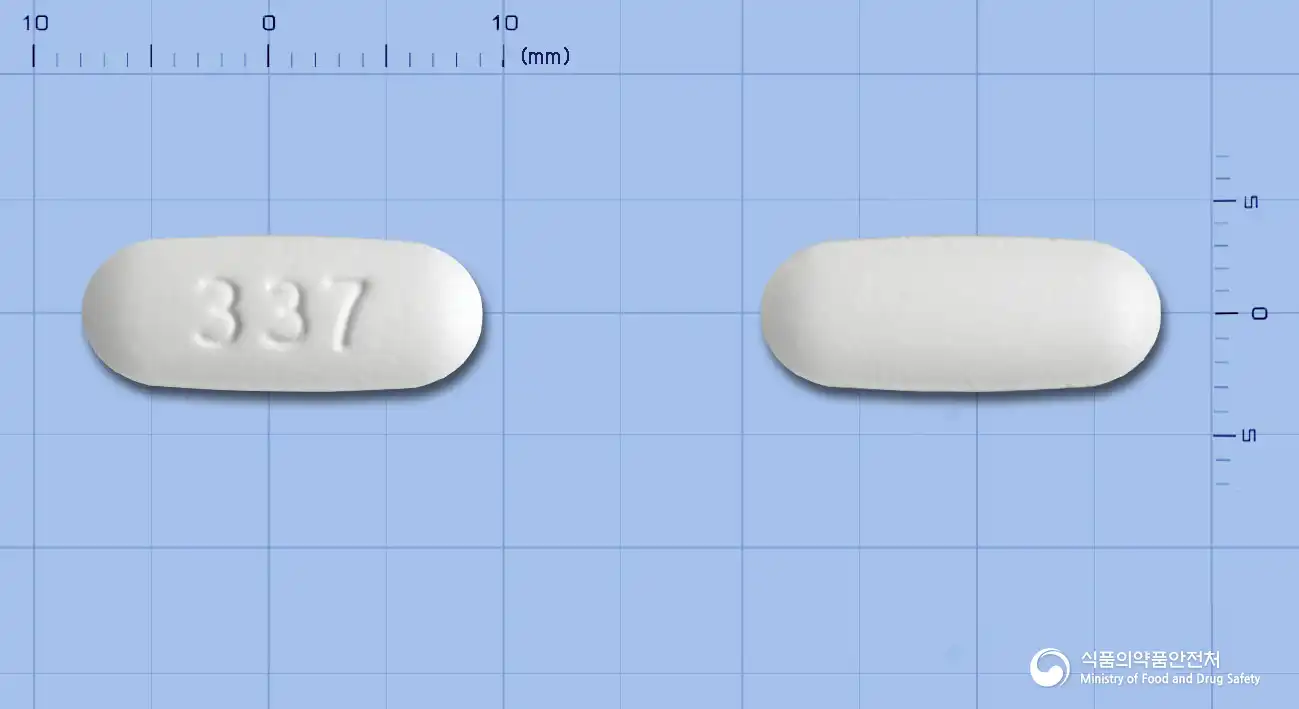 Combination
Ezetimibe 10mg · Atorvastatin Calcium Trihydrate 43.4mg
Tablet · Prescription medication · Combination
Korea Organon Co., Ltd.
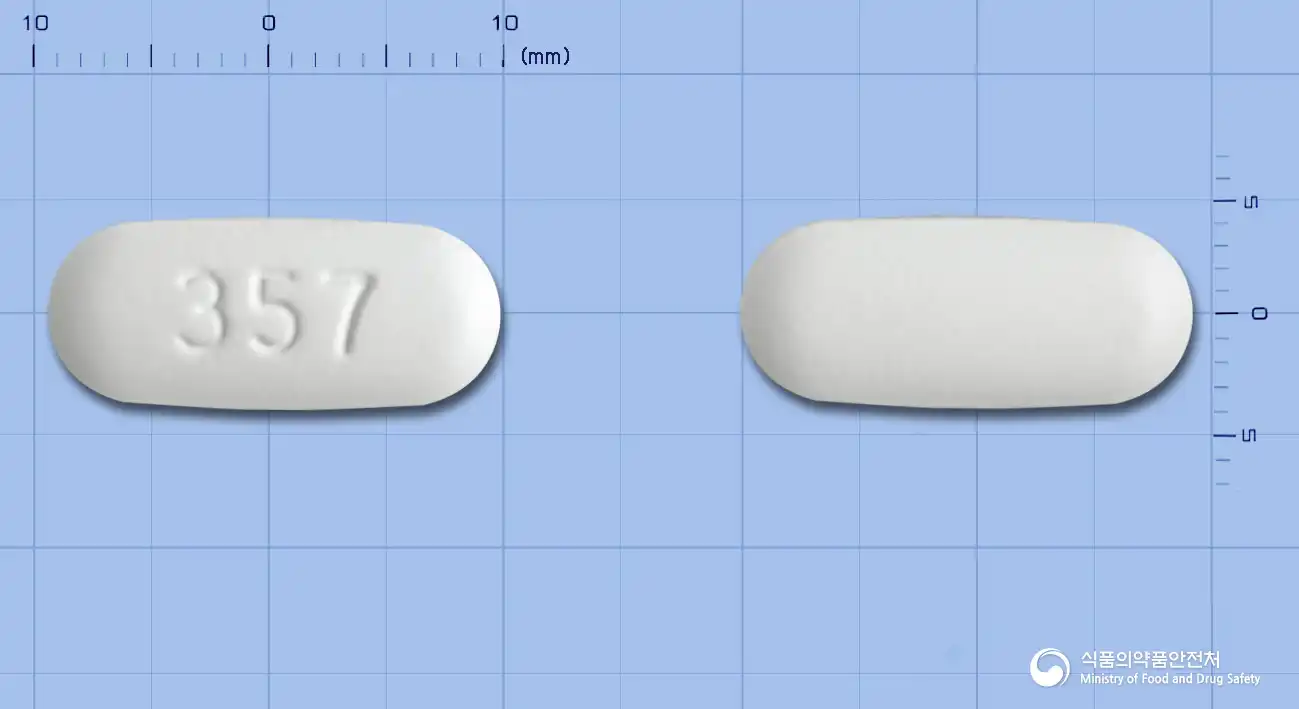 Combination
Ezetimibe 10mg · Atorvastatin Calcium Trihydrate 86.8mg
Tablet · Prescription medication · Combination
Korea Organon Co., Ltd.
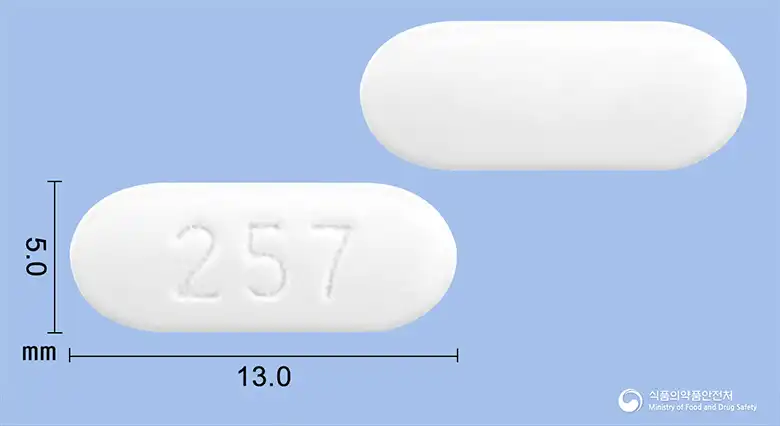 Combination
Ezetimibe 10mg · Atorvastatin Calcium Trihydrate 10.9mg
Tablet · Prescription medication · Combination
Korea Organon Co., Ltd.
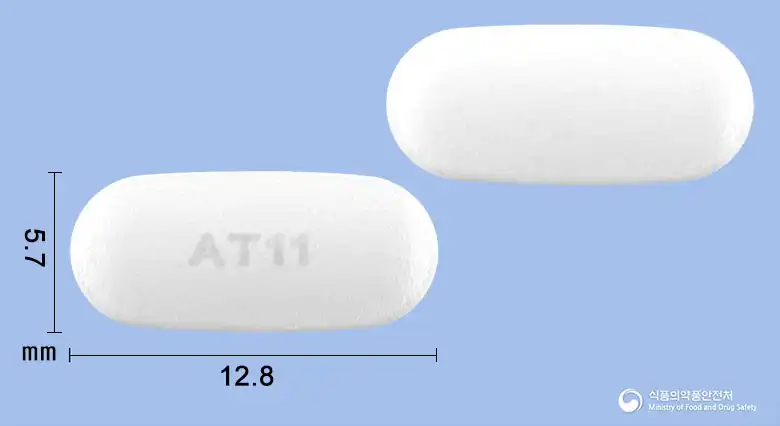 Combination
Atorvastatin Calcium 10.85mg · Ezetimibe 10mg
Tablet · Prescription medication · Combination
Korea HuTex Pharmaceutical Co., Ltd.
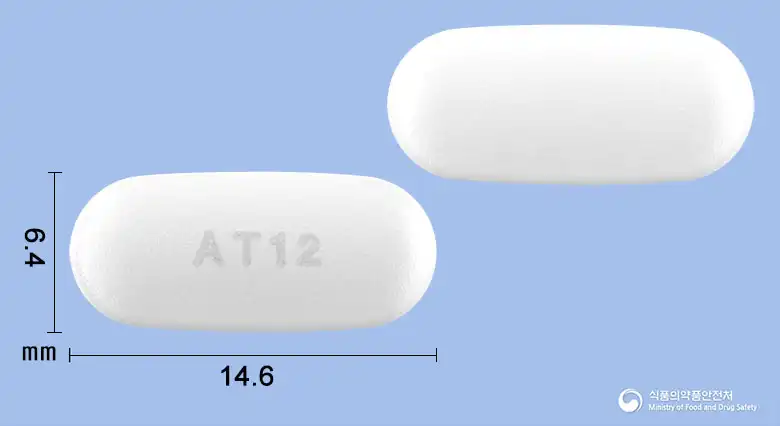 Combination
Atorvastatin Calcium 21.7mg · Ezetimibe 10mg
Tablet · Prescription medication · Combination
Korea HuTex Pharmaceutical Co., Ltd.
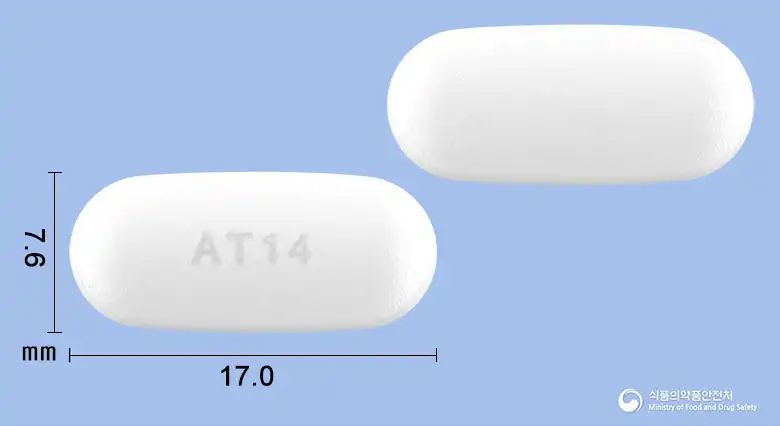 Combination
Atorvastatin Calcium 43.4mg · Ezetimibe 10mg
Tablet · Prescription medication · Combination
Korea HuTex Pharmaceutical Co., Ltd.
Even with the same ingredient, the dose and directions can differ by strength and dosage form. Talk to a doctor or pharmacist before switching from a medication you are already taking.
No questions yet.
For anything that needs medical judgment, consult a doctor or pharmacist.
This drug information is based on data provided by the Korea Ministry of Food and Drug Safety.
Consult a doctor or pharmacist for accurate dosage, administration, and usage instructions.