
 한국어
한국어 English
 日本語
日本語 中文(简体)
 Viewing now
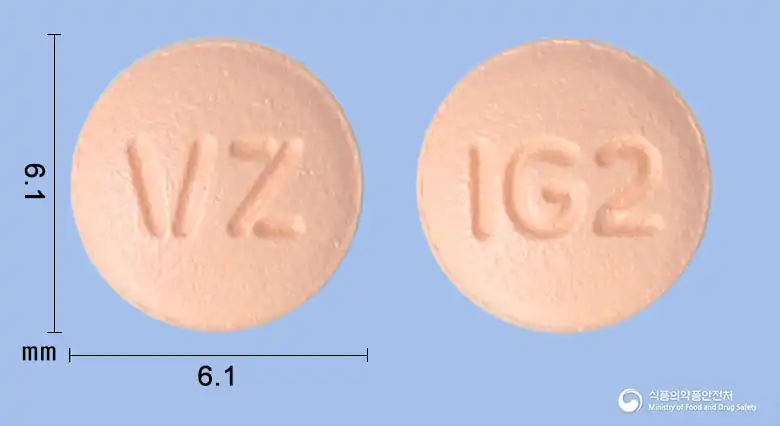
Egliptin Tablets 25 mg (Sitagliptin Hydrochloride Monohydrate)
Sitagliptin Hydrochloride Hydrate 28.35mg
Tablet · Prescription medication
Vivozon Pharmaceutical Co., Ltd.
MFDS item code 202101298 · Approved 2021.02.16 · Insurance code 658204550
Improvement of blood sugar control in type 2 diabetes
This medication is used alongside diet and exercise to help control blood sugar levels in patients with type 2 diabetes. Initially, it can be administered as a monotherapy, and if previous treatment with diabetes medications has been inadequate for blood sugar control, it may be used in combination with metformin. Additionally, if monotherapy with sulfonylureas, metformin, thiazolidinediones, or insulin is insufficient, this medication can be administered in conjunction. In cases of more complex combination therapy where blood sugar control is still difficult, this medication can be added to improve efficacy. It aids in effectively managing blood sugar when used alongside various treatment methods.
This medication is administered once daily at a dose of 100 mg as monotherapy or in combination, with a maximum daily dose of 100 mg. It can be taken regardless of meals. Patients with renal impairment require dosage adjustments based on kidney function. - Mild renal impairment: No dosage adjustment needed - Moderate renal impairment (eGFR 45–60 mL/min/1.73 m2): No dosage adjustment needed - Moderate renal impairment (eGFR 30–45 mL/min/1
This medication is used for treating diabetes, and some patients may experience serious allergic reactions. These reactions can occur within 3 months of starting the medication, so caution is warranted. During treatment, inflammation of the pancreas (pancreatitis) may develop, so if symptoms such as abdominal pain or vomiting occur, consult a doctor immediately. This medication should not be used in patients with type 1 diabetes or diabetic ketoacidosis, nor in individuals with allergies to this drug or its components. Patients with impaired kidney function may need to adjust the dosage of this medication, so regular kidney function tests are recommended. In clinical trials, this medication exhibited safety similar to placebo; however, side effects such as pharyngitis, headache, upper respiratory tract infection, and diarrhea were reported. Particularly when taken with insulin or sulfonylureas, the risk of hypoglycemia may increase, so caution is advised. If severe joint pain or skin blisters develop while taking this medication, consult a doctor immediately and discontinue use. Pregnant women are advised not to use this medication, and breastfeeding women should also avoid it. Elderly patients may have reduced kidney function; therefore, dosage adjustments and monitoring of kidney function are necessary. In the event of overdose, standard emergency treatment should be applied, and if needed, some drugs can be removed through hemodialysis. This medication generally has low drug interaction potential when combined with other blood glucose-lowering agents; however, consultation with a doctor is needed when taken with certain medications. This medication has been confirmed to not increase cardiovascular risk in cardiovascular safety trials.
Hypersensitivity reactions (urticaria, angioedema), anaphylaxis, Stevens-Johnson syndrome (severe cutaneous adverse reactions), acute pancreatitis, acute renal failure, bullous pemphigoid, severe and disabling arthralgia, severe allergic reactions, hypoglycemia (in severe cases), elevated liver enzymes, liver abnormalities (caution in suspected jaundice), pneumonia, diabetic complications, metabolic acidosis, cardiac arrest
Not everyone experiences these, and they can vary from person to person.
This medication should be stored in a tightly sealed container to prevent exposure to air or moisture. It is advisable to maintain storage temperatures between 1 degree and 30 degrees Celsius. This storage method helps preserve the drug's efficacy and safety.
Pink, round, biconvex film-coated tablet
PTP - 28 tablets/PTP [(14 tablets/PTP × 2)]
Even with the same ingredient, strength, dosage form and how it is taken can differ.
Viewing nowSitagliptin Hydrochloride Hydrate 28.35mg
Tablet · Prescription medication
Vivozon Pharmaceutical Co., Ltd.
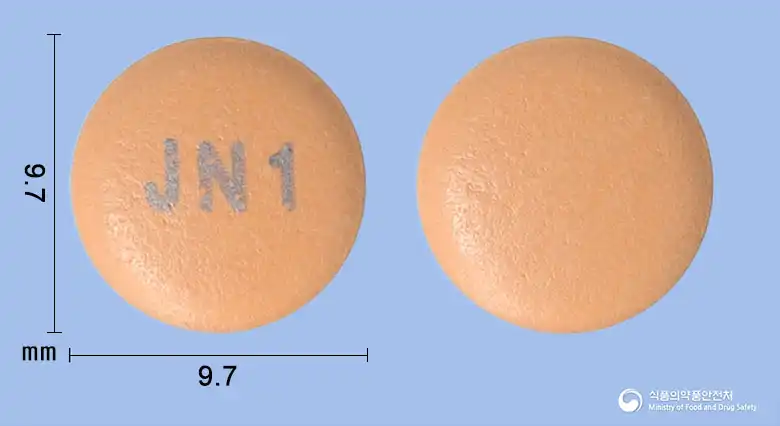
Sitagliptin Hydrochloride Hydrate 113.4mg
Tablet · Prescription medication
Daewon Pharmaceutical Co., Ltd.
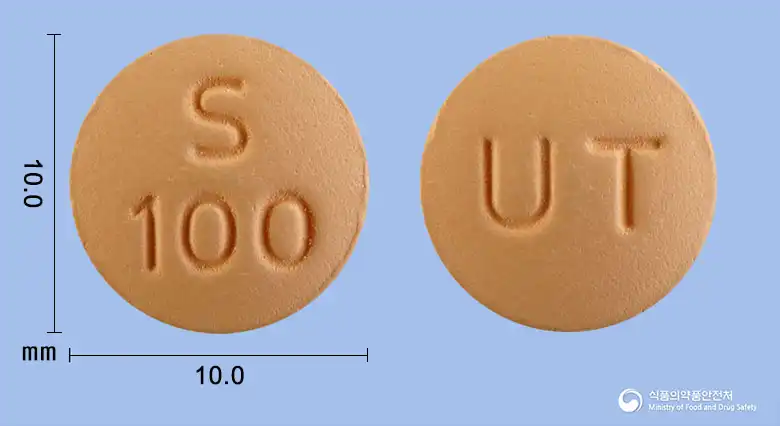
Sitagliptin Hydrochloride Hydrate 113.4mg
Tablet · Prescription medication
Korea United Pharm., Co., Ltd.
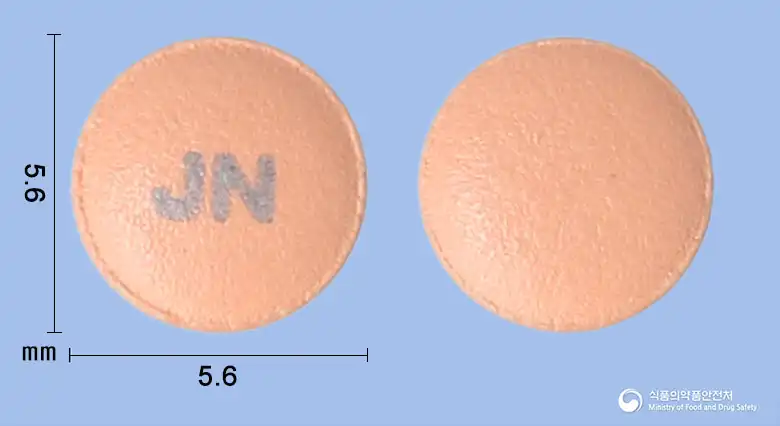
Sitagliptin Hydrochloride Hydrate 128.5mg
Tablet · Prescription medication
Daewon Pharmaceutical Co., Ltd.
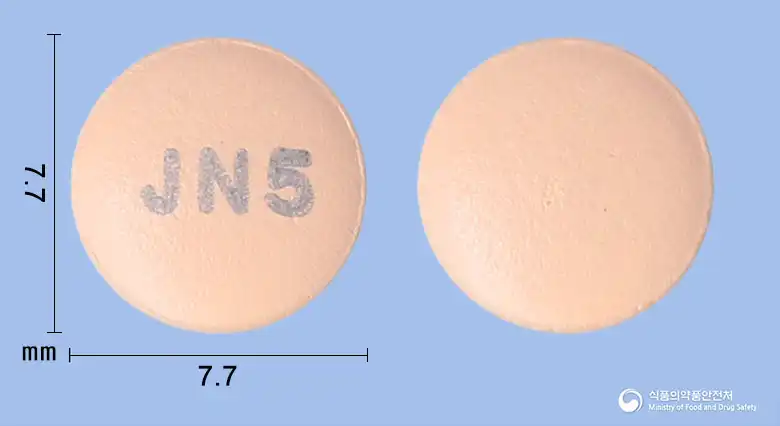
Sitagliptin Hydrochloride Hydrate 128.5mg
Tablet · Prescription medication
Daewon Pharmaceutical Co., Ltd.
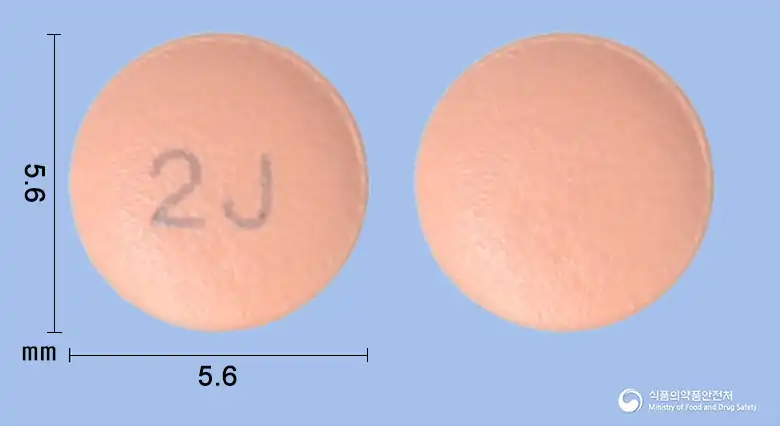
Sitagliptin Hydrochloride Hydrate 28.35mg
Tablet · Prescription medication
Daewoong Bio Co., Ltd.
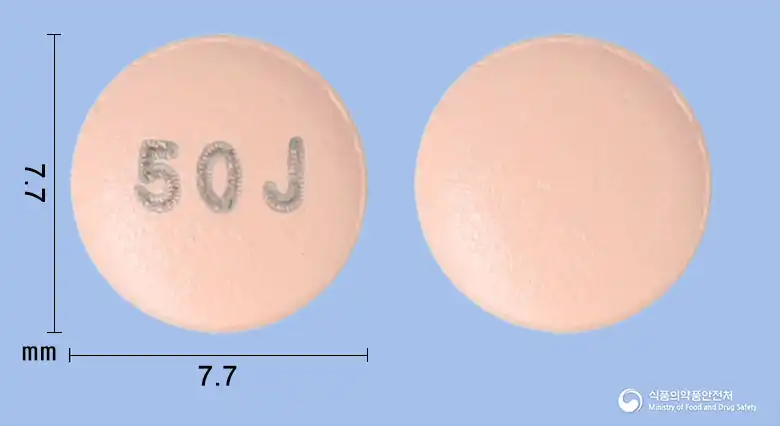
Sitagliptin Hydrochloride Hydrate 56.7mg
Tablet · Prescription medication
Daewoong Bio Co., Ltd.
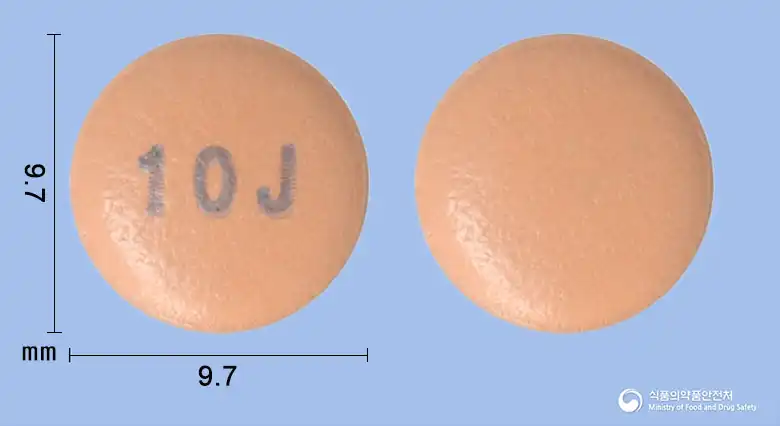
Sitagliptin Hydrochloride Hydrate 113.4mg
Tablet · Prescription medication
Daewoong Bio Co., Ltd.
Even with the same ingredient, the dose and directions can differ by strength and dosage form. Talk to a doctor or pharmacist before switching from a medication you are already taking.
No questions yet.
For anything that needs medical judgment, consult a doctor or pharmacist.
This drug information is based on data provided by the Korea Ministry of Food and Drug Safety.
Consult a doctor or pharmacist for accurate dosage, administration, and usage instructions.