
 한국어
한국어 English
 日本語
日本語 中文(简体)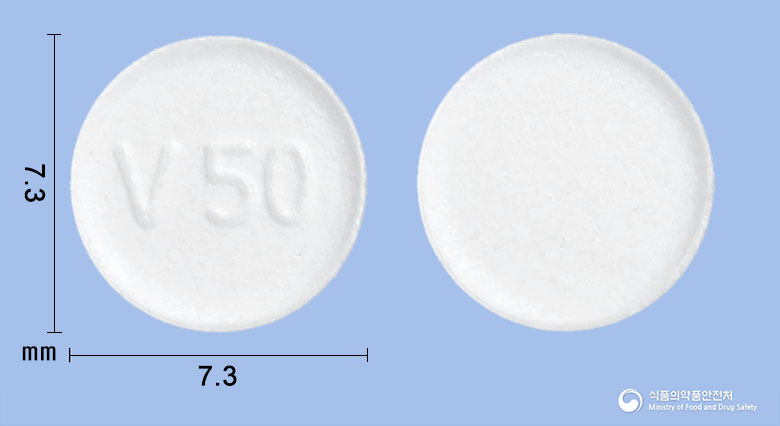
Summary
- Main use
- Improvement of blood sugar control in type 2 diabetes
- Who uses it
- Adults
- Adult dosage
- The recommended dosage for this medication is either 50 mg once daily in the morning when used alone or combined with metformin if previous diabetes medication treatment has not been experienced or may be 100 mg daily divided into two doses of 50 mg each in the morning and evening. When combined with metformin or thiazolidinediones, the recommended dosage is 100 mg daily, divided into 50 mg each twice a day in the morning and evening. When combined with sulfonylureas, etc., the treatment remains as stated.
Ingredients
- Manufacturer
- 한미약품(주)
Efficacy & effects
Improvement of blood sugar control in type 2 diabetes
View approved original textHide original text
This medication is used in conjunction with dietary and exercise management to assist in blood sugar control for patients with type 2 diabetes. It can be administered alone or in combination with other agents. This helps effectively improve blood sugar management.
Dosage and Administration
Adult dosage
The recommended dosage for this medication is either 50 mg once daily in the morning when used alone or combined with metformin if previous diabetes medication treatment has not been experienced or may be 100 mg daily divided into two doses of 50 mg each in the morning and evening. When combined with metformin or thiazolidinediones, the recommended dosage is 100 mg daily, divided into 50 mg each twice a day in the morning and evening. When combined with sulfonylureas, etc., the treatment remains as stated.
Precautions
This medication should not be used in certain patients. Patients with an allergy to the active ingredient or other components of this medication, those with type 1 diabetes or diabetic ketoacidosis, should not take this medication. Additionally, as it contains lactose, patients with lactose intolerance or related genetic conditions should also avoid taking this medication. This medication includes sodium pyroglutamate, which may cause allergic reactions or asthma attacks in some patients, so patients with asthma should exercise particular caution. While taking this medication, liver function abnormalities may rarely occur, so it is important to have regular liver function tests before starting and while on this medication. If liver enzyme levels persist more than three times the upper limit of normal or symptoms such as jaundice appear, discontinuation of the medication must occur immediately. This medication does not replace insulin therapy and should be used cautiously in patients with severely impaired kidney function. Due to the risk of hypoglycemia, patients taking this medication with other diabetes medications such as sulfonylureas should be vigilant for symptoms of hypoglycemia and adjust the dosage of those medications as necessary. Symptoms such as dizziness may occur, so caution is needed while driving or operating machinery. Furthermore, if severe joint pain or blistering or ulceration of the skin occurs while taking this medication, consult a physician immediately, and if acute pancreatitis symptoms appear, discontinue the medication and notify medical personnel. Pregnant or breastfeeding women should preferably avoid taking this medication, and its safety and effectiveness in children or adolescents under 18 years have not been established, therefore it is not recommended. In case of overdose, there is no specific antidote, so symptoms must be monitored and supportive care should be provided, and this medication is not removed by hemodialysis. Finally, this medication should be kept out of reach of children, and transfer to other containers should be avoided as it may negatively affect the quality of the medication.
Side effects and when to seek care immediately
Serious side effects
Urticaria, angioedema, blistering and exfoliative skin lesions, bullous pemphigoid, hepatitis (including liver function abnormalities, jaundice), acute pancreatitis, severe allergic reactions (such as anaphylaxis or asthma attack), shortness of breath, difficulty breathing, acute myocardial infarction, congestive heart failure, pulmonary edema, cardiac arrest, arrhythmias, heart failure, angina, pneumothorax, acute cholecystitis, gallstones, renal impairment, renal cysts, vertigo, severe edema, severe headache, etc.
Mild side effects
- Headache
- dizziness
- tremor
- fatigue
- nausea
- constipation
- weakness
- gastroesophageal reflux
- diarrhea
- abdominal distension
Show 21 moreCollapse
- chills
- decreased blood sugar
- sweating
- dry mouth
- vomiting
- insomnia
- indigestion
- sleepiness
- itching
- lip blisters
- weight gain
- peripheral edema
- joint pain
- upper respiratory tract infections
- nasopharyngitis
- weakness
- appendicitis
- vertigo
- sleepiness
- hunger
- etc.
Not everyone experiences these, and they can vary from person to person.
Storage
This medication should be stored in a tightly sealed container to protect it from air and moisture, and should be kept at room temperature between 1°C and 30°C. This will help maintain the medication's effectiveness over time.
Appearance and packaging
Appearance
White to light yellow round tablets
Package unit
30 tablets/bottle
Questions about this medicine
No questions yet.
For anything that needs medical judgment, consult a doctor or pharmacist.