
 한국어
한국어 English
 日本語
日本語 中文(简体)
Dosage form image
Viewing nowCombinationMegaforce C Tablets
Tocopherol Acetate Powder 50% 60mg · Nicotinamide 100mg +8 more
Tablet · OTC medication · Combination
HanPung Pharmaceutical Co., Ltd.
MFDS item code 202101161 · Notified 2021.02.08
This product's status changed to Expired on 2026.02.08. It may no longer be sold, so consult a doctor or pharmacist before taking it.
Relief of fatigue and dermatitis symptoms
Vitamins E, B1, B2, B6, and C are used when experiencing bodily fatigue, during pregnancy and lactation, when strength is diminished due to illness or after illness, and also in old age. These vitamins can help alleviate inflammation of the mouth and tongue, such as angular cheilitis, cheilitis, stomatitis, and glossitis, as well as skin symptoms like eczema or dermatitis. Additionally, zinc is an essential nutrient for our body, important for enhancing immune function and wound healing, thus it is advisable to maintain an adequate supply. These components are used to improve overall health and alleviate symptoms.
Take 1 tablet once daily after meals.
Children aged 12 and older: take 1 tablet once daily after meals.
This medication should not be taken by individuals who have an allergic reaction to this drug or its components. Infants under 12 months should not take this medication. This medication contains lactose, and individuals with a genetic problem that prevents lactose digestion should not take it. Those who are allergic to soybean oil, soy, or peanuts should also refrain from taking this medication. It is advisable to avoid taking this medication in conjunction with phosphates, calcium salts, certain antibiotics, antacids, and drugs like levodopa. Before taking this medication, infants under 1 year old, individuals under medical treatment, patients with kidney or heart issues, and pregnant or breastfeeding women must consult a professional. Consultation is also needed for those with certain conditions such as gout, kidney stones, diabetes, and hyperlipidemia before taking. If symptoms such as indigestion, diarrhea, rash, vomiting, or low blood pressure occur while taking this medication, discontinue immediately and consult a professional. If menstruation suddenly becomes heavy or if bleeding persists, it is also necessary to stop taking and seek advice. Individuals taking oral contraceptives or those at risk of thrombosis should be careful, as taking vitamin E can increase the risk of thrombosis. Long-term high-dose use may lead to tolerance and neurological symptoms, so caution is required. High dosage or prolonged use may cause gastrointestinal disorders, liver damage, hyperuricemia, etc. Moreover, taking certain diuretics may lead to elevated potassium levels in the blood, necessitating caution. Dosage and administration must be strictly followed, and children should take it under parental supervision. It is recommended to avoid tannin-containing teas such as green tea or black tea during use. Patients with lipid metabolism difficulties should regularly check their blood lipid levels and adjust their dosage accordingly. This medication should be stored out of reach of children in a cool, dry place away from direct sunlight. To maintain quality, it is important not to transfer the medication to other containers.
Not everyone experiences these, and they can vary from person to person.
This medication should be kept in a tightly closed container to protect it from air and moisture and should be stored at room temperature between 1°C and 30°C. Proper storage will help maintain the medication’s effectiveness.
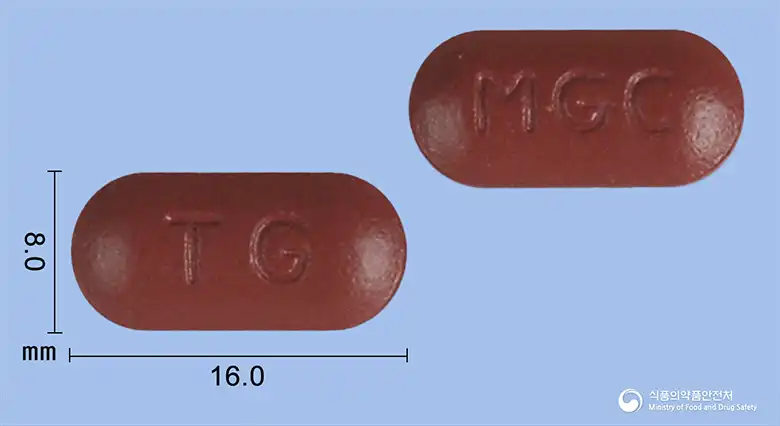
Dark brown oblong film-coated tablets
300 tablets per bottle
Even with the same ingredient, strength, dosage form and how it is taken can differ.
Tocopherol Acetate Powder 50% 60mg · Nicotinamide 100mg +8 more
Tablet · OTC medication · Combination
HanPung Pharmaceutical Co., Ltd.
 Combination
Tocopherol Acetate Powder 50% 60mg · Ascorbic Acid 250mg +8 more
Tablet · OTC medication · Combination
Taeguk Pharmaceutical Co., Ltd.
Even with the same ingredient, the dose and directions can differ by strength and dosage form. Talk to a doctor or pharmacist before switching from a medication you are already taking.
No questions yet.
For anything that needs medical judgment, consult a doctor or pharmacist.
This drug information is based on data provided by the Korea Ministry of Food and Drug Safety.
Consult a doctor or pharmacist for accurate dosage, administration, and usage instructions.