
 한국어
 English
 日本語
 中文(简体)
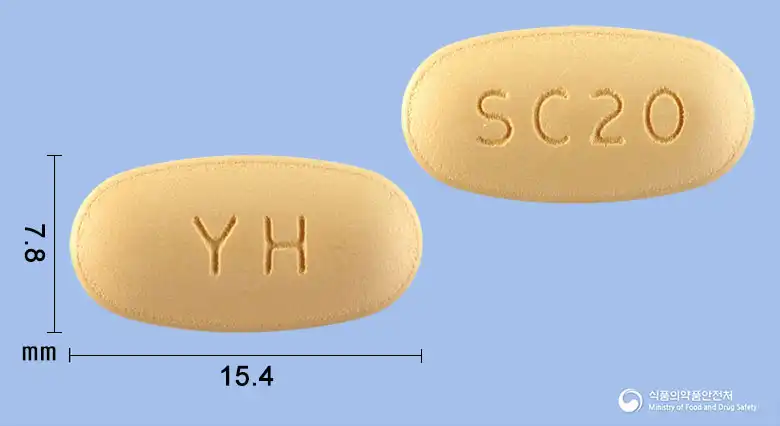 Viewing nowCombination
Esopid Tablet 20/600mg
Esomeprazole Magnesium Trihydrate 22.3mg · Precipitated Calcium Carbonate 600mg
Tablet · Prescription medication · Combination
Yuhan Corporation
MFDS item code 202101154 · Approved 2021.02.05 · Insurance code 642105670
Treatment of gastroesophageal reflux disease and prevention of esophagitis recurrence
This medication helps alleviate uncomfortable symptoms experienced by patients with gastroesophageal reflux disease (GERD). It treats erosive reflux esophagitis and is used as long-term maintenance therapy to prevent recurrence in esophagitis patients. Additionally, it is effective in treating symptoms due to gastroesophageal reflux even in the absence of esophagitis. This medication contributes to protecting the esophageal health of patients and improving symptoms.
Take this medicine on an empty stomach at least 1 hour before a meal. When taking this medicine, swallow it whole with at least half a glass of water. Do not take it with any beverage other than water. Do not chew or crush this medicine. Note that this medicine 20/600mg and 40/600mg contain 20 and 40mg of esomeprazole, respectively, but the amount of calcium carbonate in 2 tablets of this medicine 20/600mg is not the same as that in 1 tablet of 40/600mg. Gastroesophageal reflux disease (GERD). - Treatment of erosive reflux esophagitis: Take 40/600mg once daily for 4 weeks. Patients whose esophagitis does not heal or whose symptoms persist may take it for an additional 4 weeks. - Long-term maintenance therapy to prevent recurrence in patients with esophagitis: 20/600mg once daily - Symptomatic treatment of gastroesophageal reflux disease without esophagitis · 20/600mg once daily. If symptoms are not controlled after 4 weeks, further evaluation is required. · Once symptoms have resolved, control subsequent symptoms by taking 20/600mg once daily. · Adults may take 20/600mg once daily as needed. As-needed use to control subsequent symptoms is not recommended for patients at high risk of developing gastric and duodenal ulcers due to treatment with nonsteroidal anti-inflammatory drugs. No dose adjustment is needed in patients with mild to moderate hepatic impairment. In patients with severe hepatic impairment, do not exceed a dose of 20/600mg of this medicine.
This medication should not be used in certain patients. For example, patients who are allergic to this medication or its components, have a history of hypersensitivity, are taking certain antiviral medications, are nursing, or have severe kidney or liver dysfunction may be at risk if they take this medication. Additionally, caution is advised for patients with poor liver function or elderly patients, those with heart or lung issues, and those with severe gastrointestinal ulcers or constipation. Various side effects may occur while taking this medication. Common gastrointestinal symptoms include headache, dizziness, abdominal pain, diarrhea, constipation, nausea, and vomiting, while rare symptoms may involve blood abnormalities, skin rashes, liver dysfunction, and neurological symptoms. Long-term use of this medication may lead to hypomagnesemia, characterized by low magnesium levels in the blood, so regular blood tests are essential. This medication suppresses gastric acid secretion and may increase bacterial growth within the stomach; therefore, if diarrhea persists or worsens, consulting a healthcare provider is recommended. Long-term use or high doses of this medication may increase the risk of fractures, so caution is necessary for patients at risk of osteoporosis. This medication may interact with other drugs, so if you are currently taking any medications, it is crucial to inform your healthcare provider. This is especially important when taken in conjunction with anticoagulants, anticonvulsants, certain antivirals, and immunosuppressants. Women who are pregnant or planning to become pregnant should be cautious when using this medication, and nursing mothers are advised against its use. In case of overdose, there are no specific antidotes, so immediate contact with a healthcare provider for appropriate treatment is necessary. Keep this medication out of reach of children and avoid transferring it to other containers. Finally, since this medication suppresses gastric acid secretion, it is important to consult healthcare providers and take appropriate actions if symptoms change or unusual symptoms develop.
Leukopenia, thrombocytopenia, agranulocytosis, pancytopenia, fever, angioedema, anaphylactic reactions, shock, peripheral edema, hyponatremia, hypomagnesemia, insomnia, anxiety, mental confusion, depression, aggression, hallucinations, headache, dizziness, paresthesia, drowsiness, taste disturbance, blurred vision, bronchospasm, pancreatitis, abdominal pain, constipation, diarrhea, abdominal distention, nausea, vomiting, dry mouth, stomatitis, gastrointestinal candidiasis, microscopic colitis, elevated liver enzymes, jaundice, hepatitis, liver failure, encephalopathy, dermatitis, itching, rash, urticaria, hair loss, photosensitivity, erythema multiforme, Stevens-Johnson syndrome, toxic epidermal necrolysis, acute generalized pustular psoriasis, drug reactions with eosinophilia and systemic symptoms, fractures, arthralgia, myalgia, muscle weakness, nephritis, gynecomastia, asthenia, increased sweating, Clostridium difficile diarrhea, abdominal bloating, allergic reactions, back pain, chest pain, sternum pain, facial edema, facial flushing, fatigue, fever, influenza-like illness, generalized edema, leg edema, lassitude, pain, stiffness, peripheral edema, flushing, hypertension, tachycardia, goiter, irritable bowel syndrome, exacerbation of constipation, dyspepsia, dysphagia, gastrointestinal malformation, upper abdominal pain, belching, esophageal disorders, frequent bowel movements, gastroenteritis, gastrointestinal bleeding, hiccups, melena, oral disturbances, pharyngeal disorders, rectal disorders, gastrointestinal symptoms, increased serum gastrin, tongue disorders, tongue swelling, ulcerative stomatitis, vomiting, earache, tinnitus, anemia, hypopigmented anemia, lymphadenopathy of the cervix, epistaxis, leukocytosis, leukopenia, thrombocytopenia, hyperbilirubinemia, liver dysfunction, elevated ALT, elevated AST, diabetes, hyperuricemia, elevated ALP, polydipsia, vitamin B12 deficiency, weight gain, weight loss, exacerbation of arthritis, arthropathy, convulsions, fibromyalgia syndrome, hernia, polymyalgia rheumatica, arthralgia, reduced appetite, apathy, increased appetite, confusion, exacerbation of depression, hypertonia, anxiety, sensory loss, erectile dysfunction, insomnia, migraine, exacerbation of migraine, sleep disorders, tremors, dizziness, visual field defects, paresthesia, drowsiness, dysmenorrhea, menstrual disorders, vaginitis, exacerbation of asthma, cough, dyspnea, laryngeal edema, pharyngitis, rhinitis, sinusitis, acne, anal itching, rash, erythematous rash, papular rash, angioedema, dermatitis, itching, urticaria, increased sweating, otitis media, dysosmia, taste loss, taste distortion, urinary abnormalities, albuminuria, cystitis, dysuria, fungal infections, hematuria, frequency of urination, candidiasis, genital candidiasis, polyuria, conjunctivitis, visual disturbances, duodenitis, esophagitis, esophageal stricture, esophageal ulcer, esophageal varices, gastric ulcer, gastritis, benign polyps or nodules, Barrett's esophagus, mucosal discoloration, hernia, systemic lupus erythematosus, cutaneous lupus erythematosus, gastric fundic polyps, hypocalcemia, hypokalemia, rhabdomyolysis, myalgia, hypercalcemia, alkalosis, kidney stones, urinary stones, itching, nausea, constipation, diarrhea
Not everyone experiences these, and they can vary from person to person.
Store this medication in a tightly closed container to prevent air and moisture from entering, and maintain it at a temperature between 1 degree and 30 degrees Celsius at room temperature. Proper storage will help preserve the efficacy of the medication for a longer period.
Yellow oblong film-coated tablet
28 tablets/bottle, 28 tablets/box [7 tablets/PTP x 4]
Even with the same ingredient, strength, dosage form and how it is taken can differ.
Viewing nowCombinationEsomeprazole Magnesium Trihydrate 22.3mg · Precipitated Calcium Carbonate 600mg
Tablet · Prescription medication · Combination
Yuhan Corporation
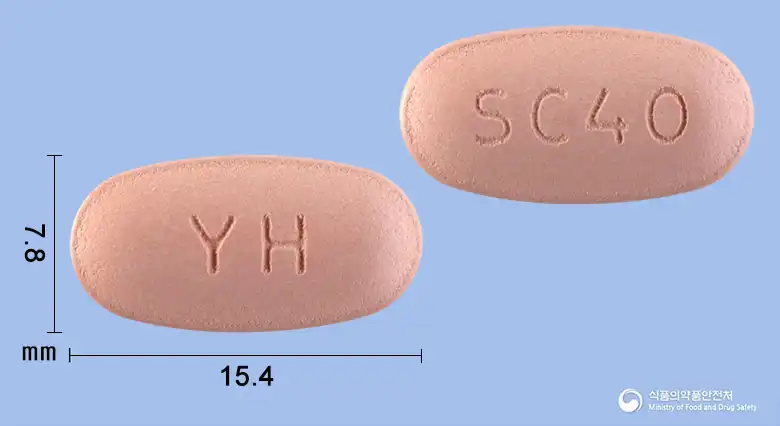 Combination
Esomeprazole Magnesium Trihydrate 44.5mg · Precipitated Calcium Carbonate 600mg
Tablet · Prescription medication · Combination
Yuhan Corporation
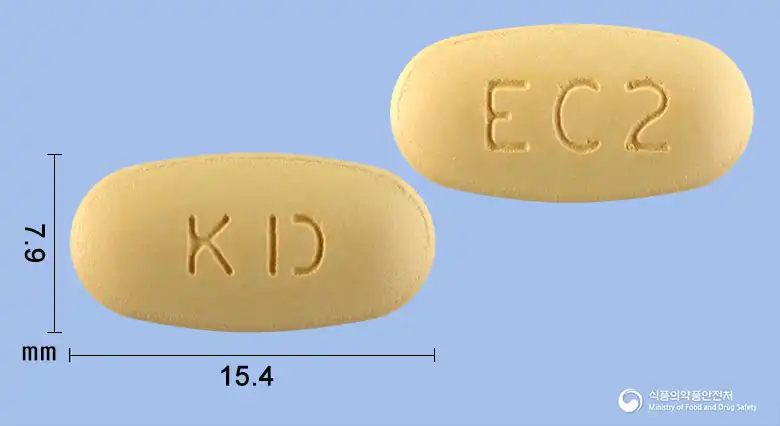 Combination
Esomeprazole Magnesium Trihydrate 22.3mg · Precipitated Calcium Carbonate 600mg
Tablet · Prescription medication · Combination
Kyungdong Pharmaceutical Co., Ltd.
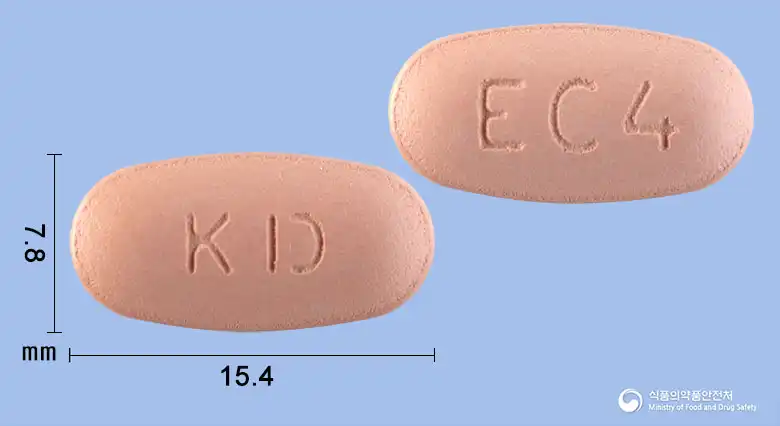 Combination
Esomeprazole Magnesium Trihydrate 44.5mg · Precipitated Calcium Carbonate 600mg
Tablet · Prescription medication · Combination
Kyungdong Pharmaceutical Co., Ltd.
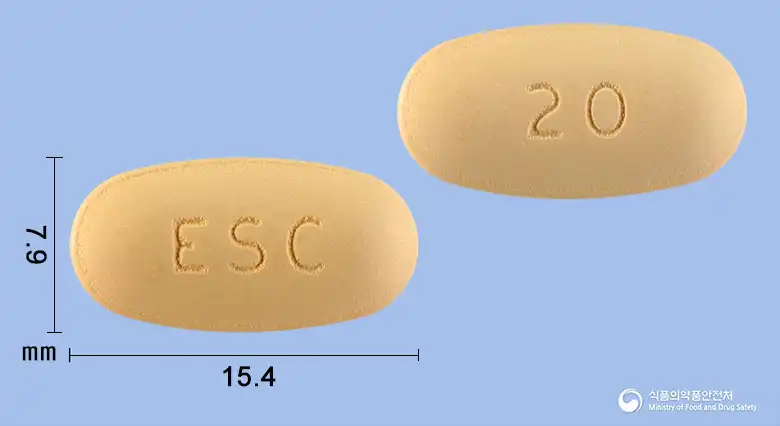 Combination
Esomeprazole Magnesium Trihydrate 22.3mg · Precipitated Calcium Carbonate 600mg
Tablet · Prescription medication · Combination
Green Cross Corporation
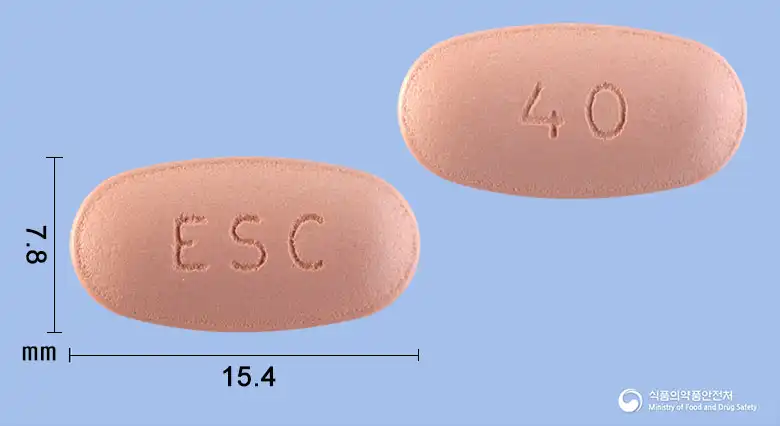 Combination
Esomeprazole Magnesium Trihydrate 44.5mg · Precipitated Calcium Carbonate 600mg
Tablet · Prescription medication · Combination
Green Cross Corp.
Even with the same ingredient, the dose and directions can differ by strength and dosage form. Talk to a doctor or pharmacist before switching from a medication you are already taking.
No questions yet.
For anything that needs medical judgment, consult a doctor or pharmacist.
This drug information is based on data provided by the Korea Ministry of Food and Drug Safety.
Consult a doctor or pharmacist for accurate dosage, administration, and usage instructions.