
 한국어
 English
 日本語
 中文(简体)
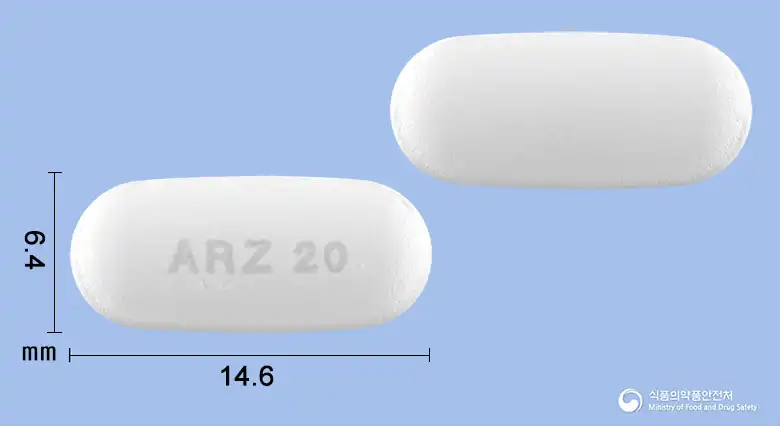 Viewing nowCombination
ArvaJet Tablet 10/20 milligrams
Atorvastatin Calcium 21.7mg · Ezetimibe 10mg
Tablet · Prescription medication · Combination
Aliko Pharmaceutical Co., Ltd.
MFDS item code 202100205 · Approved 2021.01.08 · Insurance code 656005200
Improvement of primary hypercholesterolemia and mixed dyslipidemia
This medication is used as an adjunct to diet in patients with primary hypercholesterolemia, specifically familial and non-familial hypercholesterolemia, or mixed dyslipidemia. It effectively lowers elevated total cholesterol, LDL cholesterol, Apo B protein, triglycerides, and non-HDL cholesterol levels while increasing HDL cholesterol levels. This helps reduce the risk of atherosclerotic vascular diseases that can occur in hypercholesterolemia. However, direct comparison of atorvastatin with respect to reductions in cardiovascular disease-related mortality is uncertain. Additionally, caution is needed as this drug has not been studied in specific types of dyslipidemia such as Fredrickson types I, III, IV, and V. Appropriate dietary management should accompany treatment, and any secondary causes of disease should also be treated, with regular lipid testing to monitor treatment effects being important. Therefore, this drug is used in the treatment of hypercholesterolemia and dyslipidemia.
This medicine is administered once daily, regardless of meals. Patients must continue a standard cholesterol-lowering diet before starting or while taking this medicine. The dose of this medicine should be adjusted according to the patient's baseline LDL cholesterol level, recommended treatment goal, and response to treatment. Primary hypercholesterolemia The dosage range for this medicine is 10/10mg∼10/40mg once daily. The recommended initial dosage is 10/10mg or 10/20mg once daily. For patients who require a greater reduction in LDL cholesterol, the dosage may be adjusted. After starting this medicine or adjusting the dose, check blood lipid levels at intervals of at least 2 weeks and adjust the dose accordingly.
This medication can affect muscles and rarely cause muscle tissue destruction, leading to kidney issues; therefore, if severe muscle pain or weakness occurs, you must inform your doctor immediately. Persons allergic to this drug, those with liver problems, muscle diseases, pregnant or nursing women, and individuals taking certain other medications should not use this medication. Special caution is needed for alcoholics, individuals with poor liver function, those with weakened kidney function, individuals with hypothyroidism, and elderly patients. During intake of this drug, regular liver function tests and muscle-related tests should be conducted, and treatment should be discontinued immediately if abnormal liver symptoms or worsening muscle pain occur. Drug interactions may occur when taken with other medications, so you must inform your doctor or pharmacist of any current medications, as some may be contraindicated or require dose adjustments. Women of childbearing age should use appropriate contraception during the use of this drug, and it should not be used if planning to become pregnant or if already pregnant. Dizziness or muscle pain may occur, so caution is necessary when driving or operating machinery. This medication is not recommended for children, and it can be used in elderly patients without special dose adjustments, but monitoring for myopathy is necessary. If any abnormal symptoms occur during intake, immediately consult with a healthcare professional and do not discontinue the medication on your own.
Acute renal failure due to myoglobinuria, rhabdomyolysis, sensory decline, sensory disturbance, hypertension, increased ALT, increased GGT, nasopharyngitis, cough, itching, dizziness, diabetes, weakness, fatigue, chest pain, peripheral edema, fatigue, fever, hyperglycemia, hypoglycemia, weight gain, loss of appetite, constipation, abdominal distension, dyspepsia, nausea, diarrhea, abdominal pain, vomiting, burping, pancreatitis, throat and laryngeal pain, nosebleed, insomnia, nightmares, headache, sensory loss, taste disturbance, memory loss, peripheral neuropathy, myalgia, arthralgia, limb pain, muscle cramps, joint swelling, back pain, neck pain, muscle fatigue, complications from rupture, myopathy, myositis, tendon injuries, muscle rupture, lupus-like syndrome, immune-mediated necrotizing myopathy, thrombocytopenia, allergic reaction, anaphylaxis, hepatitis, cholestasis, liver failure, blurred vision, visual impairment, tinnitus, hearing loss, urticaria, skin rash, hair loss, angioedema, erythema multiforme, Stevens-Johnson syndrome, toxic epidermal necrolysis, gynecomastia, abnormal liver function tests, increased serum creatine kinase, positive urinary leukocytes, nightmares, vomiting, abdominal abnormalities, gallbladder pain, cheilitis, gastric and duodenal ulcers, dysphagia, melena, gingival bleeding, postprandial urgency, bronchitis, rhinitis, pneumonia, dyspnea, asthma, bradycardia, hypotension, anemia, hernia, hyperkalemia, vitamin D deficiency, gastric polyps, duodenal polyps, duodenitis, jaundice, erectile dysfunction, breast mass, skin mass, ingrown toenails, thyroid adenoma, intracranial aneurysm, restless legs syndrome, depression, bronchiolitis, dental abscess, vestibular neuritis, thrombocytopenia, increased serum creatinine, elevated blood pressure, increased blood urea, increased CPK, abnormal liver function tests, fatigue, chest discomfort, generalized edema, diabetic neuropathy, tremors, upper abdominal pain, gastritis, dry mouth, epigastric discomfort, gastrointestinal disorders, gastroesophageal reflux disease, tongue conditions, palpitations, congestive heart failure, myocardial ischemia, flushing, phlegm, rhinorrhea, limb pain, tachycardia, cerebral infarction, palpitations, amblyopia, dry eyes, refractive errors, retinal hemorrhage, hearing loss, glaucoma, asthenopia, taste loss, taste alteration, leukopenia, decreased testosterone, increased cholinesterase, increased TSH, increased ACTH, decreased aldosterone, stroke, transient ischemic attack, interstitial lung disease, Stevens-Johnson syndrome, toxic epidermal necrolysis, eosinophilia, drug reactions accompanied by systemic symptoms, erythema multiforme, sleep disturbances, memory loss, sexual dysfunction, cognitive impairment, severe myasthenia gravis, ocular myasthenia, hepatitis, fulminant hepatitis, nausea, vomiting, fatigue, Stevens-Johnson syndrome, toxic epidermal necrolysis, hyperhidrosis, rash, itching, upper respiratory infection, conjunctival injection, renal failure, liver dysfunction
Not everyone experiences these, and they can vary from person to person.
This medication should be stored in a tightly closed container to prevent exposure to air or moisture. It is recommended that the storage temperature be kept between 1 degree and 30 degrees Celsius at room temperature to safely maintain the drug's efficacy.
White oval film-coated tablet
30 tablets/box [10 tablets/PTP*3]
Even with the same ingredient, strength, dosage form and how it is taken can differ.
Viewing nowCombinationAtorvastatin Calcium 21.7mg · Ezetimibe 10mg
Tablet · Prescription medication · Combination
Aliko Pharmaceutical Co., Ltd.
 Combination
Ezetimibe 10mg · Atorvastatin Calcium Trihydrate 21.7mg
Tablet · Prescription medication · Combination
Korea Organon Co., Ltd.
 Combination
Ezetimibe 10mg · Atorvastatin Calcium Trihydrate 43.4mg
Tablet · Prescription medication · Combination
Korea Organon Co., Ltd.
 Combination
Ezetimibe 10mg · Atorvastatin Calcium Trihydrate 86.8mg
Tablet · Prescription medication · Combination
Korea Organon Co., Ltd.
 Combination
Ezetimibe 10mg · Atorvastatin Calcium Trihydrate 10.9mg
Tablet · Prescription medication · Combination
Korea Organon Co., Ltd.
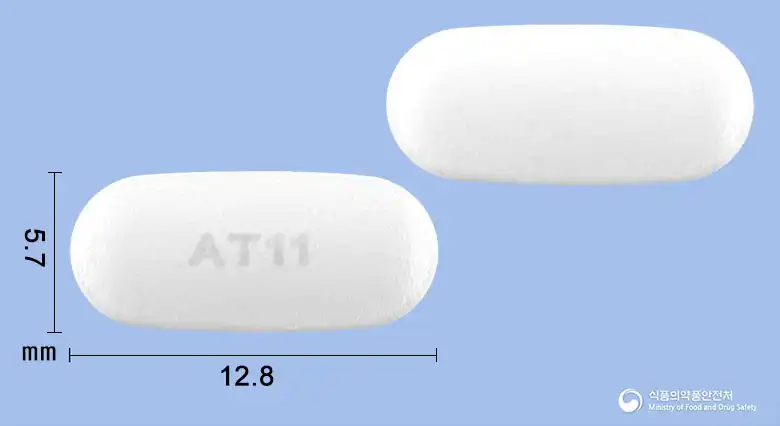 Combination
Atorvastatin Calcium 10.85mg · Ezetimibe 10mg
Tablet · Prescription medication · Combination
Korea HuTex Pharmaceutical Co., Ltd.
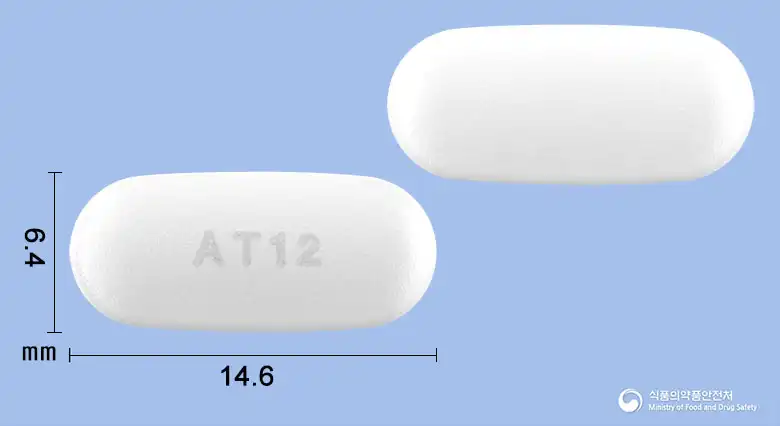 Combination
Atorvastatin Calcium 21.7mg · Ezetimibe 10mg
Tablet · Prescription medication · Combination
Korea HuTex Pharmaceutical Co., Ltd.
 Combination
Atorvastatin Calcium 43.4mg · Ezetimibe 10mg
Tablet · Prescription medication · Combination
Korea HuTex Pharmaceutical Co., Ltd.
Even with the same ingredient, the dose and directions can differ by strength and dosage form. Talk to a doctor or pharmacist before switching from a medication you are already taking.
No questions yet.
For anything that needs medical judgment, consult a doctor or pharmacist.
This drug information is based on data provided by the Korea Ministry of Food and Drug Safety.
Consult a doctor or pharmacist for accurate dosage, administration, and usage instructions.