
 한국어
한국어 English
 日本語
日本語 中文(简体)
Dosage form image
Viewing nowCombinationOlmesartan Medoxomil and Rosuvastatin Tablets 20/20 mg
Olmesartan Medoxomil 20mg · Rosuvastatin Calcium 20.8mg
Tablet · Prescription medication · Combination
Daewoo Pharmaceutical Co., Ltd.
MFDS item code 202100102 · Approved 2021.01.06
This product's status changed to Expired on 2026.01.06. It may no longer be sold, so consult a doctor or pharmacist before taking it.
Effectively treats hypertension and hypercholesterolemia and reduces cardiovascular disease risk
This medication is indicated for patients using both Olmesartan Medoxomil and Rosuvastatin. Olmesartan Medoxomil is primarily used to treat essential hypertension. Rosuvastatin is used as an adjunct in patients with hypercholesterolemia, hyperlipidemia, and familial hypercholesterolemia when diet and exercise alone are insufficient. Additionally, Rosuvastatin lowers total cholesterol and LDL cholesterol levels, helping to delay the progression of atherosclerosis and reduce cardiovascular risks. Particularly, it is expected to reduce the risk of stroke, myocardial infarction, and arterial revascularization in high-risk patients with elevated high-sensitivity C-reactive protein. Therefore, this medication improves the prevention of cardiovascular diseases by managing both hypertension and hyperlipidemia simultaneously.
Olmesartan Medoxomil The recommended starting dose is 10 mg once daily, administered regardless of food. If blood pressure is not adequately controlled, it can be increased to 20 mg once daily, and can be increased up to a maximum of 40 mg. It may be co-administered with diuretics such as hydrochlorothiazide. Rosuvastatin The starting dose is 5 mg once daily, and the maintenance dose can be adjusted as needed. The maintenance dose is once daily.
The safety and efficacy in pediatric patients under 18 years of age have not been established.
This drug can cause serious harm to the fetus and newborn when taken during the second and third trimester of pregnancy, so it should be discontinued immediately upon confirmation of pregnancy. This medication should not be administered to individuals with known allergies to its ingredients, to pregnant or potentially pregnant women, or to breastfeeding women. Use is contraindicated in patients with severely impaired renal function, those undergoing renal dialysis, patients with severe liver impairment, and those with biliary obstruction. Patients with a history of muscle disorders or those prone to muscle issues should avoid high-dose administration of this medication, especially the 40 mg dose which is contraindicated. This drug contains lactose and should not be used by patients with lactose intolerance or related genetic disorders. In patients with low blood pressure or decreased salt or blood volume, hypotension may occur if administered, and appropriate treatment is required immediately if hypotension symptoms arise. Patients who are dependent on renal function may experience worsening renal function, thus routine blood tests should be done to monitor renal function periodically. As there is a risk of hyperkalemia, serum potassium levels should be monitored regularly, and caution is needed in patients with heart or lung problems. This medication may affect liver function, so patients with a history of liver disease or those consuming excessive alcohol should have regular liver function tests. In cases of muscle pain or weakness, the healthcare provider should be notified immediately, and if severe, medication should be stopped. This drug may interact with other medications; special caution is required particularly when co-administered with potassium-sparing diuretics, lithium, non-steroidal anti-inflammatory drugs, specific antivirals, and fibrates. Pregnant or breastfeeding women should not take this drug, and women who could become pregnant should use appropriate contraception. Extra caution is required when administering this drug to children under 18 years of age and to elderly patients over 65 years, as elderly patients may show increased drug concentration in the body. In case of overdose, symptoms such as hypotension and palpitations may occur, and appropriate treatment should be administered through liver function and muscle-related tests. This medication should be kept out of the reach of children and should not be transferred to another container.
Hives, severe swelling (edema), angioedema, tightness in the chest, difficulty breathing, cold sweat, pallor, severe rash with fever, blisters, skin peeling, pain in mouth/eyes mucosa, shortness of breath or difficulty breathing, asthma attacks, respiratory abnormalities accompanied by cough and fever, jaundice (yellowing of skin or eyes), severe fatigue, sudden and extremely severe headache, thunderclap headache, seizures, confusion, visual disturbances,
Not everyone experiences these, and they can vary from person to person.
This medication may be sensitive to air or moisture; therefore, it must be stored in a sealed container. The storage temperature should be maintained between 1°C and 30°C at room temperature to safely preserve the efficacy of the drug.
White or light yellow round film-coated tablets
30 tablets/box [30 tablets (10 tablets/PTP x 3)]
Even with the same ingredient, strength, dosage form and how it is taken can differ.
Olmesartan Medoxomil 20mg · Rosuvastatin Calcium 20.8mg
Tablet · Prescription medication · Combination
Daewoo Pharmaceutical Co., Ltd.
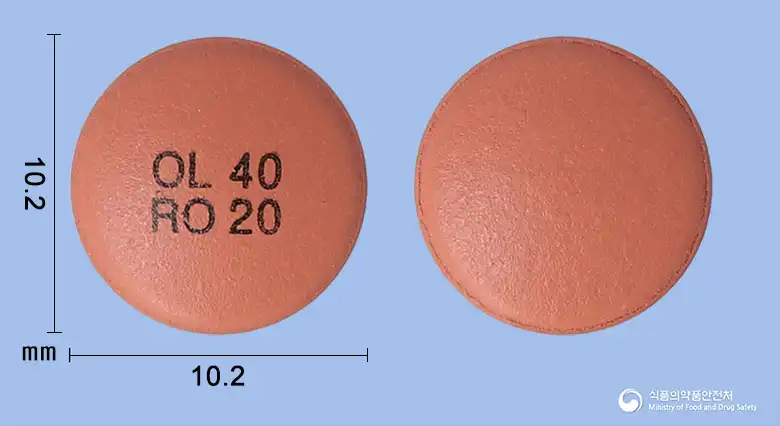 Combination
Rosuvastatin Calcium 20.8mg · Olmesartan Medoxomil 40mg
Tablet · Prescription medication · Combination
Daewoong Pharmaceutical Co., Ltd.
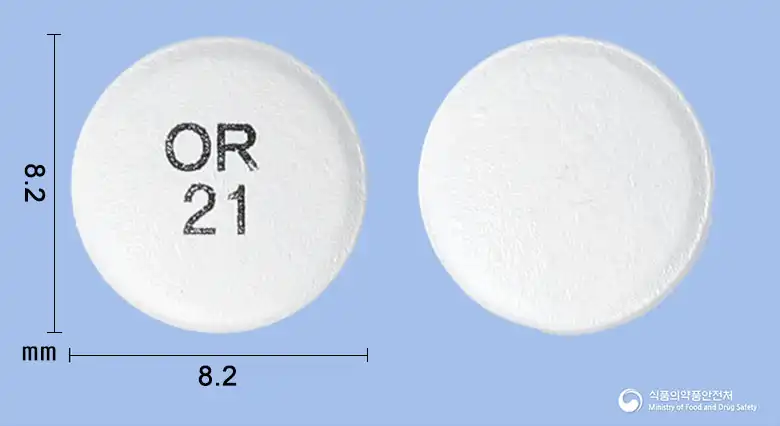 Combination
Rosuvastatin Calcium 10.4mg · Olmesartan Medoxomil 20mg
Tablet · Prescription medication · Combination
Daewoong Pharmaceutical Co., Ltd.
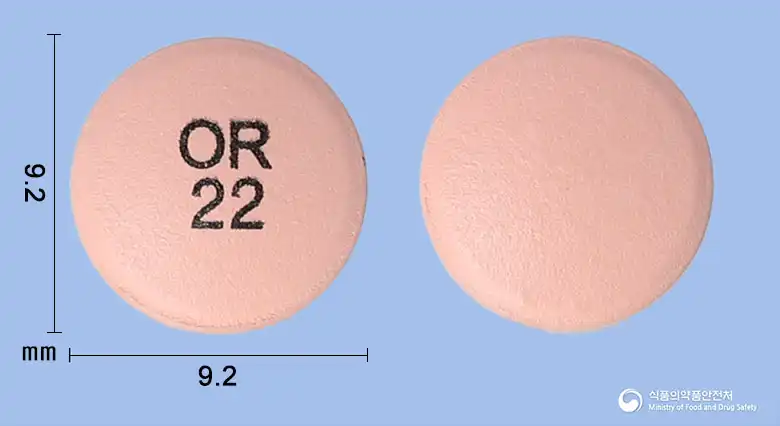 Combination
Rosuvastatin Calcium 20.8mg · Olmesartan Medoxomil 20mg
Tablet · Prescription medication · Combination
Daewoong Pharmaceutical Co., Ltd.
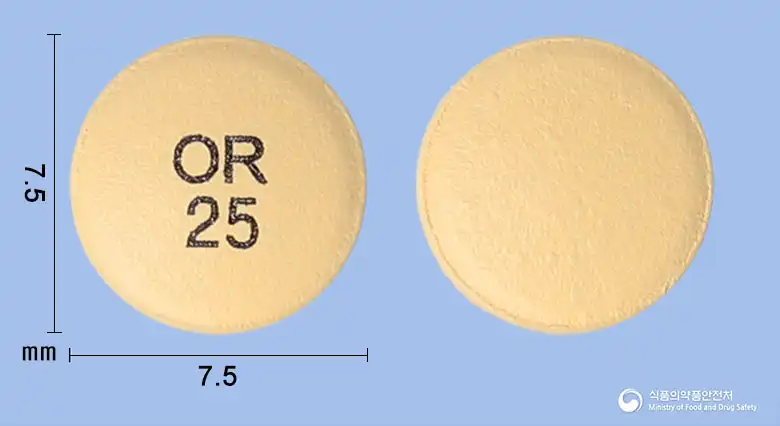 Combination
Rosuvastatin Calcium 5.2mg · Olmesartan Medoxomil 20mg
Tablet · Prescription medication · Combination
Daewoong Pharmaceutical Co., Ltd.
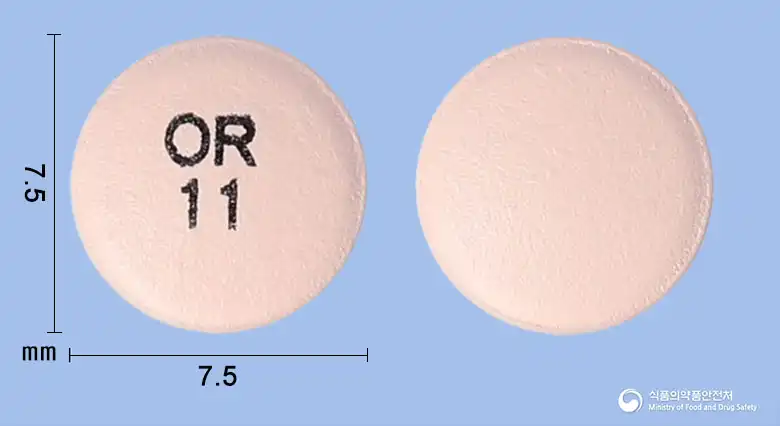 Combination
Rosuvastatin Calcium 10.4mg · Olmesartan Medoxomil 10mg
Tablet · Prescription medication · Combination
(Co., Ltd. Daewoong Pharmaceutical)
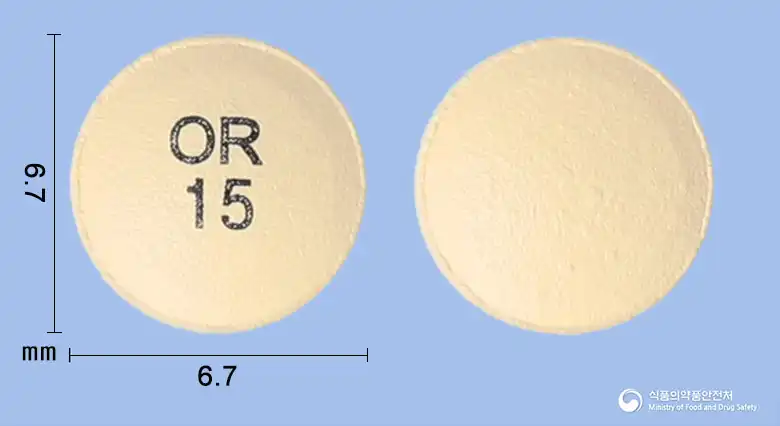 Combination
Rosuvastatin Calcium 5.2mg · Olmesartan Medoxomil 10mg
Tablet · Prescription medication · Combination
(Co., Ltd.) Daewoong Pharmaceutical
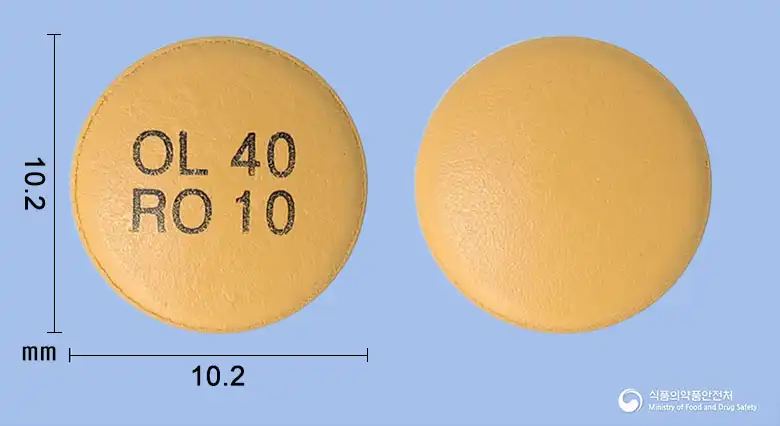 Combination
Rosuvastatin Calcium 10.4mg · Olmesartan Medoxomil 40mg
Tablet · Prescription medication · Combination
Daewoong Pharmaceutical Co., Ltd.
Even with the same ingredient, the dose and directions can differ by strength and dosage form. Talk to a doctor or pharmacist before switching from a medication you are already taking.
No questions yet.
For anything that needs medical judgment, consult a doctor or pharmacist.
This drug information is based on data provided by the Korea Ministry of Food and Drug Safety.
Consult a doctor or pharmacist for accurate dosage, administration, and usage instructions.