
 한국어
한국어 English
 日本語
日本語 中文(简体)
 Viewing nowCombination
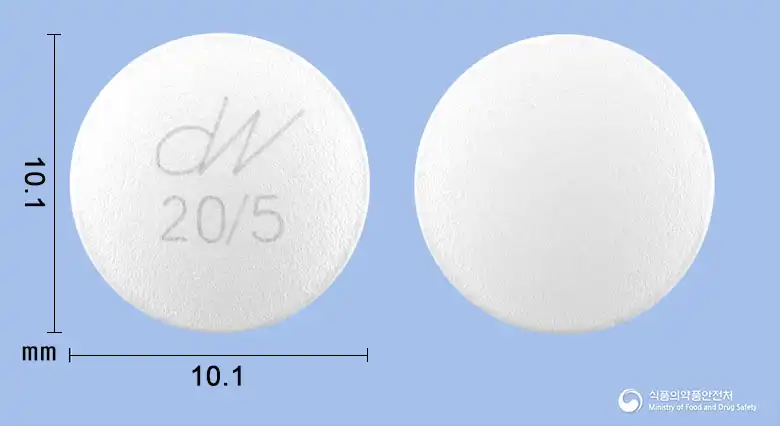
Olmesartan Medoxomil and Rosuvastatin Tablets 20/5 mg
Olmesartan Medoxomil 20mg · Rosuvastatin Calcium 5.2mg
Tablet · Prescription medication · Combination
Daewoo Pharmaceutical Co., Ltd.
MFDS item code 202100100 · Approved 2021.01.06
Treatment of hypertension and hyperlipidemia (cholesterol control, etc.)
This medication is used for patients who need to take both olmesartan medoxomil and rosuvastatin at the same time. Olmesartan medoxomil helps treat essential hypertension. Meanwhile, rosuvastatin is used as an adjunctive treatment in cases of hypercholesterolemia and mixed hyperlipidemia where dietary changes are ineffective, and it is particularly effective in treating primary dyslipidemia and familial hypercholesterolemia. Additionally, rosuvastatin lowers total cholesterol and LDL cholesterol levels, which helps delay the progression of atherosclerosis and reduces the risk of stroke, myocardial infarction, and arterial revascularization in certain cardiovascular disease risk groups. Therefore, this medication is used to manage both hypertension and dyslipidemia to improve cardiovascular health.
The recommended initial adult dose of olmesartan medoxomil is 10 mg once daily and can be taken regardless of meals. If blood pressure is not adequately controlled, the dose may be increased to 20 mg once daily, with a maximum dose of 40 mg once daily. The initial dose for rosuvastatin is 5 mg once daily, and the maintenance dose is 10 mg once daily; most patients are controlled at this dose. The maintenance dose can be adjusted to 4 weeks or more depending on LDL cholesterol levels, therapeutic goals, and patient response.
Safety and efficacy in children under 18 have not been established.
This medication poses a risk of severe harm or death to the fetus and newborns if administered to women in the second and third trimesters of pregnancy, so use should be discontinued immediately upon confirmation of pregnancy. This medication should not be administered to patients with known allergies to this medication or its components, pregnant women or women who may become pregnant, nursing mothers, patients with severely impaired kidney function, patients with severe liver impairment, patients with biliary obstruction, and patients with myopathy. When administering to patients with reduced blood volume or sodium, there is a possibility of hypotension, so caution is necessary, and renal function should be periodically monitored as there may be changes in renal function. This medication may cause hyperkalemia, so serum potassium levels should be regularly monitored, and caution is required when engaging in hazardous activities such as operating dangerous machinery or driving, as dizziness may occur. This medication may affect liver function; therefore, liver function tests should be performed before and during treatment, and greater caution is required for patients with a history of liver disease. If symptoms of muscle pain, muscle weakness, or myopathy occur, it is essential to immediately notify healthcare professionals and undergo testing, and in severe cases, use should be discontinued. This medication may interact with other drugs, so it is crucial to inform healthcare providers of any current medications, especially when used concurrently with potassium-sparing diuretics, lithium, nonsteroidal anti-inflammatory drugs, certain antibiotics, and antifungals. Women who are pregnant or planning to become pregnant should avoid using this medication and use appropriate contraception. Nursing mothers should also avoid using this medication or discontinue breastfeeding. Safety and efficacy in children under 18 years have not been established, hence it is recommended against use in this population. For elderly patients, dosage adjustment may be necessary, and in the case of overdose, symptoms such as hypotension and palpitations may occur, requiring immediate visit to a healthcare facility. This medication should be stored out of reach of children, and it is safest not to transfer it to other containers.
Hives, angioedema, anaphylactic reactions, rhabdomyolysis, hyperkalemia, acute renal failure, hair loss, severe allergic reactions, severe skin reactions, respiratory issues, liver disturbances (jaundice), severe neurological symptoms, severe edema or urinary problems, multiple organ failure syndrome, viral pneumonia, angioedema, autoimmune hepatitis, Stevens-Johnson syndrome, eosinophilia and systemic symptoms accompanying drug reaction syndrome.
Not everyone experiences these, and they can vary from person to person.
This medication may be sensitive to air and moisture; therefore, it must be stored in a tightly sealed container. The recommended storage temperature is room temperature between 1 degree and 30 degrees Celsius. Storing it correctly ensures the medication's effectiveness and safety.
White or yellowish round film-coated tablets
30 tablets/box [30 tablets (10 tablets/Alu-Alu)x3]
Even with the same ingredient, strength, dosage form and how it is taken can differ.
Viewing nowCombinationOlmesartan Medoxomil 20mg · Rosuvastatin Calcium 5.2mg
Tablet · Prescription medication · Combination
Daewoo Pharmaceutical Co., Ltd.
 Combination
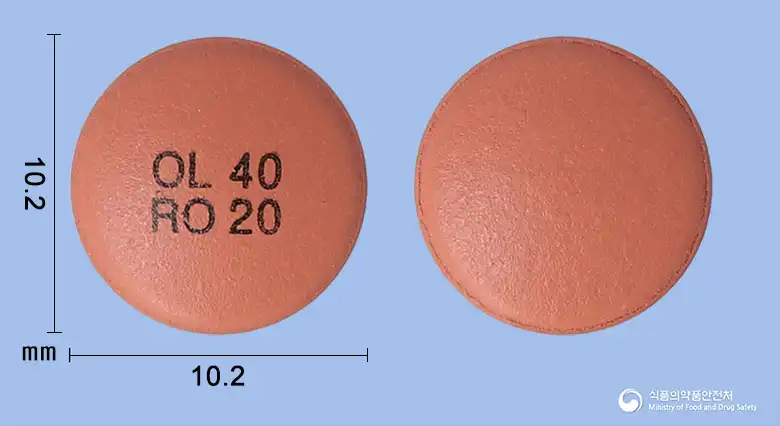
Rosuvastatin Calcium 20.8mg · Olmesartan Medoxomil 40mg
Tablet · Prescription medication · Combination
Daewoong Pharmaceutical Co., Ltd.
 Combination
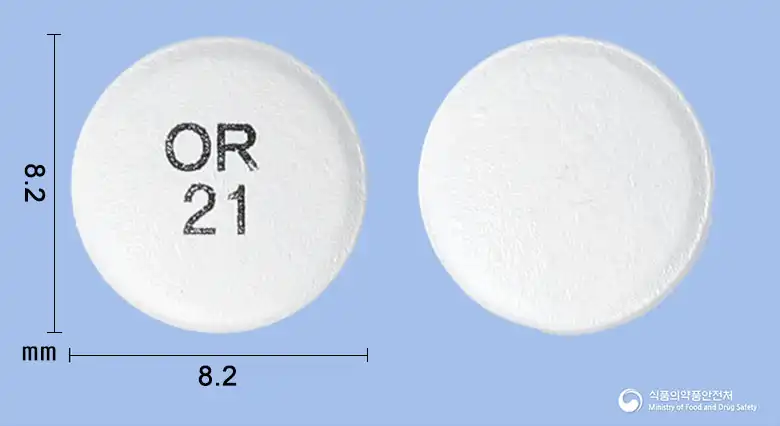
Rosuvastatin Calcium 10.4mg · Olmesartan Medoxomil 20mg
Tablet · Prescription medication · Combination
Daewoong Pharmaceutical Co., Ltd.
 Combination
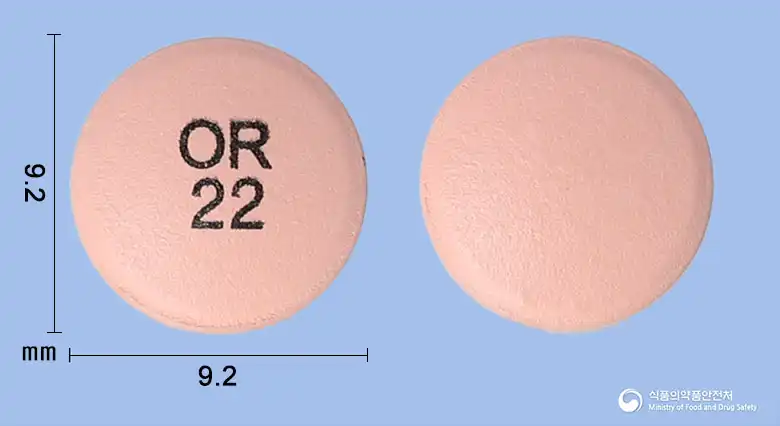
Rosuvastatin Calcium 20.8mg · Olmesartan Medoxomil 20mg
Tablet · Prescription medication · Combination
Daewoong Pharmaceutical Co., Ltd.
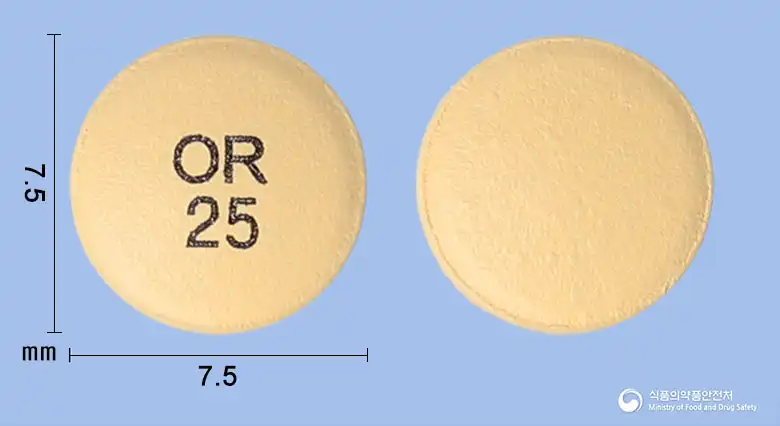 Combination
Rosuvastatin Calcium 5.2mg · Olmesartan Medoxomil 20mg
Tablet · Prescription medication · Combination
Daewoong Pharmaceutical Co., Ltd.
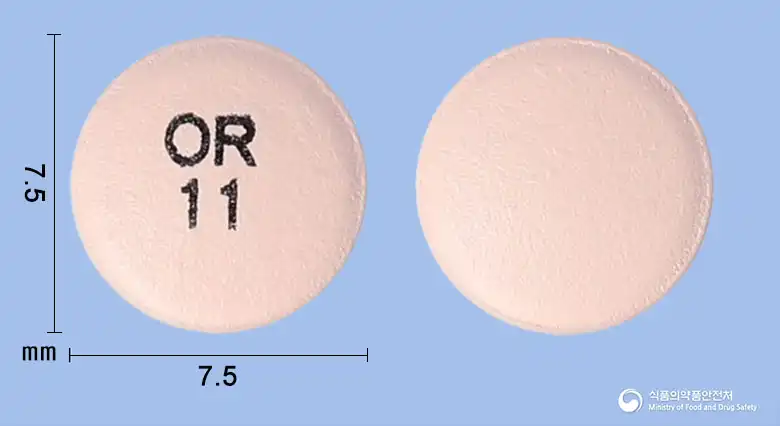 Combination
Rosuvastatin Calcium 10.4mg · Olmesartan Medoxomil 10mg
Tablet · Prescription medication · Combination
(Co., Ltd. Daewoong Pharmaceutical)
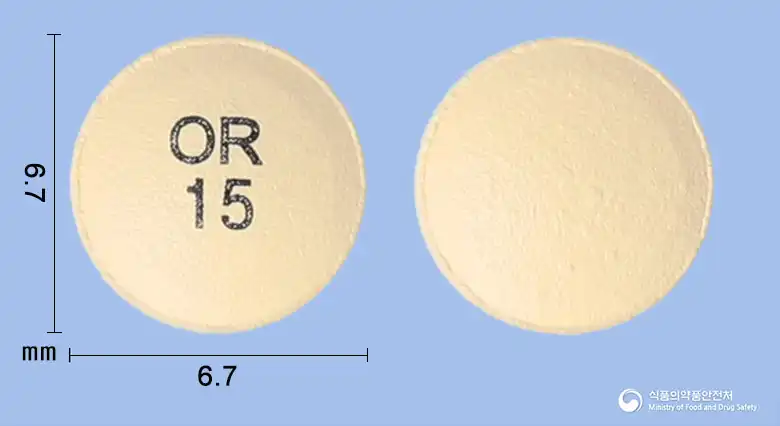 Combination
Rosuvastatin Calcium 5.2mg · Olmesartan Medoxomil 10mg
Tablet · Prescription medication · Combination
(Co., Ltd.) Daewoong Pharmaceutical
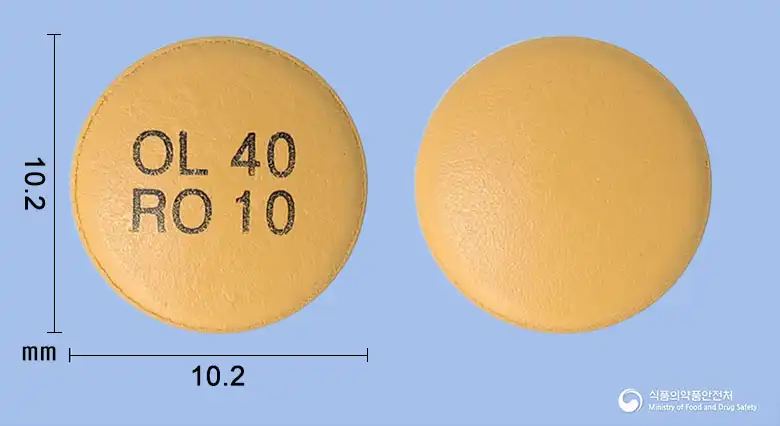 Combination
Rosuvastatin Calcium 10.4mg · Olmesartan Medoxomil 40mg
Tablet · Prescription medication · Combination
Daewoong Pharmaceutical Co., Ltd.
Even with the same ingredient, the dose and directions can differ by strength and dosage form. Talk to a doctor or pharmacist before switching from a medication you are already taking.
No questions yet.
For anything that needs medical judgment, consult a doctor or pharmacist.
This drug information is based on data provided by the Korea Ministry of Food and Drug Safety.
Consult a doctor or pharmacist for accurate dosage, administration, and usage instructions.