
 한국어
 English
 日本語
 中文(简体)
Dosage form image
Viewing nowMyungmoon Pitavastatin Tablet 1mg (Pitavastatin Calcium)
Pitavastatin Calcium 1mg
Tablet · Prescription medication
Myungmoon Pharmaceutical Co., Ltd.
MFDS item code 202009441 · Approved 2020.12.31
This product's status changed to Expired on 2025.12.31. It may no longer be sold, so consult a doctor or pharmacist before taking it.
Improvement of primary hypercholesterolemia (including in children) and mixed dyslipidemia
This medication is used as an adjunct therapy to diet in patients with primary hypercholesterolemia and mixed dyslipidemia to lower levels of blood lipids such as total cholesterol, LDL-cholesterol, and triglycerides, while increasing HDL-cholesterol known as 'good cholesterol.' It is particularly indicated for pediatric patients aged 10 to 16 years with heterozygous familial hypercholesterolemia to improve hypercholesterolemic conditions and reduce the risk of cardiovascular diseases. Therefore, it is effective in controlling blood lipid levels and assists in safely managing these conditions alongside dietary regulation.
Patients should follow a standard cholesterol-lowering diet before and during treatment with this medicine. The usual initial dose for adults is 1~2 milligrams of pitavastatin calcium per dose, taken once daily. If the reduction in LDL cholesterol is insufficient, the dose may be increased up to a maximum of 4 milligrams daily. Adjust the dose as appropriate at intervals of 4 weeks or longer according to the LDL cholesterol level, treatment goals, and patient response; the therapeutic effect of this medicine is maintained with continued administration.
Age 10 to 16 years: Take 1 milligram of pitavastatin calcium once daily. If the reduction in LDL cholesterol is insufficient, the dose may be increased to a maximum of 2 milligrams per day.
This medication should not be used in patients with allergies to specific ingredients, severe liver disease, or biliary obstruction. Additionally, it should not be administered to patients taking cyclosporine, those with myopathies, or pregnant or breastfeeding women. Patients with hereditary lactase deficiency should also avoid this medication. Patients with renal impairment or a history of liver disease should exercise extra caution when using this medication, as muscle damage and deterioration of renal function may occur when combined with certain drugs. Elderly patients, children, patients with hypothyroidism, or those with existing muscle-related diseases or family histories of such diseases should be treated with caution. Side effects like muscle pain, weakness, abdominal pain, rash, and liver function abnormalities may occur during treatment; patients should consult a doctor immediately upon experiencing symptoms. In particular, if muscle-related complications such as rhabdomyolysis arise, the medication should be discontinued if muscle pain or weakness becomes severe. Regular liver function tests should be conducted, and treatment should be stopped if abnormal liver function is noted. While this medication is effective in lowering cholesterol levels, it is crucial to confirm the diagnosis of hypercholesterolemia through thorough examinations before administration, considering diet and exercise as well. Additionally, it is important for patients at risk of diabetes to regularly monitor blood glucose levels. This medication may interact with certain drugs, so inform your doctor or pharmacist if you are taking other medications, especially avoiding combinations with cyclosporine, fibrates, and niacin. Pregnant women or those who may become pregnant and nursing mothers should not take this medication, and treatment must be stopped immediately upon confirmation of pregnancy. Store out of reach of children and keep in the original container to maintain quality.
Abdominal pain, rash, malaise, paralysis, itching, elevated γ-GT, increased plasma creatine phosphokinase levels, elevated serum ALT, elevated serum AST, headache, myalgia, weakness, increased CPK levels, elevated myoglobin in blood and urine, liver dysfunction, jaundice, thrombocytopenia, urticaria, erythema, angioedema, elevated bilirubin, increased cholinesterase, elevated ALP, elevated LDH, rigidity, drowsiness, insomnia, heaviness, dizziness, thirst, dyspepsia, abdominal distension, constipation, stomatitis, vomiting, loss of appetite, glossitis, nausea, gastric discomfort, diarrhea, granulocytopenia, leukopenia, eosinophilia, leukocytosis, elevated globulin, positive Coombs test, anemia, polyuria, elevated BUN, increased serum creatinine, decreased aldosterone, increased aldosterone, elevated adrenocorticotropic hormone, elevated cortisol, decreased testosterone, muscle cramps, palpitations, fatigue, skin pain, flushing, arthralgia, edema, blurred vision, photophobia, hearing loss, hematuria, elevated uric acid levels, increased serum potassium and phosphorus, taste disturbance, discolored urine, malaise, positive antinuclear antibody, hair loss, sleep disorders, memory loss, depression, interstitial lung disease, sexual dysfunction, diabetes, immune-mediated necrotizing myopathy, facial edema, arm edema, hypersensitivity, skin tingling, loss of appetite, elevated blood pressure, chest discomfort, myasthenia, nausea, thrombocytopenia, increased serum creatinine
Not everyone experiences these, and they can vary from person to person.
This medication is sensitive to light, so it must be stored in a tightly sealed container that blocks light. It is important to maintain a storage temperature between 1 and 30 degrees Celsius.
White round film-coated tablet
30 tablets/bottle, 100 tablets/bottle
Even with the same ingredient, strength, dosage form and how it is taken can differ.
Pitavastatin Calcium 1mg
Tablet · Prescription medication
Myungmoon Pharmaceutical Co., Ltd.
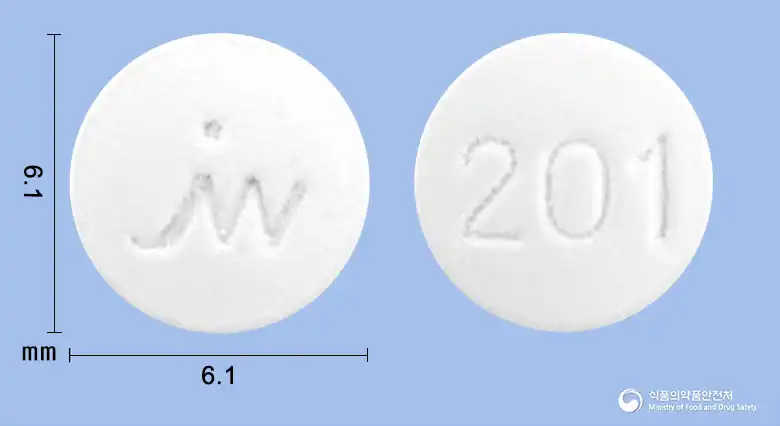
Pitavastatin Calcium Hydrate 1mg
Tablet · Prescription medication
JW Pharmaceutical Corporation
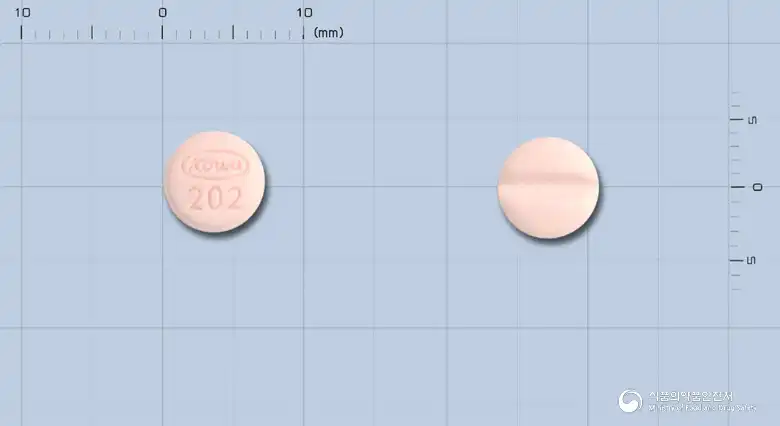
Pitavastatin Calcium Hydrate 2mg
Tablet · Prescription medication
JW Pharmaceutical Corporation
Pitavastatin Calcium 2mg
Tablet · Prescription medication
Youngjin Pharmaceutical Co., Ltd.
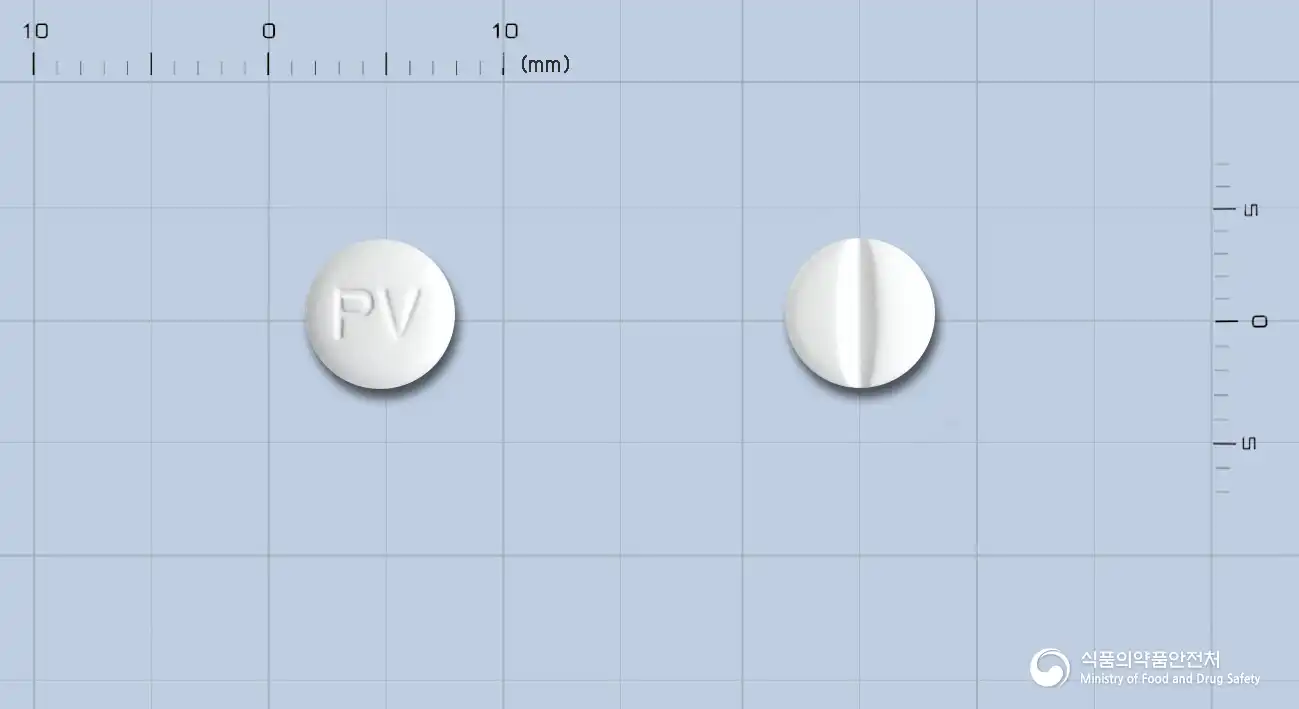
Pitavastatin Calcium 2mg
Tablet · Prescription medication
Samchundang Pharmaceutical Co., Ltd.
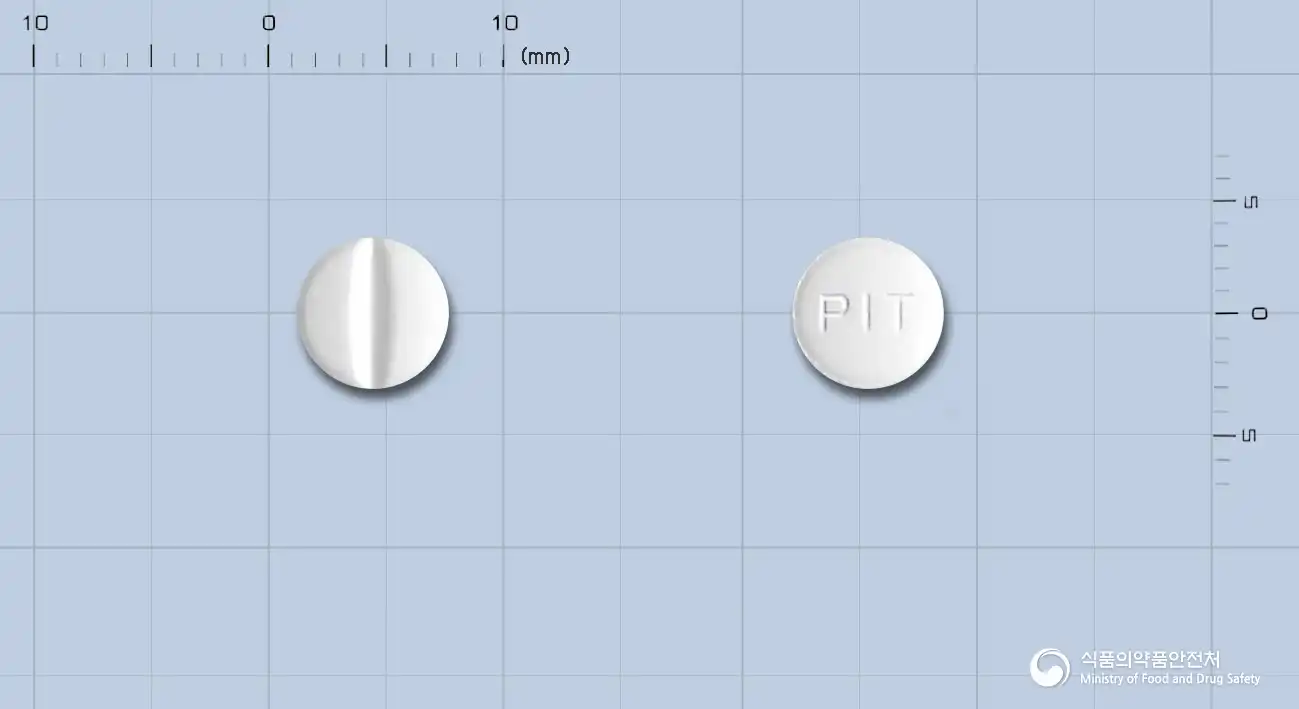
Pitavastatin Calcium 2mg
Tablet · Prescription medication
Daewon Pharmaceutical Co., Ltd.
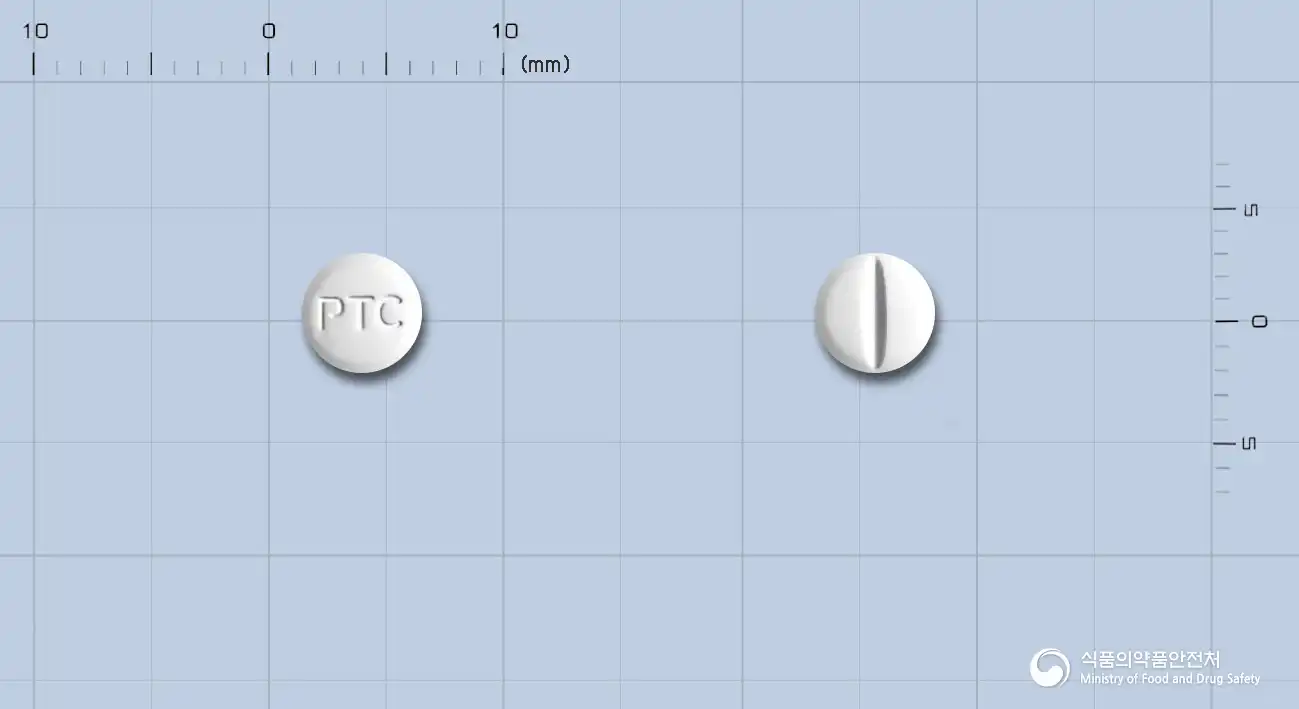
Pitavastatin Calcium 2mg
Tablet · Prescription medication
Samnam Pharmaceutical Co., Ltd.
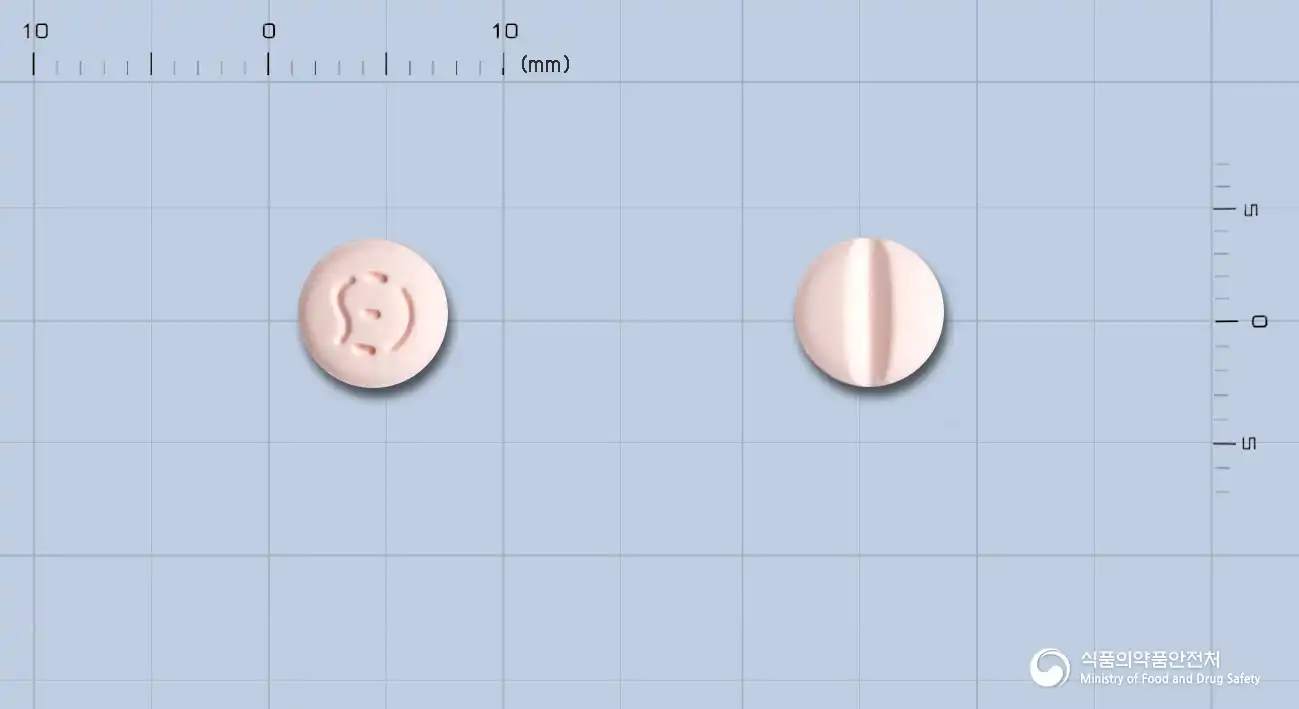
Pitavastatin Calcium 2mg
Tablet · Prescription medication
Seoul Pharmaceutical Co., Ltd.
Even with the same ingredient, the dose and directions can differ by strength and dosage form. Talk to a doctor or pharmacist before switching from a medication you are already taking.
No questions yet.
For anything that needs medical judgment, consult a doctor or pharmacist.
This drug information is based on data provided by the Korea Ministry of Food and Drug Safety.
Consult a doctor or pharmacist for accurate dosage, administration, and usage instructions.