
 한국어
한국어 English
 日本語
日本語 中文(简体)
Dosage form image
Viewing nowLinagliptin 5mg (Linagliptin)
Linagliptin 5mg
Tablet · Prescription medication
Hanpoong Pharmaceutical Co., Ltd.
MFDS item code 202009265 · Approved 2020.12.28
This product's status changed to Expired on 2025.12.28. It may no longer be sold, so consult a doctor or pharmacist before taking it.
Improvement of blood sugar control in type 2 diabetes
This medication is used as an adjunct to diet and exercise for effective blood sugar control in patients with type 2 diabetes. It may be administered alone to patients initiating treatment, and if adequate blood sugar control is not achieved with monotherapy, it can be combined with metformin. It is also used as an additional treatment when blood sugar control is insufficient with monotherapy using metformin or sulfonylureas. This medication can be combined with insulin therapy when blood sugar control is inadequate. In cases where control is difficult when combining sulfonylureas and metformin or empagliflozin and metformin, this medication is also administered. It aids in improving blood sugar control in various situations and is used in diabetes management.
The recommended dose of this medication is 5 mg once daily. It can be taken regardless of meals.
This medication should not be used by individuals who are allergic to the active ingredient or any other components. It is generally safe to avoid administration in type 1 diabetes patients or those with diabetic ketoacidosis. Caution is required when used with medications that can cause hypoglycemia, such as insulin or sulfonylureas, as the risk of hypoglycemia may increase. There is limited experience in patients with heart failure, so it should be administered with caution. Acute pancreatitis symptoms may occur, so if severe abdominal pain or similar symptoms arise, it is essential to discontinue the medication immediately and consult a physician. A skin condition known as bullous pemphigoid may appear, so if blisters or skin erosions develop, inform a doctor immediately. Hypoglycemic symptoms may occur during treatment with this medication, so appropriate measures should be taken if symptoms arise. Its safety has not been established in pregnant or nursing women, so its use is not recommended in these cases. It is advisable not to use in children under 10 years of age as safety and efficacy have not been thoroughly established. Elderly patients can use this medication without special dosage adjustments, but caution is still warranted based on individual conditions. Patients with weakened kidney or liver function can also use this medication without special dosage adjustments, but their condition should be closely monitored. In case of overdose, remove unabsorbed medication from the gastrointestinal tract and observe symptoms while receiving appropriate treatment. This medication must be stored out of reach of children, and care should be taken to avoid transferring it to another container as this may risk accidents or degradation in quality.
Hives, angioedema, pancreatitis, bullous pemphigoid, chest tightness, breathing difficulties, severe swelling (edema), sudden and severe headache, seizures, confusion, visual disturbances, paralysis, significantly reduced urine output, increased blood pressure, severe general swelling, yellowing of the skin or eyes (jaundice), extreme lethargy, asthma attacks, respiratory abnormalities accompanied by cough and fever
Not everyone experiences these, and they can vary from person to person.
Store this medication in a tightly closed container to prevent air or moisture from entering, and keep it at room temperature between 1 degrees and 30 degrees Celsius. Proper storage will help maintain the drug's efficacy for an extended period.
Bright red round film-coated tablets
30 tablets/box [10 tablets/Alu-Alu×3], 30 tablets/bottle
Even with the same ingredient, strength, dosage form and how it is taken can differ.
Linagliptin 5mg
Tablet · Prescription medication
Hanpoong Pharmaceutical Co., Ltd.
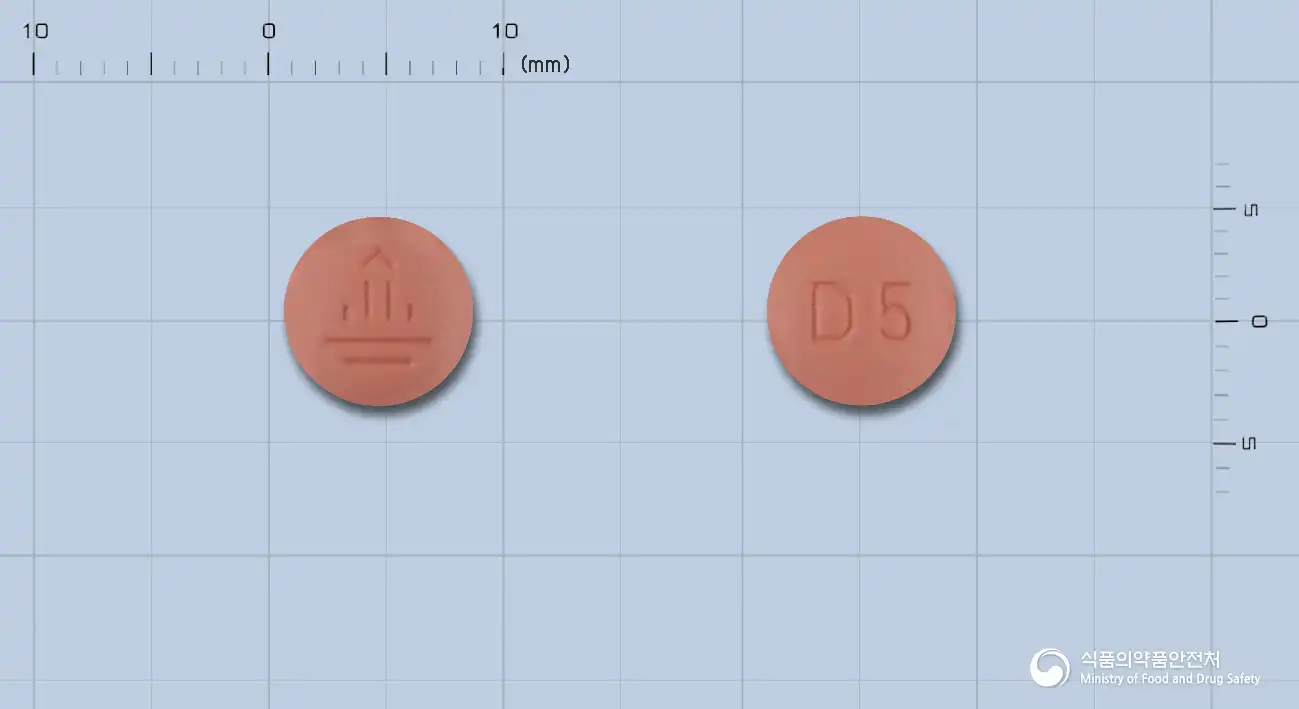
Linagliptin 5mg
Tablet · Prescription medication
Boehringer Ingelheim Korea Co., Ltd.
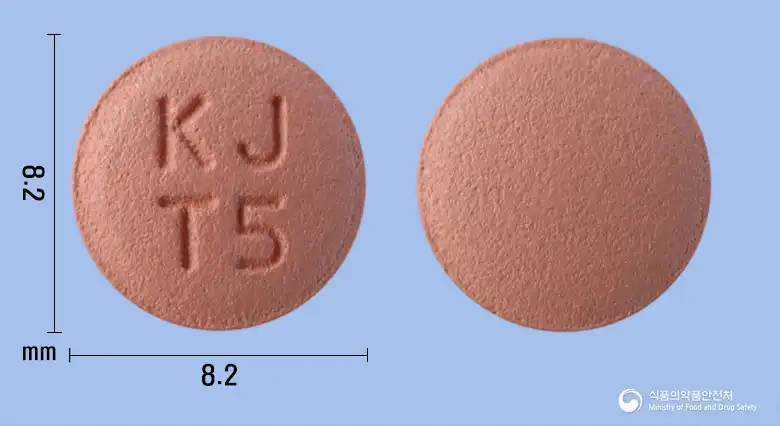
Linagliptin 5mg
Tablet · Prescription medication
International Pharmaceutical Co., Ltd.
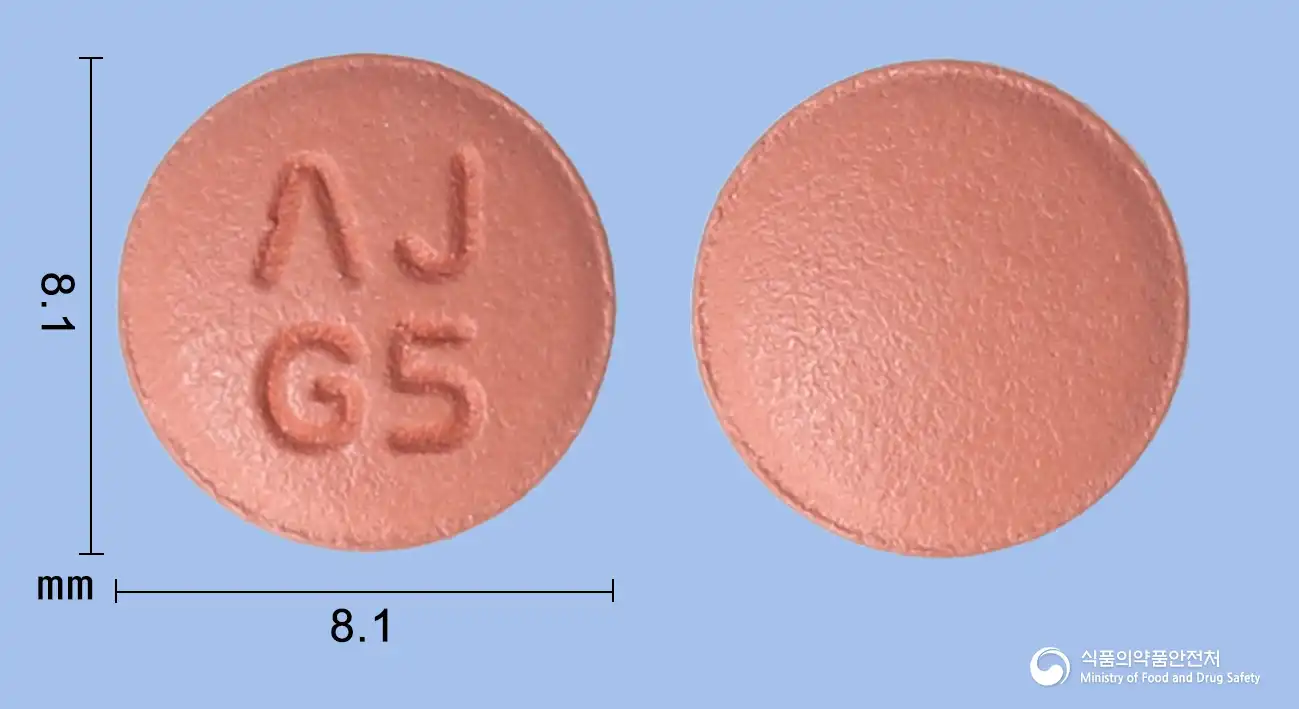
Linagliptin 5mg
Tablet · Prescription medication
Aju Pharmaceuticals Co., Ltd.
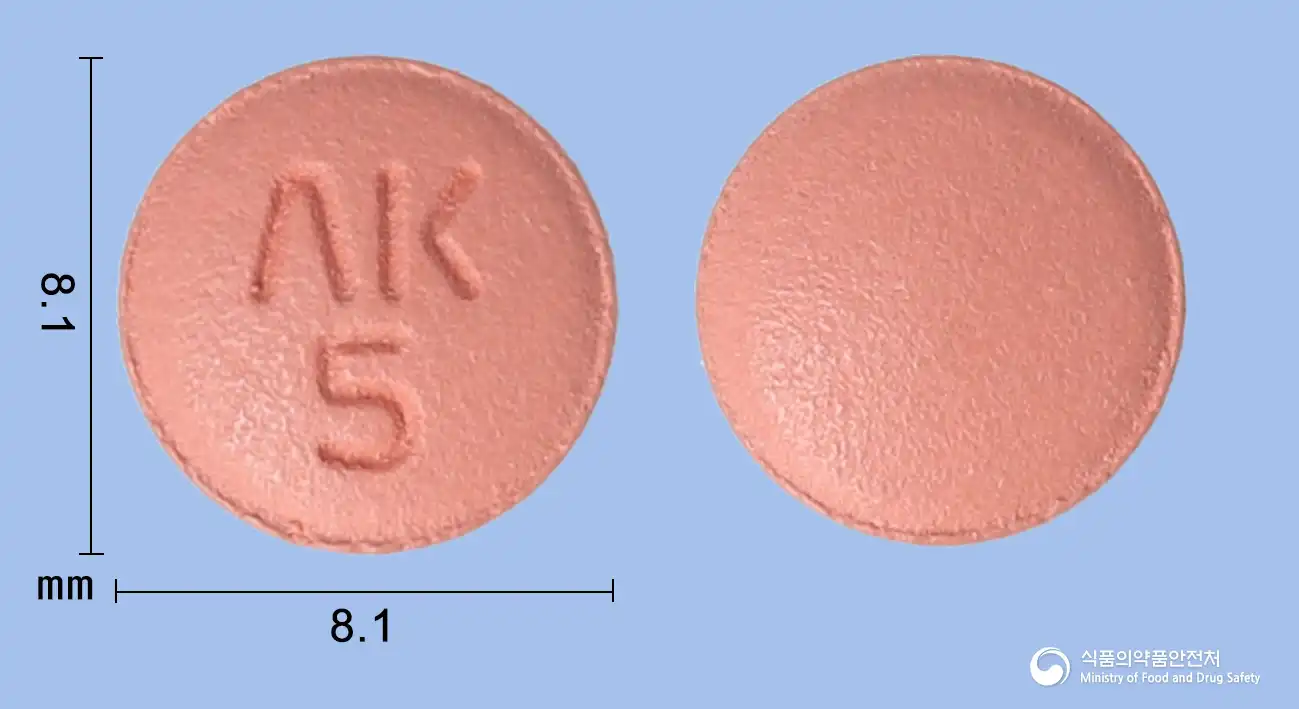
Linagliptin 5mg
Tablet · Prescription medication
Albozen Korea Co., Ltd.
Linagliptin 5mg
Tablet · Prescription medication
Anguk Pharmaceutical Co., Ltd.
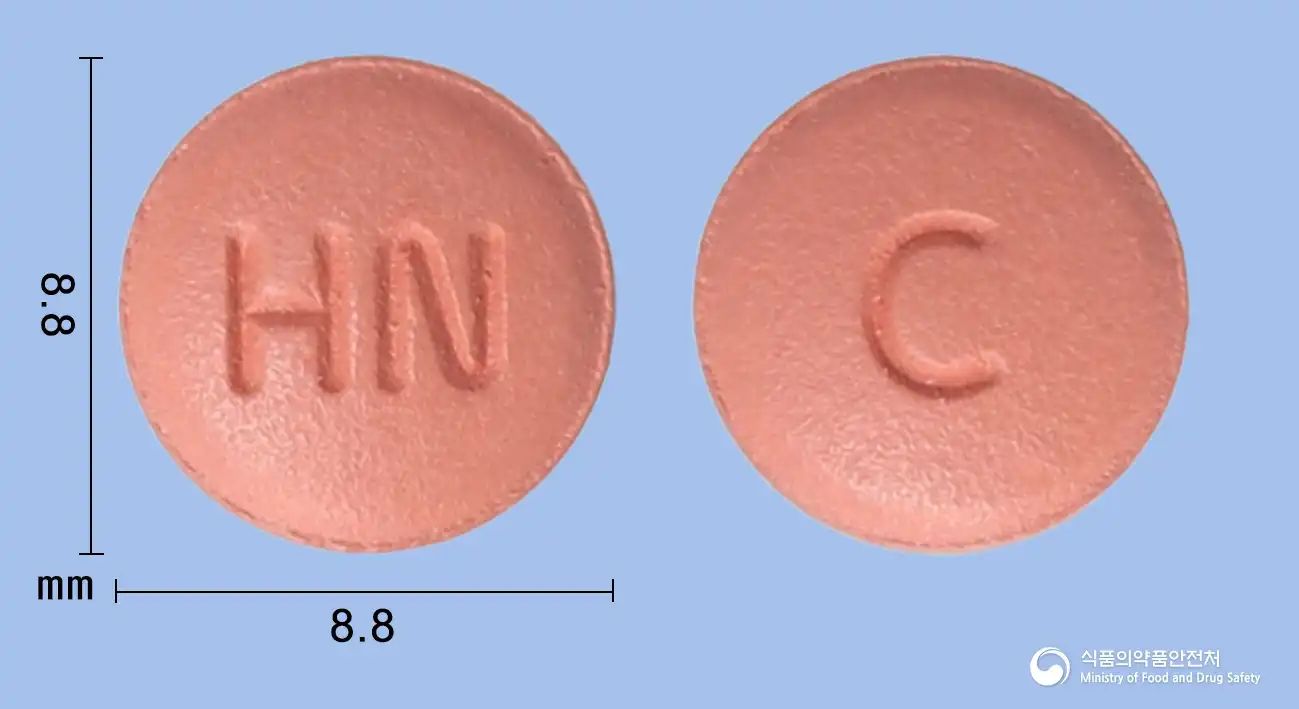
Linagliptin 5mg
Tablet · Prescription medication
Hana Pharmaceutical Co., Ltd.
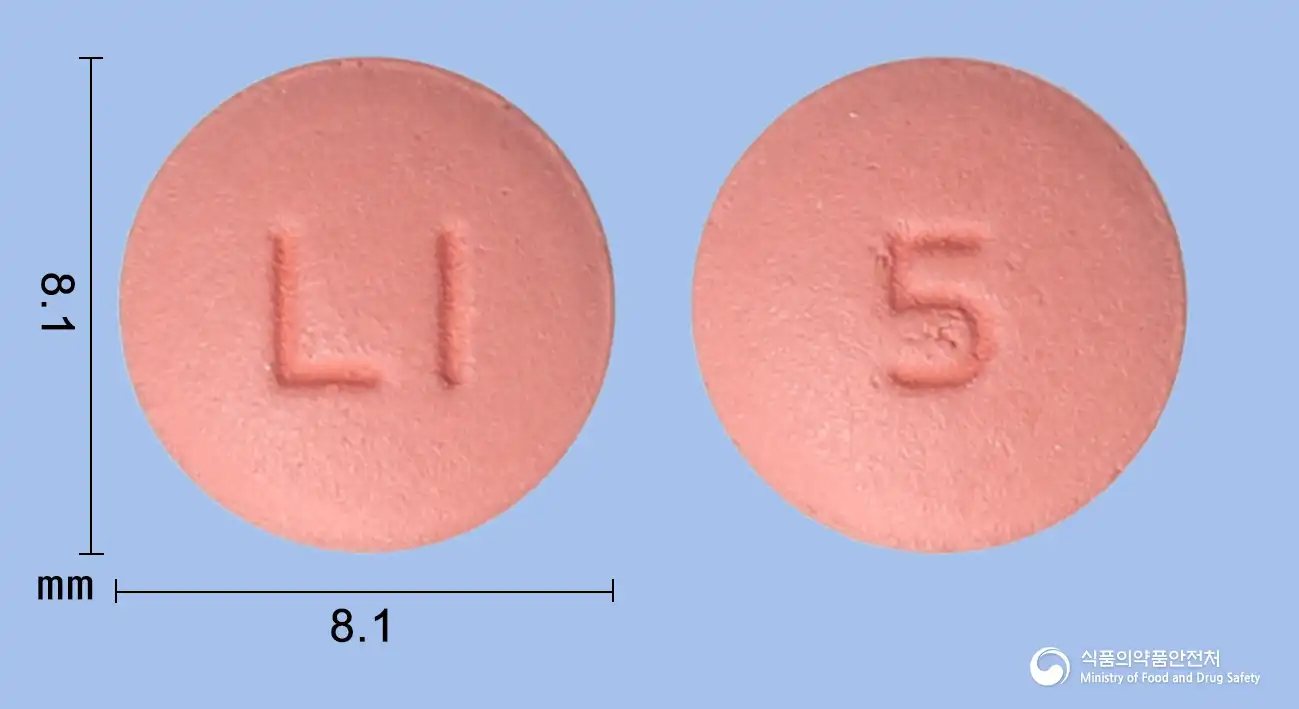
Linagliptin 5mg
Tablet · Prescription medication
Kyungdong Pharmaceutical Co., Ltd.
Even with the same ingredient, the dose and directions can differ by strength and dosage form. Talk to a doctor or pharmacist before switching from a medication you are already taking.
No questions yet.
For anything that needs medical judgment, consult a doctor or pharmacist.
This drug information is based on data provided by the Korea Ministry of Food and Drug Safety.
Consult a doctor or pharmacist for accurate dosage, administration, and usage instructions.