
 한국어
 English
 日本語
 中文(简体)
Dosage form image
Viewing nowZonix Tablet 3 mg (Eszopiclone)
Eszopiclone 3mg
Tablet · Prescription medication
Dongkuk Pharmaceutical Co., Ltd.
MFDS item code 202009151 · Approved 2020.12.23
This product's status changed to Expired on 2025.12.23. It may no longer be sold, so consult a doctor or pharmacist before taking it.
Treatment of insomnia
This medication is used to improve sleep disorders, such as insomnia.
The lowest effective dose of this medicine should be used. The recommended daily dose for adults is 1mg. The dose may be increased to 2-3mg if clinically necessary. Because this medicine may impair driving or other activities requiring full alertness on the day after taking it, take it once immediately before bedtime, allowing at least 7-8 hours between taking the medicine and waking. Do not exceed the recommended dose of 3mg; take it once immediately before bedtime. For elderly or debilitated patients, do not exceed 2mg per day. For patients with severe hepatic impairment or those taking strong CYP3A4 inhibitors, do not exceed 2mg per day (see Interactions). For patients taking central nervous system depressants, dose adjustment may be necessary because of the possibility of additive effects. Taking this medicine with a high-fat/high-calorie meal or immediately after a meal is expected to slow its absorption and reduce its effect on sleep latency.
This medication is a central nervous system depressant, so caution is needed when driving or operating machinery the next day after taking it. In particular, taking a high dose or using it with other central nervous system depressants or alcohol can increase drowsiness or behavioral disturbances. Elderly or frail patients should be more careful, as the risk of falling may increase due to this medication. If insomnia symptoms do not improve after 7-10 days, other conditions may be present, and consultation with a specialist is necessary. Serious allergic reactions such as swelling of the tongue or larynx and difficulty breathing may occur when taking this medication for the first time or during continuous use, so if any abnormal symptoms occur, discontinue use immediately and go to the hospital. Complex sleep behaviors, such as driving or eating while asleep, may occur, and in such cases, use of the medication should be stopped immediately. This medication has a risk of abuse and dependence, so patients with a history of substance abuse should be managed carefully. It should only be taken just before sleeping, as taking it while awake can cause amnesia, hallucinations, dizziness, etc. This medication should not be administered to children under 18 years of age, patients with acute respiratory failure, or patients with certain hereditary lactase deficiency. Elderly or frail patients should take reduced doses, and those with impaired liver or kidney function should also exercise caution. Women who are pregnant or breastfeeding should consult a doctor before taking this medication. Overdose can lead to central nervous system depression, requiring immediate medical attention. This medication must be stored out of reach of children and kept in its original container.
Not everyone experiences these, and they can vary from person to person.
This medication should be stored in a tightly closed container to protect it from air and moisture. Additionally, it is best to store it at a temperature between 1 degree and 30 degrees Celsius. Proper storage will help maintain the medication's effectiveness for a longer period.
Blue round film-coated tablet
Bottle - 30 tablets/bottle, Bottle - 100 tablets/bottle
Even with the same ingredient, strength, dosage form and how it is taken can differ.
Eszopiclone 3mg
Tablet · Prescription medication
Dongkuk Pharmaceutical Co., Ltd.
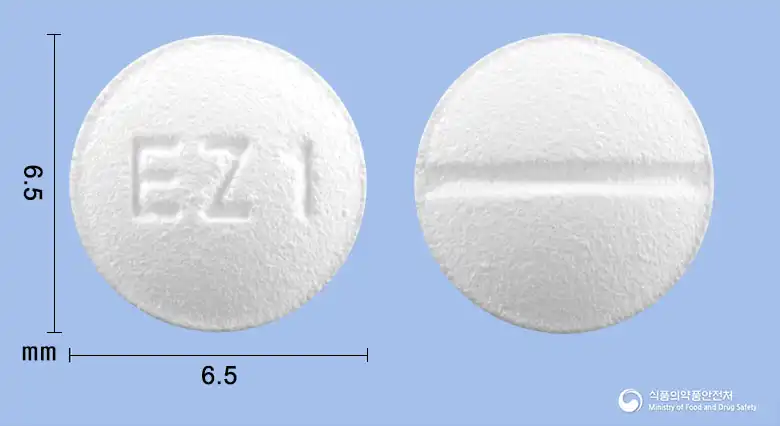
Eszopiclone 1mg
Tablet · Prescription medication
Huons Co., Ltd.
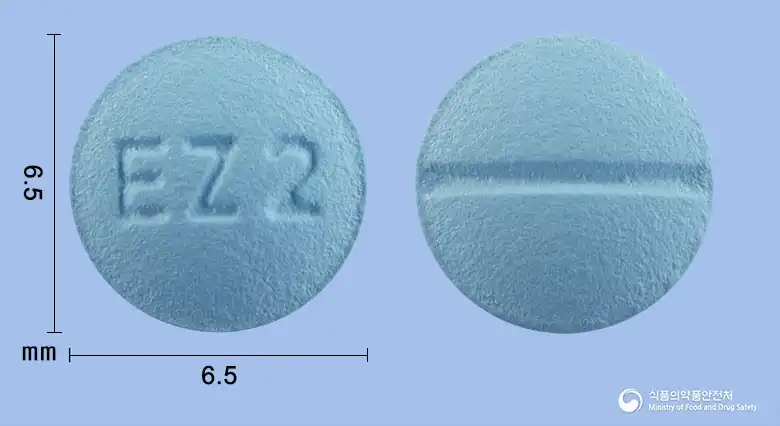
Eszopiclone 2mg
Tablet · Prescription medication
Huons Co., Ltd.
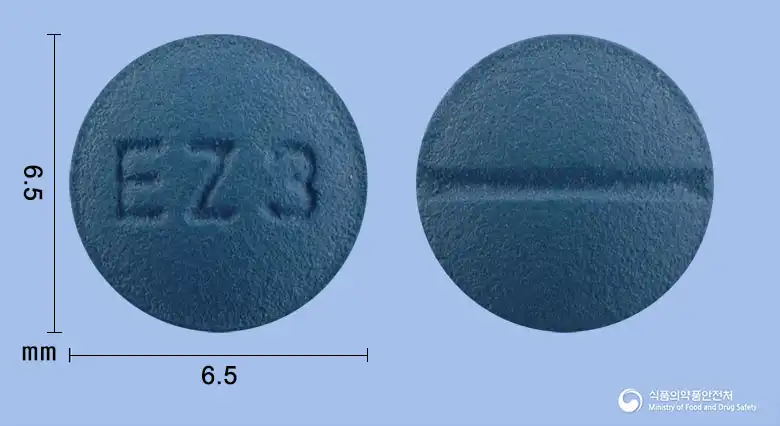
Eszopiclone 3mg
Tablet · Prescription medication
Huons Co., Ltd.
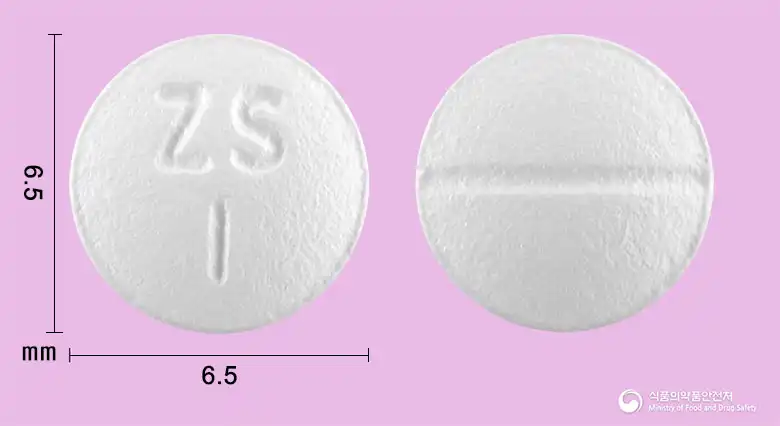
Eszopiclone 1mg
Tablet · Prescription medication
Myongin Pharmaceutical Co., Ltd.
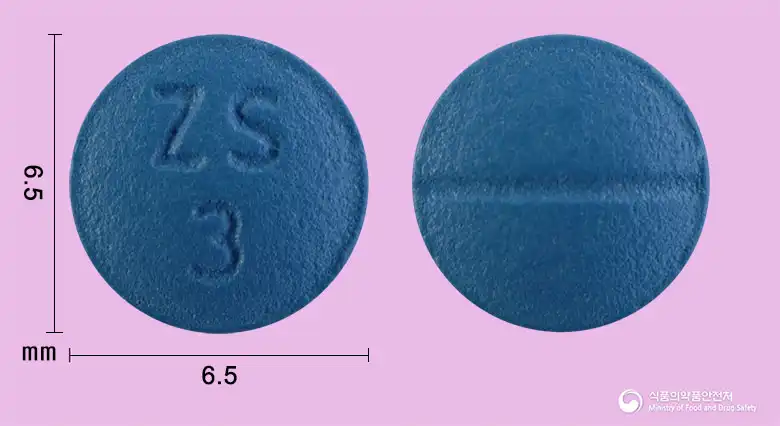
Eszopiclone 3mg
Tablet · Prescription medication
Myungjin Pharmaceutical Co., Ltd.
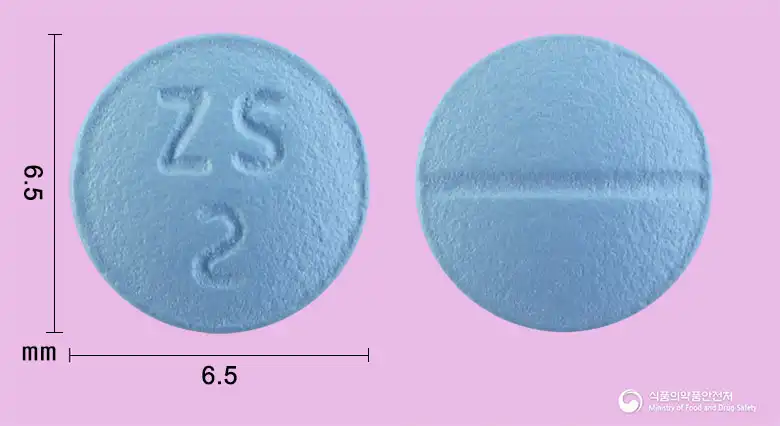
Eszopiclone 2mg
Tablet · Prescription medication
Myungjin Pharmaceutical Co., Ltd.
Eszopiclone 1mg
Tablet · Prescription medication
Hwanin Pharmaceutical Co., Ltd.
Even with the same ingredient, the dose and directions can differ by strength and dosage form. Talk to a doctor or pharmacist before switching from a medication you are already taking.
No questions yet.
For anything that needs medical judgment, consult a doctor or pharmacist.
This drug information is based on data provided by the Korea Ministry of Food and Drug Safety.
Consult a doctor or pharmacist for accurate dosage, administration, and usage instructions.