
 한국어
한국어 English
 日本語
日本語 中文(简体)
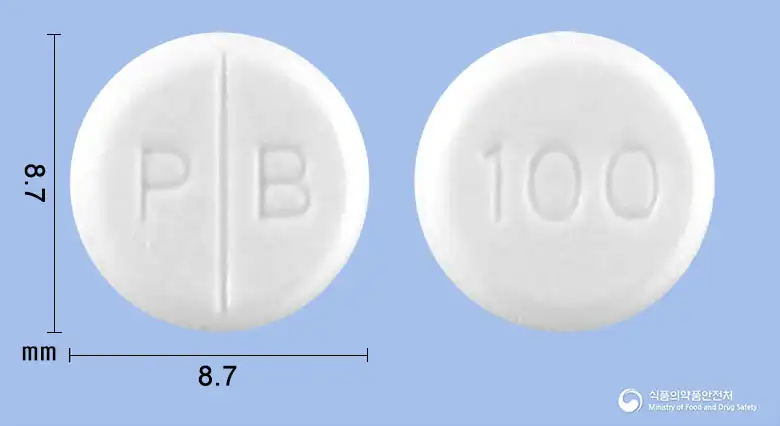 Viewing now
Ursocol 100 mg (Ursodeoxycholic Acid)
Ursodeoxycholic Acid 100mg
Tablet · OTC medication
Korea Pharma Bio Co., Ltd.
MFDS item code 202008802 · Notified 2020.12.15 · Insurance code 659901660
Adjuvant treatment for biliary secretion deficiency liver disease and biliary tract disease, improvement of liver function in chronic liver disease, relief of dyspepsia
This medication is used as an adjunct treatment for liver disease or biliary tract disease due to biliary secretion deficiency. It also helps improve liver function impaired by chronic liver disease. It is effective in relieving dyspepsia caused by post-surgical complications of small bowel resection or inflammatory bowel conditions. Overall, it supports the functions of the liver and small intestine, helping in the recovery of health.
As ursodeoxycholic acid, take 50-100 mg per dose, three times a day.
This medication should not be taken by individuals allergic to specific ingredients. If there is severe biliary obstruction, this medication may worsen symptoms, thus it should be avoided. Patients with acute hepatitis should also avoid this medication as symptoms may worsen. If there are calcified gallstones that are not easily visible on imaging, it is better not to use this medication. Patients without gallbladder function or those with acute cholecystitis should not take this medication. Women who are pregnant, potentially pregnant, or breastfeeding should not take this medication. Children are advised not to take this medication. Patients with kidney disease should exercise caution and consult with a specialist before use. Patients with acute gastric or duodenal ulcers should avoid this medication as it may irritate the mucosa and worsen symptoms. Patients with colitis or ileitis, such as Crohn's disease, should also avoid taking this medication. This medication contains lactose, so patients with lactose intolerance or certain genetic metabolic disorders should not take it. During treatment with this medication, caution should be exercised when taking certain drugs like oral hypoglycemics as the effect may be enhanced. Cholestyramine, colestipol, medicinal carbon, magnesium, and aluminum hydroxide-containing antacids should not be taken as they can impede the absorption of this medication. Using estrogen-containing oral contraceptives or lipid-lowering medications may promote gallstone formation and decrease the effectiveness of this medication. It is advisable to avoid using this medication with drugs that can cause liver damage. Patients with severe pancreatic disease or gallstones in the bile duct should consult with a physician or pharmacist before taking this medication. Also, consult with a specialist if there is esophageal variceal bleeding, hepatic coma, ascites, or a condition requiring urgent liver transplantation. During use, gastrointestinal symptoms such as diarrhea, nausea, vomiting, abdominal pain, constipation, or heartburn may occur, along with hypersensitivity reactions such as itching or rash. If symptoms like fever, cough, or difficulty breathing occur, it may indicate interstitial pneumonia; instantly stop taking and consult a specialist. Rarely, symptoms like fatigue, dizziness, calcification of gallstones, elevated liver enzymes, or leukopenia may occur; caution is advised. Regular liver function tests should be conducted during treatment, and dosage adjustments or additional tests should be performed as necessary. Elderly patients typically have diminished bodily functions, so appropriate dosage adjustments may be needed during use. Dissolution therapy for gallstones usually takes about 6 months to 2 years, so undergoing imaging checks every 6 months to confirm treatment effectiveness is recommended.
Fever, cough, difficulty breathing, and interstitial pneumonia accompanied by abnormal chest X-rays
Diarrhea, nausea, vomiting, abdominal pain, constipation, heartburn, discomfort in the upper abdomen, itching, rash, general fatigue, dizziness, calcification of gallstones, increased liver enzyme levels (ALT, ALP, AST, γ-GT), leukopenia
Not everyone experiences these, and they can vary from person to person.
This medication may interact with oral hypoglycemics (such as tolbutamide), cholestyramine, colestipol, medicinal carbon, magnesium, and aluminum hydroxide-containing antacids. Do not take with medications that increase cholesterol secretion into bile, such as estrogen-containing oral contraceptives or lipid-lowering agents like clofibrate. It is also advisable to avoid taking this medication with drugs that can harm the liver.
This medication may be sensitive to air or moisture, so it should be stored in a sealed container. It is best to maintain storage temperatures between 1 and 30 degrees Celsius to preserve the medication's effectiveness over time.
White circular tablets
Bottle packaging - 30 tablets/bottle, Bottle packaging - 300 tablets/bottle
Even with the same ingredient, strength, dosage form and how it is taken can differ.
Viewing nowUrsodeoxycholic Acid 100mg
Tablet · OTC medication
Korea Pharma Bio Co., Ltd.
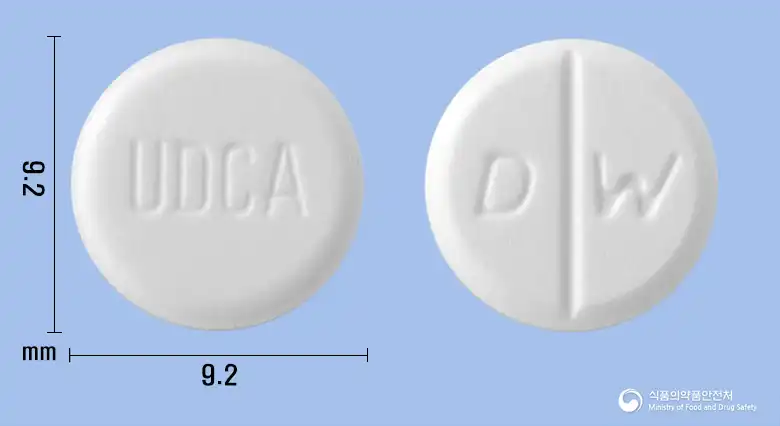
Ursodeoxycholic Acid 100mg
Tablet · OTC medication
DAEWOONG PHARMACEUTICAL CO., LTD.
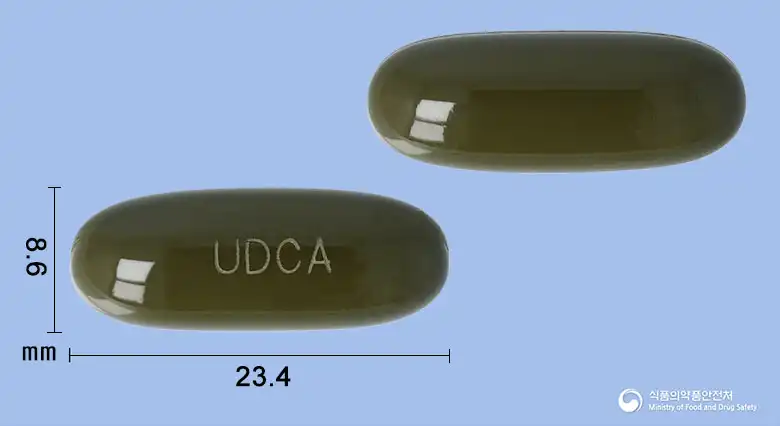
Ursodeoxycholic Acid 100mg
Soft capsule · OTC medication
DAEWOONG PHARMACEUTICAL CO., LTD.
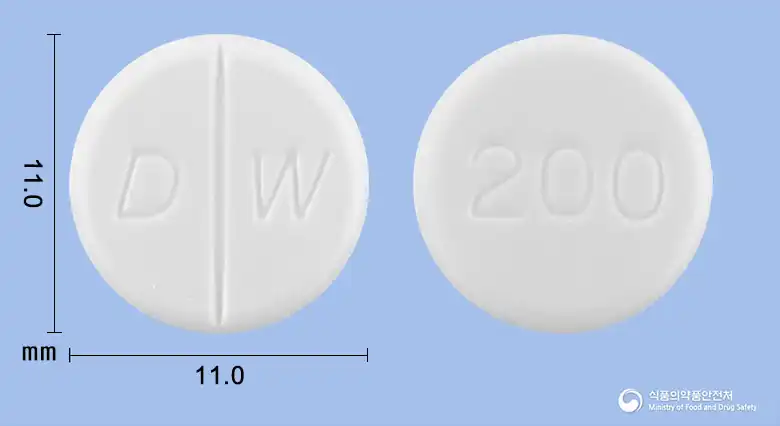
Ursodeoxycholic Acid 200mg
Tablet · Prescription medication
(Daiwoo Pharmaceutical Co., Ltd.)
Ursodeoxycholic Acid 250mg
Hard capsule · Prescription medication
Daewoong Pharmaceutical Co., Ltd.
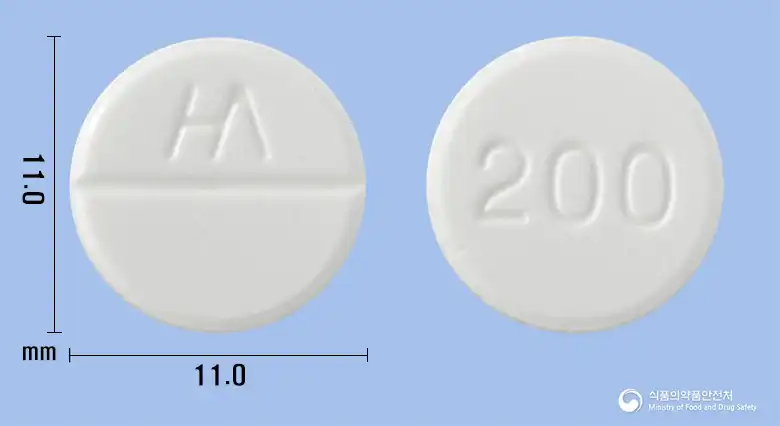
Ursodeoxycholic Acid 200mg
Tablet · Prescription medication
Hanol Biopharma Co., Ltd.
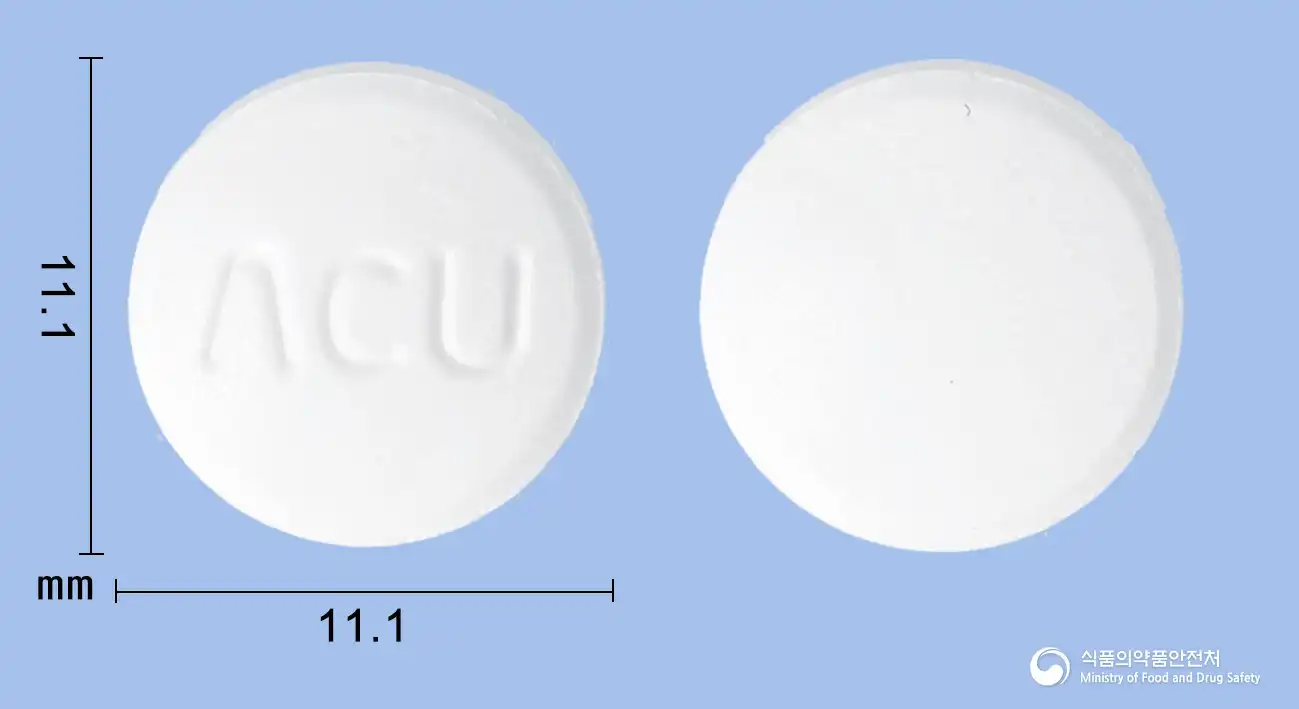
Ursodeoxycholic Acid 300mg
Tablet · Prescription medication
Allico Pharmaceutical Co., Ltd.
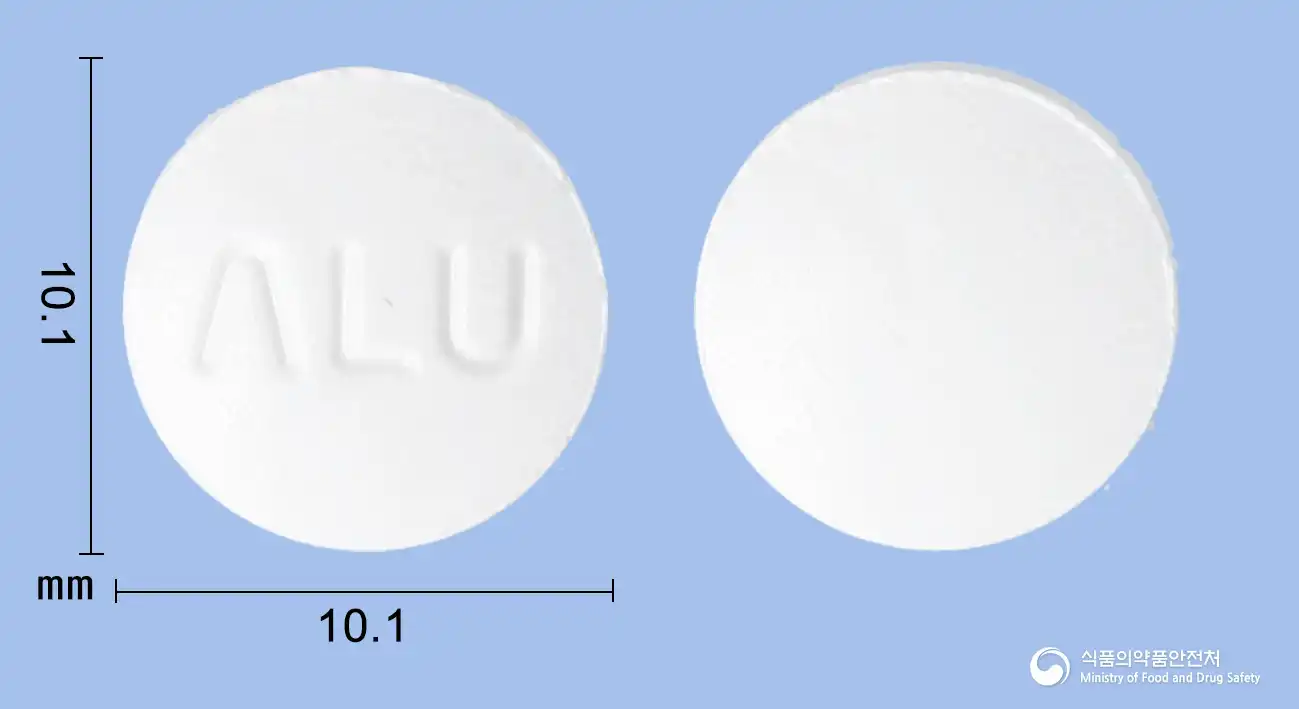
Ursodeoxycholic Acid 200mg
Tablet · Prescription medication
Allico Pharmaceutical Co., Ltd.
Even with the same ingredient, the dose and directions can differ by strength and dosage form. Talk to a doctor or pharmacist before switching from a medication you are already taking.
QIn what situations is this medication taken?
Answers 1 · 2026.09.14
QI am on estrogen medication; can I take this together?
Answers 1 · 2026.09.14
For anything that needs medical judgment, consult a doctor or pharmacist.
This drug information is based on data provided by the Korea Ministry of Food and Drug Safety.
Consult a doctor or pharmacist for accurate dosage, administration, and usage instructions.