
 한국어
한국어 English
 日本語
日本語 中文(简体)
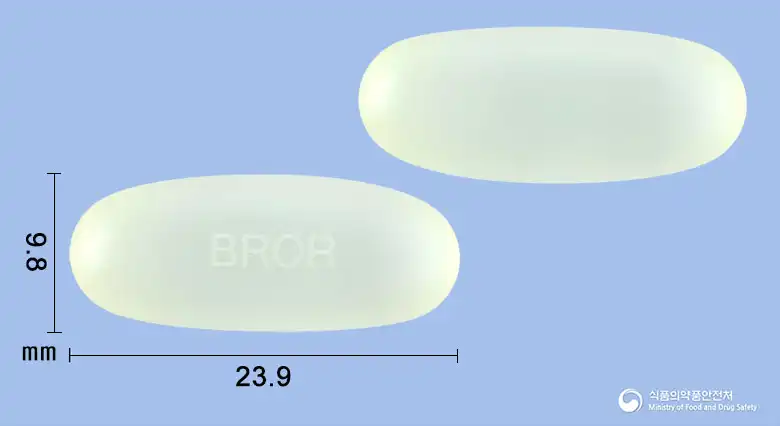 Viewing nowCombination
TotalSant Soft Capsule (Rosuvastatin, Omega-3 Acid Ethyl Ester 90)
Omega-3-Acid Ethyl Esters 90 1000mg · Rosuvastatin Calcium 5.2mg
Soft capsule · Prescription medication · Combination
Boryung Co., Ltd.
MFDS item code 202008414 · Approved 2020.12.01 · Insurance code 641907740
Control of LDL cholesterol and treatment of dyslipidemia in high-risk adults with coronary artery disease.
Rosuvastatin effectively lowers LDL cholesterol levels in high-risk patients with coronary artery disease, helping to reduce the risk of cardiovascular diseases. However, it may have limited effectiveness in controlling triglyceride levels in patients with mixed dyslipidemia and high triglyceride levels. This medication is primarily focused on LDL cholesterol control and is used for the prevention of cardiovascular complications.
This medication is administered only to adults, taken once daily with meals to avoid gastrointestinal discomfort, in a dose of 2-4 capsules (1,000 mg of Omega-3 acid ethyl ester/5 mg of Rosuvastatin per capsule).
This medication should not be used in patients allergic to its components. It should not be administered to patients with active liver disease or severe liver dysfunction. Patients with muscle disorders or myalgia should not use this medication. It may be dangerous when taken with the immunosuppressant cyclosporine, so it should be avoided. Patients with severely impaired renal function, especially those with a creatinine clearance of less than 30 mL/min, should not use this medication. Pregnant or breastfeeding women should not take this medication, and women of childbearing age should use appropriate methods to prevent pregnancy. Patients at higher risk for developing myopathy, such as those with moderate to severe impaired renal function, hypothyroidism, family history of muscle disorders, or those who are alcohol-dependent, should use caution regarding the dosage. Children under 18 years have not had the safety and effectiveness of this drug confirmed, and thus, it should not be used. Patients who consume excessive alcohol or have a history of liver disease should undergo periodic liver function tests before and during the medication use. Any symptoms such as myalgia, muscle weakness, or cramps should be reported to a physician immediately, and blood tests may be necessary to check for muscle damage. The use of this medication should be discontinued in cases of severe trauma, surgery, or acute illnesses such as serious infections. The risk of muscle damage may increase when used in combination with certain other drugs, so consult with a physician about concomitant medications. It is important to periodically check liver function and muscle enzyme levels through blood tests while taking this medication. Use during pregnancy may pose risks to the fetus, so it should be strictly avoided, and its safety during breastfeeding has also not been established, therefore it should not be used during this period. Caution is advised as the safety and effectiveness of this drug has not been thoroughly studied in children or the elderly. In the event of an overdose, as there is no specific antidote, treatment should be based on symptoms, and liver function and muscle enzyme tests may be necessary. This medication should be stored out of reach of children, and care should be taken to maintain its quality as transferring it to another container may affect its quality.
Hives, severe swelling (edema), chest tightness, difficulty breathing, cold sweat, pallor, severe rash with high fever, blisters, skin peeling, pain in the mucous membranes of the mouth/eyes, shortness of breath or difficulty breathing, asthma attacks, respiratory distress with cough and fever, jaundice (yellowing of skin or eyes), extreme fatigue, sudden and severe headache, thunderclap headache, seizures, confusion, vision disturbances, paralysis, oliguria.
Not everyone experiences these, and they can vary from person to person.
This medication should be stored in a tightly closed container to prevent exposure to air and moisture, and it is best kept at room temperature between 1 to 30 degrees Celsius. By storing it this way, the effectiveness of the drug can be maintained for a longer period.
An oval soft capsule filled with a yellowish oily substance, coated in white film.
100 capsules/box [(10 capsules/PTP x 10)]
Even with the same ingredient, strength, dosage form and how it is taken can differ.
Viewing nowCombinationOmega-3-Acid Ethyl Esters 90 1000mg · Rosuvastatin Calcium 5.2mg
Soft capsule · Prescription medication · Combination
Boryung Co., Ltd.
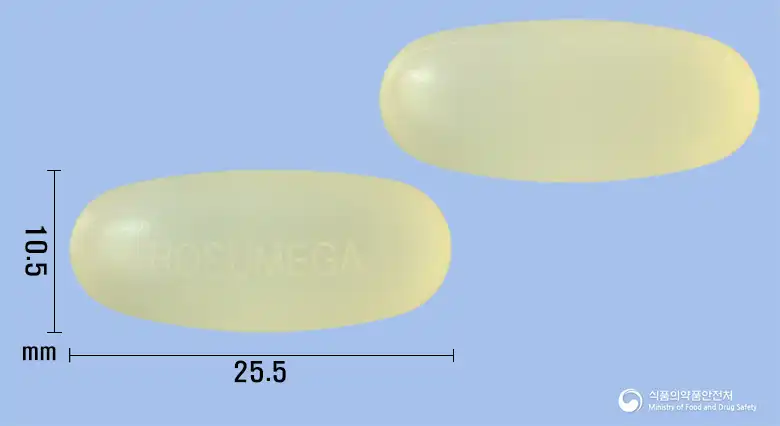 Combination
Omega-3-Acid Ethyl Esters 90 1000mg · Rosuvastatin Calcium 5.2mg
Soft capsule · Prescription medication · Combination
Gunil Pharmaceutical Co., Ltd.
 Combination
Omega-3-Acid Ethyl Esters 90 · Rosuvastatin Calcium
Soft capsule · Prescription medication · Combination
Hana Pharmaceutical Co., Ltd.
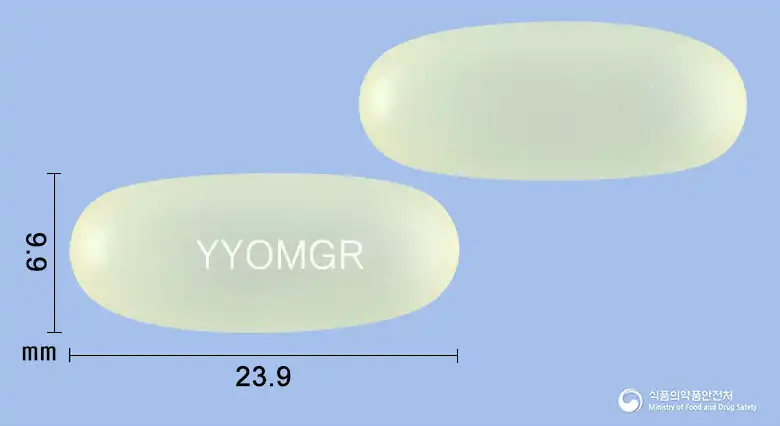 Combination
Omega-3-Acid Ethyl Esters 90 1000mg · Rosuvastatin Calcium 5.2mg
Soft capsule · Prescription medication · Combination
Yuyu Pharmaceutical Co., Ltd.
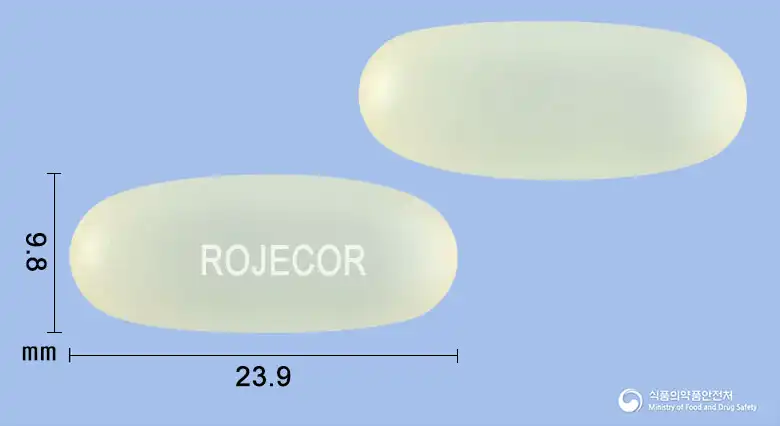 Combination
Omega-3-Acid Ethyl Esters 90 1000mg · Rosuvastatin Calcium 5.2mg
Soft capsule · Prescription medication · Combination
Jeil Pharmaceutical Co., Ltd.
 Combination
Omega-3-Acid Ethyl Esters 90 1000mg · Rosuvastatin Calcium 5.2mg
Soft capsule · Prescription medication · Combination
Kyungdong Pharmaceutical Co., Ltd.
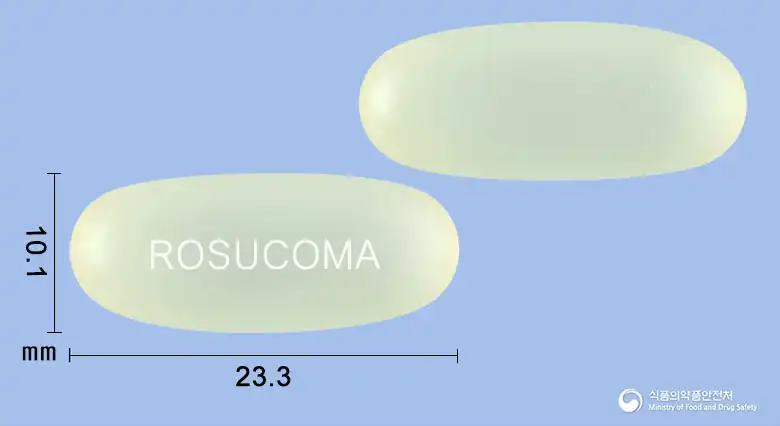 Combination
Omega-3-Acid Ethyl Esters 90 1000mg · Rosuvastatin Calcium 5.2mg
Soft capsule · Prescription medication · Combination
Korea Hutech Pharma Co., Ltd.
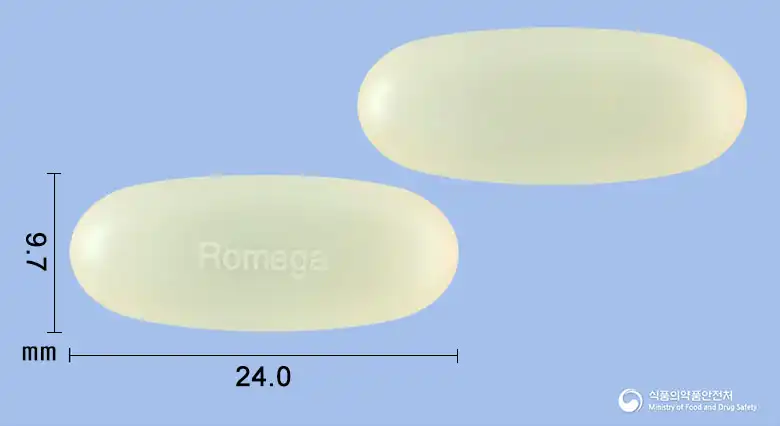 Combination
Omega-3-Acid Ethyl Esters 90 1000mg · Rosuvastatin Calcium 5.2mg
Soft capsule · Prescription medication · Combination
Gunil Biopharm Co., Ltd.
Even with the same ingredient, the dose and directions can differ by strength and dosage form. Talk to a doctor or pharmacist before switching from a medication you are already taking.
No questions yet.
For anything that needs medical judgment, consult a doctor or pharmacist.
This drug information is based on data provided by the Korea Ministry of Food and Drug Safety.
Consult a doctor or pharmacist for accurate dosage, administration, and usage instructions.