
 한국어
 English
 日本語
 中文(简体)
Dosage form image
Viewing nowDaewoong Bio Ursodeoxycholic Acid Tablet 200 mg
Ursodeoxycholic Acid 200mg
Tablet · Prescription medication
Daewoong Bio Co., Ltd.
MFDS item code 202008118 · Notified 2020.11.23
This product's status changed to Expired on 2025.11.23. It may no longer be sold, so consult a doctor or pharmacist before taking it.
Improvement of liver function in liver disease; treatment of cholesterol gallstones
This medication helps treat cholesterol gallstones and improves liver function due to primary biliary cholangitis. It is also used to enhance liver function in patients with chronic hepatitis C.
Cholesterol gallstones: Adults: Administer (take) 200-250 milligrams of ursodeoxycholic acid per dose orally 3 times daily. Primary biliary cirrhosis: Adults: Administer (take) 200-300 milligrams of ursodeoxycholic acid per dose orally 3 times daily with meals. Chronic hepatitis C: Adults: Administer (take) 200 milligrams of ursodeoxycholic acid per dose orally 3 times daily. If necessary, the dose may be increased to 300 milligrams per dose 3 times daily.
This medication should not be taken by individuals who are allergic to certain ingredients. In cases of severe obstruction in the bile duct, this medication may worsen symptoms, so it should be avoided. Patients with acute hepatitis may also experience worsening symptoms when taking this medication. It should not be used if there are gallstones that do not show up well on radiographs or if there is a non-functioning gallbladder. Pregnant or breastfeeding women and children should not take this medication. Patients with kidney disease or peptic ulcer should also use this medication with caution. If there are inflammatory bowel diseases like Crohn's disease, it should be avoided. This medication contains lactose, and individuals with lactose intolerance or related genetic disorders should not take it. It is advisable not to take this medication along with certain diabetes drugs, antacids, lipid-lowering medications, etc. It should not be taken with any medications that can cause liver damage. Patients with severe pancreatic disease or gallstones in the bile duct, as well as those with serious liver diseases, should consult a healthcare provider before taking this medication. If gastrointestinal symptoms, skin rash, or breathing difficulties occur while taking this medication, discontinue use immediately and consult a specialist. Regular liver function tests should be conducted, and if symptoms worsen, promptly inform the healthcare provider. Elderly patients may need dose adjustments due to declining physical function. Dissolving gallstones can take a long time, so regular check-ups are necessary to monitor treatment progress. This medication should be kept out of the reach of children and stored tightly closed in its original container.
Not everyone experiences these, and they can vary from person to person.
This medication should be stored in a tightly closed container to protect it from air and moisture. It is also safe to store it at room temperature between 1 and 30 degrees Celsius.
White round tablet
500 tablets/bottle, 10 tablets/bottle, 100 tablets/box [(10 tablets/PTP)x10]
Even with the same ingredient, strength, dosage form and how it is taken can differ.
Ursodeoxycholic Acid 200mg
Tablet · Prescription medication
Daewoong Bio Co., Ltd.
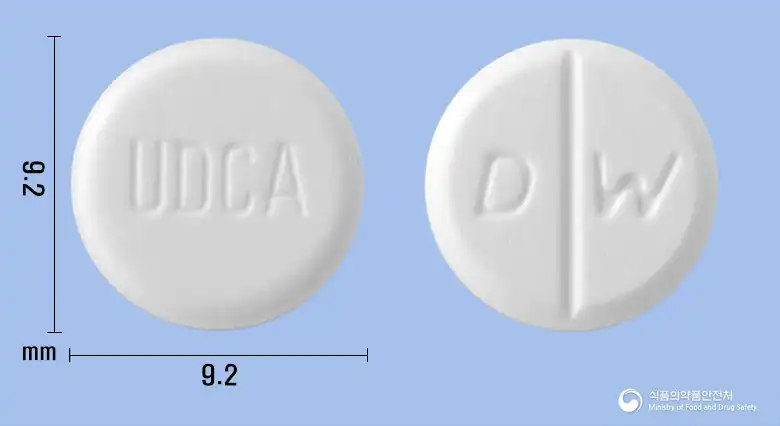
Ursodeoxycholic Acid 100mg
Tablet · OTC medication
DAEWOONG PHARMACEUTICAL CO., LTD.
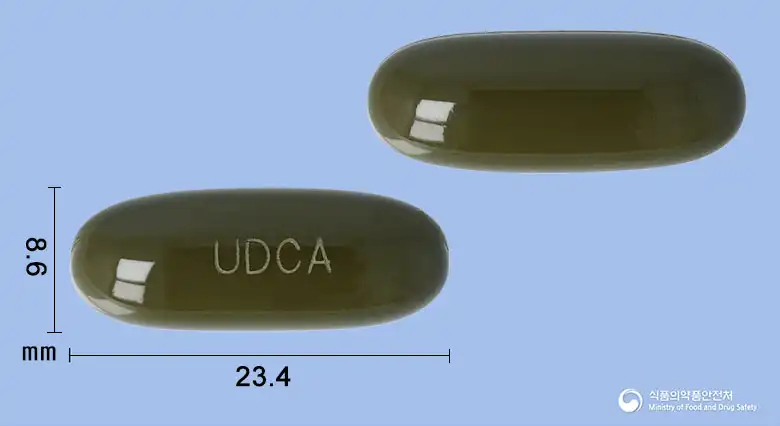
Ursodeoxycholic Acid 100mg
Soft capsule · OTC medication
DAEWOONG PHARMACEUTICAL CO., LTD.
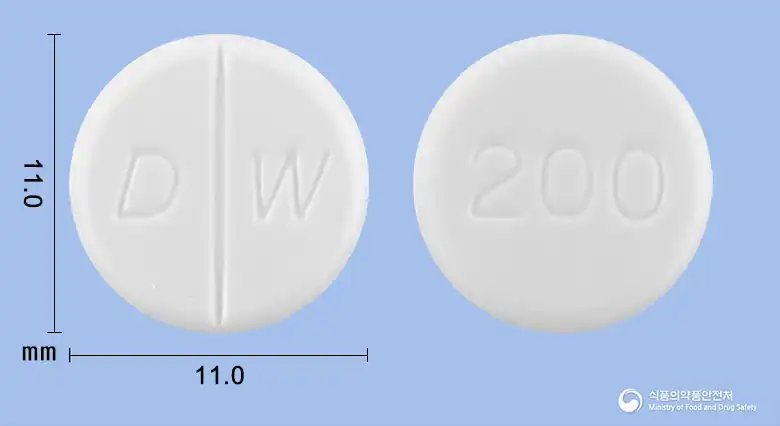
Ursodeoxycholic Acid 200mg
Tablet · Prescription medication
(Daiwoo Pharmaceutical Co., Ltd.)
Ursodeoxycholic Acid 250mg
Hard capsule · Prescription medication
Daewoong Pharmaceutical Co., Ltd.
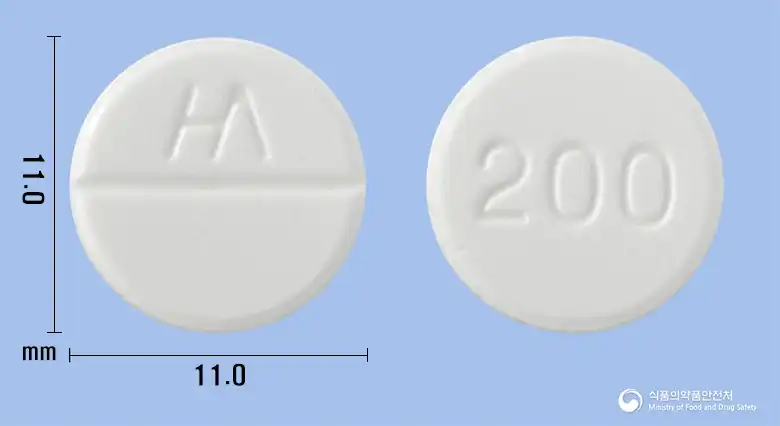
Ursodeoxycholic Acid 200mg
Tablet · Prescription medication
Hanol Biopharma Co., Ltd.
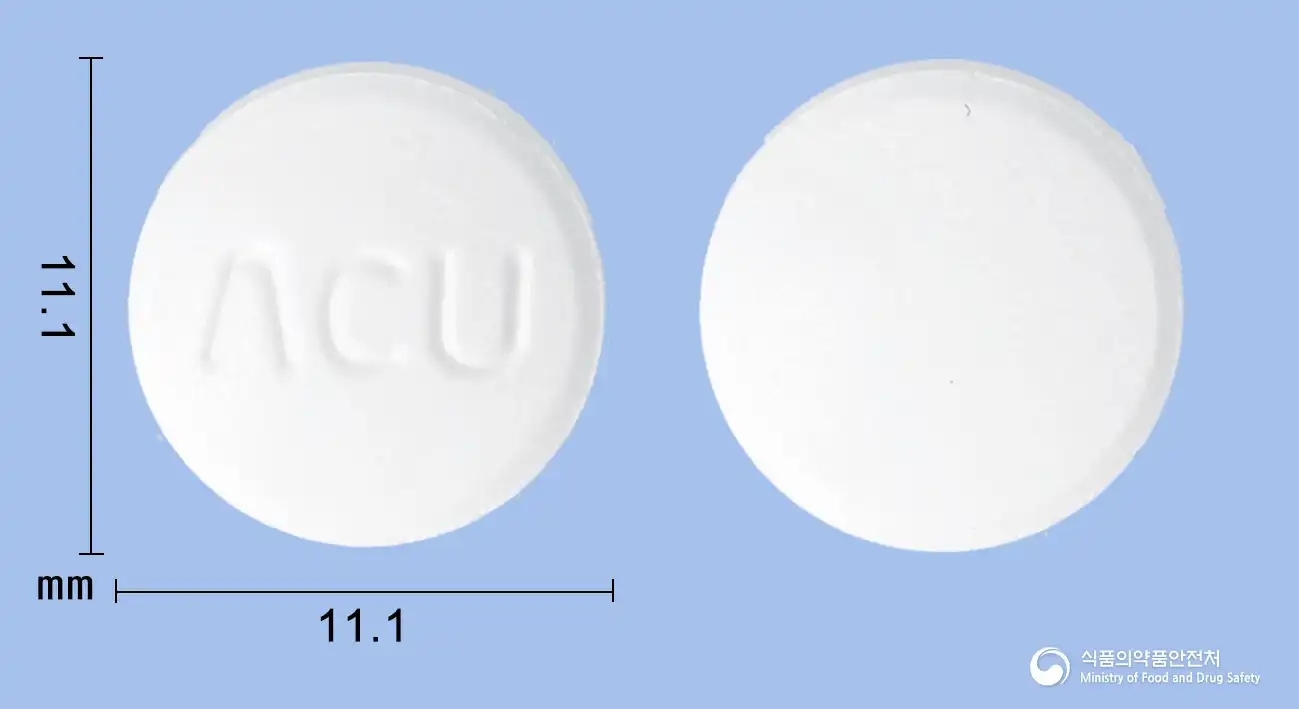
Ursodeoxycholic Acid 300mg
Tablet · Prescription medication
Allico Pharmaceutical Co., Ltd.
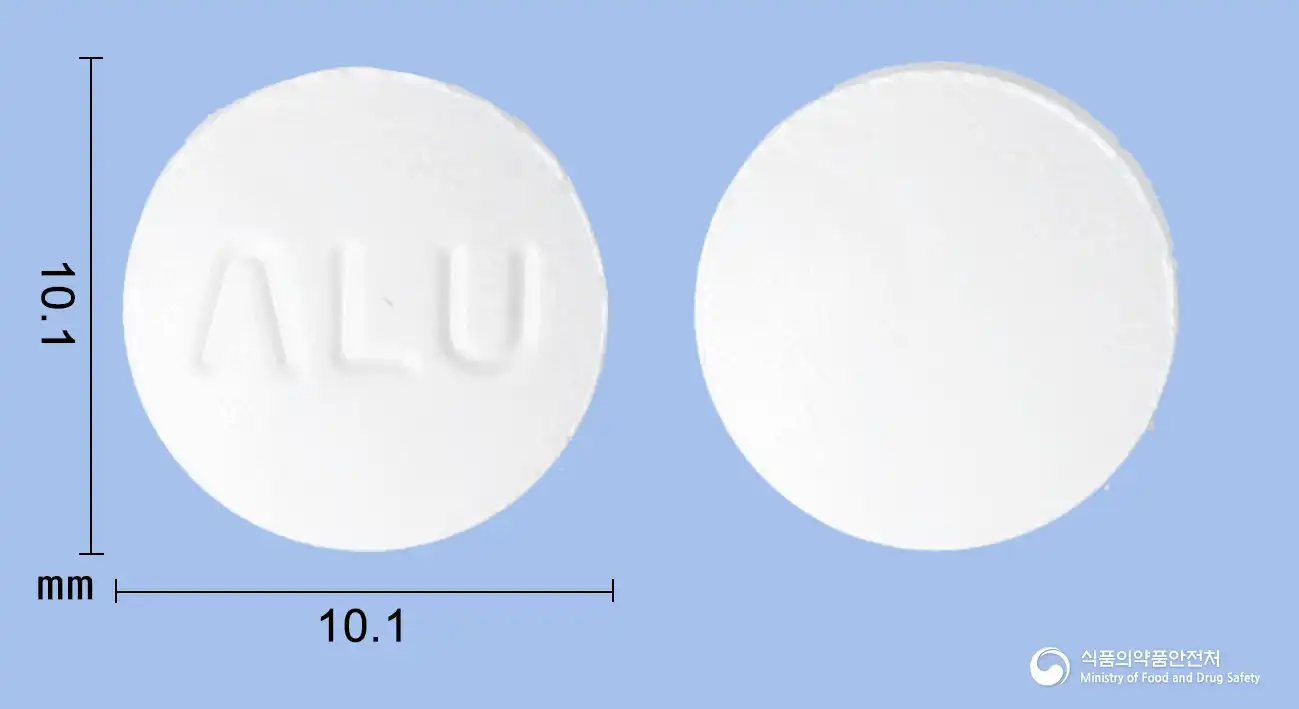
Ursodeoxycholic Acid 200mg
Tablet · Prescription medication
Allico Pharmaceutical Co., Ltd.
Even with the same ingredient, the dose and directions can differ by strength and dosage form. Talk to a doctor or pharmacist before switching from a medication you are already taking.
No questions yet.
For anything that needs medical judgment, consult a doctor or pharmacist.
This drug information is based on data provided by the Korea Ministry of Food and Drug Safety.
Consult a doctor or pharmacist for accurate dosage, administration, and usage instructions.