
 한국어
 English
 日本語
 中文(简体)
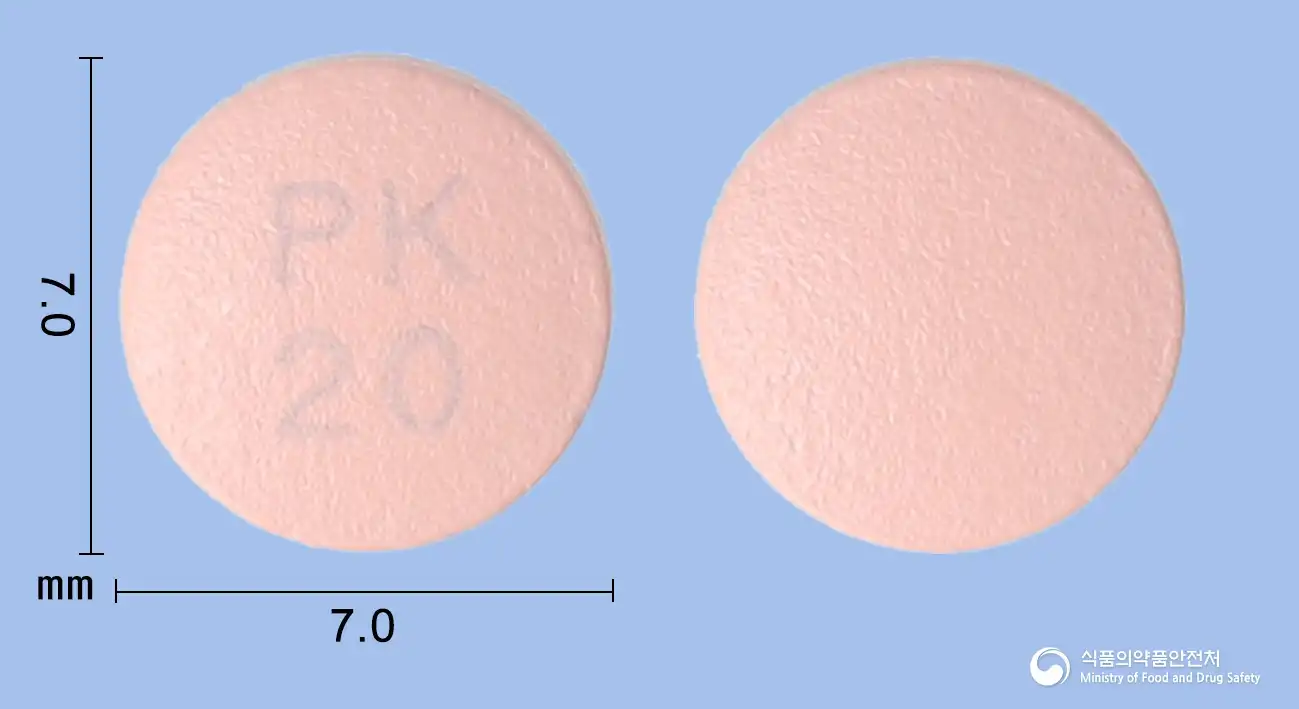 Viewing now
Tenegliptin 20 mg Tablet (Tenegliptin Hydrochloride Hydrate)
Teneligliptin Hydrochloride Hydrate 26mg
Tablet · Prescription medication
Korea PAVIS Pharmaceutical Co., Ltd.
MFDS item code 202007625 · Approved 2020.11.05 · Insurance code 621804180
Improvement of glycemic control in patients with type 2 diabetes mellitus
This medication is used to assist in blood sugar control for patients with type 2 diabetes. It supports dietary and exercise therapy and can be used alone or in combination with other medications to enhance therapeutic effect. This helps improve blood sugar levels and aids in diabetes management.
The recommended dose of this medicine, whether used as monotherapy or in combination therapy, is 20 mg once daily. It may be taken regardless of meals. When administered with a sulfonylurea, consider reducing the sulfonylurea dose to reduce the risk of hypoglycemia. No dosage adjustment is necessary in patients with renal impairment. No dosage adjustment is necessary in patients with mild to moderate hepatic impairment.
This medication is used for the treatment of diabetes and should not be administered to certain patients. It should not be used in patients who are allergic to the active ingredient or any other components. Additionally, it is not appropriate for patients with diabetic ketoacidosis, coma, or those with type 1 diabetes who need rapid blood sugar control. Patients with severe infections or those who have undergone surgery or experienced severe trauma may require insulin injections, so it is advised not to administer this medication. The safety of this medication has not been established in patients with very poor liver function, so it should be used cautiously. Care should be taken when using it in patients with mild to moderate heart failure; it is not recommended for those with severe heart failure. Patients already receiving sulfonylureas or insulin may be at risk for hypoglycemia and should be monitored closely. Patients at high risk of hypoglycemia should be cautious, including those with decreased pituitary or adrenal function, poor nutritional status, irregular eating habits, those who have engaged in vigorous exercise or excessive alcohol consumption. Patients with a history of abdominal surgery or bowel obstruction should also be cautious. Patients with QT interval prolongation or heart disease should avoid this medication, as it may cause QT interval prolongation. Acute pancreatitis has been reported rarely; if severe abdominal pain or vomiting occurs, immediate medical attention should be sought, and the medication should be discontinued if suspected. While using this medication, symptoms of hypoglycemia may occur, so it is important to regularly monitor blood sugar levels and consume sugar-containing foods if hypoglycemic symptoms arise. Particularly, when used in conjunction with other diabetes medications, the risk of hypoglycemia may increase, so caution is advised. Furthermore, this medication may cause severe joint pain or bullous pemphigoid, leading to the formation of blisters on the skin, so if these symptoms occur, immediate consultation with healthcare professionals is necessary. Pregnant or breastfeeding women should carefully consider the use of this medication, and the safety and efficacy in children have not yet been established. Elderly patients should be monitored closely, as their physical functions may be diminished during administration. In case of overdose, gastrointestinal removal of the medication should be performed, and patient status should be monitored with ECG checks, and additional treatment provided if needed. This medication must be kept out of reach of children and caution should be exercised as transferring it to another container may affect its quality. Finally, this medication may interact with other drugs, so it is essential to inform healthcare professionals about any concurrently taken medications, especially those affecting blood sugar or related to heart health, as extra caution is needed.
Hypoglycemia, constipation, intestinal obstruction, liver dysfunction, interstitial pneumonia, dermatitis herpetiformis, acute pancreatitis, dizziness, abdominal distension, abdominal discomfort, nausea, abdominal pain, bloating, stomatitis, gastric polyps, colonic polyps, duodenal ulcer, gastroesophageal reflux disease, diarrhea, appetite loss, amylase elevation, lipase elevation, AST (GOT) elevation, ALT (GPT) elevation, GGT elevation, ALP elevation, proteinuria, ketonuria, potential hematuria, eczema, rash, itching, allergic dermatitis, arthralgia, CK (CPK) elevation, serum potassium concentration elevation, fatigue, allergic rhinitis, serum uric acid elevation, peripheral edema, dyslipidemia, diarrhea, epigastric pain, hepatic steatosis, liver disorder, edema, rash, herpes zoster, limb pain, gastritis, dizziness, upper respiratory tract infection, headache, dyspepsia, chronic gastritis, irritable bowel syndrome, viral upper respiratory tract infection, fatigue, tremors, weakness, hunger, facial edema, nausea, viral upper respiratory tract infection, rhinitis, diaphoresis, diabetic retinopathy, vision loss, cough, pulmonary congestion, dyspnea, drug overdose, benign prostatic hyperplasia, cerebral infarction, hyperglycemia, liver biopsy, neutropenia, abnormal blood sugar, elevated blood sugar, increased blood pressure, poorly differentiated cell type lung carcinoma (stage IV), colorectal cancer, small intestinal adenocarcinoma, malignant lung neoplasm, benign parathyroid tumor, gum cancer, prostate cancer, metastatic thyroid cancer, hepatic coma, lumbar spinal canal stenosis, intervertebral disc protrusion, intervertebral disc disorders, spinal ligament ossification, foraminal stenosis, rotator cuff syndrome, bladder mass, ureteral stones, urinary stones, coronary artery disease, unstable angina, gastroesophageal reflux disease, gastric polyps, gastritis, biliary obstruction, chronic cholecystitis, soft tissue infection, pneumonia, cataract, depression, iliac artery stenosis, dizziness, benign prostatic hyperplasia, knee surgery, dizziness, diabetic neuropathy, headache, paresthesia, muscle weakness, back pain, limb pain, tendinitis, cervical pain, bone pain, osteoarthritis, osteoporosis, muscle spasms, foot deformity, hypertrophic osteoarthritis, bursitis, spinal osteoarthritis, postmenopausal osteoporosis, vomiting, epigastric pain, odontalgia, gastrointestinal motility disorder, gastrointestinal motility reduction, enteritis, toothache, anal discomfort, acquired mixed hyperlipidemia, hypertriglyceridemia, vitamin D deficiency, abnormal weight gain, essential hypertension, orthostatic hypotension, white coat hypertension, hemorrhage, abnormal sputum, toxic hepatitis, non-alcoholic fatty liver disease, alcoholic liver disease, eyelid injury, ligament sprain, lip injury, bruise, urticaria, glaucoma, blurred vision, age-related macular degeneration, hyperthyroidism, hyperparathyroidism, coronary artery disease, unstable angina, angina, otalgia, dizziness, iron deficiency anemia, food allergy
Not everyone experiences these, and they can vary from person to person.
Store this medication in a tightly sealed container to prevent exposure to air or moisture, preferably at a temperature between 1 and 30 degrees Celsius. By doing so, the effectiveness of the medication can be maintained for a longer period.
Pink round film-coated tablet
30 tablets/bottle, 60 tablets/bottle
Even with the same ingredient, strength, dosage form and how it is taken can differ.
Viewing nowTeneligliptin Hydrochloride Hydrate 26mg
Tablet · Prescription medication
Korea PAVIS Pharmaceutical Co., Ltd.
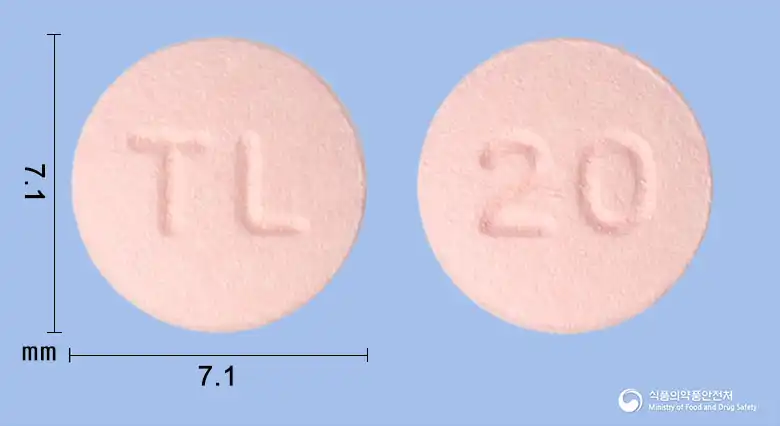
Teneligliptin Hydrochloride Hydrate 25.96mg
Tablet · Prescription medication
Kyungdong Pharmaceutical Co., Ltd.
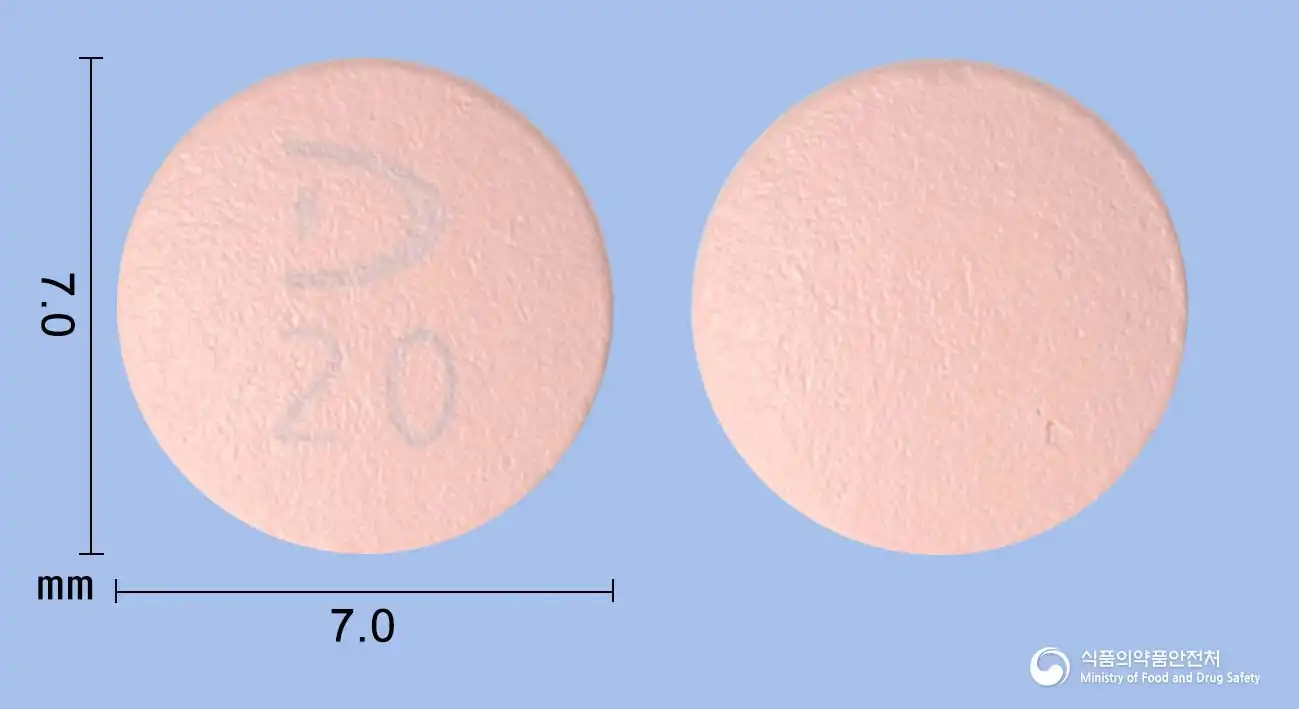
Teneligliptin Hydrochloride Hydrate 26mg
Tablet · Prescription medication
Darim Biotech Co., Ltd.
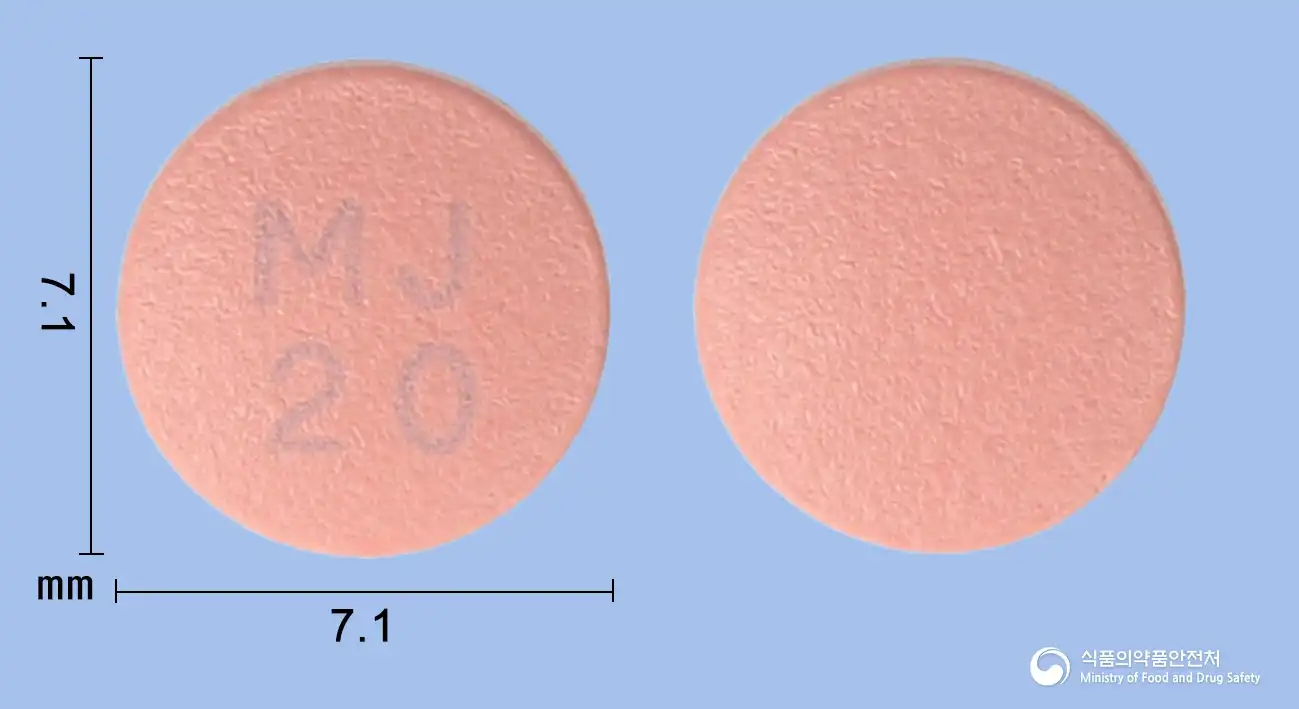
Teneligliptin Hydrochloride Hydrate 26mg
Tablet · Prescription medication
Mothers Pharmaceutical Co., Ltd.
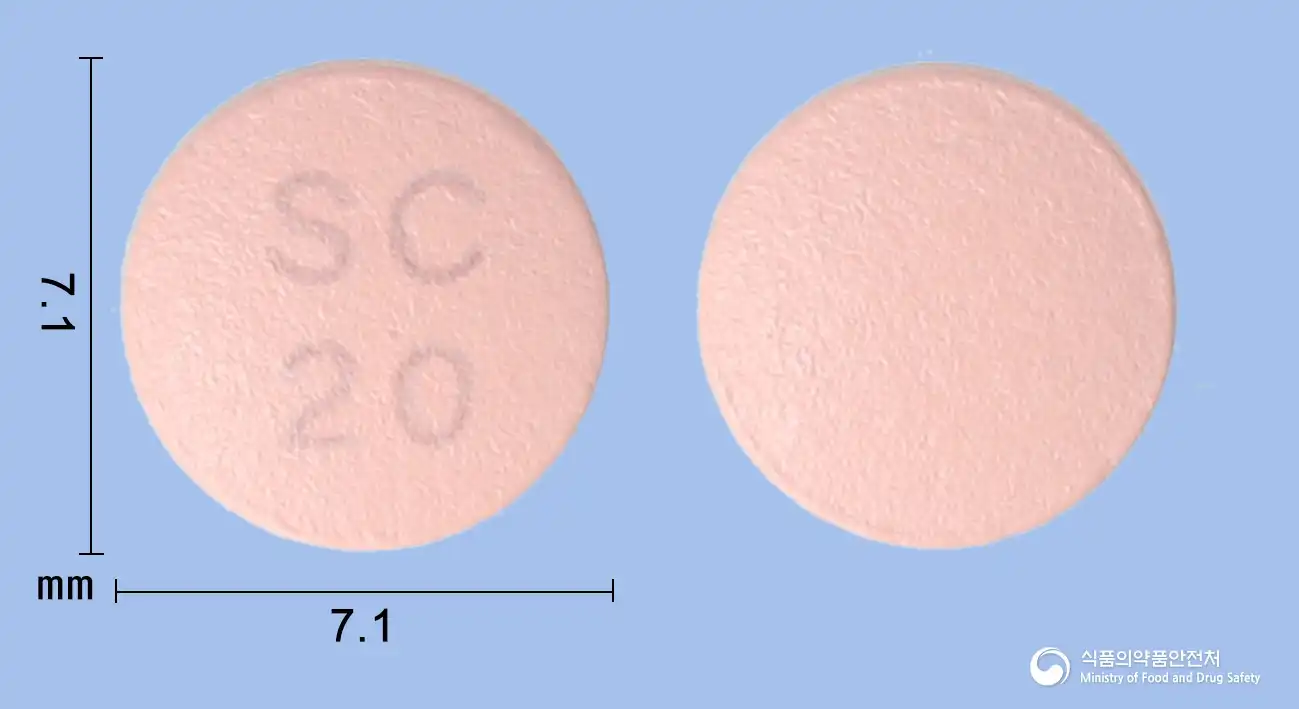
Teneligliptin Hydrochloride Hydrate 26mg
Tablet · Prescription medication
Samchundang Pharmaceutical Co., Ltd.
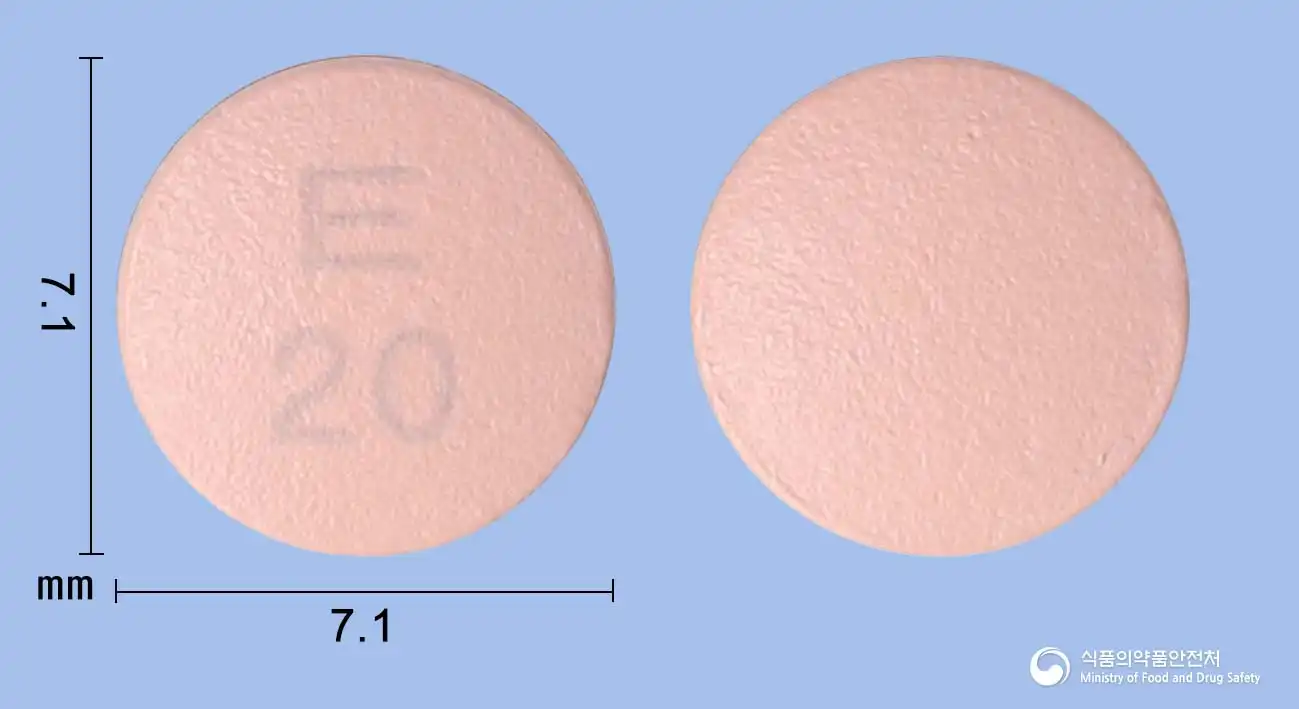
Teneligliptin Hydrochloride Hydrate 26mg
Tablet · Prescription medication
Dongkwang Pharmaceutical Co., Ltd.
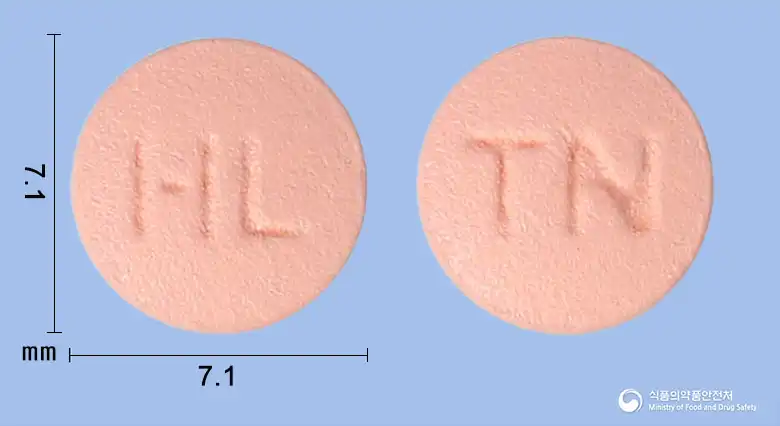
Teneligliptin Hydrochloride Hydrate 26mg
Tablet · Prescription medication
Hanlim Pharmaceutical Co., Ltd.
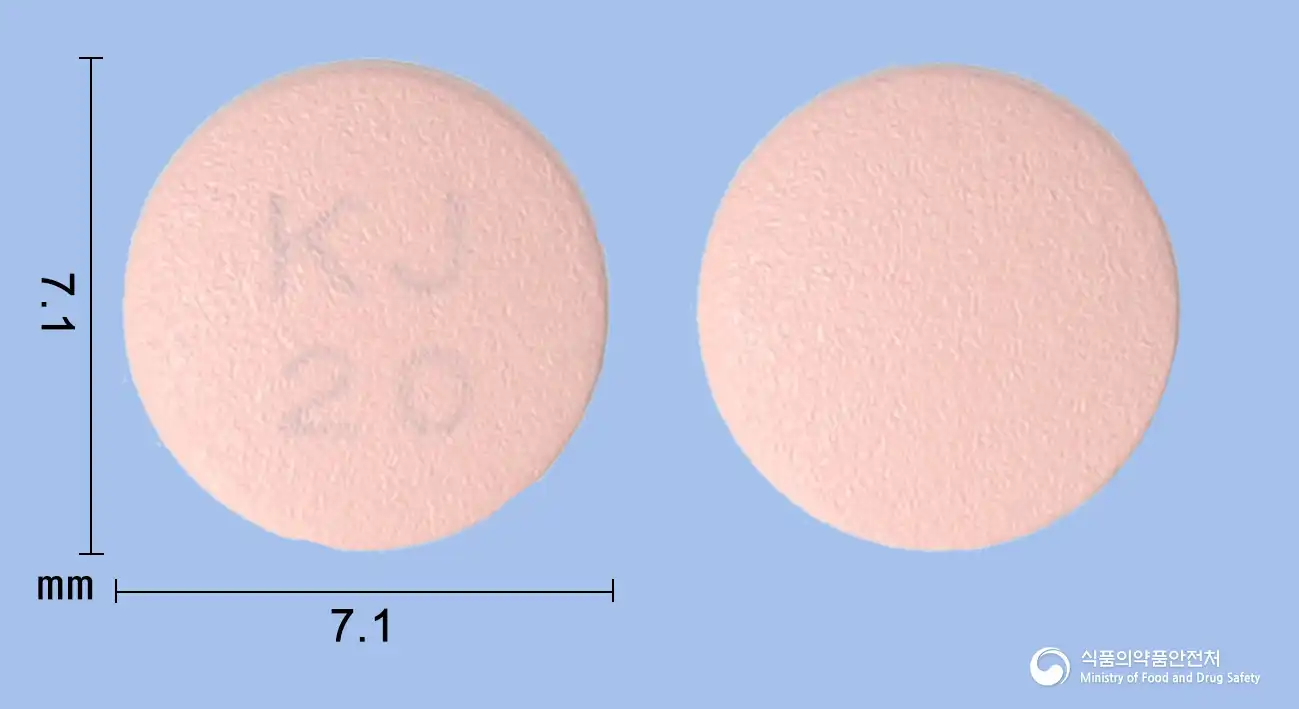
Teneligliptin Hydrochloride Hydrate 26mg
Tablet · Prescription medication
International Pharmaceutical Co., Ltd.
Even with the same ingredient, the dose and directions can differ by strength and dosage form. Talk to a doctor or pharmacist before switching from a medication you are already taking.
No questions yet.
For anything that needs medical judgment, consult a doctor or pharmacist.
This drug information is based on data provided by the Korea Ministry of Food and Drug Safety.
Consult a doctor or pharmacist for accurate dosage, administration, and usage instructions.