
 한국어
 English
 日本語
 中文(简体)
Dosage form image
Viewing nowTafadine Eye Drops 0.2% (Olopatadine Hydrochloride) (Single Use)
Olopatadine Hydrochloride 2.22mg
Eye drops · Prescription medication
Kips Biopharma Co., Ltd.
MFDS item code 202006848 · Approved 2020.10.08 · Insurance code 693202351
Treatment of symptoms of allergic conjunctivitis
Allergic conjunctivitis causes symptoms such as itching, redness, and tearing of the eyes. This medication helps alleviate such inflammation and itching, reducing discomfort and treating symptoms. It is used to effectively improve the symptoms caused by allergic conjunctivitis.
Instill 1 drop per dose, once daily. Discard any remaining solution and the container immediately after instillation. (For single-use products only)
This medication should not be used by those who have allergic reactions to the active or inactive ingredients. Symptoms of the nervous system such as headaches, taste disturbances, and dizziness may occur while using this medication. Eye-related symptoms, such as keratitis, eye pain, dry eyes, eye itching, and eye redness, may rarely occur. It may also cause nasal dryness or symptoms of rhinitis, and reports of dry mouth have been noted. There is a possibility of developing allergic dermatitis on the skin, and fatigue may also be experienced. Similar symptoms to cold or pharyngitis can occur in about 10% of patients, with symptoms such as weakness, back pain, frequent coughing, and nausea persisting in some patients. Caution is required as the phosphate component included in this medication can rarely cause calcification-related damage to the cornea. This medication should not be used in relation to contact lens irritation, and the ingredient benzalkonium chloride may discolor contact lenses, so lenses should not be worn for at least 15 minutes after instillation. Temporary blurriness of vision may occur after instillation, so one should wait until vision returns to normal before driving or operating machinery. Pregnant women should use this medication cautiously, as it may affect the fetus, and breastfeeding women should also be careful as the medication may pass to the baby. It can be safely used in children aged 3 years and older, and elderly individuals can use it without special precautions. This medication is for ophthalmic use only and should not be used orally or intravenously. To prevent contamination, do not let the tip of the container touch the eye directly, and after use, securely close the lid for storage. When using other eye drops, maintain an interval of at least 5 minutes, and if using eye ointment, apply it last. Single-use products should be used immediately after opening and if it's the first use, discard 1-2 drops to remove any container fragments. In cases of overdose, appropriate monitoring and treatment are required, and systemic administration of this medication has not been reported. This medication has a low risk of carcinogenicity or mutagenicity and is considered safe when used within the normal range.
Not everyone experiences these, and they can vary from person to person.
This medication should be stored in a tightly sealed container to protect it from air and moisture, and it is recommended to keep it in a cool place at a temperature between 2 to 25 degrees. Proper storage will help maintain the medication's effectiveness for a longer period.
A colorless to pale yellow liquid in a colorless transparent plastic bottle for eye drops.
0.35 milliliters/tube x 30 tubes
Even with the same ingredient, strength, dosage form and how it is taken can differ.
Olopatadine Hydrochloride 2.22mg
Eye drops · Prescription medication
Kips Biopharma Co., Ltd.
Olopatadine Hydrochloride 1.11mg
Eye drops · Prescription medication
Novartis Korea Co., Ltd.
Olopatadine Hydrochloride 5mg
Tablet · Prescription medication
Korea Kyowa Kirin Co., Ltd.
Olopatadine Hydrochloride 2.22mg
Eye drops · Prescription medication
Novartis Korea Co., Ltd.
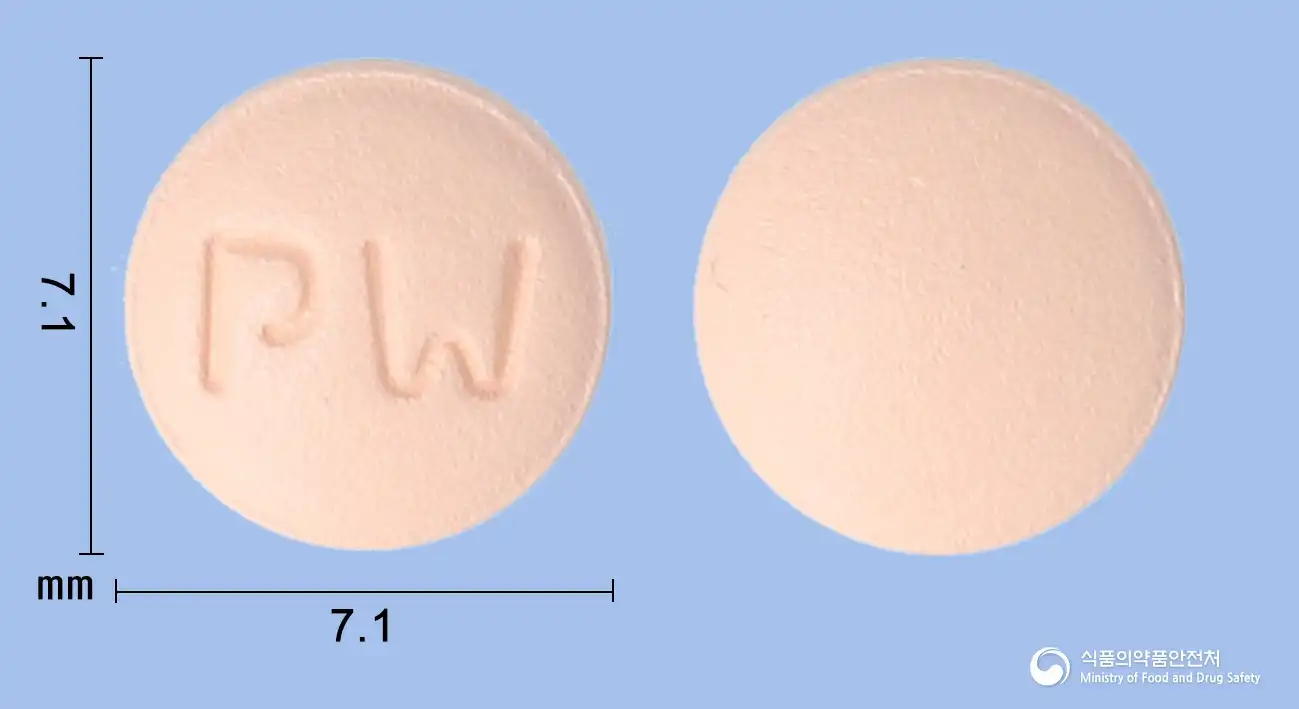
Olopatadine Hydrochloride 5mg
Tablet · Prescription medication
Daewoong Pharmaceutical Co., Ltd.
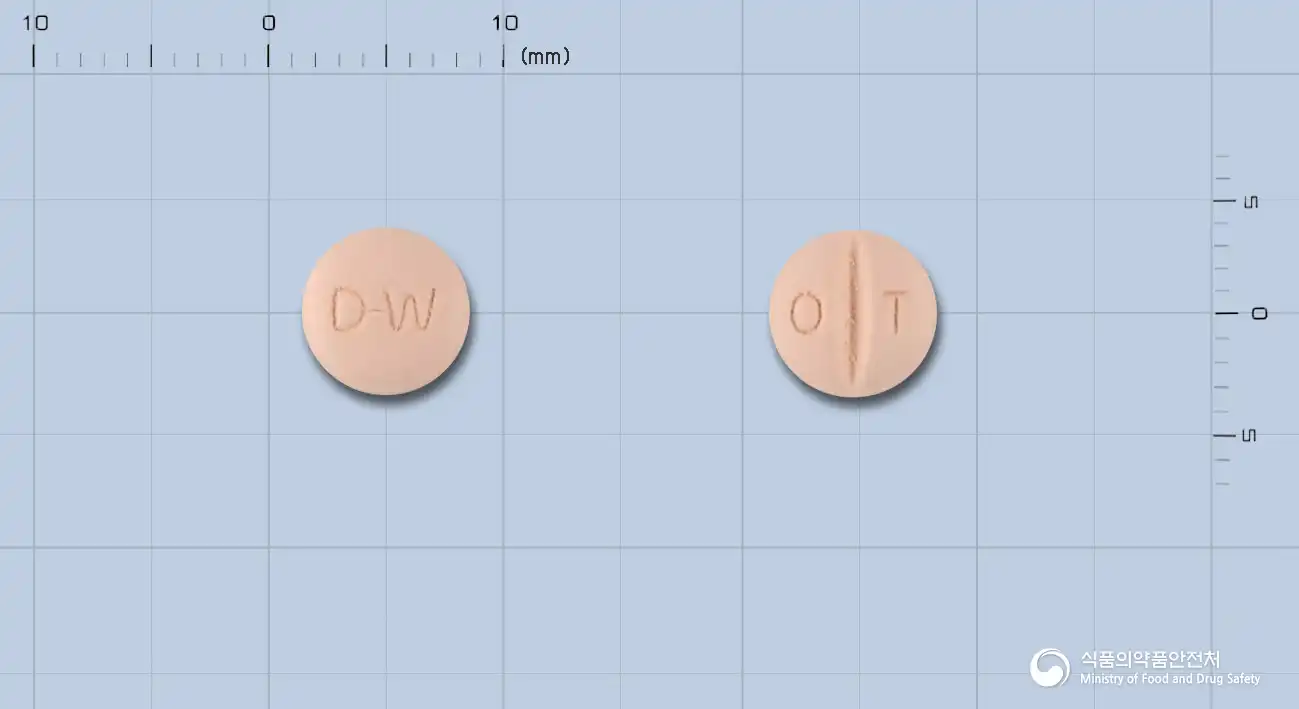
Olopatadine Hydrochloride 5mg
Tablet · Prescription medication
Dongwha Pharmaceutical Co., Ltd.
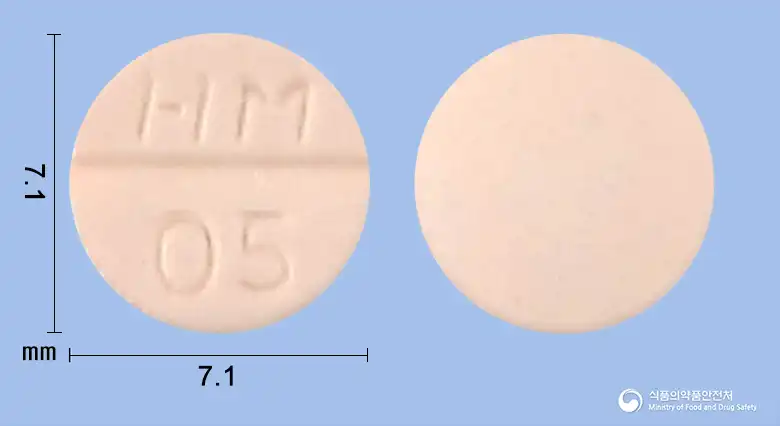
Olopatadine Hydrochloride 5mg
Tablet · Prescription medication
Hanmi Pharmaceutical Co., Ltd.
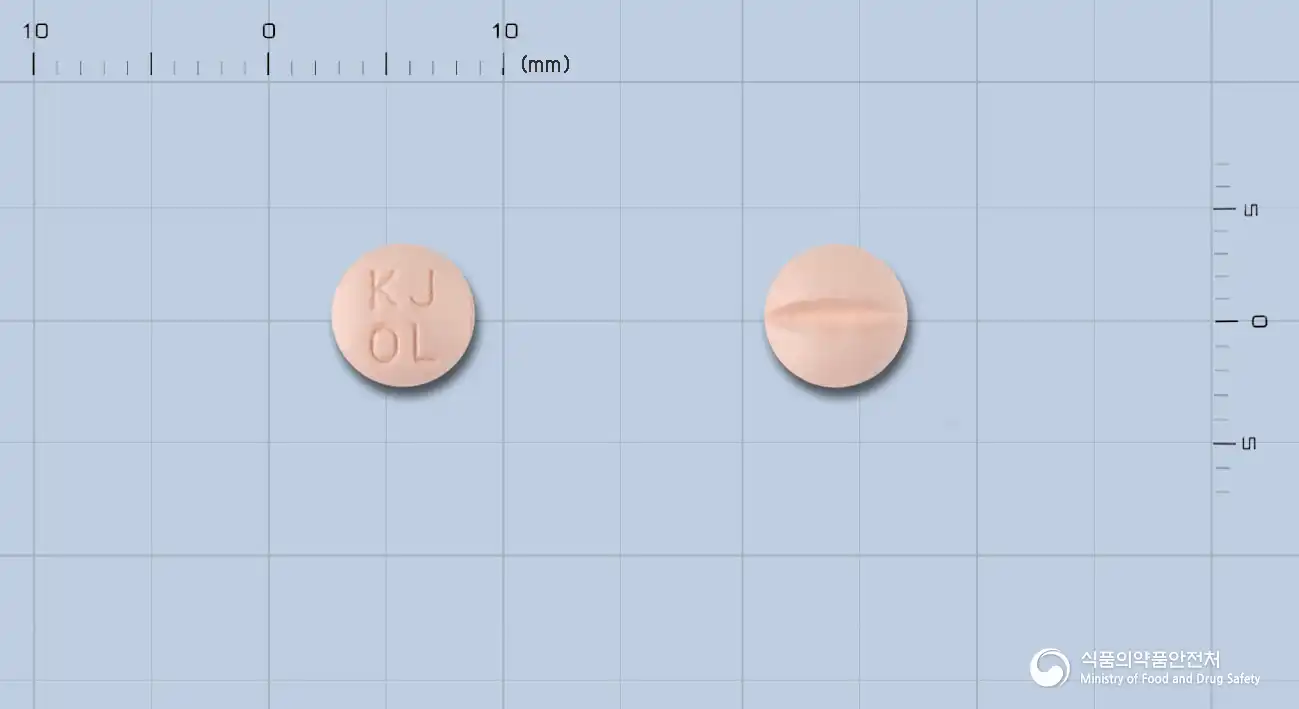
Olopatadine Hydrochloride 5mg
Tablet · Prescription medication
International Pharmaceutical Co., Ltd.
Even with the same ingredient, the dose and directions can differ by strength and dosage form. Talk to a doctor or pharmacist before switching from a medication you are already taking.
No questions yet.
For anything that needs medical judgment, consult a doctor or pharmacist.
This drug information is based on data provided by the Korea Ministry of Food and Drug Safety.
Consult a doctor or pharmacist for accurate dosage, administration, and usage instructions.