
 한국어
한국어 English
 日本語
日本語 中文(简体)
 Viewing now
Esomezole Dials 40 mg (Esomeprazole Magnesium Trihydrate)
Esomeprazole Magnesium Trihydrate 22.25mg
Hard capsule · Prescription medication
Hanmi Pharmaceutical Co., Ltd.
MFDS item code 202006759 · Approved 2020.10.06 · Insurance code 643508310
Effectiveness in treating gastroesophageal reflux disease (erosive esophagitis) and prevention of recurrence
This medication is effective in treating gastroesophageal reflux disease, particularly erosive esophagitis. It is also used for long-term maintenance therapy to prevent symptoms from recurring in patients with esophagitis. This helps improve patients' uncomfortable symptoms and prevents recurrence, thereby enhancing their quality of daily life.
This medication can be taken without regard to meals. It should be swallowed with liquids such as water and must not be chewed or crushed. Patients who have difficulty swallowing capsules can open the capsule and mix the contents into half a cup of non-carbonated water for consumption. 1) Treatment of erosive esophagitis: Administer 40 mg once daily for 4 weeks. If symptoms persist or are not adequately treated, continue taking for an additional 4 weeks. 2) Prevention of recurrence in esophagitis patients: Administer based on the physician's direction.
Adolescents aged 12 and over: For the treatment of erosive esophagitis, administer 40 mg once daily for 4 weeks. Children under 12 years: No experience in administration.
This medication should not be administered to patients who are allergic to this drug or its components, or who have had hypersensitivity reactions to benzimidazoles. Additionally, it should not be used in patients taking certain antiviral agents such as atazanavir, nelfinavir, and rilpivirine, or in women who are breastfeeding. This medication contains colorants, Yellow No. 5 and Red No. 40, thus patients with a history of allergies to these components should use it cautiously. While using this medication, various side effects such as blood-related abnormalities, allergic reactions, electrolyte imbalances, mental changes, headaches, dizziness, gastrointestinal problems, liver function abnormalities, and skin rashes may occasionally occur, and if symptoms arise, immediate consultation with a physician is necessary. Long-term use may cause hypomagnesemia, so it is important to regularly check magnesium levels in the blood. Furthermore, this medication suppresses gastric acid secretion, slightly increasing the risk of bacterial infections in the gastrointestinal tract; thus, if symptoms like diarrhea persist, a doctor should be informed. Long-term, high-dose use of this drug may increase the risk of fractures, so caution is necessary for patients at risk of osteoporosis. Data on the use of this medication during pregnancy is limited, so pregnant women should definitely consult a physician before use, and it is best for breastfeeding women to avoid this medication. In case of overdose, there is no specific antidote available, and symptomatic treatment is required. It should be stored out of the reach of children. This medication may interact with other drugs, so if you are taking other medications, be sure to inform your doctor or pharmacist, especially when used in combination with antivirals, anticoagulants, antidepressants, and anticonvulsants. Lastly, this medication should only be used for the minimum necessary dosage and duration, and if there are changes in symptoms, consultation with a healthcare professional is essential.
Hives, severe swelling (angioedema, facial swelling), chest tightness, difficulty breathing, anaphylactic reaction/shock, cold sweat, pallor, severe rash with fever, blisters, skin peeling, pain in oral/ocular mucosa, Stevens-Johnson syndrome, toxic epidermal necrolysis (Lyell's syndrome), acute generalized exanthematous pustulosis, drug reaction with eosinophilia and systemic symptoms (DRESS syndrome), shortness of breath or trouble breathing, asthma.
Headache, dizziness, drowsiness, insomnia, agitation, mental confusion, depression, aggression, hallucinations, taste disturbances, blurred vision, bronchospasm, abdominal pain, constipation, diarrhea, abdominal distension, nausea, vomiting, dry mouth, stomatitis, gastrointestinal candidiasis, increased liver enzymes, hepatitis, dermatitis, itching, rash, hair loss, photosensitivity, fractures, joint pain, muscle pain, muscle weakness, fatigue, increased perspiration, Clostridium difficile-associated diarrhea, abdominal distention.
Not everyone experiences these, and they can vary from person to person.
This medication may be sensitive to air and moisture, so it should be stored in a tightly sealed container. In addition, it is best to store the drug at room temperature between 1°C and 30°C. Storing it this way will help maintain its effectiveness for a longer period.
A prolonged release hard capsule containing white or light yellow tablets and cloudy pink tablets, with a light pink upper and lower part.
30 capsules/bottle, 30 capsules/box [(10 capsules/PTP x 3)], 100 capsules/bottle
Even with the same ingredient, strength, dosage form and how it is taken can differ.
Viewing nowEsomeprazole Magnesium Trihydrate 22.25mg
Hard capsule · Prescription medication
Hanmi Pharmaceutical Co., Ltd.

Esomeprazole Magnesium Trihydrate 44.5mg
Tablet · Prescription medication
AstraZeneca Korea Co., Ltd.
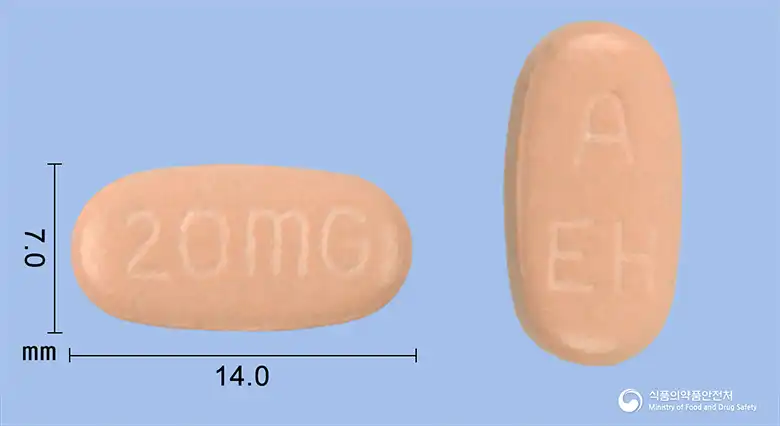
Esomeprazole Magnesium Trihydrate 22.3mg
Tablet · Prescription medication
AstraZeneca Korea Co., Ltd.

Esomeprazole Magnesium Trihydrate 22.3mg
Tablet · Prescription medication
Daewon Pharmaceutical Co., Ltd.

Esomeprazole Magnesium Trihydrate 44.5mg
Tablet · Prescription medication
Daewon Pharmaceutical Co., Ltd.

Esomeprazole Magnesium Dihydrate 43.38mg
Tablet · Prescription medication
Jongkundang Co., Ltd.
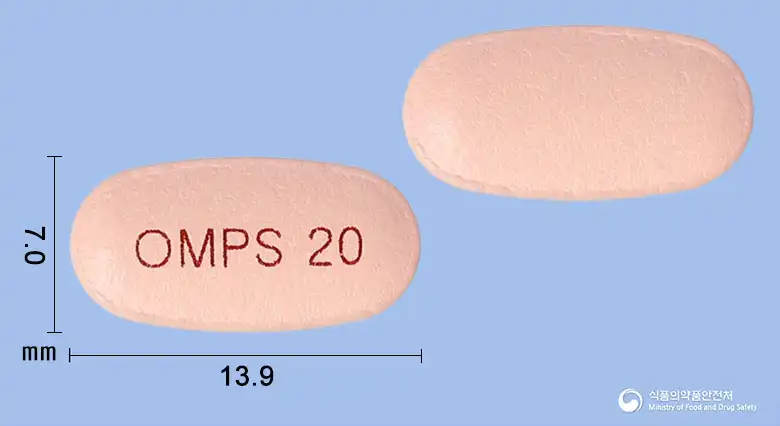
Esomeprazole Magnesium Dihydrate 21.69mg
Tablet · Prescription medication
Chong Kun Dang Pharmaceutical Corp.

Esomeprazole Magnesium Trihydrate 22.3mg
Tablet · Prescription medication
Samjin Pharmaceutical Co., Ltd.
Even with the same ingredient, the dose and directions can differ by strength and dosage form. Talk to a doctor or pharmacist before switching from a medication you are already taking.
No questions yet.
For anything that needs medical judgment, consult a doctor or pharmacist.
This drug information is based on data provided by the Korea Ministry of Food and Drug Safety.
Consult a doctor or pharmacist for accurate dosage, administration, and usage instructions.