
 한국어
한국어 English
 日本語
日本語 中文(简体)
Dosage form image
Viewing nowCombinationBaltrio Tablets 5/160/10 Milligrams
Valsartan 160mg · Amlodipine Besylate 6.94mg +1 more
Tablet · Prescription medication · Combination
Kyungdong Pharmaceutical Co., Ltd.
MFDS item code 202006709 · Approved 2020.09.29 · Insurance code 648104560
(Hypertension, Dyslipidemia) Improvement and cardiovascular disease risk reduction effect
This medication is used as a combination of amlodipine and valsartan for patients with essential hypertension who do not achieve adequate blood pressure control with monotherapy of amlodipine or valsartan. Additionally, rosuvastatin is administered as an adjunct treatment in patients with hypercholesterolemia and dyslipidemia when dietary changes and exercise do not suffice. This medication helps reduce total cholesterol and LDL-cholesterol levels in patients with hypercholesterolemia, thereby delaying the progression of atherosclerosis and reducing the risk of cardiovascular disease, stroke, myocardial infarction, and angioplasty. Thus, it is effective for controlling blood pressure and improving cardiovascular disease risk in patients who require management of blood pressure and lipids.
Take one tablet daily with water. It is recommended to take it at the same time each day (e.g., before breakfast) if possible. For the amlodipine/valsartan combination, adjust the dose based on blood pressure control at 5/80 milligrams, 5/160 milligrams, and 10/160 milligrams. Rosuvastatin is taken once daily at any time during the day, irrespective of meals, starting with an initial dose of 5 milligrams, with maintenance dose adjustment as required.
This medication may cause serious harm to the fetus and newborn if taken during the second and third trimesters of pregnancy; thus, it should be discontinued immediately if pregnancy is confirmed. This medication should not be used in patients with allergies to its components or severely impaired liver and kidney function, nor in pregnant or breastfeeding women. Careful monitoring and observation should be conducted in patients with body sodium or fluid depletion, as hypotension may occur. Patients with high potassium levels or those taking potassium-sparing drugs should have their potassium levels monitored frequently. Careful use is required in patients with renal artery stenosis or renal transplant recipients, as it may affect renal function. Special caution is required in patients with heart disease such as heart failure or history of myocardial infarction, and in patients with aortic valve stenosis. This medication may cause muscle-related side effects such as myalgia or muscle weakness; thus, if muscle pain is severe or persistent, consultation with a physician is essential. Dizziness or fatigue may occur during driving or operating machinery, so caution is advised. Interactions with other drugs may occur, so all medications being taken should be disclosed to a physician or pharmacist for consultation. Women who are pregnant or planning to become pregnant should avoid taking this medication, and it should also be avoided during breastfeeding. The safety and efficacy for children under 18 years have not been established, hence it is not recommended for use in this age group. For elderly patients, dosage adjustments are not necessary, but careful monitoring is advised as they may be more sensitive to bodily reactions. Regular liver and kidney function tests should be conducted to monitor for any abnormalities. In cases of overdose, severe hypotension or cardiac problems may occur; therefore, strict adherence to dosage instructions is necessary, and immediate medical attention should be sought in the presence of abnormal symptoms.
Hives, severe swelling (edema), chest tightness, difficulty breathing, cold sweat, pallor, severe rash with high fever, blisters, skin peeling, pain in oral/ocular mucosa, difficulty breathing or shortness of breath, asthma attack, cough with fever, yellowing of skin or eyes (jaundice), profound lethargy, sudden and severe headache, thunderclap headache, seizure, altered consciousness, visual disturbances, paralysis, urination changes
Not everyone experiences these, and they can vary from person to person.
This medication should be stored in a tightly sealed container as it may be sensitive to air or moisture. It is important to maintain the storage temperature between 1 and 30 degrees Celsius to prolong the medication’s efficacy and safety.
Light pink, oval, biconvex film-coated tablet
30 tablets/bottle
Even with the same ingredient, strength, dosage form and how it is taken can differ.
Valsartan 160mg · Amlodipine Besylate 6.94mg +1 more
Tablet · Prescription medication · Combination
Kyungdong Pharmaceutical Co., Ltd.
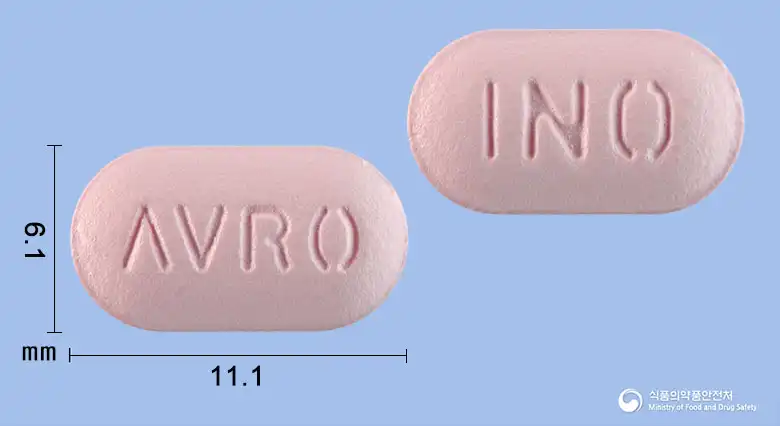 Combination
Amlodipine Besylate 6.94mg · Valsartan 80mg +1 more
Tablet · Prescription medication · Combination
HK inno.N Co., Ltd.
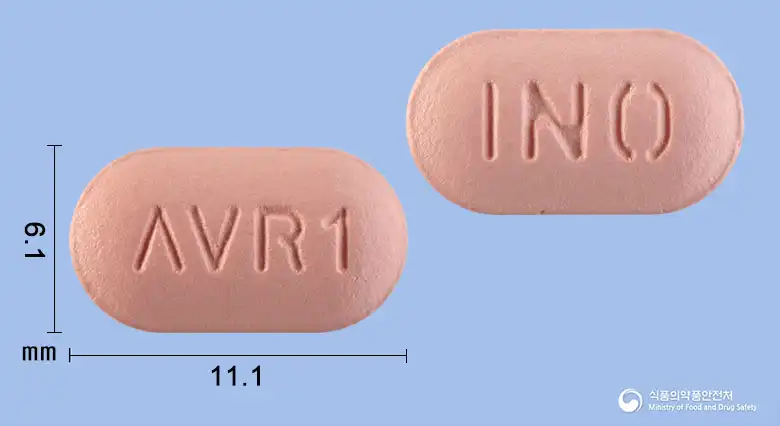 Combination
Amlodipine Besylate 6.94mg · Valsartan 80mg +1 more
Tablet · Prescription medication · Combination
HK Inno.N Co., Ltd.
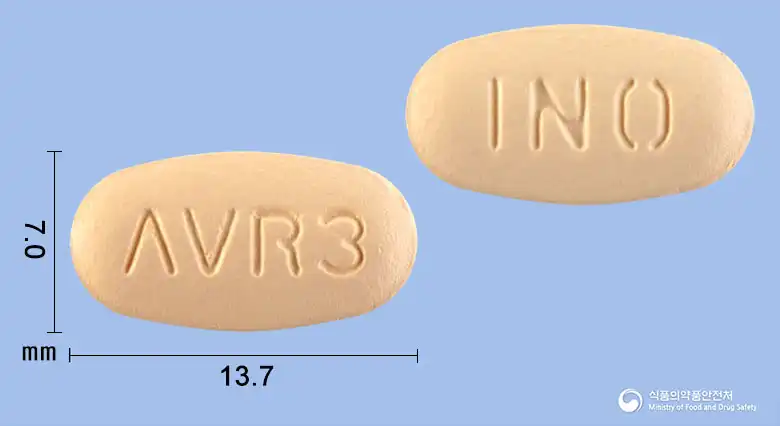 Combination
Amlodipine Besylate 6.94mg · Valsartan 160mg +1 more
Tablet · Prescription medication · Combination
HK Inno.N Co., Ltd.
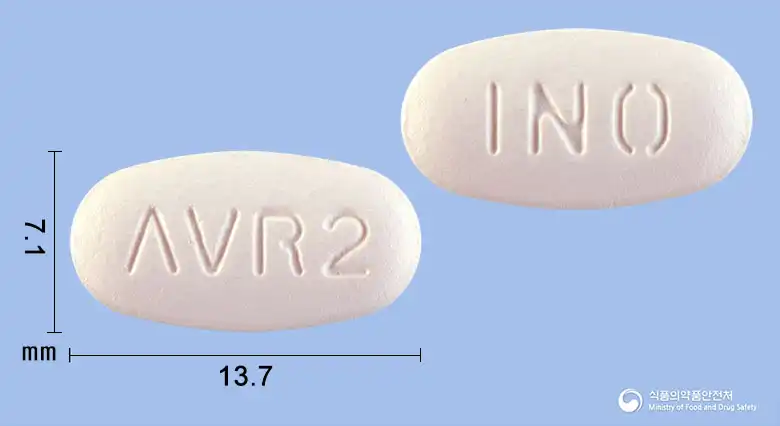 Combination
Amlodipine Besylate 6.94mg · Valsartan 160mg +1 more
Tablet · Prescription medication · Combination
HK Inno.N Co., Ltd.
Valsartan 80mg · Amlodipine Besylate 6.94mg +1 more
Tablet · Prescription medication · Combination
Kyungdong Pharm Co., Ltd.
Valsartan 160mg · Amlodipine Besylate 13.87mg +1 more
Tablet · Prescription medication · Combination
Kyungdong Pharmaceutical Co., Ltd.
Valsartan 160mg · Amlodipine Besylate 13.87mg +1 more
Tablet · Prescription medication · Combination
Kyungdong Pharmaceutical Co., Ltd.
Even with the same ingredient, the dose and directions can differ by strength and dosage form. Talk to a doctor or pharmacist before switching from a medication you are already taking.
No questions yet.
For anything that needs medical judgment, consult a doctor or pharmacist.
This drug information is based on data provided by the Korea Ministry of Food and Drug Safety.
Consult a doctor or pharmacist for accurate dosage, administration, and usage instructions.