
 한국어
한국어 English
 日本語
日本語 中文(简体)
 Viewing nowCombination
Abatril Tablet 5/160/20 milligrams
Amlodipine Besylate 6.94mg · Valsartan 160mg +1 more
Tablet · Prescription medication · Combination
Daehan New Pharm Co., Ltd.
MFDS item code 202006661 · Approved 2020.09.25 · Insurance code 669908050
Reduces the risk of hypertension and cardiovascular diseases, improves dyslipidemia
This medication is used for patients with essential hypertension whose blood pressure is not adequately controlled with combined amlodipine/valsartan therapy, and for those requiring atorvastatin to reduce the risk of cardiovascular diseases. Amlodipine and valsartan help control blood pressure, while atorvastatin reduces the risk of cardiovascular diseases such as myocardial infarction, stroke, and angina, and improves dyslipidemia. It is particularly effective in reducing the risk of cardiovascular diseases in adults with multiple risk factors or a history of heart disease, as well as in patients with type 2 diabetes. Additionally, it helps to regulate cholesterol and triglyceride levels in patients with dyslipidemia. Therefore, this medication is used to improve cardiovascular health by managing both blood pressure and lipid levels simultaneously.
This medication is taken as 1 tablet once daily with water. It is recommended to take it at the same time each day (e.g., in the morning) if possible. The dosing of the amlodipine/valsartan combination should be individualized per patient as follows: ㆍ5/80 milligrams: to be administered to patients whose blood pressure is not controlled with either amlodipine 5 milligrams or valsartan 80 milligrams alone. ㆍ5/160 milligrams: to be administered to patients whose blood pressure is not controlled with either amlodipine 5 milligrams or valsartan 160
This medication may cause serious harm to the fetus when taken during pregnancy, especially in the second and third trimesters; therefore, it should be discontinued immediately upon confirmation of pregnancy. If there are any unusual muscle-related symptoms or a significant increase in creatine kinase levels in blood tests, the use of this medication should be stopped. This medication should not be administered to patients with specific diseases or conditions, including those with severe liver or kidney disease, pregnant or lactating women, and patients with hypersensitivity. When administered to patients who are deficient in sodium or body fluids, there is a risk of severe hypotension, so caution is needed, and appropriate measures should be taken immediately if symptoms of hypotension occur. Patients with elevated potassium levels may experience further increases in potassium levels, requiring regular blood tests. In patients with impaired renal function or kidney transplant recipients, use of this medication is limited or requires caution. In patients with heart failure or after myocardial infarction, renal function and blood pressure status should be closely monitored; it should be used cautiously in patients with acute myocardial infarction as symptoms may worsen. Dizziness or fatigue may occur during treatment with this medication; therefore, caution should be taken when driving or operating machinery. Due to numerous drug interactions, patients should consult with their physician or pharmacist when taking this medication alongside other drugs, especially when combined with certain antibiotics, antifungals, or immunosuppressants. This medication can cause various side effects, including liver dysfunction, myalgia, skin rashes, and gastrointestinal symptoms; patients should report any unusual symptoms to medical personnel immediately. Women of childbearing age must use appropriate contraception while taking this medication, and those who plan to become pregnant or are pregnant should consult with medical personnel. Lactating women should avoid taking this medication, and alternative treatment methods should be considered if necessary. Before taking this medication, patients must inform their doctor of their medical history and any other medications they are taking, and regular checks should be performed to ensure safe treatment.
Urticaria, severe swelling (edema), chest tightness, difficulty breathing, cold sweat, pallor, high fever accompanied by severe rash, blisters, skin peeling, oral/ocular mucosal pain, shortness of breath or difficulty breathing, asthma attack, respiratory alterations accompanied by cough and fever, jaundice (yellowing of skin or eyes), extreme lethargy, sudden and severe headache, thunderclap headache, seizures, confusion, visual disturbances, paralysis, urinary abnormalities
Not everyone experiences these, and they can vary from person to person.
This medication should be stored in a tightly closed container to prevent exposure to air and moisture, and it is recommended to keep it at room temperature between 1 and 30 degrees Celsius. Storing it this way helps maintain the effectiveness of the medication for a longer period.
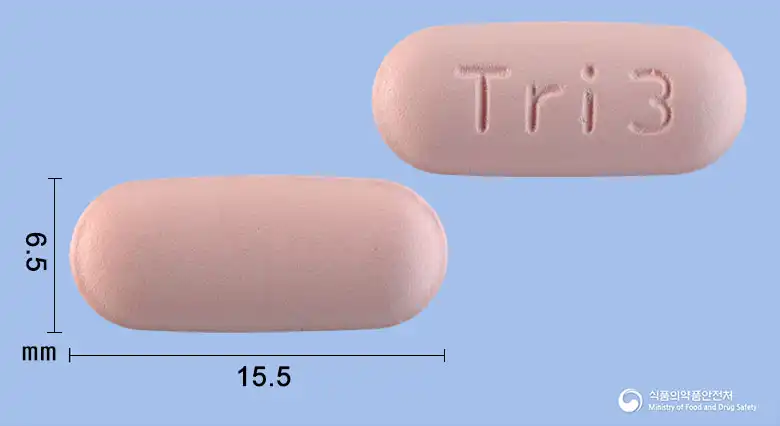
Pale pink oval film-coated tablets
30 tablets/bottle
Even with the same ingredient, strength, dosage form and how it is taken can differ.
Viewing nowCombinationAmlodipine Besylate 6.94mg · Valsartan 160mg +1 more
Tablet · Prescription medication · Combination
Daehan New Pharm Co., Ltd.
Amlodipine Besylate 6.94mg · Valsartan 80mg +1 more
Tablet · Prescription medication · Combination
HK Inno.N Co., Ltd.
Amlodipine Besylate 6.94mg · Valsartan 80mg +1 more
Tablet · Prescription medication · Combination
HK inno.N Co., Ltd.
Amlodipine Besylate 6.94mg · Valsartan 160mg +1 more
Tablet · Prescription medication · Combination
HK inno.N Co., Ltd.
Amlodipine Besylate 6.94mg · Valsartan 160mg +1 more
Tablet · Prescription medication · Combination
HK inno.N Co., Ltd.
 Combination
Amlodipine Besylate 6.94mg · Valsartan 80mg +1 more
Tablet · Prescription medication · Combination
Dongu Bio Pharmaceutical Co., Ltd.
 Combination
Amlodipine Besylate 6.94mg · Valsartan 80mg +1 more
Tablet · Prescription medication · Combination
Donggu Bio Pharmaceutical Co., Ltd.
 Combination
Amlodipine Besylate 6.94mg · Valsartan 160mg +1 more
Tablet · Prescription medication · Combination
Donggu Bio Pharmaceutical Co., Ltd.
Even with the same ingredient, the dose and directions can differ by strength and dosage form. Talk to a doctor or pharmacist before switching from a medication you are already taking.
No questions yet.
For anything that needs medical judgment, consult a doctor or pharmacist.
This drug information is based on data provided by the Korea Ministry of Food and Drug Safety.
Consult a doctor or pharmacist for accurate dosage, administration, and usage instructions.